Table of Contents
- Introduction
- The Vital Difference Between Dry and Dehydrated Skin
- What Causes Dryness on the Face?
- Key Ingredients for Parched Skin
- How to Build a Restorative Skincare Ritual
- Specialized Care for Vulnerable Areas
- Lifestyle Habits to Support Hydrated Skin
- When to Seek Professional Guidance
- The Importance of Consistency
- Summary of the Dry Skin Ritual
- Conclusion
- FAQ
Introduction
That unmistakable sensation of a face that feels a size too small—tight, parched, and perhaps a bit rough to the touch—is more than just a minor inconvenience. When your skin loses its suppleness, it is sending a clear signal that its protective barrier is compromised. At Yon-Ka Paris, we believe that treating dry skin is not about temporary "hacks" or heavy, greasy coatings, but rather a dedicated ritual that restores the skin’s natural rhythm and resilience. This article will explore the physiological causes of dryness, the essential botanical ingredients that provide relief, and a step-by-step phyto-aromatic approach to regaining a glowing complexion. By understanding how to properly nourish and protect your skin, you can transform a dull, flaky appearance into one that feels deeply comforted and revitalized. If you already know your skin is especially dry or dehydrated, our Dry & Dehydrated Skin collection is a helpful place to start.
The Vital Difference Between Dry and Dehydrated Skin
Before you can effectively treat the skin on your face, you must identify exactly what it is lacking. While "dry" and "dehydrated" are often used interchangeably in casual conversation, in the world of professional skincare, they represent two very different concerns that require distinct solutions.
Understanding Dry Skin as a Type
Dry skin is a skin type, often determined by genetics. If you have a dry skin type, your sebaceous glands do not produce enough sebum (natural oils). Without sufficient oil, the skin lacks the lipids—the "glue" that holds skin cells together—necessary to retain moisture and defend against external aggressors. This skin type often feels rough, looks dull, and is more prone to visible flaking and early signs of aging, such as fine lines.
Recognizing Dehydrated Skin as a Condition
Dehydrated skin, on the other hand, is a temporary condition that can affect any skin type, including oily and combination. It is characterized by a lack of water (moisture) in the stratum corneum, the outermost layer of the skin. You might experience a "tight" feeling even if your skin looks shiny or breaks out. Dehydration is often caused by environmental factors, lifestyle choices, or using products that are too harsh.
Quick Answer: Treating dry skin on the face requires a two-pronged approach: replenishing lost lipids (oils) to repair the barrier and infusing the skin with humectants to bind water. A consistent ritual of gentle cleansing, aromatic toning, and layered hydration is the most effective way to restore comfort and a healthy glow.
What Causes Dryness on the Face?
The face is uniquely vulnerable to dryness because it is constantly exposed to the elements. Unlike the rest of the body, which is often protected by clothing, the facial skin must weather everything from icy winter winds to the drying effects of indoor heating and air conditioning.
Environmental Triggers
External factors are the most common culprits behind sudden dryness. Low humidity levels in the winter pull moisture out of the skin through a process called transepidermal water loss (TEWL). Conversely, excessive sun exposure in the summer can damage the skin barrier, making it harder for the face to remain hydrated. Pollutants in urban environments can also generate free radicals—unstable molecules that break down collagen and healthy lipids—leading to a dry, depleted appearance.
The Impact of Age and Hormones
As we journey through life, our skin’s natural functions begin to slow down. Starting in our 40s, the production of sebum and sweat decreases significantly. Hormonal shifts, particularly during menopause, can lead to a drop in estrogen, which is closely linked to the skin’s ability to stay plump and moisturized. This is why a moisturizer that worked in your 20s may no longer feel sufficient as your skin matures.
Inappropriate Skincare Habits
Sometimes, our quest for "squeaky clean" skin is exactly what causes it to flake. Using harsh, foaming cleansers with sulfates (detergents that create bubbles) can strip away the very lipids your skin needs for protection. Over-exfoliating with physical scrubs or high-strength acids can also create microscopic tears in the barrier, allowing moisture to escape and irritants to enter. For a closer look at why cleansing can sometimes worsen dryness, see our article on why face wash can dry your skin.
Key Ingredients for Parched Skin
When reading labels to determine how to treat dry skin, look for a balanced blend of humectants, emollients, and occlusives. At Yon-Ka, we prioritize ingredients of natural origin that work in harmony with the skin's biology. You can also explore more about our botanical approach in Our Ingredients.
Humectants: The Moisture Magnets
Humectants are substances that attract water. They pull moisture from the air or from deeper layers of the dermis up to the surface.
- Hyaluronic Acid: A powerhouse molecule that can hold up to 1,000 times its weight in water. It helps "plump" the look of the skin, smoothing out dehydration lines.
- Glycerin: A classic, plant-derived humectant that provides long-lasting hydration and helps the skin feel soft.
- Aloe Vera: Known for its soothing properties, it delivers immediate moisture to thirsty cells.
Emollients: The Smoothers
Emollients fill in the gaps between skin cells where lipids are missing. They help the skin feel supple and flexible rather than stiff and tight.
- Plant Oils: Oils like jojoba, sacha inchi, and grape seed are rich in essential fatty acids that mimic the skin’s natural sebum.
- Shea Butter: A dense, nourishing butter that provides a comforting "cushion" for very dry or sensitive skin.
- Ceramides: These are lipid molecules that act like the "mortar" between your skin-cell "bricks," essential for a healthy barrier.
The Phyto-Aromatic Edge: The Quintessence
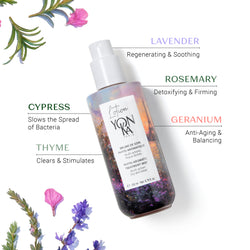
Our signature Quintessence—a blend of lavender, geranium, rosemary, cypress, and thyme essential oils—adds a therapeutic dimension to treating dry skin. While the oils provide their own specific benefits, such as lavender for soothing and rosemary for revitalizing, they also serve as a sensorial experience that calms the mind. When the body is relaxed, the skin is better able to receive the benefits of the ritual. To understand the broader philosophy behind this approach, visit Our Formulas.
Note: When introducing products containing essential oils, we always recommend a patch test on the inner forearm for 24 hours. While a slight, fleeting tingling can be normal as the botanicals begin to work, any persistent redness or irritation means you should reduce frequency or consult your skincare professional.
How to Build a Restorative Skincare Ritual
Treating dry skin is not about a single miracle product; it is about the way you layer and apply your care. Following a specific order ensures that each product can perform its job effectively.
Step 1: Gentle, Barrier-Respecting Cleansing
The goal of cleansing dry skin is to remove impurities without disturbing the delicate acid mantle. Avoid hot water, which can melt away natural oils. Instead, use lukewarm water and a milk-based cleanser. Our Lait Nettoyant is a cult favorite for this very reason; its creamy texture gently lifts makeup and pollution while leaving the skin feeling silky and hydrated rather than "stripped."
Step 2: Prepare with a Phyto-Aromatic Mist
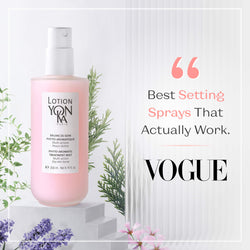
After cleansing, the skin needs to be "re-set." A traditional alcohol-based toner can be too drying. We recommend a mist like Lotion Yon-Ka PS (specifically formulated for dry skin). This alcohol-free mist uses our Quintessence to revitalize the appearance of the skin and prepare it to better absorb the serums and creams that follow. Applying your next steps while the skin is still slightly damp from the mist helps lock in extra hydration.
Step 3: Targeted Treatment with Serums
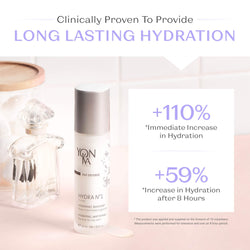
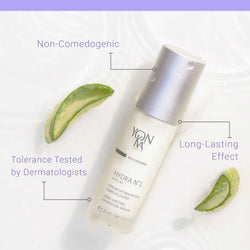
Serums are concentrated formulas designed to penetrate deeper. For dry skin, look for a serum that focuses on lipid restoration or intense hydration. Our Hydra N°1 Serum is a strong choice for this step, while Serum Omega is ideal when skin feels especially fragile or comfort-starved.
Step 4: Moisturize and Seal
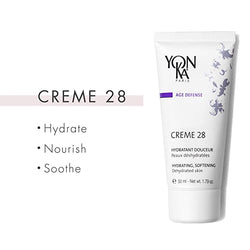
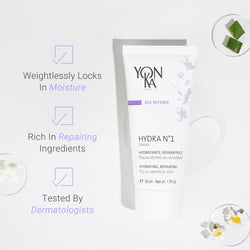
This is the protective "shield" for your face. The moisturizer should feel comfortable and provide an immediate sense of relief. For a richer cream option, Hydra N°1 Crème helps support a dry, dehydrated complexion, and Creme 28 offers another hydrating, softening cream for ongoing moisture support.
Step 5: Protect the Barrier
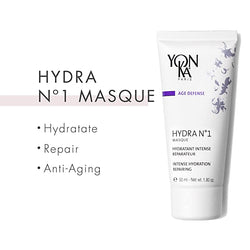
During the day, your final step must be sun protection. UV rays damage the skin's moisture-holding capacity. At night, you might opt for a slightly richer treatment or a sleeping mask, such as Hydra N°1 Masque, to support the skin's natural repair cycle while you sleep.
Specialized Care for Vulnerable Areas
Not all parts of the face dry out at the same rate. The skin around the eyes and lips is thinner and lacks the density of sebaceous glands found on the cheeks or forehead.
The Eye Contour
Dryness around the eyes can lead to a "crepey" appearance and make dark circles more prominent. To treat this, use a targeted cream like Phyto-Contour. This formula is designed to address the specific needs of the delicate eye area, helping to reduce the look of puffiness and fatigue while providing essential moisture. Gently tap the product onto the orbital bone using your ring finger to avoid pulling on the skin.
The Lips
Chapped, dry lips are a common symptom of environmental stress. Because the lips do not have oil glands, they cannot moisturize themselves. Use a botanical lip balm throughout the day and consider applying a thin layer of a nourishing cream before bed to act as an overnight lip mask.
Lifestyle Habits to Support Hydrated Skin
What you do outside the bathroom is just as important as what you apply inside it. To truly treat dry skin on your face, you must consider your overall environment and internal health.
1. Optimize Your Indoor Air In the winter, heating systems strip the air of humidity. Placing a humidifier in your bedroom can significantly reduce the amount of moisture your skin loses overnight. Aim for a humidity level of around 40% to 60%.
2. Hydrate from Within While drinking water doesn't directly "moisturize" the outer layer of your skin (that requires topical care), systemic dehydration will eventually show on your face. Eat a diet rich in healthy fats—such as avocados, walnuts, and flaxseeds—which provide the building blocks for your skin’s lipid barrier.
3. Adjust Your Shower Routine If you enjoy a long, hot shower, your facial skin may be paying the price. Limit your time to 5–10 minutes and keep the water at a comfortable lukewarm temperature. Apply your moisturizer within three minutes of exiting the shower to "trap" the moisture still present on your skin.
4. Choose Non-Irritating Fabrics If your facial skin is very dry and sensitive, even your pillowcase can make a difference. Silk or high-quality cotton is less likely to cause friction and irritation compared to synthetic blends or rough wool scarves that may brush against your face.
Key Takeaway: Treating dry skin is a cumulative process. By combining a lipid-rich botanical ritual with mindful lifestyle choices like using a humidifier and avoiding hot water, you support the skin’s natural ability to retain its youthful, hydrated appearance.
When to Seek Professional Guidance
While most cases of dry facial skin can be managed with a consistent, high-quality ritual, there are times when expert intervention is necessary.
The Role of the Professional Esthetician
A professional skincare treatment is more than just a luxury; it is a deep reset for your skin. Estheticians have access to professional-grade products and techniques—such as specialized facial massages and intensive masks—that can deliver moisture deeper than home care alone. If you are struggling to find the right balance, visiting a spa that uses our methods can provide a much-needed breakthrough. You can find a nearby partner through our Spa Locator to experience a customized professional treatment. For a treatment-focused option, see Hydralessence Treatment.
Knowing When to See a Dermatologist
Sometimes, what looks like "just dry skin" may be an underlying medical condition. If your skin is:
- Cracking or bleeding
- Extremely itchy and preventing sleep
- Covered in thick, silvery scales
- Persistent despite using high-quality moisturizers for several weeks
In these instances, it is important to consult a physician or a dermatologist. Conditions like eczema, psoriasis, or seborrheic dermatitis require a medical diagnosis and potentially prescription-strength topical treatments. Skincare products are designed to support and enhance the appearance of healthy skin, but they do not replace medical care for chronic inflammatory conditions.
The Importance of Consistency
Skincare is a marathon, not a sprint. You may feel immediate relief after one application of a rich cream like Hydra N°1 Crème, but the long-term repair of the skin barrier takes time. Most skin cells take about 28 to 40 days to turnover. This means you need to maintain your ritual for at least a month to see the true results of your efforts.
Consistency also means not skipping steps when your skin starts to feel better. Many people stop using their hydrating serums once the flakiness disappears, only for the dryness to return a week later. Think of your skincare ritual as "food" for your face; it needs regular nourishment to remain strong.
Summary of the Dry Skin Ritual
| Ritual Step | Action | Recommended Product |
|---|---|---|
| Cleanse | Gently remove impurities without stripping lipids. | Lait Nettoyant |
| Tone | Prepare skin and revitalize with phyto-aromatics. | Lotion Yon-Ka PS |
| Treat | Infuse deep hydration or repair with concentrated actives. | Hydra N°1 Serum or Serum Omega |
| Moisturize | Seal in moisture and provide a protective barrier. | Hydra N°1 Crème |
| Protect | Defend against UV damage and environmental stress. | Broad-spectrum SPF (Daytime) |
Conclusion
Treating dry skin on your face is a journey of restoration and respect for your skin's natural biology. By moving away from harsh, stripping habits and embracing a ritual rich in botanical humectants and nourishing plant oils, you give your skin the tools it needs to thrive. At Yon-Ka Paris, our heritage is rooted in the belief that skincare is a ritual worth savoring—a moment of connection between the power of plants and your own well-being. Whether you are dealing with seasonal dehydration or a naturally dry skin type, the key to a radiant complexion lies in consistency and the high-trust, professional formulas we have pioneered since 1954. To learn more about the brand behind this approach, visit Our Story.
If you are unsure which specific products are right for your current skin state, we invite you to take our Skin Diagnosis quiz or browse the Dry & Dehydrated Skin collection. Embracing the right phyto-aromatic ritual today is the first step toward a lifetime of comfortable, glowing skin.
"The secret to healthy skin is not in the quick fix, but in the gentle, persistent care of the barrier that protects us from the world."
FAQ
What is the difference between dry and dehydrated skin?
Dry skin is a genetic skin type that lacks oil (sebum), whereas dehydrated skin is a temporary condition where the skin lacks water. Dry skin often feels rough and flaky all over, while dehydrated skin may feel tight but still look oily or experience breakouts.
Can I treat dry skin by just drinking more water?
While staying hydrated is important for overall health, drinking water alone cannot fix a compromised skin barrier. You must use topical emollients and humectants to physically prevent moisture from evaporating from the surface of your face.
Why does my face feel dry even after I apply moisturizer?
This often happens if you are applying moisturizer to "dead" skin cell buildup or if your moisturizer doesn't have the right balance of ingredients. Ensure you are using a gentle exfoliant like Gommage Yon-Ka and applying your moisturizer to damp skin to improve absorption. If you want to explore more about this soft-peel approach, read Product Spotlight: Gommage Yon-Ka.
Should I avoid all exfoliants if I have dry skin?
No, but you should avoid harsh physical scrubs. Gentle, grain-free exfoliants or mild AHAs (Alpha Hydroxy Acids) can actually help dry skin by removing the dead cells that block your moisturizer from soaking in, but they should only be used 1–2 times a week. For another useful reference, see Product Spotlight: Lait Nettoyant or Product Spotlight: Nutri+ Booster if your routine needs a richer support step.
Piel seca y deshidratada