Table of Contents
- Introduction
- The Science of Expression: Why Smiles Leave Their Mark
- The Unique Anatomy of the Delicate Eye Area
- Dynamic vs. Static Lines: Knowing the Difference
- Why Do My Eye Wrinkles Suddenly Look Worse?
- The Yon-Ka Phyto-Aromatic Approach to Eye Care
- Building Your Eye-Refining Ritual
- Key Botanical Ingredients for the Eye Contour
- Common Myths About Eye Wrinkles
- The Professional Spa Connection
- Embracing a Lifetime of Smiles
- FAQ
Introduction
There is a beautiful, fleeting moment that happens when we share a genuine laugh or offer a warm greeting: the skin at the outer corners of our eyes crinkles into a series of delicate, fan-like lines. Often called "laugh lines" or "crow’s feet," these expressions are the roadmap of a life filled with emotion. However, you may notice that these lines, once visible only during a deep smile, seem to linger a bit longer than they used to. At Yon-Ka Paris, we believe that these marks of expression are a testament to your joy, yet we also understand the desire to maintain the skin’s youthful resilience and smooth appearance.
This guide explores the biological and environmental reasons behind why the eye area is the first to show signs of aging. We will delve into the difference between dynamic and static lines, the unique anatomy of the eye contour, and how a dedicated phyto-aromatic ritual can support this delicate zone. By blending pharmaceutical-grade precision with the restorative power of nature, our goal is to help you embrace every smile with confidence and radiant skin, and our formulas reflect that balance.
The Science of Expression: Why Smiles Leave Their Mark
To understand why your eyes wrinkle when you smile, we must first look at the mechanics of facial movement. The eye is surrounded by a complex, ring-shaped muscle called the orbicularis oculi. Its primary job is to control the eyelids, allowing us to blink, squint, and close our eyes tightly.
When you smile, this muscle contracts, pulling the skin of the outer eye inward toward the socket. This physical compression forces the skin to fold and crease. In our younger years, our skin is exceptionally rich in collagen (which provides structure) and elastin (which provides "snap-back" elasticity). This allows the skin to bounce back to a smooth state the moment the muscle relaxes.
As we mature, the skin’s natural repair processes slow down. The repeated mechanical stress of smiling, combined with a gradual decline in these structural proteins, means the skin eventually loses its ability to fully recover. Over time, those temporary folds begin to settle into the skin's surface, creating visible lines even when your face is at rest.
The Unique Anatomy of the Delicate Eye Area
The skin surrounding your eyes is fundamentally different from the skin on your cheeks, forehead, or chin. It is approximately 40% thinner than the rest of the face, making it the most fragile area of the human body. Because it is so thin, it lacks the underlying "padding" of subcutaneous fat that helps keep other areas looking plump and supported.
Another critical factor is the relative lack of sebaceous glands in the eye contour. These glands produce sebum, the skin’s natural oil that maintains the moisture barrier and keeps the surface supple. Without a robust supply of natural oils, the eye area is incredibly prone to dryness and dehydration, which is why our dry & dehydrated skin collection can be a helpful next stop. When skin is dehydrated, it loses volume and becomes "crepey," which significantly exaggerates the appearance of fine lines during a smile.
Key Takeaway: The combination of constant muscle movement, extreme skin thinness, and a lack of natural oil production makes the eye area the "first responder" to both aging and environmental stress.
Dynamic vs. Static Lines: Knowing the Difference
In the world of professional skincare, we categorize wrinkles into two distinct groups. Understanding which one you are seeing can help you tailor your ritual more effectively.
Dynamic Wrinkles
These are the lines that appear only when your muscles are in motion. If you look in the mirror and see a smooth surface until you smile or squint, you are seeing dynamic wrinkles. These are largely a result of muscle contraction and are the earliest stage of eye aging.
Static Wrinkles
Static wrinkles are lines that remain visible even when your facial muscles are completely relaxed. These form when the repeated folding of dynamic movement eventually breaks down the dermal matrix. Factors like UV exposure and pollution accelerate this transition, causing the "memory" of the smile to stay etched into the skin.
Why Do My Eye Wrinkles Suddenly Look Worse?
If you have noticed a sudden increase in the depth of your eye wrinkles, it is rarely due to one single factor. Instead, it is usually a "perfect storm" of internal and external stressors that compromise the skin's integrity.
- UV Exposure (Photoaging): The sun is the primary cause of premature skin aging. UV rays penetrate deep into the dermis, where they dismantle collagen and elastin fibers. This process, known as photoaging, makes the skin brittle and less resilient to the folding caused by smiling. Daily defense with SPF 50+ Mineral Fluid helps support that routine.
- The "Commuter Squint": Whether you are driving or walking outdoors, squinting against the sun—even on cloudy days—acts as a repetitive exercise for the orbicularis oculi. This constant tension reinforces the formation of lines.
- Digital Strain: In our modern world, we spend hours squinting at blue-light-emitting screens. This constant micro-tension in the eye area contributes to fatigue and the deepening of expression lines.
- Lifestyle and Hydration: Lack of sleep, high salt intake, and inadequate water consumption can lead to systemic dehydration and poor lymphatic drainage. This often manifests as puffiness, which stretches the thin eye skin and makes it more prone to wrinkling once the puffiness subsides.
The Yon-Ka Phyto-Aromatic Approach to Eye Care
At the heart of our philosophy is the belief that the eye area requires a specialized touch. We do not believe in harsh, aggressive treatments for this vulnerable zone. Instead, we utilize the synergy of aromatherapy and phytotherapy to revitalize the skin from within, guided by our ingredients.
Our signature Quintessence—an exclusive complex of lavender, geranium, rosemary, cypress, and thyme essential oils—serves as the foundation for our treatments. This 100% natural and active blend provides a multi-dimensional approach: rosemary helps to firm and tone the appearance of the skin, while lavender and geranium offer soothing and balancing properties.
When addressing wrinkles caused by smiling, we focus on three pillars: intense hydration, structural support, and antioxidant protection. By feeding the skin botanical peptides and hyaluronic acid, we help "re-inflate" the appearance of the skin, making those smile lines look softer and less defined.
Building Your Eye-Refining Ritual
A consistent, layered routine is the most effective way to address the look of eye wrinkles. Rather than relying on a single product, we recommend a ritual-based approach that respects the skin’s natural rhythm.
Step 1: Gentle, Barrier-Respecting Cleansing
Harsh rubbing or aggressive makeup removal is one of the fastest ways to damage the eye area. Use a milky, hydrating cleanser like Lait Nettoyant. Apply it with light, sweeping motions using your ring fingers—the weakest fingers—to ensure you aren't pulling on the skin. This maintains the lipid barrier while removing impurities that cause oxidative stress.
Step 2: Prepare with the Phyto-Aromatic Mist
After cleansing, a mist of Lotion Yon-Ka PS provides an immediate surge of hydration. This alcohol-free toner contains our signature Quintessence and acts as a "dermal primer," allowing the subsequent eye treatments to penetrate more effectively.
Step 3: Targeted Eye Treatment
This is the most critical step for those concerned with smile lines. For a multi-functional approach, we recommend Phyto-Contour. This refined, rosemary-infused cream is a favorite in professional treatment rooms for its ability to visibly firm the eye contour and de-puff the area. The cooling sensation helps to invigorate the skin, making it appear more "awake" and resilient.
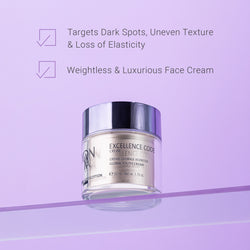
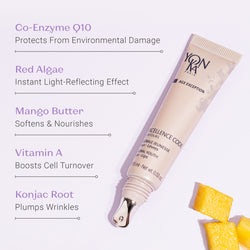
If your primary concern is the depth of wrinkles and a loss of firmness, consider Excellence Code Contours. This eye and lip contour cream is designed to smooth, plump, and brighten the look of mature skin around the eyes and lips.
Step 4: Protect and Prevent
During the day, protection is non-negotiable. Always apply a broad-spectrum SPF around the orbital bone and wear UV-rated sunglasses. This prevents the further breakdown of collagen and reduces the need to squint, giving your skin a much-needed break from mechanical stress.
Note on Essential Oil Safety: Because our products are rich in active botanical oils, we always recommend a patch test when introducing a new ritual. Apply a small amount of product to your inner forearm and wait 24 hours. While a slight, refreshing tingle is normal—especially with rosemary-based products like Phyto-Contour—any persistent redness means you should reduce the frequency of use.
Key Botanical Ingredients for the Eye Contour
When browsing for eye care, look for these evidence-based botanical ingredients that specifically target the appearance of lines and loss of elasticity:
- Hyaluronic Acid (Low Molecular Weight): This molecule can hold up to 1,000 times its weight in water. By delivering it to the deeper layers of the epidermis, it helps plump the skin from the inside out, smoothing the look of "crepey" texture.
- Rosemary Extract: Featured prominently in our eye care, rosemary is prized for its ability to tone and firm the appearance of the skin. It also supports healthy microcirculation, which can reduce the look of dark circles.
- Beech Bud Peptides: Often referred to as "the tree of eternal youth," beech bud extracts help to smooth the skin's micro-relief and support the appearance of a more refined texture.
- Vitamin C: Found in our Serum C20, this powerful antioxidant helps defend against the environmental damage that turns dynamic lines into static ones. It also brightens the overall appearance of the eye area.
Common Myths About Eye Wrinkles
Myth: Using a rich night cream for the face is the same as using an eye cream. Fact: Face creams are often too heavy for the thin eye skin and may contain high concentrations of ingredients that can cause puffiness or irritation if they migrate into the eye. Dedicated eye contours are formulated with a specific molecular weight and pH to ensure safety and efficacy.
Myth: You only need to start using eye cream once you see deep wrinkles. Fact: Skincare is most effective when used preventatively. By supporting the skin’s moisture barrier and collagen levels in your 20s and 30s, you can delay the transition from dynamic to static lines.
Myth: Eye wrinkles are purely genetic and cannot be influenced. Fact: While genetics provide the blueprint, lifestyle and skincare account for a significant portion of how your skin ages. Proper hydration, sun protection, and botanical support can dramatically alter the visual appearance of your eye contour.
The Professional Spa Connection
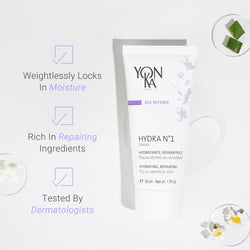
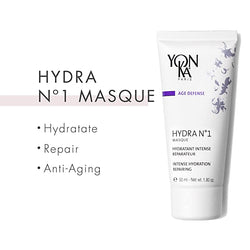
The formulations we use at home were born in the professional treatment room. Over 7,000 skincare professionals worldwide trust us to deliver results for their clients. If you find that your at-home ritual needs an extra boost, a professional treatment at a partner spa can provide deep revitalization, and a Hydra N°1 Masque can help intensely saturate the skin with moisture.
If you are curious about the full menu of in-spa services, our Spa Treatments page is a helpful place to start. It shows how Yon-Ka pairs plant-based formulations with professional techniques for a more elevated experience.
You can also find a nearby professional by using our Spa Locator.
Embracing a Lifetime of Smiles
At the end of the day, the wrinkles that appear when you smile are a reflection of your personality and your life's journey. While we use the best of plant science to keep the skin looking its most vibrant, we also encourage a perspective of "graceful aging."
Consistent care, rooted in the power of phyto-aromatic ingredients, allows you to maintain the health of your skin without losing the character of your face. By treating your eye area with the respect its delicate anatomy deserves, you ensure that your skin remains as resilient and radiant as your spirit.
Bottom line: Smile lines are a natural part of facial expression, but their appearance can be softened and managed through targeted hydration, botanical firming agents like rosemary, and diligent sun protection.
To discover the perfect combination of products for your unique skin needs, we invite you to take our Skin Diagnosis quiz. This tool is designed to help you build a customized ritual that addresses your specific concerns with professional precision.
You can also use the Product Matcher on our website to narrow down the best fit for your routine. It is a simple way to move from curiosity to a personalized skincare ritual.
As a family-founded French brand with 70 years of expertise, Yon-Ka Paris remains dedicated to the belief that skincare is more than a chore—it is a ritual worth savoring, and our brand story reflects that heritage. Whether you are addressing the first traces of expression or looking to deeply revitalize mature skin, our botanical heritage is here to support you every step of the way.
FAQ
Can eye cream actually remove the wrinkles that appear when I smile?
Skincare products cannot permanently "remove" wrinkles like a medical procedure, but they can significantly reduce their appearance. By intensely hydrating the skin and supporting its structural proteins, high-quality botanical eye creams like Phyto-Contour help plump the skin's surface, making lines look much softer and less pronounced. For a deeper look at wrinkle-focused eye care, read our Does Eye Cream Help With Wrinkles? An Expert Guide.
At what age should I start using a dedicated eye product?
It is generally recommended to start a preventative eye routine in your early to mid-20s. This is the period when natural collagen production begins to slow, and the thin skin around the eyes is most vulnerable to the early signs of dehydration and environmental damage.
Will drinking more water help with my eye wrinkles?
Hydration starts from within, and drinking enough water is essential for overall skin health. However, because the eye area has very few oil glands, systemic hydration often isn't enough to keep the surface smooth; you must also apply topical moisture and lipids to prevent water from evaporating through the thin skin barrier.
Why does my eye area look more wrinkled in the afternoon than in the morning?
This is often due to "dehydration lines." Throughout the day, factors like central heating, air conditioning, and digital eye strain sap moisture from the skin. Re-misting with our face toners & mists throughout the day can help maintain hydration levels and keep smile lines from deepening as the day progresses.