Table of Contents
- Introduction
- The Unique Anatomy of the Periorbital Area
- Dehydration: The Most Common Culprit
- The Impact of Digital Eye Strain and Squinting
- Sun Damage and Photoaging
- Genetics and Dennie-Morgan Folds
- Lifestyle Factors: Sleep and Nutrition
- The Yon-Ka Phyto-Aromatic Approach to Eye Care
- Building Your Preventative Eye Ritual
- Professional Treatments and Next Steps
- Conclusion
- FAQ
Introduction
Noticing the appearance of fine lines or creases in the mirror can be a surprising moment, especially when you are in your twenties or early thirties. While we often associate facial lines with later stages of life, the skin around the eyes is exceptionally delicate and can show changes much earlier than the rest of the face. At Yon-Ka Paris, we understand that these early signs of "aging" are often not permanent wrinkles at all, but rather signals from your skin about its current needs, from hydration levels to environmental protection. For a closer look at the skin category that matters most here, explore the dry & dehydrated skin collection.
In this article, we will explore the biological and lifestyle factors that lead to early under-eye lines, how to distinguish between temporary dehydration and static wrinkles, and how to build a supportive, botanical-led ritual to maintain a smooth, vibrant appearance. Understanding what causes wrinkles under eyes at a young age is the first step toward reclaiming your skin's natural radiance and resilience.
Quick Answer: Under-eye lines at a young age are most commonly caused by skin dehydration, lack of sleep, digital eye strain, and sun damage. Because the periorbital skin is 0.5mm thin, it easily loses moisture and shows the effects of repetitive facial expressions and environmental stressors earlier than other areas.
The Unique Anatomy of the Periorbital Area
To understand why lines appear early, we must first look at the unique structure of the skin surrounding the eyes. This area, known as the periorbital region, is fundamentally different from the skin on your cheeks or forehead.
The skin under the eyes is the thinnest on the entire body. While facial skin generally averages about 2mm in thickness, the skin around the eyes is often as thin as 0.5mm. This lack of "cushion" means there is very little subcutaneous fat to provide volume. Consequently, the underlying structures—including blood vessels and the muscles used for blinking—are much more visible and have a greater impact on the skin's surface.
Furthermore, this area contains fewer oil glands than the rest of the face. Sebaceous glands produce sebum, the skin's natural oil that helps maintain the moisture barrier. With fewer glands, the eye area is naturally more prone to dryness and dehydration, which can lead to the appearance of "crepey" skin and fine lines long before true aging begins.
Dehydration: The Most Common Culprit
The most frequent reason young people notice lines under their eyes is not biological aging, but dehydration. There is a critical difference between "dry skin" (a skin type that lacks oil) and "dehydrated skin" (a temporary condition where the skin lacks water).
When the thin skin around the eyes becomes dehydrated, it loses its "bounce" and plumping ability. This results in dehydration lines, which often look like a fine, cross-hatched pattern or shallow creases that appear more prominent in the morning or after a long flight.
Common causes of eye-area dehydration include:
- Environmental Factors: Central heating, air conditioning, and low humidity can pull moisture out of the skin through a process called transepidermal water loss (TEWL).
- Inadequate Water Intake: If your body is dehydrated, your skin will be the last organ to receive hydration.
- Harsh Cleansers: Using face washes with sulfates or high pH levels can strip the fragile eye area of its minimal natural oils.
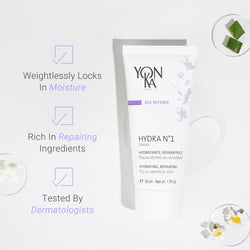
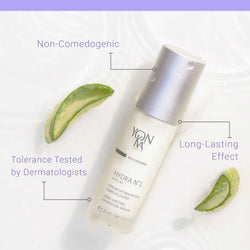
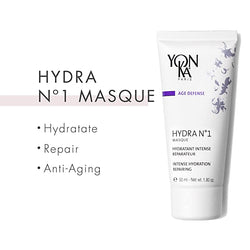
For those struggling with dehydration-induced lines, a moisture-rich solution like Hydra n°1 Crème or Hydra N°1 Masque can provide the intense hydration needed to "plump" the appearance of the skin and smooth out those temporary creases.
The Impact of Digital Eye Strain and Squinting
In our modern world, we spend hours every day looking at smartphones, tablets, and computer screens. This has led to a phenomenon known as digital eye strain. When we focus on a screen, we often squint unconsciously to adjust to the brightness or the small text.
Repeated facial expressions are a leading cause of dynamic wrinkles. These are lines that appear when the muscle contracts—such as when you smile or squint—but eventually, they can become static wrinkles that remain visible even when your face is at rest.
Every time you squint, the orbicularis oculi muscle (the circular muscle around the eye) contracts, folding the skin. When you are young, your skin's collagen and elastin allow it to "snap back." However, if you are squinting for eight hours a day at a desk, you are putting incredible mechanical stress on that 0.5mm of skin.
Key Takeaway: Reducing screen time, using "blue light" filters, and ensuring your vision prescription is up to date can significantly reduce the amount of squinting you do daily, preserving the smoothness of your eye area.
Sun Damage and Photoaging
While you might not see the full effects of sun damage until your 40s, the process of photoaging begins with your very first exposure to UV rays. Ultraviolet radiation (UVA and UVB) is responsible for up to 80% of visible skin changes.
UVA rays, in particular, are "aging" rays. They penetrate deep into the dermis and break down collagen and elastin, the two proteins responsible for skin's structure and elasticity. Because the skin under the eyes is so thin, it has less natural protection against these rays.
Even if you wear sunscreen on your face, many people skip the eye area because they fear irritation. This leaves the most vulnerable part of the face exposed. Over time, this cumulative damage causes the skin to lose its structural integrity, leading to fine lines and a loss of firmness.
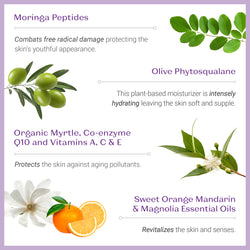
At Yon-Ka, we recommend a "prevent and protect" approach. Our Vital Defense cream is specifically designed to act as an environmental shield, using organic myrtle and moringa peptides to protect the appearance of the skin from both pollution and oxidative stress caused by UV exposure.
Genetics and Dennie-Morgan Folds
Sometimes, the lines people notice at a young age aren't wrinkles or dehydration—they are simply a part of their unique anatomy. Some individuals are born with Dennie-Morgan folds. These are small, natural creases that sit just below the lower eyelid.
Dennie-Morgan folds are often more prominent in people who have a history of:
- Atopic Dermatitis (Eczema): Chronic skin sensitivity can cause the skin to thicken and crease.
- Allergies and Hay Fever: Frequent inflammation and rubbing of the eyes can deepen these natural folds.
If you have had these lines since childhood, they are genetic and not a sign of premature aging. In these cases, the goal of skincare is not to "remove" the lines, but to keep the skin healthy, hydrated, and calm to prevent them from becoming more pronounced due to irritation.
Lifestyle Factors: Sleep and Nutrition
Your skin is a reflection of your internal health, and the eye area is the most honest communicator of your lifestyle.
The Importance of Beauty Sleep
During sleep, your body enters a repair mode. This is when cellular turnover is highest and when the skin produces new collagen. Lack of sleep leads to an increase in the hormone cortisol, which can actually break down collagen. Furthermore, poor sleep causes blood vessels to dilate, leading to puffiness and dark circles. This puffiness stretches the skin, and when the swelling goes down, it can leave behind fine lines.
Nutrition and Glycation
A diet high in refined sugars can lead to a process called glycation. This occurs when sugar molecules attach to collagen fibers, causing them to become stiff and brittle (Advanced Glycation End-products, or AGEs). This makes the skin less able to resist the mechanical stress of facial expressions, leading to earlier wrinkling.
Smoking and Vaping
Smoking and vaping are among the most significant accelerators of skin aging. Nicotine constricts blood vessels, reducing the flow of oxygen and nutrients to the skin. The chemicals in tobacco smoke also directly damage collagen and elastin. Furthermore, the repetitive motion of squinting to keep smoke out of the eyes and pursing the lips creates a double-hit of mechanical and chemical damage.
The Yon-Ka Phyto-Aromatic Approach to Eye Care
Our philosophy at Yon-Ka is rooted in phyto-aromatic excellence. We believe that the best way to address the concerns of the delicate eye area is through a combination of pharmaceutical rigor and the life-giving power of plants.
The cornerstone of our brand is the Quintessence. This exclusive complex of five essential oils—lavender, geranium, rosemary, cypress, and thyme—provides a foundational balance for the skin.
- Lavender (Lavandula angustifolia) offers soothing and regenerating properties.
- Rosemary (Rosmarinus officinalis) is known for its firming and revitalizing effects.
- Geranium (Pelargonium graveolens) provides anti-inflammatory and balancing benefits.
- Cypress (Cupressus sempervirens) helps with circulation and tone.
- Thyme (Thymus vulgaris) offers powerful purifying and antiseptic qualities.
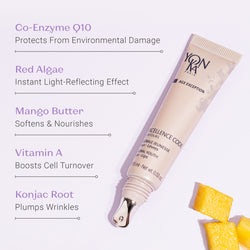
For those noticing early lines, puffiness, or fatigue around the eyes, we often recommend Phyto-Contour. This iconic eye cream leverages the stimulating power of rosemary to visibly "wake up" the eye area. It helps to drain fluid (reducing the puffiness that stretches the skin) and firms the appearance of the periorbital area, making it a favorite for both young professionals and skincare enthusiasts alike.
Building Your Preventative Eye Ritual
Addressing lines at a young age requires a consistent ritual rather than a "quick fix." We suggest an integrated approach that respects the skin's barrier.
Step 1: Gentle Cleansing
Avoid tugging at the eyes. Use a gentle cleansing milk like Lait Nettoyant. Apply it with your fingertips and massage in circular motions to dissolve makeup and pollution without stripping the skin. Rinse with lukewarm water—never hot, as heat can increase inflammation and dehydration.
Step 2: The Phyto-Aromatic Mist
After cleansing, drench your skin in Lotion Yon-Ka PS. This mist is more than a toner; it is a "healing water" that optimizes the effectiveness of every product that follows. It provides immediate hydration to the surface layers of the skin, helping to smooth dehydration lines instantly.
Step 3: Target and Treat
Apply your eye-specific treatment. For young skin, Phyto-Contour is excellent for morning use to address puffiness and fatigue. In the evening, you might choose an antioxidant-rich serum like Serum C20. This serum contains 20% stable Vitamin C, which helps to brighten the appearance of the eye area and neutralize the free radicals that cause collagen breakdown.
Step 4: Protect
Never leave the house without protection. In addition to a broad-spectrum SPF, consider wearing sunglasses that offer 100% UV protection. This not only protects the skin from rays but also physically prevents the squinting that creates expression lines.
Note: When introducing a new phyto-aromatic product, we always recommend a patch test on the inner forearm for 24 hours. Introduce one new formula at a time to ensure your skin responds beautifully to the active botanicals.
Professional Treatments and Next Steps
While a home ritual is the foundation of skin health, professional expertise can elevate your results. Spa Treatments bring targeted massage techniques and concentrated formulas into a more elevated setting, helping deeply hydrate and revitalize the eye area.
If you are unsure which products are right for your specific concerns, we invite you to use our Skin Diagnosis quiz or Product Matcher on our website. These tools help narrow down the best botanical solutions for your unique skin type and lifestyle.
| Factor | Effect on Young Skin | Solution |
|---|---|---|
| Dehydration | Fine, crepey lines | Hydra n°1 range & Lotion Yon-Ka |
| Digital Strain | Deepening of expression lines | Frequent screen breaks & Phyto-Contour |
| UV Exposure | Collagen breakdown | Daily SPF & Vital Defense |
| Lack of Sleep | Puffiness and dark circles | Consistent sleep & aromatic eye care |
Conclusion
Understanding what causes wrinkles under eyes at a young age empowers you to make better choices for your skin's future. For most young people, these lines are a call for better hydration, more rest, and more consistent protection against the environment. If you want a deeper dive into hydration, our guide to hydrating dehydrated skin is a helpful next read.
At Yon-Ka Paris, we believe that skincare is more than a routine; it is a moment of wellness and a connection to the power of nature. Rooted in our our story and decades of expertise, we are here to support your skin’s journey with pharmaceutical rigor and botanical soul.
To see how that philosophy is translated into the lab, explore our formulas.
To discover your perfect eye care routine, browse our anti-wrinkle collection.
You can also find a local professional through our Spa Locator.
FAQ
Can dehydration cause permanent wrinkles under the eyes?
While dehydration lines are initially temporary and can be "plumped" back up with proper moisture, chronic dehydration over many years can make the skin more susceptible to permanent damage. Maintaining a consistent hydration ritual with products like Lotion Yon-Ka and Hydra N°1 Crème helps preserve the skin's elasticity and prevents these lines from becoming static.
Is it too early to use eye cream in my 20s?
It is never too early for preventative care, but the type of eye cream matters. In your 20s, focus on hydration and protection rather than heavy "anti-aging" actives designed for mature skin. A lightweight, revitalizing formula like the Eye & Lip Contours collection is perfect for addressing the lifestyle-related concerns of younger skin, such as puffiness from late nights or screen time.
How can I tell if my under-eye lines are from aging or dehydration?
A simple way to tell is to check the lines throughout the day. Dehydration lines are often more visible in the morning or when you feel thirsty, and they may seem to "disappear" or soften significantly after you apply a hydrating mask or drink plenty of water. True aging wrinkles remain constant in depth regardless of your hydration levels. If you want help choosing the right routine, try our Product Matcher.
Does rubbing my eyes cause wrinkles?
Yes, frequent rubbing of the eyes can contribute to the appearance of lines over time. Because the skin is so thin (0.5mm), the mechanical friction of rubbing can break tiny blood vessels and stretch the delicate tissue. If you find yourself rubbing your eyes due to allergies or strain, treating the underlying cause and using a soothing botanical eye cream can help protect the skin. For a closer look at the botanicals behind that kind of care, explore our ingredients.