Table of Contents
- Introduction
- The Professional Terminology: Crow’s Feet and Beyond
- Dynamic vs. Static Wrinkles: The Evolution of a Line
- The Anatomy of the Eye: Why It Ages First
- The Phyto-Aromatic Approach to Eye Care
- The Yon-Ka Ritual for Youthful Eyes
- Lifestyle Factors: Supporting the Eye Area from Within
- Addressing Mature Concerns: Advanced Age Correction
- Conclusion
- FAQ
Introduction
There is a certain soft, morning light that catches the face just right as you lean toward the vanity mirror. In that quiet moment of self-reflection, you may notice delicate lines beginning to fan out from the corners of your eyes—a roadmap of every genuine laugh and sun-drenched afternoon. While these marks are a natural testament to a life well-lived, understanding the professional terminology and the science behind them is the first step in a mindful aging journey. You might find yourself wondering exactly what are wrinkles around the eyes called in the world of professional skincare.
At Yon-Ka Paris, we view these lines not as flaws to be erased, but as a specific skin concern that deserves targeted, phyto-aromatic care. In this guide, we will define the common names for eye-area wrinkles, explore why this delicate skin requires unique attention, and share how our brand story can help you understand the heritage behind our approach.
Quick Answer: Wrinkles around the eyes are most commonly called crow’s feet or lateral canthal lines. Lines located specifically beneath the lower eyelid are known as under-eye wrinkles or periorbital lines. These are further categorized as dynamic (visible during expression) or static (visible at rest).
The Professional Terminology: Crow’s Feet and Beyond
When we discuss the appearance of aging around the eyes, the term used most frequently in casual conversation is crow's feet. This evocative name comes from the way the fine lines mimic the three-pronged footprint of a bird, fanning out from the outer corner of the eye. However, if you were to visit a dermatologist or a high-end spa, you would likely hear them referred to by their clinical name: lateral canthal lines.
These lines are a subset of periorbital wrinkles, a broad category that encompasses all creases surrounding the eye socket. While crow's feet are the most famous, the eye area often displays other types of texture:
- Under-Eye Wrinkles: These are the horizontal lines or "crepe-like" textures that form directly below the lower lash line. They are often the result of volume loss and the thinning of the dermis.
- Tear Trough Lines: These are the creases that run from the inner corner of the eye down toward the cheek, often associated with the appearance of dark circles or hollows.
- Hooding or Eyelid Creases: These occur on the upper lid, where the skin may begin to lose its firmness and fold over the natural crease of the eye.
Understanding these distinctions helps you select the right botanical solutions. For example, a product designed to address the "tired" look of under-eye hollows, like our Phyto-Contour, utilizes rosemary to visibly firm and brighten, whereas a product for deep creases may require the more intensive peptide support found in our Age Exception collection.
Dynamic vs. Static Wrinkles: The Evolution of a Line
To effectively manage the appearance of eye wrinkles, it is essential to distinguish between dynamic and static lines. This classification tells us a great deal about the current state of the skin’s elasticity and how it is responding to the environment.
Dynamic Wrinkles: The Lines of Expression
Dynamic wrinkles are those that appear only when your face is in motion. When you laugh, squint in the bright California sun, or concentrate deeply, the orbicularis oculi muscle (the circular muscle surrounding the eye) contracts, folding the skin. In youthful skin, high levels of collagen and elastin allow the skin to "snap back" perfectly once the expression fades. These are often called laugh lines or character lines, and they are a beautiful part of human expression.
Static Wrinkles: The Lines of Maturation
Static wrinkles are those that remain visible even when your facial muscles are completely relaxed. Over time, the repeated mechanical stress of expression, combined with the natural decline of structural proteins, causes the skin to lose its "memory." The folds that were once temporary become etched into the surface.
The transition from dynamic to static is a gradual process influenced by genetics, UV exposure, and skincare habits. At Yon-Ka, our goal is to support the skin's resilience so that dynamic expressions don't prematurely settle into static lines. Using a targeted treatment like Alpha-Contour—which features fruit acids to gently resurface the skin—can help maintain a smoother appearance by encouraging cell renewal.
Key Takeaway: Dynamic wrinkles appear only during facial expressions, while static wrinkles are visible at rest. Early intervention with phyto-aromatic treatments can help support the skin's natural ability to bounce back, delaying the transition from dynamic to static lines.
The Anatomy of the Eye: Why It Ages First
It is no coincidence that the eye area is often where the first signs of maturity appear. The skin here is biologically unique compared to the rest of the face, making it significantly more vulnerable to both internal and external stressors.
1. Exceptional Thinness The skin around the eyes is approximately 40% thinner than the skin on the rest of the face. Because it lacks the depth of the dermis found on the cheeks or forehead, there is less "cushioning" to hide the breakdown of collagen and elastin. This thinness also makes the underlying blood vessels more visible, contributing to the appearance of dark circles.
2. Fewer Oil Glands The eye contour has very few sebaceous (oil) glands. This area produces less sebum, the natural oil that helps maintain the skin’s protective barrier and keeps it lubricated. This lack of natural moisture means the eye area is prone to dehydration, which can make fine lines appear much deeper and more pronounced than they actually are.
3. Constant Movement The muscles around the eyes are among the most active in the body. We blink approximately 10,000 to 20,000 times a day, and that doesn't include the constant micro-movements of smiling, squinting, or reacting to light. This relentless mechanical stress eventually takes a toll on the skin's structural integrity.
4. Environmental Vulnerability Because the skin is so thin, it is more easily damaged by UVA and UVB rays, as well as environmental pollutants. These factors create free radicals—unstable molecules that attack healthy collagen fibers. Without a "shield" of antioxidants, the eye area can undergo photoaging (sun-induced aging) much faster than the rest of the body.
The Phyto-Aromatic Approach to Eye Care
At Yon-Ka, we believe in the power of Aromatherapy and Phytotherapy to address these concerns with both efficacy and sensory pleasure. Our approach is rooted in the Quintessence—our exclusive complex of lavender, geranium, rosemary, cypress, and thyme. This 100% natural and active core provides the foundation for our eye-care formulations, ensuring they are as potent as they are gentle.
When selecting products for wrinkles around the eyes, we look to the wisdom of nature:
- Rosemary for Firming: In our iconic eye and lip care range, rosemary essential oil is used for its remarkable ability to support microcirculation. This helps to firm the appearance of the eye contour and reduce the look of morning puffiness and "heavy" lids.
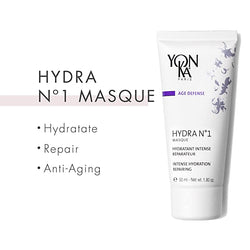
- Hyaluronic Acid for Hydration: For the fine lines caused by dehydration, our dry & dehydrated skin collection centers on moisture-focused care that helps plump the appearance of fine lines from within.
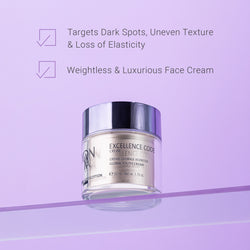
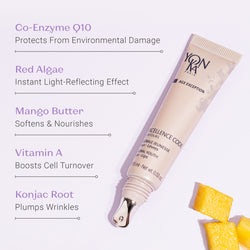
- Peptides for Structure: In our more advanced age-correction ranges, such as Excellence Code Contours, we use targeted ingredients to help support the appearance of skin density and smooth the look of deeper static wrinkles.
- Vitamin C for Radiance: To combat the oxidative stress of city living, Serum C20 can be used on the face (avoiding the immediate eye lid) to provide an antioxidant shield that supports the skin's overall collagen health.
Myth: "Eye cream is just a more expensive version of face cream in a smaller jar." Fact: Eye creams are specifically formulated with a lower concentration of certain actives to prevent irritation of the delicate ocular tissue, while containing higher concentrations of specialized ingredients to address unique eye-area concerns like puffiness and extreme thinness.
The Yon-Ka Ritual for Youthful Eyes
Effective skincare is never about a single "hero" product; it is about the ritual. A consistent, layered approach ensures that the delicate eye area is protected, nourished, and rejuvenated daily.
Step 1: Respectful Cleansing
Always begin with a gentle, barrier-respecting cleanser. Lait Nettoyant is a creamy cleansing milk that removes makeup and impurities without stripping the skin’s meager oil supply. When removing eye makeup, never rub or pull the skin; instead, soak a cotton pad and let it rest on the eye for a few seconds to dissolve the product.
Step 2: The Phyto-Aromatic Mist
Prepare the skin with our toners and mists. This alcohol-free mist is a cornerstone of our ritual, hydrating the skin and acting as a "carrier" that helps subsequent products absorb more effectively. Close your eyes and mist the face, then gently press the moisture into the skin.
Step 3: Targeted Treatment
Apply your eye treatment with a "light touch" technique. Use your ring finger—it is naturally the weakest finger—and dab a pea-sized amount of product like our eye and lip care range along the orbital bone.
Note: To ensure safety and comfort, always perform a patch test on your inner forearm for 24 hours when introducing a new phyto-aromatic product. A slight, brief tingling sensation can be normal due to the active essential oils, but if redness or irritation persists, reduce frequency or discontinue use.
Step 4: Moisture and Protection
Seal in the treatment with your appropriate day or night cream. During the day, never skip sun care collection. Since you should avoid getting high-SPF chemical sunscreens directly into the eyes, we recommend wearing high-quality polarized sunglasses that block 100% of UV rays. This protects the thin skin and, crucially, prevents the squinting that leads to dynamic wrinkles.
Lifestyle Factors: Supporting the Eye Area from Within
Skincare is most effective when paired with lifestyle choices that support the body's natural repair mechanisms. The eye area, in particular, is a "barometer" for your overall health.
- Prioritize Restorative Sleep: During deep sleep, the body increases production of growth hormones, which are essential for collagen repair. A lack of sleep raises cortisol, a stress hormone that can actually break down collagen.
- Hydrate and Nourish: Drinking ample water keeps the skin cells plump. A diet rich in antioxidants (found in berries and leafy greens) and omega fatty acids (found in walnuts and flaxseeds) helps maintain the lipid barrier of the eye area.
- Manage Digital Strain: We live in an era of constant "screen time." Staring at devices causes us to blink less and squint more, leading to eye fatigue and dynamic lines. Practice the 20-20-20 rule: every 20 minutes, look at something 20 feet away for 20 seconds.
- The Power of Professional Care: While home care is vital, the "professional spa expertise" found at a Yon-Ka partner spa can provide deeper results. Treatments like our Eclat Cocoon or specialized eye contours involve professional-grade massage techniques that drain puffiness and stimulate the skin in ways that are difficult to replicate at home. You can find a local professional using our Spa Locator.
Addressing Mature Concerns: Advanced Age Correction
As we move into our 40s, 50s, and beyond, the needs of the eye area shift from prevention to correction. For static wrinkles that have become more deeply etched, we look toward the Age Exception collection.
Skin Diagnosis quiz helps you determine where your skin is today.
Or use the Product Matcher on our website. These tools are designed to help you build a personalized ritual that respects your skin's unique journey.
Conclusion
Understanding what are wrinkles around the eyes called is the first step in demystifying the aging process. Whether you are noticing your first crow’s feet or are looking to address deeper under-eye wrinkles, the solution lies in a consistent, botanical-based ritual that respects the unique anatomy of the eye.
At Yon-Ka Paris, we remain dedicated to the belief that skincare is a ritual worth savoring. Rooted in our 70-year history of French phyto-aromatic expertise, our formulas are designed to bring the luxury of the spa into your daily life, helping you age with grace and radiance.
- Identify whether your lines are dynamic or static to choose the right intensity of care.
- Protect the delicate 40% thinner skin with antioxidants and UV-blocking sunglasses.
- Adopt the Yon-Ka ritual—Cleanse, Mist, Treat, and Moisturize—for optimal resilience.
- Support your skincare with deep sleep, hydration, and professional spa treatments.
"True beauty is the harmony between the science of nature and the art of the ritual. By honoring the skin around our eyes, we honor the expressions of joy that make us who we are."
To find the perfect targeted treatment for your eyes, explore our Contours collection and discover how the power of plants can transform your morning mirror moment into one of confidence and light.
FAQ
What are the main causes of crow's feet?
Crow’s feet are primarily caused by repetitive muscle movements from expressions like smiling and squinting, combined with the natural loss of collagen and elastin as we age. External factors such as UV exposure and pollution also play a significant role by breaking down the skin's structural proteins.
Can eye creams actually get rid of wrinkles?
While cosmetic eye creams cannot permanently "eliminate" deep static wrinkles, they can significantly improve their appearance. By deeply hydrating the skin, supporting collagen health, and using light-reflecting botanical ingredients, eye creams like our anti-fatigue eye cream can help the skin look smoother, firmer, and more rejuvenated.
What is the difference between crow's feet and under-eye wrinkles?
Crow’s feet are the lines that radiate outward from the outer corners of the eyes, usually caused by expression. Under-eye wrinkles are the fine lines or creases found directly beneath the lower eyelid, often caused by the thinning of the skin, dehydration, and a loss of underlying volume.
At what age should I start using an eye cream?
We generally recommend introducing a preventative eye cream in your mid-20s. This is when the body's natural production of collagen begins to slow. Starting early with a hydrating and protective product like our anti-fatigue eye cream can help support the skin’s resilience and delay the transition of dynamic lines into static wrinkles.