Table of Contents
- Introduction
- Understanding the Delicate Nature of the Eye Contour
- What Causes Under-Eye Bags and Puffiness?
- Why Eye Wrinkles Form
- The Phyto-Aromatic Approach to Eye Care
- Targeted Solutions for Reducing Under-Eye Bags
- Smoothing Fine Lines and Wrinkles
- Building Your Yon-Ka Eye Ritual
- Dietary and Habits for Long-Term Eye Health
- Professional Treatments for the Eye Area
- Ingredients to Look for (and Avoid)
- The Importance of Consistency
- Comparison: Eye Cream vs. Eye Gel
- Conclusion
- FAQ
Introduction
Waking up to a rested, vibrant reflection is a universal desire, yet the delicate skin surrounding our eyes often tells a different story. Whether it is the appearance of fine lines etched by years of laughter or the persistent puffiness that follows a restless night, the eye area is frequently the first to show signs of fatigue and environmental stress. At Yon-Ka Paris, we believe that caring for this sensitive zone requires a blend of gentle botanical science and consistent, mindful rituals. Understanding how to reduce wrinkles and bags under eyes involves more than just a quick fix; it is about supporting the skin’s natural resilience with high-quality phyto-aromatic care. This article covers the primary causes of eye-area concerns and provides actionable steps to restore a youthful, refreshed appearance. By adopting a targeted approach, you can effectively soften the look of wrinkles and minimize the appearance of under-eye bags.
Quick Answer: To reduce the appearance of wrinkles and bags under eyes, prioritize hydration with hyaluronic acid, use caffeine or rosemary-infused creams to de-puff, and protect the skin with daily SPF. Consistent lifestyle habits, such as elevating your head during sleep and reducing salt intake, further support a smoother, firmer eye contour.
Understanding the Delicate Nature of the Eye Contour
The skin around our eyes is remarkably unique compared to the rest of the face. It is significantly thinner—roughly three to five times thinner, in fact—and possesses very few sebaceous (oil) glands. This lack of natural lubrication makes the area highly susceptible to dryness and environmental damage. Furthermore, the eye area is in constant motion. Every blink, squint, and smile involves the intricate muscles surrounding the eye, leading to the eventual development of dynamic wrinkles.
Because there is less "padding" in the form of subcutaneous fat and collagen, the blood vessels beneath the skin can become more visible, contributing to the look of dark circles. When fluid accumulates in this thin tissue, it manifests as puffiness or "bags." Recognizing these structural vulnerabilities is the first step in choosing the right products. A standard face cream is often too heavy or contains fragrances that may irritate this zone, which is why a dedicated eye treatment is a cornerstone of any effective ritual. If you are building a more focused routine, start with our Eye & Lip Contours collection.
What Causes Under-Eye Bags and Puffiness?
Under-eye bags are often characterized by swelling or puffiness that creates a "heavy" look. While aging is a significant factor, several lifestyle and biological elements contribute to this concern.
Fluid Retention and Diet
One of the most common temporary causes of puffiness is fluid retention, often triggered by a diet high in sodium. Salt encourages the body to hold onto water, and because the skin under the eyes is so thin, the accumulation becomes immediately apparent. Alcohol consumption can also play a role, as it dehydrates the body, causing the skin to appear dull and the eyes to look sunken or puffy the following morning.
The Role of Genetics
For some, under-eye bags are simply a family trait. Genetics determine the structure of the fat pads around the eyes. As we age, the tissues and muscles that support the eyelids weaken. The fat that helps support the eyes can then move into the lower eyelids, causing them to appear puffy. If your parents or grandparents had prominent under-eye bags, you may be more predisposed to them regardless of your sleep habits.
Sleep and Physical Positioning
Lack of sleep can cause the skin to become pale, allowing the dark tissues and blood vessels beneath the surface to show through. Additionally, how you sleep matters. If you sleep flat on your back or on your stomach, fluid can pool in the lower eyelids due to gravity.
Allergies and Inflammation
Allergic reactions trigger the release of histamines, which can cause blood vessels to swell and leak fluid. This often results in "allergic shiners"—dark, puffy circles that accompany hay fever or sensitivities to dust and dander. Frequent rubbing of itchy eyes only exacerbates the irritation and can lead to broken capillaries.
Why Eye Wrinkles Form
Wrinkles around the eyes, often called "crow's feet" or "laugh lines," are a natural part of the aging process, but their prominence is influenced by several factors.
Depletion of Collagen and Elastin
Collagen is the protein responsible for skin’s structure and firmness, while elastin allows it to snap back into place. Starting in our mid-twenties, the body’s natural production of these proteins begins to slow down. In the eye area, where the skin is already thin, this loss of support leads to sagging and the formation of permanent lines.
UV Exposure and Photoaging
Sun damage is the leading external cause of premature aging. UV rays break down collagen fibers at an accelerated rate. Because many people neglect to apply sunscreen right up to the orbital bone or fail to wear sunglasses, the eye area often bears the brunt of sun-induced wrinkling.
Repetitive Facial Expressions
Our eyes are central to how we communicate. Over time, the repeated folding of the skin through squinting, smiling, and frowning creates grooves that eventually remain visible even when the face is at rest. These are known as static wrinkles, and they become deeper as the skin loses its elasticity.
The Phyto-Aromatic Approach to Eye Care
Our philosophy at Yon-Ka is rooted in the synergy of plants and science. We utilize the power of aromatherapy and phytotherapy to address skin concerns without harshness. For the eye area, we rely on specific botanical actives that offer visible results while respecting the skin’s fragility.
Our signature Quintessence—a blend of lavender, geranium, rosemary, cypress, and thyme essential oils—provides a foundation of revitalization. When applied to eye care, we integrate ingredients like rosemary for its draining properties, beech bud peptides for smoothing the appearance of lines, and hyaluronic acid for intense hydration. This holistic approach ensures that the skin is not just "fixed" on the surface but supported through every layer of the ritual. To learn more about the philosophy behind these formulas, explore our ingredients.
Key Takeaway: Effective eye care requires a dual approach: stimulating drainage to reduce puffiness and replenishing hydration and proteins to smooth wrinkles. Botanical ingredients like rosemary and beech buds provide a gentle yet potent way to achieve this balance.
Targeted Solutions for Reducing Under-Eye Bags
To address the look of puffiness, you need ingredients that encourage microcirculation and the drainage of excess fluid.
The Power of Rosemary
Rosemary is a powerhouse ingredient in our professional treatments. It has a natural ability to stimulate and firm the appearance of the skin. Our Phyto-Contour eye cream is specifically designed to combat puffiness and dark circles. It utilizes a high concentration of rosemary to produce a "thermal" effect that helps drain the eye area, leaving the eyes looking bright and rested.
Application Techniques for Drainage
How you apply your product is just as important as the formula itself. To encourage fluid movement:
- Use your ring finger: This finger has the lightest touch, preventing unnecessary pulling.
- Dot and press: Apply small dots of cream along the orbital bone.
- Sweep outward: Gently sweep from the inner corner of the eye toward the temples. This follows the natural path of lymphatic drainage.
- The "Cooling" Trick: For an extra boost, keep your eye cream in the refrigerator. The cold temperature helps constrict blood vessels, providing an immediate soothing effect on puffy skin.
Lifestyle Adjustments for Puffiness
- Elevate your head: Use an extra pillow at night to prevent fluid from settling in the face.
- Hydrate throughout the day: Paradoxically, drinking more water helps your body release the fluid it is holding onto.
- Cold Compresses: In a pinch, a chilled spoon or a cool washcloth applied for five minutes can significantly reduce the appearance of morning swelling.
Smoothing Fine Lines and Wrinkles
Reducing the appearance of wrinkles requires a focus on hydration and "plumping" the skin from within.
Hyaluronic Acid: The Moisture Magnet
Hyaluronic acid is a molecule that can hold up to 1,000 times its weight in water. Because the eye area dries out so easily, using a product like a hydrating eye contour treatment can provide a much-needed reservoir of moisture. This helps to immediately "fill in" the look of fine dehydration lines, making the skin appear smoother and more supple. If dryness is your main concern, see our Dry & Dehydrated Skin collection.
Fruit Acids and Peptides
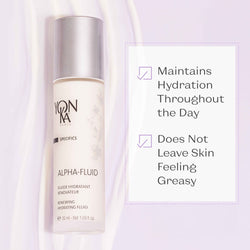
For deeper wrinkles, ingredients that encourage cell renewal are essential. Alpha-hydroxy acids (AHAs) from fruit extracts can gently exfoliate the surface, while peptides act as the building blocks for skin proteins. Alpha-Contour is a non-greasy gel that uses fruit acids to subtly refine the skin's texture and soften the look of lines.
Protecting with Antioxidants
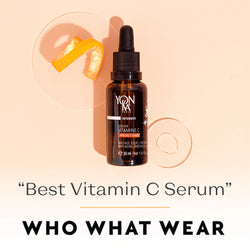
Vitamin C and Vitamin E are vital for neutralizing free radicals caused by pollution and UV light. Our Serum C20 can be used on the face to brighten the overall complexion, and when paired with a protective eye cream like Vital Defense, it helps shield the delicate eye area from environmental stressors that lead to premature wrinkling.
Building Your Yon-Ka Eye Ritual
A consistent ritual is more effective than any single "miracle" product. We recommend integrating eye care into a broader program that respects the skin’s barrier.
The Morning Routine: De-Puff and Protect
In the morning, the goal is to wake up the eyes and shield them from the day ahead.
- Cleanse: Use a gentle milk like Lait Nettoyant to remove overnight oils without stripping the skin.
- Mist: Apply Lotion Yon-Ka PS to hydrate and prep the skin.
- Treat: Apply Phyto-Contour to address any morning puffiness and dark circles.
- Protect: Follow with a moisturizer and a broad-spectrum sunscreen.
The Evening Routine: Repair and Replenish
Nighttime is when the skin goes into repair mode. This is the best time for richer, more corrective formulas.
- Cleanse: Ensure all eye makeup is thoroughly removed to prevent irritation.
- Tone: Mist with Lotion Yon-Ka PS.
- Treat: Use an eye contour treatment for hydration and age-defying support while you sleep.
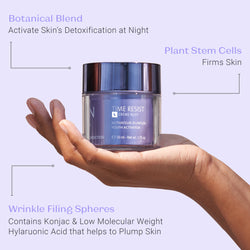
- Moisturize: Apply your night cream, such as Time Resist Nuit, to the rest of the face.
Note: When introducing a new active eye product, we recommend a patch test on the inner forearm for 24 hours. A slight, brief tingling sensation can be normal due to the activity of essential oils, but if you experience persistent redness or irritation, reduce the frequency of use or discontinue.
Dietary and Habits for Long-Term Eye Health
What you put into your body is just as important as what you put on your skin. A holistic approach to eye health involves supporting the skin’s structure through nutrition.
Foods for Collagen Support
Vitamin C is a co-factor for collagen synthesis. Incorporating citrus fruits, bell peppers, and leafy greens into your diet can help provide the raw materials your skin needs to maintain its firmness. Omega-3 fatty acids, found in walnuts, flaxseeds, and fatty fish, help maintain the skin's lipid barrier, keeping the eye area hydrated from the inside out.
The Impact of Sugar
High sugar intake leads to a process called glycation, where sugar molecules attach to collagen fibers, causing them to become stiff and brittle. This accelerates the appearance of wrinkles and sagging. Reducing refined sugars can help preserve the elasticity of the eye contour.
Sun Protection and Eyewear
Wearing UV-protective sunglasses is one of the most effective ways to prevent wrinkles. Sunglasses not only block harmful rays but also prevent the repetitive squinting that leads to crow's feet. Pair your glasses with a wide-brimmed hat for maximum protection during peak sun hours.
Professional Treatments for the Eye Area
Sometimes, home care benefits from a professional "boost." At Yon-Ka, our professional spa treatments are designed to provide deeper results through specialized massage techniques and high-concentration professional-only formulas.
A professional esthetician can perform targeted lymphatic drainage massage to clear persistent bags or use professional-grade exfoliants to smooth deep-set wrinkles. If you want a customized plan, our Skin Diagnosis quiz and Product Matcher can help guide your routine. Treatments like our Spa Treatments focus specifically on the eye area to relax features and smooth the appearance of lines. You can also find a certified partner near you using our Spa Locator to experience the full potential of phyto-aromatic eye care.
Myth: "I only need eye cream once I see wrinkles." Fact: Prevention is the most effective strategy. Starting a gentle eye ritual in your 20s helps maintain the skin’s moisture levels and delays the onset of visible aging.
Ingredients to Look for (and Avoid)
When shopping for eye care, reading the label is essential. Here is a quick guide to navigating the world of eye-contour ingredients.
What to Look For:
- Hyaluronic Acid: For immediate plumping and hydration.
- Peptides: To support the appearance of firmness.
- Caffeine or Rosemary: To stimulate microcirculation and reduce puffiness.
- Vitamin C: For brightening the look of dark circles and providing antioxidant protection.
- Ceramides: To help strengthen the thin skin barrier.
What to Avoid:
- Heavy Synthetic Fragrances: These are a leading cause of contact dermatitis in the eye area.
- Harsh Sulfates: Can strip the thin skin of its necessary oils.
- High Concentrations of Drying Alcohols: Can lead to "crepy" skin texture through dehydration.
- Known Endocrine Disruptors: Our strict formulation charter at Yon-Ka excludes parabens, phthalates, and other controversial chemicals to ensure the highest safety standards.
The Importance of Consistency
Skincare is a marathon, not a sprint. While some products like Phyto-Contour offer a visible "lifting" and de-puffing effect shortly after application, the long-term reduction of wrinkles requires daily commitment. It takes approximately 28 to 40 days for skin cells to turnover. Therefore, you should evaluate the efficacy of a new eye ritual after at least one full month of consistent use.
If your eye concerns are sudden, persistent, or accompanied by pain and vision changes, it is important to consult a physician or dermatologist. These could be signs of underlying medical issues like thyroid dysfunction or severe allergies that require medical intervention beyond cosmetic care.
Comparison: Eye Cream vs. Eye Gel
Choosing between a cream and a gel depends on your primary concern and your skin type.
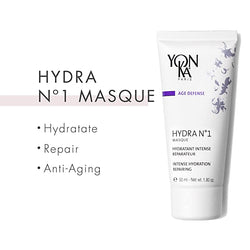
| Feature | Eye Gel (e.g., Alpha-Contour) | Eye Cream (e.g., Hydra n°1-style hydration) |
|---|---|---|
| Texture | Lightweight, cooling, non-greasy | Rich, emollient, nourishing |
| Primary Goal | De-puffing and smoothing texture | Intense hydration and repair |
| Best For | Morning use, oily skin, or "tired" eyes | Night use, dry skin, or mature eyes |
| Makeup Wear | Excellent under concealer | Best allowed to sink in before makeup |
Conclusion
Mastering how to reduce wrinkles and bags under eyes is an act of patience and specialized care. By understanding the unique biology of the eye contour and addressing it with targeted botanical actives, you can significantly improve the appearance of this delicate area. Whether you are seeking the de-puffing power of rosemary or the hydrating embrace of hyaluronic acid, the key lies in a consistent, layered ritual.
At Yon-Ka Paris, we invite you to view your eye care not as a chore, but as a moment of daily restoration. If you are unsure which products are right for your specific concerns, we recommend taking our Skin Diagnosis quiz or using the Product Matcher on our website. For over 70 years, our family-founded house has remained dedicated to the belief that the most effective skincare is one that honors the harmony between nature and the skin. By choosing professional-grade, phyto-aromatic care, you are giving your eyes the expert attention they deserve for a lifetime of radiance. To learn more about the brand behind the formulas, visit our story.
Bottom line: A combination of targeted botanical products, sun protection, and healthy lifestyle habits is the most effective way to maintain a smooth, youthful-looking eye area.
FAQ
Can I use my regular face moisturizer around my eyes?
While some basic moisturizers are safe, many contain fragrances or active ingredients like high-strength retinoids and acids that are too harsh for the thin skin of the eye contour. Using a dedicated eye cream ensures the formula is ophthalmologically tested and specifically balanced for the sensitivity of the area. If you want a better fit, start with the Eye & Lip Contours collection.
How long does it take to see results from an eye cream?
For puffiness caused by fluid retention, you may see a visible difference within minutes of applying a stimulating product like Phyto-Contour. However, for fine lines and wrinkles, it typically takes 4 to 6 weeks of consistent daily use to see a noticeable improvement in skin texture and firmness. For deeper support, look to the Anti-Aging collection.
Does drinking water really help with under-eye bags?
Yes, staying hydrated is crucial for reducing puffiness. When the body is dehydrated, it enters "survival mode" and retains water in tissues, often manifesting as swelling under the eyes; drinking enough water helps the body flush out excess sodium and fluid. You can also keep your routine simple with products from the Cleanser collection and a hydrating mist.
What is the best age to start using eye-contour products?
It is never too early to start hydrating the eye area. We generally recommend introducing a preventative, hydrating eye treatment in your early 20s to maintain elasticity and delay the appearance of the first fine lines caused by dehydration and expression. If you are still deciding, the Skin Diagnosis quiz can help point you in the right direction.