Table of Contents
- Introduction
- The Science of the Skin Barrier
- Distinguishing Between Dry and Dehydrated Skin
- Common Environmental Triggers
- Lifestyle Factors and Aging
- How Your Skincare Routine Might Be Causing Dryness
- The Yon-Ka Phyto-Aromatic Approach to Dryness
- A Ritual to Restore Moisture
- Practical Tips for Preventing Dryness
- When to Seek Professional Expertise
- Summary of Ingredients for Dry Skin
- Conclusion
- FAQ
Introduction
Waking up to a complexion that feels taut, rough, or uncomfortably parched can disrupt your morning sense of calm. Whether you are noticing fine, crepey lines that weren't there yesterday or dealing with stubborn flaky patches that make makeup application a struggle, the question of why is the skin on my face so dry is one we hear frequently. This feeling of "tightness" is more than a minor annoyance; it is your skin’s way of signaling that its protective equilibrium has been disrupted.
At Yon-Ka Paris, we believe that understanding the "why" behind your skin's behavior is the first step toward restoring its natural radiance and comfort. Facial dryness can stem from various sources, ranging from the air around you to the specific ingredients in your evening ritual. In this article, we will explore the biological and environmental triggers of dryness, how to identify the difference between dry and dehydrated skin, and the botanical solutions that can help restore a velvety, supple appearance to your face. By harmonizing professional-grade phytotherapy with a consistent daily ritual, you can transform a parched complexion into one that feels deeply nourished and resilient.
The Science of the Skin Barrier
To understand why your face feels dry, we must first look at the skin’s anatomy. The outermost layer of your skin, known as the stratum corneum, acts as a protective shield or "barrier." This barrier is often compared to a brick-and-mortar structure. The "bricks" are your skin cells (corneocytes), and the "mortar" is a complex matrix of lipids, including ceramides, cholesterol, and fatty acids.
When this lipid matrix is intact, it performs two critical functions: it keeps essential moisture locked inside and prevents external irritants from entering. However, when these lipids are depleted or washed away, the "mortar" begins to crumble. This leads to what professionals call trans-epidermal water loss (TEWL). As moisture evaporates from the deeper layers of the skin into the atmosphere, the surface becomes brittle, resulting in the appearance of flakes, redness, and a rough texture.
Distinguishing Between Dry and Dehydrated Skin
It is a common misconception that "dry" and "dehydrated" are the same thing. In the world of professional skincare, we distinguish between these two based on what the skin is actually missing.
Dry Skin: A Lack of Oil
Dry skin is classified as a skin type. If you have a dry skin type, your sebaceous glands naturally produce less sebum (oil) than normal. Sebum is vital because it lubricates the skin and reinforces the lipid barrier. People with dry skin often have smaller pores and may experience a persistent feeling of tightness throughout the day, regardless of the weather.
Dehydrated Skin: A Lack of Water
Dehydrated skin is a temporary condition that can affect any skin type, including oily and combination skin. It occurs when the skin lacks water content. This can be caused by lifestyle factors, such as not drinking enough water, excessive caffeine intake, or using harsh products that strip the skin’s water-binding capabilities. Dehydrated skin often looks dull, shows fine lines more prominently (sometimes called "dehydration lines"), and may feel oily and dry at the same time.
Key Takeaway: Dry skin needs lipids and oils to rebuild its barrier, while dehydrated skin needs humectants like hyaluronic acid to attract and hold onto water. Understanding which concern you are facing helps you choose the right botanical formulas for your ritual.
Common Environmental Triggers
Our skin is in a constant state of exchange with the environment. Because the face is almost always exposed, it is often the first area to show signs of environmental distress.
Low Humidity and Seasonal Changes
During the winter months, the air outside is cold and holds very little moisture. Indoors, central heating systems further strip the air of humidity. This "dry air" acts like a sponge, literally pulling moisture out of your skin. If you notice your skin becoming more reactive and flaky as the temperature drops, your environment is likely a primary culprit.
Excessive Heat and Hot Water
While a steaming hot shower might feel relaxing after a long day, it is one of the quickest ways to damage your skin barrier. High temperatures melt away the natural oils that keep your skin soft. This is why we always recommend using lukewarm water when cleansing your face. Heat can also cause vasodilation, which may increase redness in sensitive complexions.
Air Conditioning and Forced Air
Much like winter heating, air conditioning in the summer removes moisture from the environment. If you spend your workday in a climate-controlled office, you may find that by 3:00 PM, your skin feels tight and uncomfortable.
Lifestyle Factors and Aging
Sometimes the answer to why is the skin on my face so dry lies within our daily habits or biological changes.
The Natural Aging Process
As we age, our skin’s ability to produce sebum and retain moisture naturally declines. Beginning in our 40s, the activity of the sebaceous glands slows down significantly. Furthermore, the skin's natural production of hyaluronic acid and collagen decreases, leading to a thinner, more fragile barrier. This makes mature skin more prone to chronic dryness and requires richer, more intensive nourishment.
Dietary Habits and Hydration
While topical products are essential, skin health also starts from within. A diet low in essential fatty acids (found in foods like walnuts, flaxseeds, and salmon) can leave the skin barrier weak. Additionally, while "drinking more water" isn't a magical cure for dry skin, chronic dehydration can certainly make the skin appear more sallow and less plump.
Medications and Health Conditions
Certain medications, including those for blood pressure, cholesterol, or acne (like isotretinoin), can have the side effect of drying out the skin. If you have noticed a sudden change in your skin's texture after starting a new medication, it is worth discussing with your physician. Conditions like hypothyroidism or more direct skin concerns like eczema and psoriasis can also cause severe dryness.
Note: If you experience persistent redness, cracking, bleeding, or extreme itching that does not respond to over-the-counter moisturizers, we recommend consulting a dermatologist to rule out underlying medical conditions.
How Your Skincare Routine Might Be Causing Dryness
It is ironic, but sometimes the very products we use to improve our skin end up causing more harm than good.
Harsh Surfactants and "Squeaky Clean" Cleansers
Many traditional cleansers use sulfates (like SLS) to create a rich foam. While these are effective at removing dirt, they are also aggressive enough to strip away the "mortar" of your skin barrier. If your skin feels tight immediately after washing, your cleanser is likely too harsh. A gentle, pH-balanced cleansing milk like Lait Nettoyant is a better alternative, as it cleanses while respecting the skin’s acid mantle.
Over-Exfoliation
In an attempt to get rid of dry flakes, many people reach for gritty scrubs or high-percentage acid peels. While exfoliation is necessary for cellular turnover, doing it too often or too aggressively creates micro-tears in the barrier. This allows moisture to escape even faster, creating a cycle of dryness and irritation.
Alcohol-Based Toners
Traditional "astringents" often contain high concentrations of isopropyl alcohol or denatured alcohol. These ingredients evaporate quickly, taking your skin’s natural moisture with them. Instead, look for phyto-aromatic mists that use essential oils and plant extracts to hydrate and prep the skin.
The Yon-Ka Phyto-Aromatic Approach to Dryness
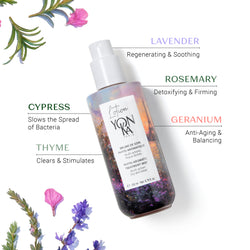
We believe that treating dry skin requires a holistic approach that combines the power of nature with scientific precision. Our cornerstone is the Quintessence, an exclusive complex of five essential oils: lavender, geranium, rosemary, cypress, and thyme. This 100% natural and active core helps to balance the skin and enhance the efficacy of other botanical ingredients.
For dry and dehydrated skin, we prioritize "phyto-hydration"—using plant-based humectants and lipids that the skin recognizes and can easily absorb. Ingredients like hyaluronic acid of different molecular weights, organic shea butter, and essential fatty acids from plant oils (such as grape seed and hazelnut) work in harmony to repair the appearance of the barrier. Learn more about our ingredients and how they shape each formula.
Note: When introducing essential oil-based products into your routine, we recommend performing a patch test on your inner forearm for 24 hours. Introduce one new product at a time to ensure your skin's comfort.
A Ritual to Restore Moisture
Restoring a dry complexion is not about a "quick fix" but about a consistent, layered ritual. Follow these steps to help your skin regain its velvety texture and glow.
Step 1: Gentle Cleansing
Avoid foaming gels and instead opt for a creamy, lipid-rich cleanser. Apply Lait Nettoyant to dry skin, massage gently to dissolve impurities, and rinse with lukewarm water. This ensures you are removing debris without disrupting the protective barrier.
Step 2: Prepare with a Phyto-Aromatic Mist
After cleansing, mist your face with Lotion Yon-Ka PS. This is not just a toner; it is a "healing water" that drenches the skin in hydration. For dry skin, Lotion Yon-Ka PS provides immediate comfort and helps the treatments that follow absorb more effectively.
Step 3: Targeted Serum or Booster
This is the "treat" phase where you deliver concentrated active ingredients. If you want to discover the best match for your routine, try our Product Matcher.
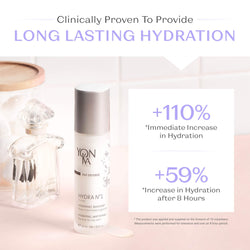
- For Dehydration: Use Hydra N°1 Serum. This formula contains two forms of hyaluronic acid to provide a "long-lasting hydration" effect.
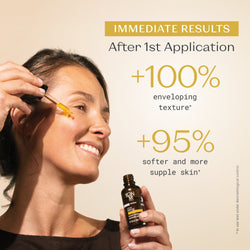
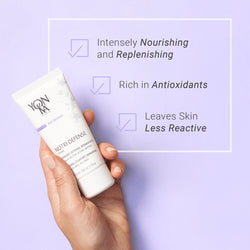
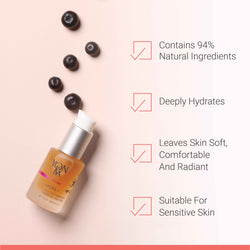
- For Extreme Dryness: Mix a few drops of Nutri + Booster into your moisturizer. This oil-based booster is rich in wheat germ oil and antioxidants to provide deep nourishment.
- For Barrier Repair: Consider Serum Omega, which is packed with essential fatty acids to help reinforce the skin’s natural defenses.
Step 4: Intensive Moisturizing
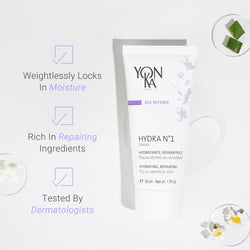
Seal everything in with a cream appropriate for your dryness level. Hydra N°1 Crème is an excellent choice for those needing repair and protection. If you are also concerned with the signs of aging, Time Resist Jour uses plant stem cells and hyaluronic acid to smooth the appearance of wrinkles while providing a moisture cushion.
Step 5: Protect (Daytime Only)
Dry skin is more vulnerable to UV damage, which further dehydrates the skin. Always finish your morning ritual with a broad-spectrum sunscreen.
Step 6: Overnight Recovery
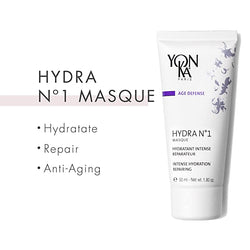
The skin's repair processes are most active while you sleep. Applying a thicker layer of Hydra N°1 Masque once or twice a week before bed can provide an intensive "moisture bath" that leaves your skin looking revitalized by morning. For more guidance on our formula philosophy, visit our formulas.
Practical Tips for Preventing Dryness
Beyond your skincare ritual, these small lifestyle adjustments can make a significant difference in how your skin feels:
- Use a Humidifier: Especially in the bedroom, a humidifier can keep the air at a 40–60% humidity level, preventing the environment from "stealing" moisture from your face overnight.
- Pat, Don't Rub: After washing your face, gently pat your skin with a soft towel. Leaving the skin slightly damp when you apply your Lotion Yon-Ka and serum helps lock in extra water.
- Silk Pillowcases: Silk or satin pillowcases are less absorbent than cotton, meaning they won't soak up your expensive night creams as you sleep.
- Drink Herbal Teas: If plain water is difficult to keep up with, herbal teas are a wonderful way to stay hydrated while enjoying the benefits of botanicals like chamomile or rosehip.
When to Seek Professional Expertise
Sometimes, at-home care needs the support of a professional treatment. Our heritage is deeply rooted in the professional spa environment, where over 7,000 skincare experts worldwide trust our protocols. A professional Yon-Ka facial, such as the "Le Grand Classique" or a dedicated hydration treatment, involves deep cleansing, customized exfoliation, and a relaxing aromatic massage that goes beyond what can be achieved at home. You can also find a Yon-Ka spa near you to explore treatment options in person.
The hands of a trained esthetician can analyze your skin to determine if your dryness is a permanent skin type or a temporary condition. They can then tailor a program to "reset" your barrier.
Summary of Ingredients for Dry Skin
When reading labels, look for these high-trust ingredients that are proven to support the appearance of dry and dehydrated skin:
| Ingredient | Benefit for Dry Skin | Found In |
|---|---|---|
| Hyaluronic Acid | Attracts 1,000x its weight in water to plump the skin. | Hydra n°1 range |
| Shea Butter | A rich emollient that provides a protective film. | Nutri + Booster |
| Glycerin | A humectant that pulls moisture into the top layer. | Lait Nettoyant |
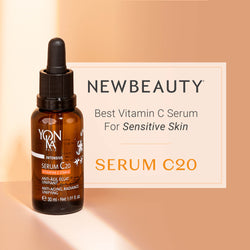
| Vitamin C | Brightens dullness often associated with dryness. | Serum C20 |
| Plant Peptides | Helps support the skin structure in mature skin. | Advanced Optimizer |
Conclusion
Understanding why is the skin on my face so dry is the beginning of a transformative journey toward skin health. Whether the cause is the biting winter wind, a naturally oil-poor skin type, or a routine that is simply too aggressive, there is always a path back to comfort. By choosing gentle, phyto-aromatic formulas and respecting your skin's natural barrier, you can achieve a complexion that feels as good as it looks.
- Identify if your skin lacks oil (dry) or water (dehydrated).
- Switch to a gentle, milk-based cleanser and lukewarm water.
- Layer hydration with a mist, serum, and rich moisturizer.
- Support your routine with lifestyle changes like using a humidifier.
If you are still unsure which products are right for your specific needs, we invite you to take our Skin Diagnosis quiz. These resources are designed to help you build a personalized ritual that honors your unique skin concerns.
At Yon-Ka Paris, our mission remains unchanged since 1954: to provide a sensorial, botanical experience that delivers real results through the harmony of science and nature. Your skincare is not just a task; it is a ritual worth savoring.
FAQ
Can I have dry skin and acne at the same time?
Yes, this is often a result of a compromised skin barrier or using acne treatments that are too drying. When the skin is stripped of its natural oils, it may actually produce more sebum to compensate, leading to breakouts on top of dry, flaky patches. In this case, focus on gentle hydration and barrier repair rather than aggressive spot treatments.
How often should I exfoliate if my face is very dry?
If your skin is actively dry and flaky, you should reduce exfoliation to once a week or once every two weeks. Avoid physical scrubs with large particles, which can cause micro-tears. Instead, use a gentle, grain-free exfoliator like Gommage Yon-Ka, which uses carob and lime extracts to remove dead cells without irritation.
Is it better to apply moisturizer to wet or dry skin?
It is significantly better to apply your skincare products to damp skin. When the skin is slightly moist, it is more permeable, allowing serums and creams to penetrate deeper. Using a mist like Lotion Yon-Ka immediately before your serum ensures your skin is perfectly prepared to receive the active ingredients.
Why does my skin still feel dry even after I moisturize?
There are two common reasons for this: either your moisturizer is too light (not enough lipids) or you have a buildup of dead skin cells preventing the product from absorbing. If you are using a lotion, try switching to a heavier cream or adding a few drops of an oil-based booster like Nutri + Booster to your current moisturizer to increase its nourishing power.
Piel seca y deshidratada