Table of Contents
- Introduction
- Understanding the Difference Between Dry and Dehydrated Skin
- Common Causes of Dry, Flaky Facial Skin
- The Importance of a Healthy Skin Barrier
- The Phyto-Aromatic Approach to Hydration
- Building a Ritual for Dry, Flaky Skin
- Safely Removing Flakes with Gentle Exfoliation
- Lifestyle Habits to Support Your Skin
- The Professional Advantage
- Conclusion
- FAQ
Introduction
Finding yourself looking in the mirror only to see rough patches, tight-feeling cheeks, or visible peeling can be incredibly frustrating. When you are wondering why is my face skin dry and flaky, the answer is often a combination of your natural skin type, environmental stressors, and the specific products you use daily. This uncomfortable texture doesn't just affect how your makeup sits or how your skin looks in photos; it is a signal from your skin that its protective barrier needs attention.
At Yon-Ka Paris, we believe that understanding the "why" behind your skin's behavior is the first step toward a radiant, supple complexion. In this guide, we will explore the common triggers for facial dryness, the difference between dryness and dehydration, and how to build a nourishing phyto-aromatic ritual that restores your skin's natural glow. If you want to learn more about the thinking behind our phyto-aromatic ingredients, start with our ingredients page. Our goal is to help you transition from a place of irritation to one of lasting comfort and hydration.
Quick Answer: Facial dryness and flaking are typically caused by a compromised skin barrier, low sebum production, or environmental factors like cold weather and hot water. Addressing this requires gentle, lipid-rich cleansing, consistent hydration with humectants like hyaluronic acid, and protecting the skin from moisture loss with botanical oils.
Understanding the Difference Between Dry and Dehydrated Skin
Before we can solve the mystery of why is my face skin dry and flaky, we must distinguish between two terms that are often used interchangeably: dry skin and dehydrated skin. While they may look similar on the surface, they require different approaches to manage effectively.
Dry skin is a skin type. If you have dry skin, your sebaceous glands do not produce enough sebum (natural oil). This lack of oil means your skin struggles to retain moisture and lacks the "glue" that keeps skin cells lying flat and smooth. This often results in a lifelong tendency toward a rough, flaky texture and a dull appearance.
Dehydrated skin is a temporary condition that can affect any skin type, including oily skin. It occurs when there is a lack of water in the stratum corneum (the outermost layer of the skin). You might feel like your skin is tight and "thirsty," even if it looks shiny or has breakouts. Dehydration is often caused by external factors, such as weather, diet, or using skincare products that are too harsh. For a closer look at product choices that support dry skin, see our Best Skincare Products for Dry Skin guide.
Key Takeaway: Dry skin lacks oil, while dehydrated skin lacks water. Identifying whether you need to replenish lipids, moisture, or both is the foundation of a successful skincare ritual.
Common Causes of Dry, Flaky Facial Skin
The skin on our face is thinner and more exposed than the skin on our bodies, making it particularly vulnerable to various stressors. If you are experiencing sudden or persistent flaking, several factors could be at play.
Environmental Stressors and Seasonal Changes
The air around us plays a significant role in our skin's health. During the winter, humidity levels drop significantly. This cold, dry air acts like a vacuum, pulling moisture out of your skin through a process called transepidermal water loss (TEWL). Furthermore, indoor heating systems create a parched environment that further saps the skin of its essential hydration. Conversely, excessive sun exposure in the summer can damage the skin barrier, leading to a leathery, dry appearance.
Overly Harsh Cleansers and Hot Water
Many traditional soaps and foaming cleansers contain sulfates or high alcohol content that strip away the skin's natural oils. While you want your face to feel clean, that "squeaky clean" sensation is actually a sign that you have compromised your skin's protective mantle. If you are ready to swap in a gentler option, browse our cleansers. Additionally, while a steaming hot shower feels luxurious, hot water dissolves the lipids (fats) in your skin, leaving it vulnerable, red, and prone to flaking once you step out.
The Aging Process
As we age, our skin's natural functions begin to slow down. Starting in our 40s, sebum production decreases significantly. The skin also becomes less efficient at shedding dead cells (cellular turnover), which can lead to a buildup of dry, flaky patches on the surface. This is why a moisturizer that worked in your 20s may no longer feel sufficient as you enter new decades of life.
Lifestyle and Internal Factors
Your skin is often a reflection of your internal health. Not drinking enough water throughout the day can lead to systemic dehydration that shows up on your face. Diets low in essential fatty acids (like Omega-3s) can also leave the skin without the building blocks it needs to maintain a strong barrier. Finally, certain medications or underlying health conditions, such as an underactive thyroid or eczema, may manifest as persistent facial dryness. If your dryness is accompanied by intense itching, swelling, or persistent redness, we recommend consulting a physician or dermatologist.
The Importance of a Healthy Skin Barrier
The skin barrier, also known as the acid mantle or lipid barrier, is your body's first line of defense. It is composed of skin cells held together by a "mortar" of lipids, including ceramides, cholesterol, and fatty acids. When this barrier is healthy, it keeps moisture locked in and prevents irritants, bacteria, and pollutants from getting in.
When you ask why is my face skin dry and flaky, the answer almost always points back to a weakened barrier. When the "mortar" between your skin cells is missing or damaged, moisture evaporates rapidly. This leads to the characteristic tightness and peeling associated with dry skin. At Yon-Ka, our formulations focus on supporting this delicate ecosystem through the use of high-quality botanical extracts and essential oils that mimic and support the skin's natural functions. You can explore the broader thinking behind those formulas on our formulas page.
The Phyto-Aromatic Approach to Hydration
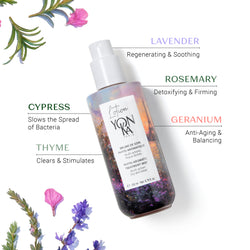
At the heart of our philosophy is the Quintessence — a unique complex of five essential oils: lavender, geranium, rosemary, cypress, and thyme. This 100% natural and active complex is designed to balance the skin and enhance the efficacy of the ingredients paired with it.
When addressing dry and flaky skin, the Quintessence provides a sensorial experience while supporting the skin's ability to repair and revitalize itself. This fusion of aromatherapy and phytotherapy ensures that your skincare is not just a chore, but a ritual of well-being.
Note: Because our products contain active essential oils, we always recommend a patch test when introducing a new formula. Apply a small amount to your inner forearm and wait 24 hours to ensure your skin is happy with the transition. A slight, brief tingling can be normal, but persistent irritation means you should reduce frequency or discontinue use.
Building a Ritual for Dry, Flaky Skin
When your skin is in a state of distress, "less is more" is often the best mantra. Rather than chasing "hacks," focus on a consistent, layered routine that respects your skin's biology.
Step 1: Gentle, Barrier-Respecting Cleansing
For those with flaky skin, your choice of cleanser is critical. You need a formula that removes impurities without disrupting the lipid layer. Our Lait Nettoyant is a silky cleansing milk that is highly recommended for dry and sensitive skin. It gently cleanses while leaving the skin feeling soft and comforted, thanks to its nourishing milk texture. Always use lukewarm water and pat—never rub—your skin dry with a soft towel.
Step 2: Prepare and Hydrate with a Mist
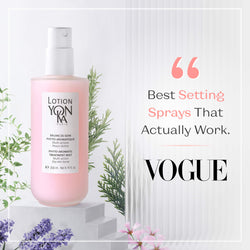
Traditional toners can be drying, but a phyto-aromatic mist is a game-changer for flaky skin. Lotion Yon-Ka PS is much more than a toner. It is a refreshing mist that re-energizes the skin and prepares it to better absorb the serums and creams that follow. Alcohol-free and infused with our signature Quintessence, it provides an immediate sensation of hydration and soothing.
Step 3: Targeted Treatment with Serums and Boosters
If your skin is severely dry or flaky, a moisturizer alone might not be enough. This is where targeted "treat" steps come in.
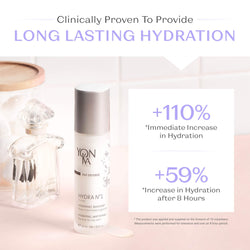
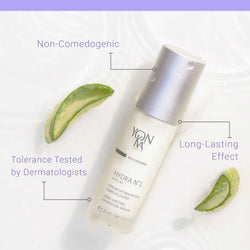
- Hydra N°1 Serum: A long-lasting, hydrating "emergency" serum that uses hyaluronic acid to bind water to the skin. It helps to smooth the appearance of fine lines caused by dehydration.
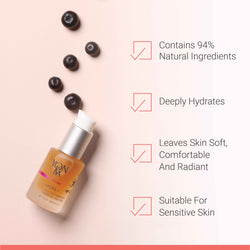
- Serum Omega: For those whose skin lacks oil, this "oil-in-serum" is essential. It provides a concentrated dose of essential fatty acids to repair the skin barrier and eliminate the look of flakes.
Step 4: Moisturize and Protect
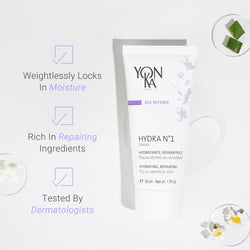
Finally, you must seal in all that goodness. Hydra N°1 Crème is an intensive moisturizer designed for those struggling with dryness. It offers a comforting texture that protects the skin while providing a "slow-release" hydration effect. During the day, always follow with sun protection, as UV damage can exacerbate dryness and further weaken the skin barrier.
Safely Removing Flakes with Gentle Exfoliation
It is tempting to try and "scrub away" flakes with harsh physical exfoliants, but this often leads to more inflammation and even more flaking. When your skin is dry, it is fragile. You need an exfoliant that removes dead cells without the use of abrasive beads or grains.
Gommage Yon-Ka is a professional-favorite, grain-free exfoliator. This "4-in-1" botanical peel is incredibly gentle. You apply it in a thin layer, let it set slightly, and then gently buff it away with your fingertips. It lifts off dead skin cells and brightens the complexion while remaining kind to the skin's barrier. This process helps to reveal smoother skin underneath and allows your hydrating products to penetrate more effectively.
Myth: "I need to scrub my face with a brush to get rid of flakes." Fact: Mechanical scrubbing can create micro-tears in a dry skin barrier. A gentle, grain-free peel or a mild chemical exfoliant (like the lactic acid found in some of our formulas) is far safer and more effective for smoothing the skin's appearance.
Lifestyle Habits to Support Your Skin
Skincare products are only one piece of the puzzle. To truly address why is my face skin dry and flaky, you should also look at your daily habits:
- Humidity Control: Use a humidifier in your bedroom at night, especially during the winter months, to keep moisture in the air.
- Shorter Showers: Limit your bathing time to 5–10 minutes and use warm, not hot, water.
- Hydration from Within: Drink plenty of water and incorporate foods rich in healthy fats, such as avocados, walnuts, and flaxseeds.
- Silk Pillowcases: These are less absorbent than cotton, meaning they won't "steal" your night cream while you sleep.
The Professional Advantage
Sometimes, at-home care needs a professional boost. For over 70 years, Yon-Ka has been a leader in professional spa treatments. Our Estheticians are trained to analyze your skin and provide deep hydration treatments that go beyond what you can achieve at home. If you are struggling to manage your dryness, visiting a local spa for a professional diagnosis and treatment can provide immediate relief and a roadmap for your home care. You can find a certified professional near you using our Spa Locator.
Conclusion
Determining why is my face skin dry and flaky is the first step in a journey toward more comfortable, resilient skin. Whether your dryness is caused by the biting winter air, the natural shifts of aging, or a routine that is a bit too aggressive, the solution lies in returning to the basics of barrier support and phyto-aromatic hydration. By choosing gentle cleansers, moisture-binding serums, and lipid-rich creams, you can transform a rough, dull complexion into one that feels soft and looks luminous.
At Yon-Ka Paris, we remain dedicated to the belief that skincare is a ritual of self-care. Rooted in our French heritage and 70 years of expertise, our formulations are designed to honor your skin’s natural rhythm while delivering visible results. Remember that consistency is key; a dedicated ritual will always outperform a temporary "fix."
If you are unsure which products are right for your specific needs, we invite you to use our Product Matcher tool. These resources are designed to help you build a personalized routine that addresses your unique concerns and brings your skin back into a state of beautiful balance.
"True beauty is found when we harmonize the power of nature with the rigor of science, creating a ritual that nourishes both the skin and the spirit."
FAQ
Can I use retinol if my face is dry and flaky?
While retinol is a powerful ingredient for aging concerns, it can initially cause dryness and peeling. If your skin is already flaky, it is best to focus on repairing your moisture barrier first. Once your skin feels comfortable, you can slowly reintroduce actives, perhaps by "sandwiching" them between layers of moisturizer or using a gentler alternative like the botanicals found in our Serums & Elixirs collection.
Why is my skin still dry even after I apply moisturizer?
If your skin remains dry after moisturizing, you may be using a product that isn't rich enough in lipids (oils), or you may have a buildup of dead skin cells preventing the product from absorbing. Try incorporating a grain-free exfoliator like Gommage Yon-Ka once or twice a week and ensure you are using a serum like Serum Omega to replenish the oil your skin might be lacking, plus a richer option from our face moisturizers collection.
Is it okay to exfoliate flaky skin every day?
No, exfoliating every day can further damage the skin barrier and lead to more flaking. For dry and sensitive skin, once or twice a week is usually sufficient. Over-exfoliation can cause "rebound" dryness and redness, so it is important to listen to your skin and prioritize hydration over scrubbing. If you want a broader starting point, browse our best sellers.
How does drinking water help with dry skin?
Drinking water helps combat dehydration (lack of water), which can make the skin look dull and feel tight. However, if your skin is naturally "dry" (lacking oil), drinking water alone won't fix the flaking. You need topical products to replenish the lipids and create a seal that prevents the water you drink from evaporating through the skin.
Piel seca y deshidratada