Table of Contents
- Introduction
- Understanding the Root Causes of Facial Dryness
- The Difference Between Dry and Dehydrated Skin
- How Your Skin Barrier Becomes Compromised
- The Phyto-Aromatic Approach to Deep Hydration
- Building a Ritual for Dry, Flaky Skin
- Specific Concerns: Dryness Around the Eyes and Lips
- Advanced Solutions for Stubborn Dryness
- Crucial Ingredients for Dry Skin Success
- Common Mistakes to Avoid
- Safety and Sensitivity Note
- Lifestyle Habits for Hydrated Skin
- Conclusion
- FAQ
Introduction
Waking up to a complexion that feels tight, looks flaky, or resembles the texture of fine parchment can be a frustrating start to your morning. That uncomfortable, pulling sensation often indicates that your skin’s delicate ecosystem is out of balance. Whether it is a sudden seasonal change or a persistent struggle, understanding the "why" behind your parched skin is the first step toward restoring a radiant, supple glow.
At Yon-Ka Paris, we believe that skin health is a reflection of both internal wellness and external care, and our formulas are built to support that balance. This article will explore the biological, environmental, and lifestyle factors that contribute to facial dryness. We will also outline a gentle, phyto-aromatic approach to deeply nourish your skin and repair its natural moisture barrier. By identifying the root causes and refining your daily ritual, you can transform a rough, dull appearance into a soft, revitalized complexion.
Quick Answer: Extremely dry skin on the face is typically caused by a compromised skin barrier, which allows moisture to escape. Common culprits include harsh weather, hot water, aging, and using skincare products that strip the skin of its natural oils (sebum).
Understanding the Root Causes of Facial Dryness
Dry skin, or xerosis, occurs when the outermost layer of the skin (the stratum corneum) lacks the necessary lipids and water to maintain its integrity. While some people are genetically predisposed to a drier skin type, others may experience dryness due to specific triggers. Identifying these triggers is essential for choosing the right corrective measures.
Environmental Triggers
Our skin is the primary interface between our bodies and the world, making it highly susceptible to environmental fluctuations. In many cases, the air around you is actively pulling moisture from your face.
- Low Humidity: During winter, cold air holds less moisture. When this is combined with indoor heating systems that further zap humidity from the room, your skin’s water content evaporates rapidly.
- Wind Exposure: Strong winds can physically disrupt the skin’s protective film, leading to "windburn" and increased flakiness.
- UV Damage: While we often associate the sun with burns, chronic UV exposure breaks down the fibers that keep skin looking plump and hydrated. Over time, sun-damaged skin appears perpetually rough and leathery.
Biological and Genetic Factors
Sometimes, the reason for dry skin is written in your DNA or dictated by the passage of time. As we age, our skin's internal machinery slows down.
Sebum production—the natural oil that coats and protects the skin—declines significantly as we get older. For women, this shift often becomes more pronounced during and after menopause due to hormonal changes. Additionally, the skin’s ability to produce hyaluronic acid and ceramides (the "glue" that holds skin cells together) naturally decreases, making the skin more porous and less able to retain hydration.
Lifestyle and Daily Habits
The most common causes of dry skin are often found in our daily routines. Even well-intentioned habits can inadvertently damage the skin barrier.
- Hot Water Usage: Steam-filled, hot showers might feel relaxing, but they are notorious for melting away the essential lipids your skin needs to stay hydrated.
- Harsh Cleansers: Many traditional soaps and foaming cleansers contain high-pH sulfates that strip away the skin's acidic mantle. This leaves the surface feeling "squeaky clean," which is actually a sign of distress.
- Over-Exfoliation: Using physical scrubs or high-concentration acids too frequently can create microscopic tears in the skin, leading to chronic redness and dehydration.
The Difference Between Dry and Dehydrated Skin
It is a common misconception that dry and dehydrated skin are the same. In the professional world of skincare, we distinguish between a skin type (dry) and a skin condition (dehydrated). Knowing which one you are dealing with will determine which products will actually help.
| Feature | Dry Skin (Skin Type) | Dehydrated Skin (Skin Condition) |
|---|---|---|
| What it lacks | Natural oils (sebum) | Water |
| How it feels | Rough, itchy, or tight | Tight, sensitive, or "tight but oily" |
| How it looks | Flaky, dull, or red patches | Fine lines, dullness, or dark circles |
| The Solution | Rich oils and lipid-restoring creams | Water-binding humectants and mists |
Dry skin needs lipids and emollients to fill the gaps between cells. Dehydrated skin needs humectants, like hyaluronic acid, to pull water back into the tissue. Many people find they are actually dealing with both simultaneously, especially during the winter months.
How Your Skin Barrier Becomes Compromised
Think of your skin barrier as a brick-and-mortar wall. The skin cells are the bricks, and the lipids (fats) are the mortar. When this mortar is washed away by harsh chemicals or environmental stress, "cracks" appear in the wall.
This leads to a phenomenon called Transepidermal Water Loss (TEWL). When the barrier is broken, water simply evaporates into the air. This also allows irritants, bacteria, and pollutants to enter the skin more easily, which is why dry skin is often accompanied by sensitivity and redness. To fix dry skin, you must focus on repairing the barrier rather than just applying a temporary surface moisturizer.
The Phyto-Aromatic Approach to Deep Hydration
At Yon-Ka, our philosophy centers on the synergy of nature and science. To address facial dryness effectively, we move beyond simple hydration. We utilize the power of phytotherapy (plant extracts) and aromatherapy (essential oils) to encourage the skin to find its own balance. If you want to explore the plant-based actives behind that approach, visit our ingredients.
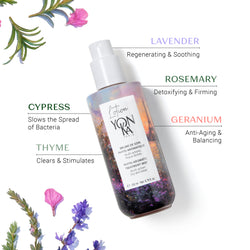
The foundation of our formulas is the Quintessence. This exclusive complex of five essential oils—lavender, geranium, rosemary, cypress, and thyme—works to stabilize the skin and enhance the efficacy of other hydrating ingredients. For dry skin, this means not only providing moisture but also soothing the irritation that often follows.
Building a Ritual for Dry, Flaky Skin
To treat dry skin on the face, you must shift away from "hacks" and toward a consistent, layered ritual. A ritual-based approach ensures that you are providing both the water and the oil your skin craves.
Step 1: Gentle Cleansing
The goal of cleansing dry skin is to remove impurities without disturbing the delicate lipid film. Avoid foaming gels that leave the skin feeling tight. Instead, opt for a milk-based cleanser like Lait Nettoyant. This silky emulsion cleanses and removes makeup while maintaining the skin's natural pH. It leaves the skin feeling supple and comfortable immediately after use.
Step 2: Prepare with a Phyto-Aromatic Mist
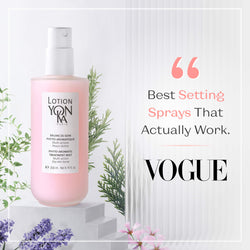
Applying moisturizer to bone-dry skin is less effective than applying it to damp skin. Our signature mist, Product Spotlight: Lotion Yon-Ka, is an alcohol-free toner that drenches the skin in phyto-aromatic energy. For dry skin, Lotion Yon-Ka PS provides an immediate soothing effect and prepares the skin to absorb the active ingredients in your serums and creams.
Step 3: Targeted Treatment with Boosters
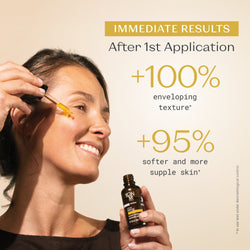
When skin is "really dry," a standard moisturizer might not be enough. This is where boosters come in. Nutri + Booster is a vitamin-rich oil that can be added to your cream to provide an extra layer of nourishment. It contains wheat germ oil and the Quintessence, helping to revitalize skin that looks tired or malnourished.
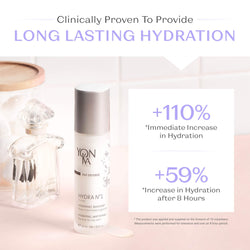
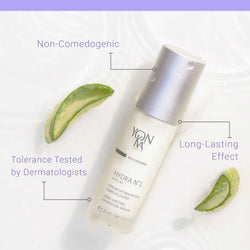
If your skin feels tight but looks oily in some spots, it may be dehydrated. In this case, Hydra N°1 Serum uses two types of hyaluronic acid to provide long-lasting hydration to the deeper layers of the epidermis.
Step 4: Moisturize and Protect
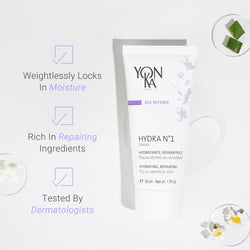
The final step is to "seal" everything in with a high-quality cream. For intense dryness, Hydra N°1 Crème is an essential ally. It is specifically formulated to repair the skin barrier while providing a "slow-release" hydration effect throughout the day. It contains shea butter and grape seed oil, which act as emollients to smooth out rough, flaky patches.
Key Takeaway: Treating dry skin requires a dual-action approach—delivering water-binding humectants like hyaluronic acid to the skin’s deeper layers while sealing the surface with lipid-rich emollients and oils.
Specific Concerns: Dryness Around the Eyes and Lips
The skin around the eyes and lips is significantly thinner and lacks the sebaceous glands found on the rest of the face. This makes these areas the first to show signs of dryness and fine lines.
For the delicate eye area, Phyto-Contour can help. While it is celebrated for its ability to reduce the look of puffiness and dark circles thanks to the power of rosemary, its creamy texture also provides the necessary moisture for the thin skin surrounding the eyes. For the lips, look for balms rich in natural butters to prevent chapping and cracking.
Advanced Solutions for Stubborn Dryness
If your skin remains dry despite a consistent home routine, it may be time for a more intensive treatment.
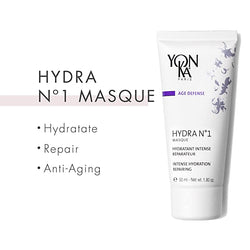
- Overnight Masks: Use Hydra N°1 Masque once or twice a week. You can apply a thin layer before bed and leave it on overnight. This provides an extended period for the repairing ingredients to work without environmental interference.
- Professional Spa Treatments: Sometimes the skin barrier needs a professional "reset." Visiting a Yon-Ka partner spa allows a licensed esthetician to analyze your skin and provide professional-grade hydration treatments that go deeper than home care. A dedicated Hydralessence treatment is designed for dehydrated skin, and you can use our Spa Locator to find a certified professional near you.
Crucial Ingredients for Dry Skin Success
When reading labels, look for ingredients that mimic the skin’s natural composition. At Yon-Ka, we prioritize botanicals that offer high bioavailability—meaning the skin recognizes and can easily use them.
- Hyaluronic Acid: A molecule that can hold up to 1,000 times its weight in water. It is the gold standard for treating dehydration.
- Shea Butter: A rich emollient that provides a protective shield and softens the appearance of dry scales.
- Squalane: Often derived from olives, this ingredient mimics the skin's natural sebum, making it excellent for repairing a broken barrier.
- Vitamin E: A potent antioxidant that helps protect the skin from the environmental stressors that cause dryness.
- Omega Fatty Acids: Found in Serum Omega, these are essential for "gluing" the skin cells back together and reducing sensitivity.
Common Mistakes to Avoid
When your face feels dry, the temptation is to "scrub off" the flakes or pile on heavy, pore-clogging oils. Avoid these common pitfalls:
- Using Face Oils Alone: Pure oils provide lipids, but they don't provide water. If your skin is dehydrated, applying oil on top of dry skin can actually trap the dryness underneath. Always use a hydrating serum or mist before your oil or cream.
- Ignoring the Water Temperature: If your face is red after a shower, the water is too hot. Use lukewarm water for all facial cleansing.
- Inconsistent Application: The skin needs 24-hour protection. Skipping your night cream means your skin loses vital moisture during its most active repair phase.
Safety and Sensitivity Note
When introducing new botanical products, especially those containing active essential oils, it is always wise to be mindful of your skin's unique reactions.
Note: We recommend performing a patch test on your inner forearm for 24 hours before applying a new product to your entire face. Introduce one new formula at a time to monitor how your skin responds. While a slight, temporary tingling can be a normal sign of botanical activity, persistent redness or irritation means you should reduce frequency or discontinue use. If you experience a severe reaction, such as swelling, please seek medical care immediately.
Lifestyle Habits for Hydrated Skin
What you do outside of your bathroom also impacts your skin’s moisture levels. To support your topical ritual, see our How to Treat Dry Skin on Face for Lasting Hydration guide and consider these lifestyle adjustments:
- Humidify Your Space: Place a humidifier in your bedroom to keep the air at about 40–60% humidity. This prevents the air from "stealing" moisture from your face while you sleep.
- Eat Your Water: In addition to drinking water, consume foods high in healthy fats (like avocados, walnuts, and flaxseeds) and water-rich vegetables (like cucumbers and celery).
- Ditch the Astringsents: Check your current products for "Denatured Alcohol" or "Isopropyl Alcohol" high up on the ingredient list. These are drying agents that can exacerbate flakiness.
Conclusion
Understanding why you have dry skin on your face is the key to reclaiming your comfort and glow. By recognizing the impact of environmental stressors, aging, and harsh products, you can make informed choices about your skincare. A transition from aggressive, stripping products to a nurturing, phyto-aromatic ritual will help your skin repair its natural barrier and retain the moisture it needs to thrive.
At Yon-Ka Paris, we have spent over 70 years perfecting the art of botanical skincare, and a mist like Lotion Yon-Ka PS can be part of that ritual. Our mission is to provide you with a sensorial experience that delivers professional results at home. We believe that every time you apply your cream or mist your face, you are participating in a ritual of self-care that honors the power of nature.
If you are unsure which products are right for your specific level of dryness, we invite you to take our Skin Diagnosis quiz or use our Product Matcher tool. These resources can help you build a customized program tailored to your unique needs. Whether you choose a lipid-rich booster or a deep-hydration mask, consistent care is the path to lasting radiance.
Bottom line: Dry skin is a sign that your barrier needs support; provide it with a balance of water, oils, and gentle botanical care to restore its natural health.
FAQ
Can drinking more water fix dry skin on my face?
While staying hydrated is essential for overall health, drinking water alone is usually not enough to fix dry facial skin. Dryness is often a result of a damaged skin barrier or a lack of oil (sebum), which means the water you drink can evaporate from the skin surface. You must use topical moisturizers to seal that moisture in and repair the physical barrier.
Is it okay to exfoliate my face if it is dry and flaky?
You can exfoliate dry skin, but you must be extremely gentle. Avoid harsh physical scrubs with large grains, as these can irritate the skin further. Instead, use a grain-free exfoliator like Gommage Yon-Ka, which uses carob extracts to gently lift away dead cells without scratching the surface, or a very mild chemical exfoliant that supports cell turnover.
Why is my skin still dry even though I use a heavy moisturizer?
If a heavy cream isn't working, your skin may be dehydrated (lacking water) rather than just dry (lacking oil). Heavy creams are great at sealing the surface, but they may not be delivering water to the deeper layers. Try adding a hydrating serum with hyaluronic acid, like Hydra N°1 Serum, underneath your cream to provide a "quench" before you "seal."
When should I see a dermatologist about my dry skin?
If your skin is cracking, bleeding, or excessively itchy, or if you notice red, scaly patches that do not respond to over-the-counter moisturizers, it is time to consult a professional. These could be signs of medical conditions like eczema, psoriasis, or dermatitis, which may require prescription-strength treatments or a medical diagnosis. You can also use our Spa Locator to find a Yon-Ka partner spa for a professional skin analysis.
Piel seca y deshidratada