Table of Contents
- Introduction
- The Science of the Skin Barrier
- Common Environmental Triggers
- Biological and Lifestyle Factors
- Identifying When It’s More Than Just Dryness
- The Yon-Ka Approach: A Phyto-Aromatic Ritual for Dry Patches
- Comparing Skincare Approaches for Dry Patches
- Lifestyle Adjustments for Lasting Softness
- The Role of Professional Treatments
- Conclusion
- FAQ
Introduction
Waking up to find rough, flaky, or tight patches on your skin can be a frustrating disruption to your morning ritual. Perhaps you noticed your foundation clinging to uneven textures or felt a telltale sting when applying your usual moisturizer. These localized areas of dryness are incredibly common, yet they signal that your skin barrier is struggling to maintain its delicate balance. At Yon-Ka Paris, we believe that understanding the "why" behind your skin’s behavior is the first step toward restoring its natural radiance and suppleness, grounded in our formulas. Whether caused by shifting seasons, lifestyle habits, or the natural progression of time, dry patches require a targeted, botanical approach to healing. This article explores the common culprits behind facial dryness and provides a professional roadmap for reviving your complexion with sophisticated phyto-aromatic care.
Quick Answer: Dry skin patches on the face are typically caused by a compromised skin barrier, often triggered by environmental factors like cold air, harsh cleansers, or biological shifts such as aging. They can be effectively managed through gentle exfoliation, deep hydration with humectants like hyaluronic acid, and lipid-rich moisturizers that seal in water.
The Science of the Skin Barrier
To understand why dry patches form, we must first look at the skin’s outermost layer, known as the stratum corneum. Often compared to a brick-and-mortar structure, this layer consists of skin cells (the bricks) held together by a complex matrix of lipids (the mortar), including ceramides, cholesterol, and fatty acids. This barrier serves two primary functions: keeping essential moisture inside and shielding the body from external irritants.
When this lipid mortar becomes depleted, moisture escapes through a process called Transepidermal Water Loss (TEWL). As the skin loses water, the natural exfoliation process—where dead cells shed invisibly—is disrupted. Instead of shedding, these cells clump together on the surface, creating the visible flakes and rough texture we recognize as dry patches. This vulnerability can also lead to increased sensitivity, as irritants easily penetrate the weakened barrier, causing the redness and discomfort often associated with localized dryness.
Common Environmental Triggers
Our environment plays a significant role in how our skin retains moisture. Even if you have a naturally balanced skin type, external stressors can suddenly strip the face of its protective oils.
Seasonal Shifts and Climate
Cold winter air typically holds very little humidity. When you step outside into the biting wind and then return to an indoor environment with forced-air heating, your skin is subjected to a constant "sucking" effect that draws moisture out of the epidermis. This is why many people only experience dry patches during the transition into autumn and winter. Conversely, constant air conditioning in the summer can have a similarly dehydrating effect by stripping the air of ambient moisture.
Harsh Cleansing Habits
One of the most frequent causes of dry patches is the use of aggressive surfactants. Many traditional foaming cleansers contain sodium lauryl sulfate (SLS), which can be too efficient at removing oil, stripping away the essential lipids your barrier needs to stay intact. If your skin feels "squeaky clean" or tight immediately after washing, your cleanser may be the culprit behind your dry patches—start with our Face Cleansers & Makeup Removers collection.
Hot Water Exposure
While a steaming hot shower may feel relaxing, it is one of the quickest ways to dissolve the skin’s natural sebum. Hot water effectively "melts" the protective fats on the surface of your face. We always recommend using lukewarm water for both cleansing and rinsing to preserve the integrity of the acid mantle—the thin, slightly acidic film on the skin’s surface that acts as a barrier to bacteria and moisture loss.
Biological and Lifestyle Factors
Sometimes the cause of dry patches isn't what is happening to your skin, but what is happening within it. Factors ranging from genetics to daily habits can dictate how well your skin stays hydrated.
The Impact of Aging
As we age, the skin’s natural production of sebum and structural proteins begins to slow down. By our 40s and 50s, the skin produces significantly fewer lipids and humectants like hyaluronic acid. This decline makes the skin naturally more prone to dryness and slow to recover from environmental damage. Furthermore, the rate of cellular turnover decreases, meaning dead skin cells stay on the surface longer, contributing to a dull, patchy appearance.
Dehydration vs. Dryness
It is vital to distinguish between dry skin and dehydrated skin. Dry skin is a skin type that lacks oil (lipids), whereas dehydrated skin is a skin condition that lacks water. You can have an oily skin type and still experience dehydrated patches if your body is low on water or if your environment is particularly dry. You can also explore our Dry & Dehydrated Skin collection for formulas designed to address this concern. Dehydrated patches often look like fine, "crepey" lines that disappear once the skin is properly misted and moisturized.
Stress and Sleep
The skin is an expressive organ that reflects our internal state. High levels of cortisol, the stress hormone, can weaken the skin’s barrier function and inhibit its ability to retain water. Similarly, during deep sleep, the skin goes into a repair mode, synthesizing lipids and repairing damage from the day. A lack of quality rest can manifest as a dull, uneven complexion with persistent dry spots.
Identifying When It’s More Than Just Dryness
While most dry patches can be addressed with a refined skincare ritual, some localized dryness may be a symptom of an underlying skin condition. It is important to recognize the signs that may require a consultation with a dermatologist.
- Atopic Dermatitis (Eczema): This often presents as intensely itchy, red, and scaly patches. It is frequently linked to a genetic predisposition and may require specialized topical treatments.
- Seborrheic Dermatitis: While often associated with the scalp, this can cause yellowish, oily-looking dry patches around the nose, eyebrows, and hairline.
- Psoriasis: This condition typically produces thick, silvery scales on a red base. While less common on the face than the elbows or knees, it can occur and usually feels much "thicker" than standard dry skin.
- Contact Dermatitis: If you have recently introduced a new laundry detergent, perfume, or even a new skincare product, a dry, red patch could be a localized allergic reaction.
Note: While essential oils are powerful botanical allies, we always recommend a patch test when introducing a new product. Apply a small amount to your inner forearm and wait 24 hours. If you experience persistent redness or irritation, reduce the frequency of use or discontinue the product. For any skin concern that bleeds, oozes, or fails to respond to home care, please consult a physician.
The Yon-Ka Approach: A Phyto-Aromatic Ritual for Dry Patches
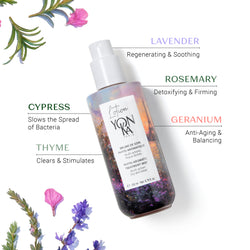
At Yon-Ka, we don't believe in "hacks" or aggressive treatments that might further compromise the skin. Instead, we advocate for a layered, ritualistic approach that respects the skin’s physiology. Our signature Quintessence—a proprietary blend of lavender, geranium, rosemary, cypress, and thyme essential oils—is at the heart of our formulas, providing a stabilizing and revitalizing foundation for every skin type.
Step 1: Gentle, Barrier-Respecting Cleansing
When dealing with dry patches, your cleanser should feel like a treatment in itself. Avoid foaming gels that leave the skin feeling stripped. Instead, opt for a milk-based cleanser like Lait Nettoyant. This gentle cleansing milk removes makeup and impurities while respecting the hydrolipidic film. Applying it with light, circular motions helps to soften dry flakes without the need for abrasive scrubbing.
Step 2: The Vitalizing Mist
In the professional French tradition, the toning step is never about stripping the skin; it is about drenching it in phyto-aromatic goodness. Lotion Yon-Ka PS is an essential step for treating dry patches. This alcohol-free mist, infused with our Quintessence, rebalances the skin's pH and prepares it to absorb the active ingredients in your serums and moisturizers. For those with dry patches, Lotion Yon-Ka PS (designed for dry/sensitive skin) provides an immediate soothing sensation and a "water-bonding" effect.
Step 3: Targeted Exfoliation without Grains
A common mistake when seeing dry patches is to reach for a harsh facial scrub. Physical grains can cause micro-tears in an already weakened barrier, leading to more inflammation. Instead, use a professional-grade, grain-free exfoliator like Gommage Yon-Ka. This 4-in-1 botanical "peel" uses carob and lime essential oil to gently lift dead skin cells and hydrate the surface. It allows you to remove the "scales" of a dry patch without any mechanical irritation.
Step 4: Intensive Lipid and Water Replacement
To truly eliminate dry patches, you must address both the lack of water and the lack of oil.
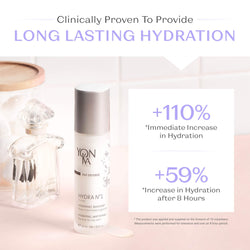
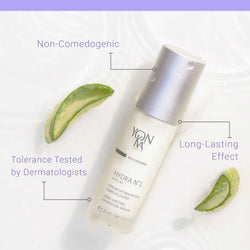
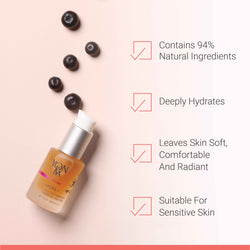
- For Deep Hydration: Hydra N°1 Serum uses long-lasting humectants like hyaluronic acid to pull moisture into the deeper layers of the epidermis.
- For Lipid Repair: If your patches feel rough and "hungry" for oil, Serum Omega provides a concentrated dose of essential fatty acids (Omega 3, 6, and 9) to rebuild that lipid "mortar" we discussed earlier.
Step 5: Sealing and Protecting
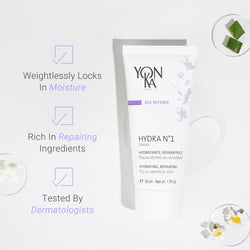
The final step is to lock everything in with a high-performance moisturizer. Hydra N°1 Crème is specifically formulated for very dry or repair-needy skin. It provides a protective cocoon that prevents TEWL throughout the day.
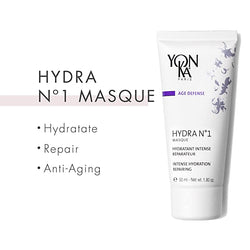
For an intensive overnight treatment, applying Hydra N°1 Masque and leaving it on while you sleep can transform the appearance of dry patches by morning, leaving the skin looking plumped and revitalized.
Comparing Skincare Approaches for Dry Patches
| Approach | Benefit | Best For |
|---|---|---|
| Humectants (e.g., Hyaluronic Acid) | Pulls water into the skin to "plump" fine lines. | Dehydrated skin and "tight" feeling. |
| Emollients (e.g., Plant Oils) | Smooths the surface and fills gaps between cells. | Rough, flaky texture and dry patches. |
| Occlusives (e.g., Shea Butter) | Creates a physical barrier to stop water loss. | Extreme weather and severely compromised barriers. |
| Chemical Exfoliants (e.g., AHAs) | Dissolves the "glue" holding dead cells together. | Dullness and persistent scaling. |
Lifestyle Adjustments for Lasting Softness
Skincare products work best when supported by a lifestyle that prioritizes hydration and barrier health.
Maximize Indoor Humidity During the winter months, the humidity in a heated home can drop to as low as 10%—drier than the Sahara Desert. Using a cool-mist humidifier in your bedroom at night can significantly reduce the formation of dry patches by providing an ambient moisture source for your skin to "breathe."
Hydrate from the Inside Out While drinking water won't miraculously fix a dry skin type, chronic dehydration can certainly exacerbate dry patches. Aim for a consistent intake of water throughout the day. Additionally, incorporating healthy fats into your diet—such as those found in avocados, walnuts, and fatty fish—provides the building blocks your body needs to produce its own internal lipids.
Sun Protection is Non-Negotiable Sun damage weakens the skin barrier and accelerates the depletion of natural oils. Even on cloudy days, UV rays can cause low-grade inflammation that makes dry patches harder to heal. Always finish your morning ritual with a broad-spectrum SPF to protect your skin's repair work. For daily defense, browse our Sun Care collection.
Gentle Drying Techniques After washing your face, avoid the temptation to rub your skin dry with a rough towel. Instead, gently pat the skin with a soft, clean cloth. Leaving the skin slightly damp before applying your mist and moisturizer helps to "trap" that extra hydration within the tissue.
The Role of Professional Treatments
Sometimes, a stubborn dry patch needs the expertise of a professional. Yon-Ka was born in the treatment room, and our professional spa partners offer specialized facials designed to deeply infuse the skin with moisture and nutrients.
A treatment like the Le Grand Classique or a deep hydration facial can provide a level of exfoliation and saturation that is difficult to achieve at home. Estheticians can also perform a professional skin analysis to determine if your patches are due to dryness, dehydration, or sensitivity, allowing you to tailor your home care with precision. You can use our Spa Locator to find a certified professional near you who can guide you through a customized phyto-aromatic journey.
Key Takeaway: Dry patches are a sign of a compromised skin barrier and disrupted cellular turnover. By shifting from aggressive "fixes" to a gentle, layered ritual of hydration and lipid replenishment, you can restore your skin's natural ability to retain moisture and glow.
Conclusion
Dry skin patches on the face are a common but manageable concern that often serves as a "wake-up call" for our skincare habits. By understanding that these patches are the result of moisture loss and a weakened barrier, we can move away from harsh scrubs and toward the nurturing power of plants. The combination of gentle cleansing, phyto-aromatic mists, and lipid-rich creams allows the skin to repair itself from within, resulting in a complexion that feels as soft as it looks.
Our heritage at Yon-Ka Paris is built on seventy years of pharmaceutical rigor and botanical passion. We believe that skincare is more than just a routine; it is a moment of connection with yourself and the healing powers of nature.
If you are unsure which products are right for your unique skin concerns, we invite you to take our Skin Diagnosis quiz.
You can also use the Product Matcher on our website.
Take the next step in your skincare journey by exploring our face moisturizers collection, specifically designed to quench the thirst of dry and dehydrated skin.
FAQ
Can I just use coconut oil on my dry patches?
While natural oils are beneficial, pure coconut oil can be comedogenic (pore-clogging) for many people and lacks the complex humectants needed to actually hydrate the skin. It is better to use a balanced, professional formula like Serum Omega, which provides a blend of essential fatty acids designed to absorb beautifully without causing breakouts.
How long does it take for dry patches to go away?
With a consistent, hydrating ritual, you should notice an improvement in skin comfort and texture within a few days. However, because the skin’s natural renewal cycle takes about 28 to 40 days, it may take a full month of dedicated care to see the complete resolution of persistent dry patches.
Is it okay to exfoliate a dry patch?
Yes, but the method matters immensely. You should avoid physical scrubs with large grains, which can tear the skin. Instead, use a gentle, grain-free exfoliator like Gommage Yon-Ka once or twice a week to dissolve the dead skin cells and allow your moisturizers to penetrate more effectively.
Why is my skin still dry even though I drink lots of water?
Drinking water helps systemic hydration, but it cannot fix a compromised skin barrier or a lack of surface lipids. If your "mortar" (lipids) is missing, the water you drink will simply evaporate through the skin. You must apply topical moisturizers and oils to seal that moisture in and protect the skin from environmental stripping. For a deeper look at this issue, see how to treat dry skin on face for lasting hydration.
Piel seca y deshidratada