Table of Contents
- Introduction
- The Chemistry of Dehydration
- Mechanical Stress and Micro-Trauma
- The Importance of the Skin Barrier
- A Better Way: The Phyto-Aromatic Cleansing Ritual
- When Convenience is Mandatory: Better Alternatives
- The Environmental and Sensorial Cost
- Long-Term Benefits of Ditching the Wipes
- The Spa Connection: Professional Results at Home
- Conclusion
- FAQ
Introduction
The allure of the face wipe is undeniable. After a demanding day or a late night out, the promise of removing a full face of makeup in thirty seconds with a single pre-moistened cloth feels like the ultimate luxury in convenience. However, that immediate sense of "clean" often comes with a hidden cost: a tight, stinging, or parched complexion the next morning. At Yon-Ka Paris, we have spent seven decades studying the delicate balance of the skin’s moisture barrier, and our professional expertise suggests that this shortcut may be undermining your long-term glow. This article explores the science behind why face wipes dry out skin, the chemical and mechanical stressors they introduce, and how you can transition to a more supportive, phyto-aromatic ritual. Understanding the difference between "wiped" and "cleansed" is the first step toward a healthier skin barrier.
Quick Answer: Face wipes dry out skin because they leave behind concentrated surfactants and preservatives without a rinse step, while simple alcohols in the formula cause rapid moisture evaporation. This disrupts the skin's natural lipid barrier, leading to dehydration, irritation, and micro-inflammation.
The Chemistry of Dehydration
To understand why face wipes dry out skin, we must look at the liquid that saturates the cloth. Because these wipes are designed to sit on a shelf for months without growing mold or bacteria, they require a high load of preservatives. Furthermore, to effectively dissolve waterproof mascara and long-wear foundation without the aid of running water, they often rely on aggressive surfactants and evaporating alcohols.
For a gentler cleanse, it helps to compare a wipe against a dedicated cleanser such as Lait Nettoyant, which is designed to be massaged and rinsed away instead of left on the skin.
Residual Surfactants and the "No-Rinse" Fallacy
Surfactants are molecules designed to break the surface tension between oil and water, allowing dirt and makeup to be lifted away. In a traditional cleansing ritual, these surfactants are massaged onto the skin and then thoroughly rinsed away with water.
With a face wipe, there is no rinse step. The surfactants remain on the skin’s surface long after you have gone to sleep. Once the water content of the wipe evaporates, these concentrated cleansing agents begin to interact with your skin’s natural sebum and cellular lipids. Instead of just "cleaning," they continue to dissolve the very oils that form your protective barrier. This lead to a compromised acid mantle, which is the primary reason users find their skin feels tight and "stripped" following wipe usage.
The Role of Evaporative Alcohols
Many mass-market wipes contain simple alcohols, such as ethanol or isopropyl alcohol, to ensure the product dries quickly and feels "refreshing" on the skin. However, alcohol is a volatile substance. As it evaporates from the surface of the epidermis, it takes the skin's intrinsic moisture with it. This process, known as transepidermal water loss (TEWL), can leave the skin in a state of acute dehydration. For those with already dry or sensitive skin types, this can manifest as flaking, redness, or a persistent stinging sensation.
Mechanical Stress and Micro-Trauma
The chemical composition of the wipe is only half of the problem. The physical act of using a wipe can be equally damaging to the skin’s texture and health. Unlike the soft, gliding motion of a cleansing oil or milk, wipes require a certain amount of "drag" to be effective.
If your cleansing step needs to feel gentler, Face Cleansers & Makeup Removers offers a better starting point than a single-use wipe.
The Tugging Effect
When we use a wipe, we tend to apply significant pressure, particularly around the eyes and jawline, to remove stubborn pigments. This repetitive tugging and pulling can cause micro-trauma to the delicate skin tissue. The skin around our eyes is the thinnest on the entire body and lacks the sebaceous glands found elsewhere. Constant friction from a fibrous wipe can lead to premature signs of aging, such as fine lines and loss of elasticity.
Smearing vs. Lifting
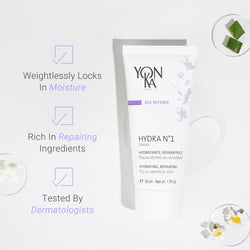
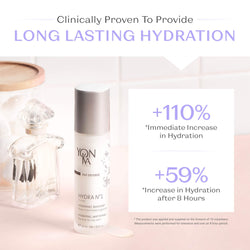
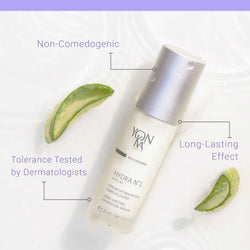
It is a common misconception that a wipe removes everything it touches. In reality, a wipe often acts as a vehicle for redistribution. It picks up a portion of the surface debris but smears the rest—along with dissolved makeup, pollution particles, and sweat—back into the pores. This creates a film of "grime" that can clog pores and prevent your subsequent treatments, like Hydra N°1 Serum or Hydra N°1 Crème, from penetrating effectively. If your active ingredients cannot reach the deeper layers of the skin, your entire routine becomes less efficient.
Key Takeaway: Face wipes act more like a "smear" than a "cleanser." By leaving behind irritating chemicals and physically stressing the tissue, they break down the skin's defenses rather than supporting them.
The Importance of the Skin Barrier
The skin barrier is your body’s first line of defense against the environment. It is a complex ecosystem of lipids, fatty acids, and beneficial bacteria that keeps moisture in and irritants out. At Yon-Ka, we prioritize "barrier-respecting" skincare. Our professional heritage is rooted in the belief that a healthy complexion begins with a preserved acid mantle.
When you use products that strip these essential lipids—like harsh wipes—you create microscopic "gaps" in this protective shield. Once the barrier is compromised:
- Moisture escapes: Your skin can no longer hold onto the hydration provided by your moisturizers.
- Sensitivity increases: Ingredients that usually don't bother you may suddenly cause redness or itching.
- Inflammation occurs: The skin enters a state of low-grade chronic inflammation, which accelerates the appearance of aging.
For skin that already feels dry or depleted, the Dry & Dehydrated Skin collection is a useful next stop.
A Better Way: The Phyto-Aromatic Cleansing Ritual
Transitioning away from face wipes does not have to mean adding twenty minutes to your evening. By adopting a ritual-based approach, you can achieve a deeper clean that actually replenishes the skin’s moisture levels. Our method is built on the fusion of aromatherapy and phytotherapy, ensuring that every step is both effective and sensorial.
Step 1: The Gentle Dissolve
Instead of a wipe, start with a professional cleansing milk like Lait Nettoyant. Formulated for all skin types, including sensitive skin, this milk uses gentle emulsifiers to lift makeup and pollution while maintaining the skin’s natural pH.
How to do it: Apply the milk to dry skin with your fingertips. Use gentle, circular motions to dissolve makeup—yes, even on the eyes. This process mimics the professional treatments found in our partner spas worldwide. Because there is no friction or tugging, the skin remains calm and hydrated.
Step 2: The Rinse and Prep
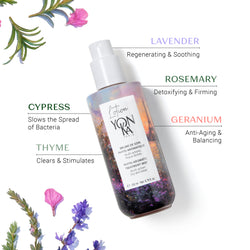
Rinsing with lukewarm water ensures that all dissolved impurities and surfactants are removed from the skin. Follow this with our signature mist, Lotion Yon-Ka PS. This is not a traditional "stripping" toner. It is a phyto-aromatic healing mist infused with our Quintessence—an exclusive complex of lavender, geranium, rosemary, cypress, and thyme.
This mist rebalances the skin, provides an immediate surge of hydration, and prepares the epidermis to better absorb the products that follow. If you have been using wipes and your skin feels dry, this step is non-negotiable for restoring comfort.
Step 3: Targeted Repair
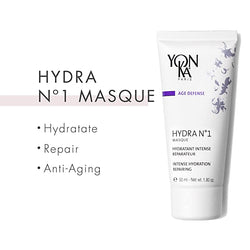
If your skin is currently suffering from wipe-induced dehydration, it is essential to reintroduce lipids and humectants. For deep hydration, Hydra N°1 Crème or Hydra n°1 Masque are exceptional choices from our hydration-focused range. These formulas are designed to "re-teach" the skin how to hold onto moisture, repairing the damage caused by years of over-stripping.
Note: When introducing these botanical-rich formulas, we recommend a simple patch test on the inner forearm for 24 hours. While our essential oils are 100% natural and pure, introducing one new product at a time allows you to monitor your skin's unique response. A slight, transient tingling can be a normal sign of the oils' activity, but persistent redness means you should reduce frequency.
When Convenience is Mandatory: Better Alternatives
We recognize that there are moments when standing over a sink is simply not possible—during long-haul travel, after a workout, or while camping. In these instances, there are better ways to cleanse than a standard face wipe.
If micellar cleansing is the right fit, Eau Micellaire is a more skin-friendly alternative to a wipe.
| Feature | Standard Face Wipe | Professional Micellar Water |
|---|---|---|
| Cleansing Agent | Harsh surfactants | Gentle micelles |
| Skin Feel | Tight, sticky, or filmy | Soft, fresh, and hydrated |
| Residue | High (preservatives & alcohol) | Minimal to zero |
| Impact | Can dry out skin | Respects moisture barrier |
Eau Micellaire is our solution for these moments. Unlike a wipe, which relies on friction, micellar water uses tiny clusters of molecules (micelles) that act like magnets for dirt and oil. You can apply it to a soft, reusable cotton round and gently sweep it over the skin. It is far more effective at lifting debris and significantly less drying than a pre-packaged wipe.
The Environmental and Sensorial Cost
Beyond skin health, the environmental impact of single-use wipes is staggering. Most wipes are made of non-biodegradable synthetic fibers and microplastics that take decades to break down in landfills. By switching to a rinse-off cleanser or reusable cloths, you are making a choice that supports both your complexion and the planet.
Furthermore, skincare should never feel like a chore to "get over with." The French philosophy of beauty is rooted in the "ritual"—a moment of connection with oneself. To understand more about the botanical thinking behind that approach, visit Our Ingredients. The scent of lavender and rosemary helps signal to your nervous system that the day is over, allowing for a better night’s rest, which is when your skin does its most important repair work.
Long-Term Benefits of Ditching the Wipes
When you stop using face wipes, you may notice a "rebound" period where your skin feels different as it recalibrates. However, within a few weeks of consistent, gentle cleansing, most individuals observe:
- Improved Texture: Skin feels smoother and less "crinkly" or parched.
- Reduced Redness: The absence of friction and harsh chemicals allows the skin to calm down.
- Enhanced Glow: Properly cleansed skin reflects light better than skin covered in a filmy residue.
- Fewer Breakouts: Removing all traces of makeup and pollution prevents the "clogging" that leads to congestion.
If you are unsure where to start your transition, take the Yon-Ka Skin Quiz. This tool helps identify your specific skin type and concerns, matching you with the ideal ritual to move away from the "wipe cycle" and toward professional-grade results.
The Spa Connection: Professional Results at Home
Our brand was born in the treatment room. Since 1954, over 6,000 wellness locations worldwide have trusted Yon-Ka to deliver visible results. When you use our products at home, you are using the same high-performance botanical formulas used in luxury spas.
To explore the science behind those formulas, read Our Formulas. If your skin has been severely sensitized or dried out by years of wipe use, a professional treatment can provide a "reset."
You can also find a Yon-Ka spa near you to experience a personalized phyto-aromatic facial that addresses the specific needs of dehydrated skin.
Conclusion
While face wipes offer an enticing shortcut, the reality is that they often leave the skin in a state of stress and dehydration. By understanding the chemical and physical reasons why face wipes dry out skin, you can make more informed decisions for your complexion. Skincare is a long-term investment, and the foundation of that investment is a respectful, effective cleansing ritual.
Embracing a routine centered on botanicals and professional expertise—like our signature steps of cleansing with Lait Nettoyant and misting with Lotion Yon-Ka PS—turns a daily task into a moment of self-care. At Yon-Ka Paris, we remain committed to the belief that beauty is found in the power of nature and the wisdom of a consistent ritual. Your skin is a living organ; treat it with the gentleness and botanical luxury it deserves.
Key Takeaway: True skin health is achieved through consistent, barrier-respecting rituals rather than single-product "hacks." Moving away from wipes is one of the fastest ways to improve your skin's hydration levels and overall appearance.
FAQ
Can I use face wipes if I rinse my face afterward?
While rinsing afterward removes some of the residual surfactants and preservatives, it does not address the mechanical damage caused by the tugging and pulling of the wipe itself. A better alternative is using a dedicated cleanser like Lait Nettoyant, which is designed to be massaged and rinsed, providing a much more effective and gentle clean.
Are "all-natural" or "biodegradable" wipes better for my skin?
While biodegradable wipes are better for the environment, they often still contain the same alcohols and preservatives that cause skin dryness. The issue is rarely the material of the wipe alone, but rather the "leave-on" chemistry of the solution and the lack of a thorough rinse step.
What should I do if my skin already feels extremely dry from using wipes?
The first step is to stop using wipes immediately and switch to a lipid-restoring routine. Use a gentle milk cleanser and follow up with a high-performance hydrator like Hydra N°1 Crème or Serum Omega to replenish lost fatty acids and moisture.
Is micellar water the same as a face wipe?
No, micellar water is a much gentler technology. While it is also a "no-rinse" option, products like Eau Micellaire use high-quality micelles and soothing botanicals that are significantly less stripping than the concentrated formulas found in pre-packaged face wipes.
Piel seca y deshidratada