Table of Contents
- Introduction
- The Science of Dry vs. Dehydrated Skin
- Why Texture Matters When Choosing a Cleanser
- Key Ingredients for Dry Skin Face Washes
- The Yon-Ka Phyto-Aromatic Approach
- How to Build a Hydrating Skincare Ritual
- Common Mistakes When Washing Dry Skin
- The Importance of Professional Guidance
- Advanced Care for Very Dry or Mature Skin
- Seasonal Adjustments for Dry Skin
- Conclusion
- FAQ
Introduction
Stepping out of a warm shower only to feel your skin immediately tighten and pull is a frustratingly familiar ritual for those with a dry complexion. When your skin feels parched, flaky, or perpetually uncomfortable, the very first step of your routine—cleansing—is often where the damage begins. Finding which face wash is best for dry skin is not just about removing the day; it is about preserving the delicate lipid barrier that keeps your skin supple and resilient. At Yon-Ka Paris, we believe that cleansing should be a moment of restoration rather than a process of depletion. This article explores the science of dry skin, the essential ingredients to look for in a botanical formula, and how to build a nourishing ritual that leaves your face feeling soft and hydrated. Choosing the right cleanser is the foundation of long-term skin health and comfort.
Quick Answer: The best face wash for dry skin is a soap-free, non-foaming milk or cream cleanser that preserves natural lipids. Look for formulas enriched with plant-based oils and humectants like glycerin to cleanse without stripping the skin barrier.
The Science of Dry vs. Dehydrated Skin
Before deciding which face wash is best for dry skin, it is important to understand what your skin is actually craving. Many people use the terms "dry" and "dehydrated" interchangeably, but in the world of professional skincare, they represent two distinct concerns.
Dry skin is a skin type characterized by a lack of oil (lipids). Your skin naturally produces less sebum, which means it lacks the "mortar" between the cellular "bricks" of your skin barrier. This can lead to persistent flakiness, a rough texture, and a lack of visible glow.
Dehydrated skin is a temporary condition characterized by a lack of water. Even oily skin can become dehydrated due to environmental factors, air conditioning, or harsh products. Dehydrated skin often feels tight but may still look shiny or experience breakouts.
If you have a dry skin type, you need a cleanser that specifically replenishes those missing lipids while gently lifting away impurities. A harsh, high-pH foaming wash can strip away the few natural oils you do have, leading to increased sensitivity and visible signs of aging over time.
Why Texture Matters When Choosing a Cleanser
When searching for the ideal formula, the texture of the product is often your first clue to its suitability. For dry skin, the goal is "barrier respect."
The Case for Cleansing Milks
Cleansing milks, such as our Lait Nettoyant, are widely considered the gold standard for dry and sensitive skin. These textures are creamy and emollient, allowing them to dissolve makeup and pollution while leaving a protective veil of moisture on the skin. Unlike foaming gels, they do not rely on aggressive surfactants that can disrupt the stratum corneum (the outermost layer of the skin).
Avoiding the "Squeaky Clean" Trap
The "squeaky clean" feeling that many people grew up chasing is actually a sign of a compromised barrier. That "squeak" occurs when the skin's natural oils have been entirely removed, leaving the surface friction-heavy and vulnerable. For dry skin, your face should feel "plump and velvety" after rinsing, never tight or shiny.
The Role of pH Balance
The skin's natural pH is slightly acidic, typically around 5.5. Many traditional soaps and inexpensive face washes are highly alkaline. This alkalinity disrupts the acid mantle, the protective film on the skin's surface. When the acid mantle is disturbed, moisture evaporates more quickly—a process called transepidermal water loss (TEWL)—and bacteria can more easily penetrate the skin.
Key Ingredients for Dry Skin Face Washes
To determine which face wash is best for dry skin, you must look beyond the marketing claims and analyze the ingredient list. Botanical science offers some of the most effective solutions for nourishing lipid-depleted skin.
- Plant-Based Oils: Look for oils like sunflower seed oil, borage oil, or almond oil. These are rich in essential fatty acids that help to repair the skin barrier.
- Glycerin: A powerful humectant that draws moisture into the skin and helps it stay there. It is one of the most effective ingredients for preventing that post-wash tightness.
- Ceramides: These are lipids naturally found in the skin that act as the "glue" holding skin cells together. Including them in a cleanser helps reinforce the barrier during the washing process.
- Botanical Extracts: Ingredients like algae extract or cornflower can provide soothing benefits, reducing the appearance of redness often associated with dryness.
Key Takeaway: The best cleansers for dry skin prioritize lipid replenishment and pH balance over heavy lathering. Look for cream or milk textures rich in plant oils and humectants.
The Yon-Ka Phyto-Aromatic Approach
Our heritage is rooted in the professional spa environment, where every step of a treatment is designed to support the skin's natural functions. We use a fusion of aromatherapy and phytotherapy to create formulas that are both effective and sensorial.
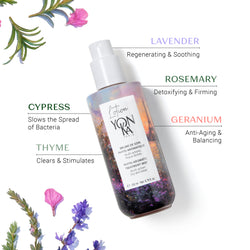
At the heart of our formulations is the Quintessence. This exclusive complex consists of five essential oils: lavender, geranium, rosemary, cypress, and thyme. While these provide a beautiful aromatic experience, they also offer functional benefits. For example, lavender is known for its soothing properties, while rosemary can help revitalize the appearance of the skin.
For dry skin, this means your cleanser does more than just clean; it begins the process of balancing and preparing the skin for the next steps of your ritual. Our Lait Nettoyant is a prime example, using a soap-free, milk-based formula that is so gentle it can even be used to remove eye and lip makeup without irritation.
How to Build a Hydrating Skincare Ritual
Identifying which face wash is best for dry skin is only the first step. To truly address dryness, the cleanser must be part of a consistent, layered ritual.
Step 1: Gentle Cleansing
Apply your milk cleanser to dry or slightly damp skin. Massage in circular motions to break down oils and debris. This massage also helps stimulate local circulation, which can improve the appearance of dullness often seen in dry skin types. Rinse with lukewarm water.
Step 2: The Phyto-Aromatic Mist
Immediately after cleansing, while the skin is still damp, mist your face with a botanical toner like Lotion Yon-Ka PS. This is a critical step for dry skin. It rehydrates the surface and acts as a "carrier" for your subsequent serums and moisturizers, allowing them to penetrate more effectively.
Step 3: Target with an Elixir or Serum
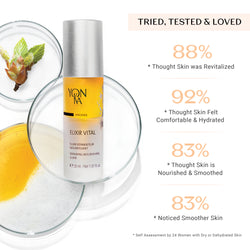
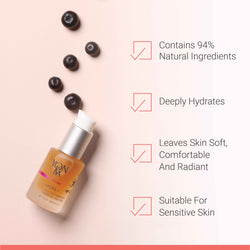
Dry skin benefits greatly from targeted boosters. If your skin is feeling particularly parched, adding a few drops of Nutri+ Booster to your moisturizer can provide an extra surge of antioxidants and nourishing oils.
Step 4: Seal with a Rich Moisturizer
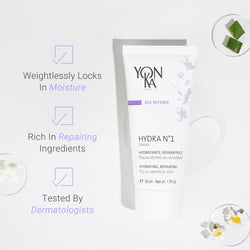
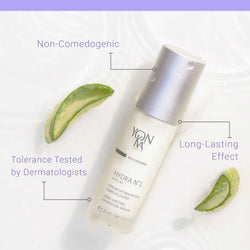
Finish with a cream designed for your specific concerns. Hydra N°1 Crème is an excellent choice for those needing intense, long-lasting hydration. It uses two types of hyaluronic acid to provide both surface smoothing and deep moisture support.
Note: When introducing new botanical products, we always recommend a patch test on your inner forearm for 24 hours. While our ingredients are chosen for their gentleness, everyone’s skin is unique. Introduce one new product at a time to see how your skin responds.
Common Mistakes When Washing Dry Skin
Even with the best product, your technique can impact your results. If you are struggling with dryness, avoid these common pitfalls:
- Using Water That is Too Hot: High temperatures can melt away the very lipids your skin needs to stay hydrated. Always use lukewarm or cool water.
- Over-Cleansing: While a morning and evening wash is standard, those with extremely dry skin might find that a simple splash of water or a misting of Lotion Yon-Ka PS is sufficient for the morning, saving the deep cleanse for the evening.
- Aggressive Scrubbing: Physical exfoliants with large, jagged grains can create micro-tears in an already fragile dry skin barrier. Instead, opt for a gentle, grain-free exfoliator like Gommage Yon-Ka, which uses carob and lime to polish the skin without abrasion.
- Waiting Too Long to Moisturize: You have a "golden window" of about 60 seconds after washing your face to apply your next products. If you wait until your skin feels bone-dry, you've already lost precious moisture to the air.
The Importance of Professional Guidance
While home care is essential, the expertise of a trained professional can help you refine your routine. If you are unsure of your skin type or are dealing with persistent flakiness that doesn't respond to home treatments, we recommend visiting a partner spa.
A professional aesthetician can perform a thorough skin analysis and recommend the specific Yon-Ka products that will work best for your unique needs. You can find a local professional through our Spa Locator on our website. For a quick digital assessment, our Skin Diagnosis quiz is also a valuable tool to help point you in the right direction.
Myth: "Oily cleansers will clog my pores if I have dry skin." Fact: Modern milk and oil-based cleansers for dry skin are specifically formulated to be non-comedogenic. They dissolve surface impurities while replenishing the barrier, which can actually help prevent the overproduction of oil that sometimes happens when dry skin overcompensates for being stripped.
Advanced Care for Very Dry or Mature Skin
As we age, our skin naturally loses the ability to retain moisture and produce lipids. If you find that a basic hydrating cleanser isn't enough, you may need to look toward our Age Exception or Age Correction ranges.
Products like Excellence Code Crème are designed for mature skin that requires more intensive support. These formulas often contain higher concentrations of peptides and restructuring ingredients to address both dryness and the loss of firmness. However, the foundation always remains the same: a gentle, non-stripping cleanse that respects the skin’s integrity.
Seasonal Adjustments for Dry Skin
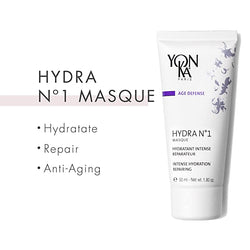
Your skin's needs will change with the seasons. In the winter, the combination of cold outdoor air and dry indoor heating can be devastating for dry skin. During these months, you may need to switch to a richer moisturizer or use a hydrating mask like Hydra N°1 Crème several times a week as an overnight treatment.
In the summer, even dry skin may feel slightly more comfortable due to the humidity. However, sun exposure can be incredibly drying. Ensure you are using a broad-spectrum protector and continuing with your hydrating mist to keep the skin barrier intact.
Conclusion
Finding which face wash is best for dry skin is a transformative step in any beauty routine. By moving away from harsh foams and embracing the nurturing power of milk and cream cleansers, you allow your skin to heal and thrive. Remember that consistency is key; a ritual built on professional-grade botanical ingredients will provide the long-term support your skin needs to look its most radiant.
At Yon-Ka Paris, we remain committed to our 70-year legacy of phyto-aromatic expertise. Our goal is to provide you with more than just products—we offer a sensorial journey that honors the health of your skin and the power of nature.
- Prioritize milk or cream textures like Lait Nettoyant.
- Avoid hot water and aggressive physical scrubs.
- Always follow with a hydrating mist like Lotion Yon-Ka PS.
- Seal in moisture with lipid-rich botanical oils and creams.
"Skincare is not just a chore; it is a moment of self-connection. When we treat our skin with botanical respect, it rewards us with a glow that comes from health, not just products."
To discover your personalized routine, we invite you to explore our concern-based collections or take our Skin Diagnosis quiz on our website today.
FAQ
Is a foaming cleanser always bad for dry skin?
Not necessarily "bad," but most foaming cleansers use surfactants that can be too aggressive for a lipid-depleted barrier. If you prefer a foam, look for an "oil-to-foam" or "cream-to-foam" formula specifically labeled for dry skin, as these contain higher levels of moisturizing agents to offset the cleansing action.
Can I skip washing my face in the morning if I have dry skin?
Many people with very dry skin find that a full cleanse in the morning is unnecessary. Instead, you can refresh your skin with a cotton pad soaked in Lotion Yon-Ka PS or a gentle splash of lukewarm water. This preserves the natural oils your skin produced while you slept while still preparing the surface for your daytime products.
How often should I exfoliate if my skin is dry and flaky?
It is a common mistake to over-exfoliate dry skin to "get rid of the flakes," but this often causes more irritation. Limit exfoliation to once or twice a week using a gentle, grain-free product like Gommage Yon-Ka. This will help smooth the appearance of the skin without further damaging the barrier.
Are milk cleansers effective at removing heavy makeup?
Yes, high-quality milk cleansers like Lait Nettoyant are designed to dissolve makeup, including foundation and eye makeup. For very heavy or waterproof products, you may need to apply the milk to dry skin, massage thoroughly, and then use a soft, damp cloth to gently lift everything away before rinsing.
Piel seca y deshidratada