Table of Contents
- Introduction
- Understanding Your Skin's Thirst
- The Science of the Skin Barrier
- Key Ingredients to Look for in a Dry Skin Mask
- The Yon-Ka Phyto-Aromatic Approach
- Top Mask Recommendations for Deep Hydration
- The Ritual: How to Maximize Mask Efficacy
- Essential Oil Safety and Sensitivity
- Common Masking Mistakes to Avoid
- Enhancing Your Results from Within
- Conclusion
- FAQ
Introduction
There is a specific kind of frustration that comes with skin that feels perpetually thirsty. You may apply your favorite moisturizer in the morning, only to find that by midday, your complexion feels tight, looks dull, and shows fine lines you didn't notice an hour before. If you are wondering which face mask best for dry skin is right for you, the answer lies in a balance of deep hydration and barrier repair. At Yon-Ka Paris, we believe that a mask is more than an occasional treat; it is a vital ritual that provides a concentrated dose of active botanicals to restore what the environment takes away. This article will guide you through the science of skin moisture, the most effective plant-based ingredients to look for, and how to build a routine that leaves your skin feeling soft, supple, and revitalized.
Understanding Your Skin's Thirst
Before selecting a treatment, it is helpful to identify exactly what your skin is asking for. While we often use the terms "dry" and "dehydrated" interchangeably, they represent two different biological states in the skin. Knowing the difference ensures you choose a mask that addresses the root cause of your discomfort rather than just masking the symptoms.
Dry skin is a skin type, often determined by genetics. If you have dry skin, your sebaceous glands do not produce enough natural oils (lipids). Without these oils, your skin struggles to maintain its protective barrier, leading to a rough texture, flakiness, and a lack of elasticity. This skin type requires emollients—rich, oil-based ingredients that smooth the surface and "fill in the gaps" between skin cells.
Dehydrated skin, on the other hand, is a temporary condition that can affect any skin type, including oily skin. It occurs when the upper layers of the skin lack water. This is often caused by environmental factors like air conditioning, cold wind, or even using water that is too hot during cleansing. Dehydrated skin often looks "crepy" or shows fine lines when you smile. It requires humectants—water-binding ingredients that pull moisture into the skin.
Quick Answer: The best mask for dry skin is a rich, cream-based formula containing both humectants and nourishing plant oils. These ingredients work together to replenish water levels while sealing in moisture with a protective lipid layer.
The Science of the Skin Barrier
To understand why a mask is so effective, we must look at how the skin holds onto its glow. The stratum corneum, or the outermost layer of the skin, acts as a wall. The skin cells are the bricks, and the lipids (oils) are the mortar. When this wall is strong, water stays inside, and the skin remains plump.
When the barrier is compromised, we experience something called transepidermal water loss, or TEWL. This is the process where water evaporates from the skin into the surrounding air. Factors like low humidity, harsh cleansers, and aging all increase TEWL.
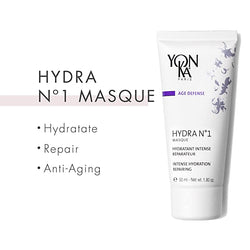
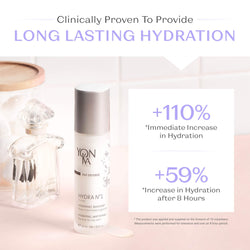
A high-quality face mask acts as an occlusive shield. By sitting on the skin for 10 to 20 minutes, it creates a microclimate that prevents evaporation. This "soaking" effect allows active ingredients to penetrate more deeply than a standard lotion. When you use a mask like Hydra N°1 Masque, you are essentially giving your skin a deep-immersion bath of moisture that repairs the "mortar" of your skin barrier.
Key Ingredients to Look for in a Dry Skin Mask
When scanning an ingredient label, prioritize botanical actives that mimic the skin’s natural moisturizing factors. Here are the powerhouse ingredients we prioritize for dry and thirsty complexions:
Hyaluronic Acid
This is a gold-standard humectant. It is a molecule naturally found in our skin that can hold up to 1,000 times its weight in water. In skincare, it acts like a sponge, pulling moisture from the air and deeper layers of the skin into the surface. Look for formulas that combine different molecular weights of hyaluronic acid to ensure hydration at multiple levels.
Aloe Vera
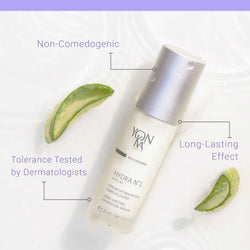
Aloe is legendary for its soothing properties. It is rich in polysaccharides, which create a protective film on the skin, and minerals that help support the skin’s natural repair processes. It is an excellent ingredient for reducing the redness that often accompanies extreme dryness.
Jojoba and Hazelnut Oils
Unlike heavy synthetic oils, jojoba and hazelnut oils are chemically similar to human sebum. This allows them to absorb beautifully without feeling greasy. They provide the essential fatty acids dry skin lacks, helping to soften the appearance of rough patches.
Vitamin A, C, and E
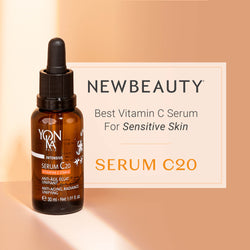
Dry skin is often more vulnerable to environmental damage because its barrier is weak. Antioxidant vitamins help protect the skin from oxidative stress while promoting a more radiant, even-toned appearance. Serum C20 can be a wonderful addition to a mask ritual for those looking to brighten a dull, dry complexion.
The Yon-Ka Phyto-Aromatic Approach
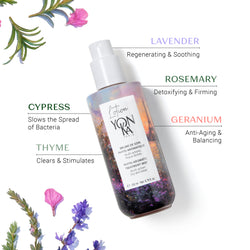
Our heritage at Yon-Ka Paris is rooted in the fusion of pharmaceutical rigor and the therapeutic power of plants. At the heart of nearly all our formulations is the Quintessence—an exclusive complex of five essential oils: lavender, geranium, rosemary, cypress, and thyme.
This complex does more than provide a beautiful scent. Each oil is chosen for its specific benefit to the skin’s appearance:
- Lavender from Haute-Provence is known for its calming and regenerating properties.
- Geranium helps to balance and revitalize the look of the skin.
- Rosemary provides a purifying and firming effect.
- Cypress supports the skin's tone.
- Thyme offers potent purifying and invigorating benefits.
When these oils are included in a mask for dry skin, they create a sensorial experience that calms the mind while the botanical actives work on the skin. This synergy of aromatherapy and phytotherapy is what makes a professional-grade ritual so much more effective than a "quick fix" product. To learn more about the philosophy behind our formulas, explore our ingredients.
Top Mask Recommendations for Deep Hydration
Depending on your specific concerns, we recommend different textures and formulations within our collection.
For Intense Repair: Hydra n°1 Masque
This is the ultimate SOS treatment for skin that feels tight and irritated. Formulated with hyaluronic acid, aloe vera, and jojoba oil, it is designed to provide immediate comfort. It can be applied for 10 minutes and rinsed, or for very dry skin, applied in a thin layer and left on overnight.
For Age Correction: Excellence Code Masque
As skin matures, it naturally becomes drier due to hormonal changes and a decrease in oil production. This premium mask from our Age Exception range uses nutgrass and bamboo silica to help firm and smooth the appearance of the skin while providing deep nourishment. If you want to pair mask use with a broader anti-aging routine, browse the anti-aging collection.
For Gentle Refinement: Glyconight 10% Masque
Sometimes, dry skin looks dull because dead skin cells are "stuck" on the surface. While you must be careful with acids, a gentle, time-released glycolic acid mask can help. Glyconight 10% Masque is designed to refine the skin's texture overnight, allowing your hydrating products to penetrate more effectively the following morning.
The Ritual: How to Maximize Mask Efficacy
At Yon-Ka, we believe that the way you apply a product is just as important as the product itself. To get the most out of your face mask, follow this professional ritual.
Step 1: Gentle Cleansing
Never apply a mask over makeup or daily grime. Use a gentle, barrier-respecting cleanser like Lait Nettoyant. This cleansing milk removes impurities without stripping away the precious oils your dry skin needs.
Step 2: The Phyto-Aromatic Mist
After cleansing, mist your face with Lotion Yon-Ka PS. This alcohol-free toner is enriched with our signature Quintessence. It does not just refresh the skin; it prepares it to better absorb the mask. Think of it like a damp sponge—a damp sponge absorbs water much better than a bone-dry one.
Step 3: Application on Damp Skin
Apply your chosen mask while the skin is still slightly damp from the Lotion. Use your fingertips or a soft brush to apply an even layer over the face and neck. Avoid the immediate eye area unless the product is specifically labeled for it.
Step 4: The Moment of Calm
Allow the mask to work for the recommended time (usually 10 to 20 minutes). This is a perfect time to practice deep breathing and enjoy the aromatic benefits of the essential oils.
Step 5: Seal and Protect
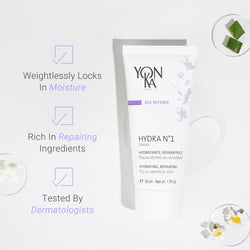
After rinsing or removing the excess with a tissue, immediately apply your serum and moisturizer. For dry skin, Hydra N°1 Crème is an excellent choice to seal in the hydration provided by the mask. During the day, always finish with sun protection to prevent UV rays from further drying out the skin.
Key Takeaway: For maximum hydration, always apply your mask to damp skin and follow immediately with a moisturizer to trap the active ingredients and prevent water evaporation.
Essential Oil Safety and Sensitivity
Because we use high concentrations of pure essential oils and botanical extracts, we always advocate for mindful skincare practices. If you have a history of very sensitive skin or are introducing a new active ingredient to your routine, we recommend a simple patch test.
Apply a small amount of the product to your inner forearm and wait 24 hours. While a slight, temporary tingling sensation can be normal—often a sign of the botanicals "waking up" the skin—persistent redness or itching is a signal to reduce frequency or discontinue use. When starting a new ritual, introduce one product at a time so you can clearly see how your skin responds.
Common Masking Mistakes to Avoid
Even with the best products, certain habits can undermine your results. Avoid these common pitfalls to keep your dry skin happy:
- Letting the mask dry completely: If you are using a cream or gel mask, do not wait until it feels "crusty" or tight. This can actually draw moisture out of your skin. Follow the timing on the label.
- Using water that is too hot: Hot water strips the skin’s natural lipid barrier. Always use lukewarm or cool water when rinsing your face.
- Over-exfoliating: It is tempting to scrub away dry flakes, but over-exfoliation can cause micro-tears and worsen dryness. Stick to gentle, non-grain exfoliants like Gommage Yon-Ka.
- Skipping the neck and décolleté: The skin on your neck is thinner and has fewer oil glands than your face, making it prone to dryness and aging. Always extend your mask application downward.
- Masking inconsistently: Skincare is a marathon, not a sprint. Using a mask once a month won't yield the same results as a consistent twice-weekly ritual.
For more texture-refining options, you can also explore the face exfoliation collection or browse all face masks.
Enhancing Your Results from Within
While topical treatments are essential, the appearance of dry skin is also influenced by your lifestyle. To support your masking ritual, ensure you are drinking plenty of water and eating a diet rich in healthy fats, such as omega-3s found in walnuts, flaxseeds, and fatty fish. Using a humidifier in your bedroom during the winter months can also significantly reduce the amount of moisture your skin loses overnight.
If you find that your skin remains chronically dry, painful, or prone to cracking despite a consistent routine, it may be time to consult a dermatologist. Persistent issues can sometimes be linked to underlying conditions like eczema or psoriasis which may require specialized medical care.
Conclusion
Choosing which face mask best for dry skin depends on your unique needs—whether you require a quick hydration boost or a deep, overnight lipid replenishment. By focusing on high-quality humectants like hyaluronic acid and the balancing power of phyto-aromatic oils, you can transform the look and feel of your complexion.
- Identify if your skin is dry (lacking oil) or dehydrated (lacking water).
- Look for masks with aloe vera, hyaluronic acid, and botanical oils.
- Always prep your skin with a gentle cleanse and a phyto-aromatic mist.
- Be consistent with your ritual, aiming for at least twice a week.
"Skincare is not just a chore; it is an act of self-care. When we take the time to nourish our skin with the best that nature has to offer, we are not just improving our appearance—we are savoring a moment of wellness."
If you are unsure which products are the perfect match for your skin's current state, we invite you to take our Skin Diagnosis quiz or use the Product Matcher on our website. You can also visit a professional spa partner to experience a customized Yon-Ka treatment and receive a personalized recommendation from a licensed esthetician. At Yon-Ka Paris, our mission is to provide you with the tools to create a beautiful, effective ritual that honors your skin's natural heritage and your own well-being. For guided homecare ideas, start with the Brighter Skin Routine or read more on the Yon-Ka blog.
FAQ
How often should I use a face mask for dry skin?
For most people with dry or dehydrated skin, using a hydrating mask 2 to 3 times per week is ideal. During periods of extreme weather, frequent travel, or high stress, you may find that using a mask like Hydra N°1 Masque more frequently—even as a thin overnight layer—provides necessary relief.
Can I use a hydrating mask if I have oily skin?
Yes, absolutely. Oily skin can still become dehydrated, especially if you are using acne treatments or harsh foaming cleansers. Look for a lightweight gel-based mask that provides water-based hydration without adding heavy oils that might clog pores.
Should I wash my face after using an overnight mask?
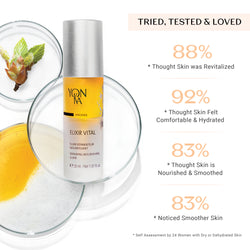
If you have applied a specific overnight treatment or a thin layer of a hydrating cream mask, you do not need to wash your face immediately. In the morning, follow your usual routine of a gentle cleanse or a refreshing mist of Lotion Yon-Ka to prepare your skin for the day. If you want a more treatment-led approach, consider Elixir Vital as part of a dry-skin ritual.
Why does my dry skin sometimes sting when I apply a mask?
A slight tingling can occur when active ingredients like essential oils or humectants begin to work, especially if your skin barrier is very dry or compromised. However, if the stinging is intense or accompanied by lasting redness, rinse the product off with cool water and consult a professional, as your barrier may be too sensitized for that specific formula. For deeper resurfacing concerns, the Yon-Ka treatments page can help you explore professional options.
Piel seca y deshidratada