Table of Contents
- Introduction
- Understanding the Origins of Dryness and Redness
- The Role of the Skin Barrier in Redness
- Targeted Botanicals for Soothing and Restoration
- A Phyto-Aromatic Ritual for Dry Red Skin
- Myth vs. Fact: Managing Facial Redness
- The Importance of Sun Protection and Temperature
- Lifestyle and Environmental Factors
- When to See a Professional
- Conclusion
- FAQ
Introduction
The sensation of tight, itchy skin accompanied by persistent facial redness is more than just a cosmetic concern; it is a signal that your skin’s delicate ecosystem is out of balance. When the complexion feels hot to the touch or looks perpetually flushed and flaky, the natural instinct is to hide it under layers of makeup or reach for the harshest scrub to "buff away" the dryness. However, these reactions often exacerbate the underlying irritation. Addressing this specific skin state requires a transition from reactive "fixing" to a proactive, soothing ritual. At Yon-Ka Paris, we believe that the harmony of the skin is best restored through the intersection of pharmaceutical rigor and the restorative power of nature, a philosophy you can explore in our ingredients. This guide will explore the botanical actives, specialized techniques, and daily habits that can help calm the appearance of dry, red skin and restore your face to a state of soft, hydrated serenity.
Quick Answer: To address dry, red skin, prioritize barrier-repairing ingredients like omega fatty acids and plant-based ceramides, alongside soothing botanicals like arnica and the Yon-Ka Quintessence. A ritual of gentle milk cleansing, alcohol-free toning mists, and lipid-restoring serums is the most effective way to calm the appearance of irritation and lock in essential moisture.
Understanding the Origins of Dryness and Redness
Before choosing a treatment, it is essential to understand why the skin becomes dry and red simultaneously. This "double concern" usually indicates that the skin’s moisture barrier—the outermost layer of the epidermis—has been compromised. When this barrier is healthy, it keeps hydration in and environmental irritants out. When it is weakened, moisture evaporates (a process called trans-epidermal water loss), and irritants penetrate more easily, leading to the inflammatory response we see as redness. If this sounds familiar, Yon-Ka’s Dry & Dehydrated Skin collection is built for this need.
Several factors can trigger this state:
- Environmental Extremes: Cold winter air and indoor heating strip the skin of its natural oils, while excessive sun exposure can cause micro-inflammation.
- Over-Exfoliation: Using physical scrubs or high-percentage acids too frequently can thin the skin’s protective layer.
- Harsh Ingredients: Synthetic fragrances, sulfates, and drying alcohols often found in mass-market cleansers can trigger sensitivity.
- Biological Shifts: Hormonal fluctuations and the natural aging process can lead to a decrease in sebum production, leaving the skin vulnerable.
While occasional redness is often environmental, persistent or painful redness may be linked to conditions like rosacea or eczema. If you experience sudden, severe changes or suspected medical conditions, we always recommend consulting a dermatologist or physician for a formal diagnosis.
The Role of the Skin Barrier in Redness
The skin barrier is often described as a "brick and mortar" structure. The skin cells are the bricks, and the lipids (fats) are the mortar. For those with dry, red skin, the "mortar" is often missing or cracked. Without these essential lipids, the skin cannot remain supple or defend itself.
To address the appearance of redness, we must first replenish these lipids. Ingredients like omega fatty acids (found in plant oils) and ceramides act as the biological glue that repairs the barrier. When the barrier is reinforced, the skin’s "reactivity" decreases. You may notice that wind, heat, or even spicy foods—which might have once caused an immediate flush—have less of an impact on your complexion.
Targeted Botanicals for Soothing and Restoration
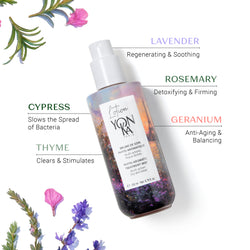
Nature provides an incredibly sophisticated pharmacy for calming the skin. At the heart of our formulations is the Yon-Ka Quintessence, our proprietary complex of five essential oils: lavender, geranium, rosemary, cypress, and thyme. This 100% natural, active blend is designed not just for its aromatic benefits, but for its ability to support skin health at a cellular level.
When looking for products to soothe dry red skin, prioritize these specific botanical allies:
- Arnica and Solomon’s Seal: These plants are renowned in phytotherapy for their ability to soothe the appearance of redness and support micro-circulation.
- Centella Asiatica: Often called "tiger grass," this herb is a powerhouse for supporting skin repair and calming intense irritation.
- Plant Glycerin and Hyaluronic Acid: These humectants act like sponges, pulling moisture into the skin to alleviate the tight feeling associated with dryness.
- Sweet Almond and Sesame Oils: These provide the essential fatty acids needed to nourish the skin and prevent further dehydration.
A Phyto-Aromatic Ritual for Dry Red Skin
A ritual-based approach is superior to "miracle" products because it focuses on the cumulative health of the skin. For those struggling with dryness and redness, the goal is to minimize friction and maximize nutrient delivery.
Step 1: Gentle, Barrier-Respecting Cleansing
If your skin is red and dry, the last thing it needs is a foaming cleanser that leaves it feeling "squeaky clean." That sensation is actually the sound of your natural oils being stripped away. Instead, opt for a creamy, milk-based cleanser.
Our Lait Nettoyant is a cult favorite for this very reason. It cleanses while maintaining the skin's pH and lipid balance. Its silky texture allows you to remove impurities and makeup without aggressive rubbing, which is critical for preventing further redness.
Step 2: The Phyto-Aromatic Mist
Most traditional toners use alcohol to tighten pores, which is disastrous for dry, sensitive skin. A phyto-aromatic mist, however, serves a different purpose: it prepares the skin to absorb the products that follow while delivering an immediate cooling sensation.
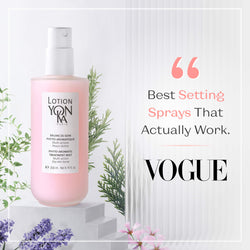
Lotion Yon-Ka PS is the version specifically for dry and sensitive skin. It is an alcohol-free mist infused with our signature Quintessence. It rebalances and calms the skin instantly. Mist it onto the face and neck after cleansing, and while the skin is still slightly damp, move to the next step.
Step 3: Targeted Serums for Lipid Restoration
Serums are the "workhorses" of a skincare routine. For redness, you need a serum that focuses on both hydration and lipid replenishment.
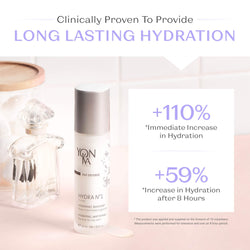
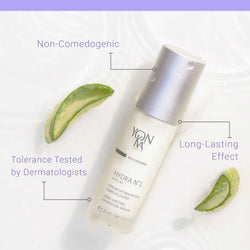
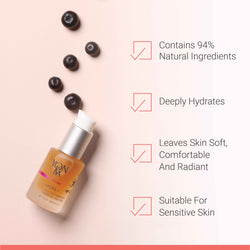
Serum Omega is an ideal choice for dry, compromised skin. It is rich in essential fatty acids that rebuild the skin’s "mortar," helping to smooth the appearance of flakiness and soothe the feel of irritation. For those whose redness is also accompanied by deep dehydration, Hydra n°1 Serum uses long-lasting humectants to plump the skin and provide a "second skin" protective effect.
Step 4: Protective Moisturizing
The final step is to seal everything in with a cream that acts as a shield. For those prone to visible redness, Sensitive Creme Anti-Red is specifically formulated with natural green pigments to optically neutralize the look of redness while botanical extracts work to soothe the skin over time.
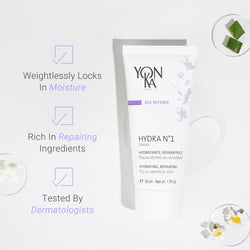
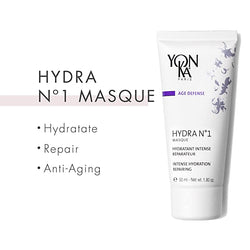
If your skin feels exceptionally parched, Hydra n°1 Crème provides an intense moisture surge that lasts throughout the day. In the evening, you can enhance this repair process by applying a generous layer of Hydra n°1 Masque once or twice a week.
Key Takeaway: Dry, red skin is a sign of a compromised barrier. To restore balance, move away from harsh exfoliants and toward a layered ritual of milk cleansers, alcohol-free mists, and lipid-rich serums like Serum Omega to repair and protect the skin.
Myth vs. Fact: Managing Facial Redness
Myth: "I need to scrub my face to get rid of the dry, flaky patches." Fact: Physical scrubbing creates micro-tears in an already weakened barrier, which increases redness and inflammation. Instead of scrubbing, use a gentle, grain-free exfoliant like Gommage Yon-Ka, which uses carob and lime essential oil to gently lift away dead skin cells without friction.
Myth: "Oily serums will cause breakouts on my dry, red skin." Fact: High-quality plant oils are non-comedogenic and are often exactly what dry skin needs to stop overproducing "bad" oils in an attempt to compensate for a lack of moisture.
The Importance of Sun Protection and Temperature
Heat is a major trigger for redness. When the skin is hot, blood vessels dilate, leading to a flushed appearance. This is why we recommend using lukewarm (never hot) water when washing your face. Similarly, sun exposure is a primary cause of micro-inflammation. Even on cloudy days, UV rays penetrate the skin and can worsen the look of redness.
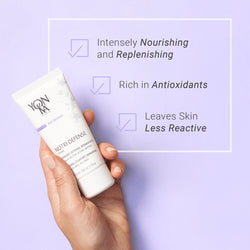
Integrating a daily protectant is non-negotiable. Our Vital Defense cream is designed to protect the skin from environmental stressors, including pollution and oxidative stress, which can lead to dullness and irritation. By creating a physical and antioxidant barrier, you give your skin the space it needs to heal.
Lifestyle and Environmental Factors
Skincare does not exist in a vacuum. Your environment and internal health play significant roles in the appearance of your complexion.
- Humidity: If you live in a dry climate or use a heater in the winter, a humidifier in your bedroom can prevent your skin from "drying out" overnight.
- Dietary Triggers: Some individuals find that alcohol, spicy foods, and excess caffeine can cause "flushing." Pay attention to your skin's reaction after certain meals.
- Hydration: While drinking water doesn't directly "moisturize" the skin in the way a cream does, chronic dehydration can lead to a sallow, tight appearance.
When to See a Professional
While a consistent at-home ritual can significantly improve the appearance of dry, red skin, some concerns require a professional touch. A Yon-Ka trained esthetician can perform specialized treatments—such as our Facial Treatments—that use high concentrations of soothing actives and lymphatic drainage techniques to calm the skin.
If your redness is persistent, accompanied by pus-filled bumps, or if your skin feels extremely hot and painful, it is time to visit a dermatologist. They can determine if you are dealing with a medical condition like rosacea or seborrheic dermatitis, which may require prescription-strength interventions alongside your botanical skincare.
Note: Before introducing a new product to a sensitive or red area, always perform a patch test. Apply a small amount of the product to your inner forearm and wait 24 hours to ensure no adverse reaction occurs. Introduce one new product at a time to accurately monitor how your skin responds.
Conclusion
Restoring dry, red skin is a journey of patience and botanical wisdom. By moving away from aggressive treatments and embracing a ritual that prioritizes barrier repair and soothing plant extracts, you allow your skin to find its natural equilibrium. We invite you to view your skincare not as a chore to "fix" a problem, but as a daily moment of self-care—a phyto-aromatic experience that benefits both your skin and your well-being. Whether you are seeking the lipid-restoring power of Serum Omega or the calming embrace of our Hydra n°1 Creme, remember that consistency is the key to lasting results.
"Skincare is a ritual worth savoring, built on the power of plants and 70 years of phyto-aromatic expertise." — Yon-Ka Paris
To find the perfect products for your unique skin needs, we invite you to take our Yon-Ka Skin Quiz or use the Product Matcher on our website. You can also use our Spa Locator to find a professional treatment near you.
FAQ
Can I use Vitamin C if I have dry, red skin?
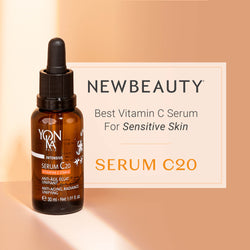
Vitamin C is a powerful antioxidant, but some forms can be acidic and irritating to sensitive skin. If you have redness, look for a stabilized, non-irritating formula like Serum C20, and always ensure your skin's barrier is healthy before introducing high-potency actives. Start by using it every other day to monitor your skin's tolerance.
Why does my skin feel like it's burning when I apply moisturizer?
This "burning" or stinging sensation often happens when the skin barrier is severely compromised, allowing products to reach nerve endings too quickly. It is a sign you need to simplify your routine and focus exclusively on barrier-repairing products like Hydra N°1 Creme until the skin feels more resilient. If stinging persists, discontinue use and consult a professional.
Is it okay to exfoliate red skin?
You should avoid physical scrubs with grains or harsh chemical peels when your skin is red and dry. However, gentle exfoliation is necessary to remove the "dead skin" flakes that prevent moisturizers from absorbing. A grain-free enzymatic exfoliant is the safest way to smooth the skin without causing further irritation, and you can browse our Face Exfoliators collection to compare gentle options.
How long does it take for redness to go away?
While botanical mists can provide immediate cooling relief, repairing a damaged skin barrier usually takes between 28 and 45 days, which is the natural cycle of skin cell renewal. Consistent use of a soothing ritual will lead to a gradual reduction in the appearance of redness and a significant improvement in skin comfort over several weeks.
Piel seca y deshidratada