Table of Contents
- Introduction
- Understanding the Difference Between Dry and Dehydrated Skin
- The Building Blocks: What to Look for in Skincare Ingredients
- A Step-By-Step Ritual for Dry Facial Skin
- Weekly Interventions: Beyond the Daily Routine
- Environmental and Lifestyle Adjustments
- When to Seek Professional Guidance
- Conclusion
- FAQ
Introduction
There is a specific, uncomfortable sensation that comes with dry facial skin—a persistent tightness that makes every expression feel strained, a rough texture that catches on your fingertips, and a dullness that obscures your natural glow. Whether it is a seasonal struggle brought on by winter winds or a lifelong skin type, knowing exactly what to put on dry skin on the face is the first step toward restoring your complexion’s suppleness.
At Yon-Ka Paris, we believe that addressing dryness is not just about slathering on the heaviest cream you can find; it is about a balanced, phyto-aromatic ritual that respects the skin’s delicate barrier. In this guide, we will explore the essential ingredients your skin is craving, the professional-grade products that deliver deep relief, and the daily habits that help lock in moisture. Our goal is to move beyond temporary fixes and help you cultivate a resilient, hydrated, and glowing complexion.
Quick Answer: To effectively treat dry skin on the face, look for a combination of humectants like hyaluronic acid to draw in water, emollients like plant oils to smooth the surface, and occlusives like botanical waxes to lock it all in. A consistent ritual involving a gentle milk cleanser, a hydrating mist, and a lipid-rich moisturizer is essential for long-term comfort.
Understanding the Difference Between Dry and Dehydrated Skin
Before deciding what to put on your face, it is vital to understand what your skin is actually lacking. While the terms are often used interchangeably, "dry" and "dehydrated" refer to two distinct skin concerns that require different approaches.
Dry Skin is a Lack of Oil
Dry skin is technically a skin type, often determined by genetics. If you have a dry skin type, your sebaceous glands do not produce enough sebum (natural oil). Because oil acts as the "mortar" between your skin cells, a lack of it leads to a compromised barrier. This results in flaking, itching, and a rough texture. To treat this, you need lipids—fatty acids and oils that replenish the skin’s protective layer.
Dehydrated Skin is a Lack of Water
Dehydrated skin is a temporary condition that can affect any skin type, including oily skin. It occurs when there is not enough water in the upper layers of the skin (the stratum corneum). This often manifests as fine "crinkly" lines, a dull appearance, and a feeling of tightness even if the skin looks shiny. To treat dehydration, you need humectants—ingredients that act like magnets to pull moisture into the skin.
The Role of the Skin Barrier
Think of your skin barrier as a protective shield. When it is healthy, it keeps moisture in and irritants out. When you have dry skin, that shield is full of tiny gaps. Using the wrong products, such as harsh foaming cleansers or high-alcohol toners, can widen these gaps, leading to increased sensitivity. A successful ritual for dry skin focuses on "repairing the mortar" and "filling the reservoir."
The Building Blocks: What to Look for in Skincare Ingredients
The efficacy of your skincare depends entirely on the molecules within the bottle. When browsing for solutions, prioritize these high-performance, plant-based ingredients that are designed to support dry and compromised skin.
Humectants: The Water-Binders
Hyaluronic Acid: A superstar molecule that can hold up to 1,000 times its weight in water. It helps to immediately plump the appearance of the skin and smooth out fine dehydration lines.
Glycerin: A classic but powerful humectant that draws moisture from the air into the skin, keeping it hydrated for longer periods.
Aloe Vera: Known for its soothing properties, aloe also provides a burst of water-based hydration that is easily absorbed.
Emollients: The Smoothers
Plant-Derived Squalane: Mimics the skin’s natural sebum to soften and smooth the surface without a heavy, greasy feel.
Shea Butter: Rich in fatty acids and vitamins, shea butter provides intense nourishment and helps to calm the look of redness associated with dryness.
Jojoba Oil: Because its structure is so similar to human sebum, jojoba oil is excellently tolerated and helps to balance the skin’s natural oil production.
The Phyto-Aromatic Advantage
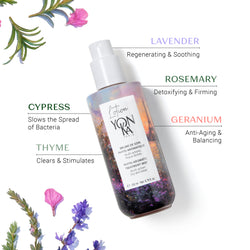
At the heart of our formulations is the Quintessence, a unique complex of five essential oils: lavender, geranium, rosemary, cypress, and thyme. This 100% natural and active core does more than provide a sensorial experience; it helps to stabilize the skin and boost the efficacy of the other hydrating ingredients in your routine. For example, rosemary helps to revitalize the look of the skin, while lavender offers calming benefits for dry, irritated patches.
Key Takeaway: Dry skin needs a dual approach. You must provide water-based hydration (humectants) to plump the skin and oil-based nourishment (emollients) to seal that moisture in and prevent it from evaporating.
A Step-By-Step Ritual for Dry Facial Skin
The order in which you apply your products is just as important as the products themselves. For dry skin, the goal is to layer moisture from the lightest consistency to the heaviest.
Step 1: Gentle, Barrier-Respecting Cleansing
Avoid "squeaky clean" sensations, which indicate your natural oils have been stripped. Instead, use a creamy cleansing milk like Lait Nettoyant. This gentle formula removes makeup and impurities while maintaining the skin’s pH and lipid balance.
Step 2: Prepare with a Phyto-Aromatic Mist
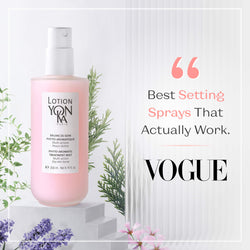
After cleansing, never leave your skin bare for more than 60 seconds. While the skin is still slightly damp, apply Lotion Yon-Ka PS. This alcohol-free mist, enriched with the Quintessence, does more than just tone; it hydrates and prepares the skin to better absorb the serums and moisturizers that follow. Think of a dry sponge—it absorbs liquid much better if it is already slightly damp.
Step 3: Targeted Treatment with Serums
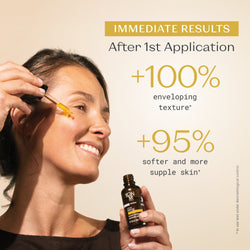
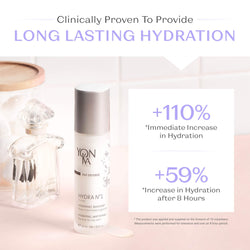
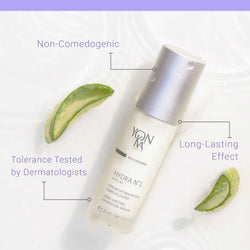
Serums are the heavy lifters of your routine. For intense hydration, look to Hydra n°1 Serum. This creamy, non-greasy fluid contains double the concentration of hyaluronic acid to reach deeper into the skin’s surface layers. If your skin feels exceptionally thin or "empty," adding a lipid-restoring oil like Serum Omega can provide the essential fatty acids needed to rebuild the skin’s structural integrity.
Step 4: Deep Moisturizing and Protection
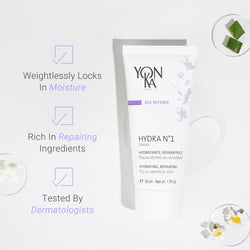
The final layer should be a robust cream that acts as a protective blanket. Hydra n°1 Crème is specifically designed for dry to very dry skin, utilizing repairing ingredients like hazelnut oil and grape seed oil. In the morning, always follow your moisturizer with a broad-spectrum sunscreen to protect the skin barrier from UV damage, which can exacerbate dryness and lead to premature aging.
Note: When introducing new phyto-aromatic products into your routine, we recommend a simple patch test. Apply a small amount to your inner forearm and wait 24 hours to ensure your skin welcomes the active botanical ingredients.
Weekly Interventions: Beyond the Daily Routine
Sometimes, daily moisturizing isn't enough to combat extreme dryness or seasonal shifts. Integrating targeted weekly treatments can provide the "reset" your skin needs.
Gentle Exfoliation
It may seem counterintuitive to exfoliate dry skin, but dead skin cells can form a barrier that prevents your moisturizers from penetrating. However, avoid harsh physical scrubs with jagged beads. Instead, use a grain-free peel like Gommage Yon-Ka. This botanical gel uses citrus extracts to gently lift away dead cells while hydrating the skin, leaving it soft and receptive to treatment.
Intensive Masking
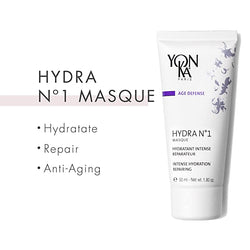
A weekly "hydration soak" can transform the appearance of dry skin. Hydra n°1 Masque can be applied in a thick layer for 10–15 minutes, or for those with severely parched skin, it can be applied as a thin layer and left on overnight. This allows the time-released hydrating active ingredients to work with the skin's natural repair cycle during sleep.
The Power of Boosters
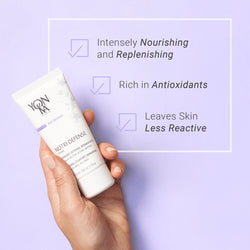
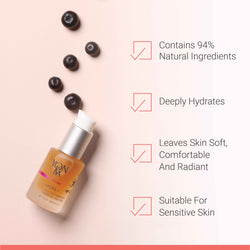
Skincare is not one-size-fits-all. Some days, your skin might feel drier than others due to travel, stress, or weather. You can customize your existing moisturizer by adding a few drops of a concentrated booster. Nutri + Booster is an oil-based concentrate rich in nourishing ingredients that can be mixed into your daily cream to provide an extra surge of nourishment when you need it most.
Environmental and Lifestyle Adjustments
What you put on your skin is only half the battle. Your environment and daily habits play a significant role in how much moisture your skin retains.
- Mind the Temperature: While a steaming hot shower feels relaxing, it is one of the fastest ways to strip lipids from your skin. Use lukewarm water for your face and body to preserve your natural oils.
- Humidify Your Space: Central heating and air conditioning strip moisture from the air, which in turn pulls moisture from your skin (a process called transepidermal water loss). Running a humidifier in your bedroom at night can significantly reduce morning tightness.
- Strategic Application: Apply your skincare in the bathroom while the air is still steamy from your shower. This helps "trap" that ambient humidity into your skin.
- Dietary Fats: Healthy skin starts from within. Ensure your diet includes plenty of healthy fats, such as avocados, walnuts, and flaxseeds, which provide the building blocks for your skin’s natural lipid barrier.
| Product Type | Why Dry Skin Needs It | Recommended Yon-Ka Product |
|---|---|---|
| Cleanser | To clean without stripping lipids | Lait Nettoyant |
| Toner/Mist | To hydrate and prep the skin | Lotion Yon-Ka PS |
| Serum | To deliver deep water-based hydration | Hydra n°1 Serum |
| Moisturizer | To seal in moisture and protect | Hydra n°1 Crème |
| Mask | For intensive weekly repair | Hydra n°1 Masque |
When to Seek Professional Guidance
If your skin remains persistently dry, cracked, or painful despite a consistent routine, it may be time to consult a professional.
Professional Spa Treatments
There is a level of hydration that can only be achieved in the treatment room. A professional Yon-Ka treatment, such as the Hydralessence facial, uses specialized techniques and high-concentration professional formulas to deeply drench the skin in moisture. Our global network of over 7,000 skincare professionals is trained to analyze your skin and provide a personalized prescription. You can find a local partner using our Spa Locator on our website.
Consulting a Dermatologist
While cosmetic products can beautifully manage the appearance of dry skin, certain conditions require medical intervention. If you notice persistent redness that won't go away, extreme itching, or patches that look like scales, you may be dealing with a medical condition like eczema, psoriasis, or rosacea. In these cases, a dermatologist can provide a diagnosis and potentially prescribe medicated topicals that work alongside your supportive skincare ritual.
Conclusion
Managing dry skin is an act of patience and ritual. By choosing products rich in botanical humectants and lipids, and following a consistent routine of cleansing, misting, and moisturizing, you can transform a tight, dull complexion into one that feels comfortable and radiant. At Yon-Ka Paris, our 70-year heritage is rooted in the belief that skincare should be a holistic, sensorial experience that delivers visible, professional-level results.
Key Takeaway: Success with dry skin comes from consistency, not "miracle" ingredients. By layering moisture and protecting your barrier, you allow your skin to function at its best.
If you are unsure which specific products are right for your unique skin concerns, we invite you to take our Skin Diagnosis quiz or use the Product Matcher on our website. Embracing the power of phyto-aromatic care is a journey toward the healthy, glowing skin you deserve.
FAQ
Should I put oil or cream on dry skin first?
You should generally apply your water-based products first and your oil-based products last. In a typical ritual, this means applying a serum, followed by a moisturizer, and then a face oil if needed to "seal" everything in. However, some modern oil-in-serums are designed to be used under a cream; always follow the specific instructions for your chosen product.
Why does my face still feel dry even after I moisturize?
This often happens if you are applying moisturizer to bone-dry skin or if your skin is lacking "water" rather than "oil." If your barrier is compromised, moisture evaporates as soon as it's applied. To fix this, use a hydrating mist like Lotion Yon-Ka before your cream, and ensure your moisturizer contains occlusive ingredients to prevent water loss.
Can I use retinol if I have dry skin?
Yes, but you must proceed with caution. Retinol can sometimes cause dryness or flaking during the initial stages. To minimize this, ensure your baseline routine is deeply hydrating and consider the "sandwich method"—applying a thin layer of moisturizer, then your retinol product, and then another layer of moisturizer to protect the skin barrier.
Is it better to wash my face once or twice a day if it's dry?
If your skin is very dry, you may find that a thorough cleanse in the evening is sufficient to remove the day's impurities, followed by a simple splash of water or a misting of Lotion Yon-Ka in the morning. This prevents over-cleansing and helps preserve the natural oils your skin produced while you slept.
Piel seca y deshidratada