Table of Contents
- Introduction
- Understanding Why Facial Skin Becomes Dry and Flaky
- The Foundations of Soothing Dry Skin
- Which Ingredients Best Address Flakiness?
- Step-by-Step: The Yon-Ka Ritual for Dry Skin
- The Myth of Scrubbing Away Flakes
- Common Pitfalls to Avoid When Treating Dry Skin
- Professional Care and Lifestyle Support
- Conclusion
- FAQ
Introduction
Waking up to a complexion that feels tight, looks dull, and shows visible flakes can be a frustrating start to the day. That rough texture often makes it difficult for makeup to sit smoothly and can leave the skin feeling uncomfortably reactive to the elements. At Yon-Ka Paris, we believe that addressing dry, flaky skin requires more than just a heavy cream; it demands a mindful, phyto-aromatic ritual that respects the skin’s delicate moisture barrier while delivering deep, botanical nutrition. This article explores the root causes of facial flakiness, the essential ingredients your skin is likely craving, and the specific steps you can take to restore a supple, radiant appearance. By understanding how to properly layer hydration and protection, you can transform the look of dry skin into a soft, healthy-looking glow.
Understanding Why Facial Skin Becomes Dry and Flaky
Before deciding what to put on dry flaky skin on face, it is essential to understand why these flakes appear in the first place. Flakiness is essentially a visible sign that your skin’s outermost layer—the stratum corneum—is struggling to maintain its integrity. When this barrier is compromised, moisture escapes through a process called transepidermal water loss (TEWL), and the skin’s natural shedding process becomes disrupted.
The Role of the Skin Barrier
The skin barrier acts like a "brick and mortar" structure. The skin cells are the bricks, and lipids (oils and fats) are the mortar. When the mortar is depleted due to age, harsh weather, or aggressive products, the bricks become loose. This results in the rough, scaly patches we recognize as flaky skin. In many cases, the skin isn't just lacking oil; it is also lacking water, leading to a state of dehydration that exacerbates the texture issues.
Environmental and Lifestyle Triggers
External factors play a significant role in how our skin behaves. Cold winter air holds very little moisture, and indoor heating systems further strip the humidity from our environment. Conversely, excessive sun exposure can damage the skin’s ability to retain hydration, leading to a "leaky" barrier. Even the temperature of your shower matters; very hot water can dissolve the natural oils your skin needs to stay smooth, leaving you with that tell-tale post-cleansing tightness.
The Impact of Biological Aging
As we age, our skin naturally produces fewer lipids and less sebum (natural oil). This decline often begins in our 40s and continues as we mature. This biological shift means that the products and routines that worked in our 20s may no longer provide sufficient support. Transitioning to a more nourishing, plant-based routine can help address these changing needs by supplementing the skin with the botanical fats and humectants it can no longer produce in abundance.
Quick Answer: To address dry, flaky skin on the face, use a gentle, non-foaming milk cleanser, followed by a hydrating mist and a serum rich in hyaluronic acid or plant oils. Finish with a lipid-rich moisturizer to seal in hydration and protect the skin barrier from further moisture loss.
The Foundations of Soothing Dry Skin
When your skin is in a state of crisis—red, tight, or visibly peeling—the instinct is often to reach for the thickest, greasiest balm available. While occlusives (ingredients that trap moisture) are helpful, the skin also needs humectants (ingredients that draw water in) and emollients (ingredients that smooth the surface).
Gentle Cleansing is Non-Negotiable
The first thing to put on dry skin is actually "less." Specifically, less friction and fewer harsh surfactants. Many traditional cleansers use sulfates to create a bubbly lather, but these can strip away the very lipids your skin is desperately trying to preserve. We recommend starting your ritual with a product like Lait Nettoyant. This cleansing milk is designed to be barrier-respecting, using gentle emulsifiers to remove impurities without disrupting the skin's pH or moisture levels.
The Importance of the "Phyto-Mist"
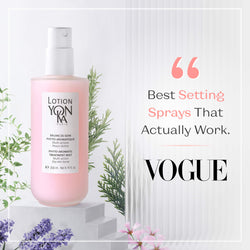
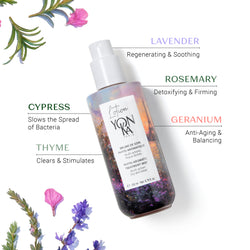
In the Yon-Ka ritual, the toning step is never about "stripping" the skin with alcohol. Instead, we use Lotion Yon-Ka PS, a phyto-aromatic mist infused with our signature Quintessence. This exclusive complex of five essential oils—lavender, geranium, rosemary, cypress, and thyme—is the foundation of our formulas. Spraying this onto the skin provides immediate comfort and prepares the face to better absorb the serums and creams that follow. Applying your moisturizer to slightly damp skin is one of the most effective ways to "lock in" extra hydration.
Which Ingredients Best Address Flakiness?
Navigating the world of skincare ingredients can be overwhelming. When looking for what to put on dry flaky skin on face, focus on these scientifically-backed botanical and biological actives.
Hyaluronic Acid: The Hydration Hero
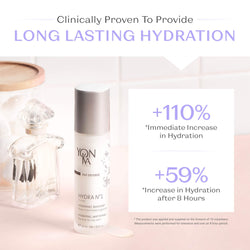
Hyaluronic acid is a humectant, a substance that can hold up to 1,000 times its weight in water. Because it occurs naturally in the body, it is exceptionally well-tolerated. For flaky skin, look for products that utilize different molecular weights of hyaluronic acid. Larger molecules sit on the surface to provide immediate smoothing, while smaller molecules support hydration within the deeper layers of the epidermis. Our Hydra n°1 collection is specifically formulated around this powerhouse ingredient.
Omega Fatty Acids and Plant Oils
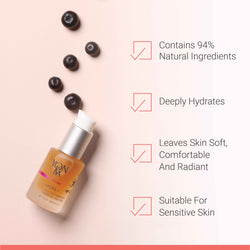
If your skin is flaky, it is likely crying out for lipids. Plant oils rich in omega 3, 6, and 9 fatty acids help to repair the "mortar" of the skin barrier. Ingredients like sacha inchi oil, raspberry seed oil, and shea butter are excellent for this. They don't just sit on top of the skin; they integrate with the skin's own lipid layer to improve flexibility and softness. Serum Omega is an ideal choice for those who need a concentrated boost of these essential lipids to combat the appearance of dry, "cracked" skin.
Aloe Vera and Vegetable Glycerin
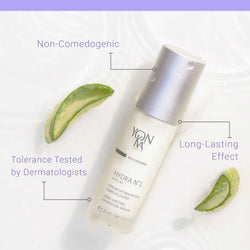
These classic botanical ingredients remain favorites for a reason. Aloe vera provides a soothing, cooling effect that is perfect for skin that feels irritated by its own dryness. Vegetable glycerin acts as a reliable humectant that helps the skin maintain a soft, supple texture even in lower humidity environments.
Key Takeaway: Effective treatment for flakiness requires a three-pronged approach: humectants to attract water, emollients to smooth the skin's surface, and occlusives to prevent moisture from evaporating.
Step-by-Step: The Yon-Ka Ritual for Dry Skin
Consistency is the secret to moving from flaky to fabulous. Here is how we recommend structuring your daily ritual to support dry, distressed skin.
Step 1: Gentle Cleansing
Morning and night, apply a creamy cleanser like Lait Nettoyant to dry skin. Massage it in with your fingertips using light, circular motions. Rinse with lukewarm—never hot—water. This ensures you are removing debris without triggering further dryness.
Step 2: Prepare and Mist
While the skin is still slightly damp, mist generously with Lotion Yon-Ka PS (the version specifically for dry and sensitive skin). The aromatic scent of the Quintessence—lavender, geranium, rosemary, cypress, and thyme—not only benefits the skin but also provides a moment of sensorial relaxation, or aromachology.
Step 3: Targeted Serum
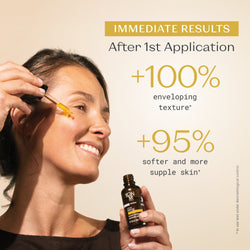
Apply a hydrating serum to address the underlying dehydration. If your skin is extremely dry and showing signs of distress, Hydra N°1 Serum or Serum Omega can be applied. These formulas are designed to deliver active ingredients deep into the skin's surface layers where they are needed most.
Step 4: Moisturize and Seal
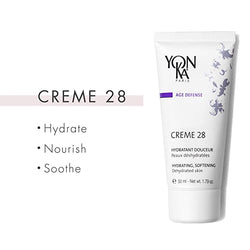
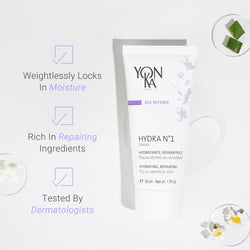
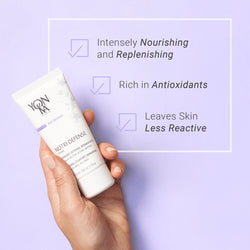
Layer on a rich cream like Hydra N°1 Crème. This provides the necessary emollients to smooth down visible flakes and create a protective shield against environmental stressors. In the morning, always follow with a broad-spectrum sunscreen, as UV damage is a primary contributor to barrier degradation.
Step 5: Weekly Intensive Treatment
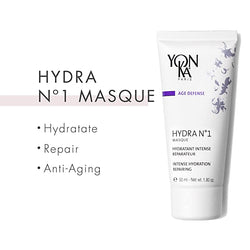
Once or twice a week, swap your night cream for a deep-conditioning mask. Hydra N°1 Masque is a cult favorite for a reason; it can be applied in a thick layer and left on overnight to provide intensive repair for very dry, flaky patches.
The Myth of Scrubbing Away Flakes
One of the most common mistakes people make when they see flakes is reaching for a harsh scrub. It feels intuitive: "There is dead skin on my face, so I must scrub it off." However, this is often the worst thing you can do for dry skin.
Why Mechanical Scrubs Can Be Harmful
When skin is flaky, its barrier is already weak. Using abrasive grains or "scrubby" beads can create micro-tears in the skin, leading to more inflammation, redness, and—ironically—more flakiness as the skin tries to heal itself. This creates a repetitive cycle of irritation that is difficult to break.
The Gentle Alternative: Gommage
Instead of a mechanical scrub, we recommend a "gommage" approach. Gommage Yon-Ka is a unique, grain-free exfoliator. It uses botanical enzymes and extracts to gently lift away dead skin cells without any abrasive friction. You apply it as a thin layer, let it sit for a moment, and then gently "roll" it off with your fingertips. This method respects the skin's integrity while effectively smoothing the texture.
Note: When introducing any new active product or essential oil-rich formula, we recommend a simple patch test. Apply a small amount to your inner forearm and wait 24 hours to ensure your skin welcomes the botanical blend. A slight, temporary tingling can be normal with active essential oils, but persistent redness indicates you should reduce frequency.
Common Pitfalls to Avoid When Treating Dry Skin
Even with the best products, certain habits can undermine your progress. If you are struggling to see improvement, check your routine for these common errors.
Over-using Active Acids
Ingredients like glycolic acid (AHA) or salicylic acid (BHA) can be wonderful for brightening, but if your skin is already flaky, they may be too aggressive. While a product like Glyconight 10% Masque is excellent for gentle overnight resurfacing, it should be introduced slowly—perhaps once or twice a week—once the skin's initial dryness has been stabilized.
Ignoring the Water Temperature
We have mentioned it before, but it bears repeating: hot water is a thief of moisture. While a steaming shower feels good on a cold day, it leaches the natural oils from your face. Aim for "room temperature" or lukewarm water when washing your face to preserve your natural lipid barrier.
Relying Solely on "Slugging"
The trend of "slugging"—applying a thick layer of petroleum jelly over your skincare—can be helpful for some, but it only addresses the occlusive part of the equation. If you put an occlusive over skin that is already dehydrated (lacking water), you are simply trapping in the dryness. You must apply a humectant-rich serum and a moisturizing cream before any heavy occlusive to ensure you are actually adding moisture, not just sealing the surface.
Professional Care and Lifestyle Support
Sometimes, at-home care needs a boost from a professional. If your skin remains persistently flaky despite a consistent ritual, it may be time to visit a professional.
The Power of Professional Treatments
A licensed aesthetician can perform deep-hydration treatments that are difficult to replicate at home. Using professional-grade versions of our formulas and specialized massage techniques, a Yon-Ka professional can help "reset" your skin's moisture levels. You can use our Spa Locator to find a partner facility near you for a tailored consultation.
Lifestyle Factors for Supple Skin
What you put into your body matters as much as what you put on it.
- Hydration: Drink plenty of water throughout the day. While it won't "cure" dry skin overnight, systemic hydration supports overall skin health.
- Healthy Fats: Incorporating foods rich in Omega-3s, such as walnuts, flaxseeds, and fatty fish, can support your skin's lipid production from the inside out.
- Humidify: Use a humidifier in your bedroom at night. This adds moisture to the air, preventing the environment from "stealing" water from your skin while you sleep.
Conclusion
Addressing the question of what to put on dry flaky skin on face requires a shift in perspective—from "fixing" a problem to nurturing a delicate ecosystem. By prioritizing gentle cleansing with Lait Nettoyant, layering hydration with Lotion Yon-Ka PS, and deeply nourishing the barrier with lipid-rich serums and creams like Hydra n°1, you can effectively reduce the appearance of flakiness. Skincare is a ritual worth savoring, and at Yon-Ka Paris, we remain dedicated to the power of plants and our 70 years of phyto-aromatic expertise to help you achieve your most radiant skin.
"True beauty is found in the balance between scientific rigor and the sensorial wisdom of nature."
If you are unsure which products are right for your specific skin type, we invite you to take our Skin Diagnosis quiz or use the Product Matcher on our website. Taking the time to understand your skin's unique needs is the first step toward a lifetime of healthy, glowing results.
FAQ
Can I use retinol if my skin is flaky?
Retinol can be drying and may exacerbate existing flakiness if used too frequently or without proper support. If you wish to use retinol, we recommend first stabilizing your skin’s moisture barrier with the Hydra n°1 collection. Once your skin feels supple, introduce retinol slowly and always layer it with a lipid-rich moisturizer to counteract potential dryness.
Is flaky skin the same as dry skin?
Not necessarily. Dry skin is a skin type that lacks oil, while flaky skin is a condition that can affect any skin type, including oily skin. Even oily skin can become dehydrated and flaky if the moisture barrier is damaged or if the skin is lacking water. It is important to treat the flakiness by restoring hydration and repairing the barrier regardless of your underlying skin type. For a deeper breakdown, see dry vs. dehydrated skin.
How often should I exfoliate my flaky skin?
When your skin is visibly flaking, you should limit exfoliation to once a week using a very gentle, grain-free product like Gommage Yon-Ka. Avoid harsh physical scrubs or high-strength acid peels until the flakiness has subsided and your skin no longer feels tight or sensitive. Over-exfoliating will only lead to further barrier damage and more peeling.
When should I see a dermatologist about my flaky skin?
If your skin is persistently red, itchy, or painful, or if the flakiness is accompanied by crusting or bleeding, it is time to consult a physician or dermatologist. These can be signs of underlying medical conditions such as eczema, psoriasis, or seborrheic dermatitis, which may require prescription-strength treatments beyond standard cosmetic skincare. For a next step in professional guidance, you can also explore what to use for dry skin on face.
Piel seca y deshidratada