Table of Contents
- Introduction
- Understanding the Difference Between Dry and Dehydrated Skin
- Why Your Face Feels Dry: Common Culprits
- The Professional Routine for Dry Facial Skin
- Essential Ingredients for Relieving Dryness
- Advanced Care: Weekly Rituals and Masks
- Lifestyle Adjustments for Healthier Skin
- How to Manage Flaky Patches and Irritation
- Conclusion
- FAQ
Introduction
Waking up to a face that feels tight, looks flaky, or lacks its usual luminosity can be a frustrating start to the day. For many, dry skin on the face is more than just a cosmetic annoyance; it is a source of physical discomfort that can make even the simplest expressions feel strained. Whether your skin is naturally predisposed to dryness or you are reacting to a harsh winter wind, the solution lies in moving away from quick fixes and toward a dedicated, barrier-respecting ritual. At Yon-Ka Paris, we believe that restoring comfort to the complexion requires a fusion of botanical science and consistent, layered care. In this article, we will explore the underlying causes of facial dryness, the essential ingredients your skin is craving, and a professional-grade routine designed to replenish moisture and restore your natural glow. Understanding the nuances of your skin is the first step toward achieving a supple, resilient, and hydrated appearance.
Quick Answer: To address dry skin on the face, switch to a gentle milk cleanser, avoid hot water, and apply a humectant-rich serum followed by an oil-based moisturizer to seal in hydration. Incorporating plant-based oils and barrier-repairing ingredients like ceramides and essential fatty acids can help restore the skin's protective lipid layer.
Understanding the Difference Between Dry and Dehydrated Skin
Before adjusting your routine, it is vital to understand exactly what your skin is experiencing. While the terms "dry" and "dehydrated" are often used interchangeably, they describe two distinct conditions that require different approaches.
Dry Skin is a Skin Type
Dry skin is typically a genetic predisposition. If you have this skin type, your sebaceous glands do not produce enough sebum (natural oils). Because oil acts as the "mortar" between your skin cells, a lack of it leads to a compromised barrier. This can result in a texture that feels rough, looks dull, and is prone to premature fine lines.
Dehydrated Skin is a Skin Condition
Dehydration can happen to any skin type—even oily skin. It refers to a lack of water, not oil, in the stratum corneum (the outermost layer of the skin). This is often caused by external factors like weather, air conditioning, or using products that are too aggressive. Dehydrated skin often looks "crinkled" when gently pinched and may feel tight even if there is oil on the surface.
Key Takeaway: Dry skin lacks oil (lipids), while dehydrated skin lacks water. Most people experiencing significant facial discomfort are dealing with a combination of both, requiring a ritual that addresses both oil replenishment and moisture retention.
Why Your Face Feels Dry: Common Culprits
The skin on our face is thinner and more exposed than the skin on much of our body, making it highly susceptible to moisture loss. Identifying the trigger is the most effective way to determine what to do if you have dry skin on your face.
Environmental Triggers
Low humidity is a primary cause of transepidermal water loss (TEWL), a process where moisture evaporates from the skin into the air. This occurs most frequently in the winter when the air is cold and dry, or indoors where central heating strips the environment of moisture. Conversely, excessive sun exposure can damage the skin barrier, leading to a "leaky" epidermis that cannot hold onto hydration.
The Hot Water Habit
While a steaming hot shower may feel relaxing, it is one of the most common ways to damage the skin’s lipid barrier. Hot water strips away the natural oils that keep your skin soft and protected. This often leaves the face feeling "squeaky clean," which is actually a sign that the skin has been over-stripped and is now vulnerable to irritation.
Harsh Skincare Ingredients
Many traditional cleansers and toners contain sulfates (SLS) or high concentrations of denatured alcohol. These ingredients are designed to remove oil, but they often do their job too well, removing the beneficial lipids your skin needs to stay healthy. If your products cause a stinging or burning sensation, they may be contributing to your dryness.
Biological Changes and Aging
As we age, our skin naturally slows down the production of sebum and essential molecules like hyaluronic acid—a natural sugar in our body that acts as a moisture magnet. This decline often becomes more noticeable in our 40s and 50s, particularly during hormonal shifts like menopause, leading to a sudden increase in facial dryness and a loss of elasticity.
The Professional Routine for Dry Facial Skin
Restoring the appearance of dry skin is not about finding one "miracle" cream; it is about a layered ritual that respects the skin's physiology. Following a consistent sequence allows each product to perform its specific function effectively.
Step 1: Gentle, Lipid-Respecting Cleansing
The first rule for dry skin is to stop stripping it. Instead of foaming gels that can be aggressive, choose a creamy cleansing milk like Lait Nettoyant. This type of cleanser removes impurities and makeup while maintaining the skin's natural pH and lipid balance.
How to use: Apply with your fingertips in circular motions, then rinse with lukewarm—never hot—water. If your skin is extremely dry, you can even remove it with a soft cloth or a damp cotton pad to minimize water contact.
Step 2: Prepare with a Phyto-Aromatic Mist
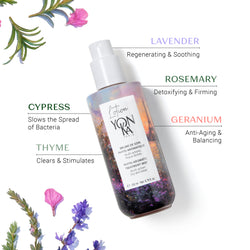
After cleansing, the skin needs to be rebalanced and prepared for treatment. A common mistake is letting the skin dry completely before applying moisturizer. Instead, use a hydrating mist like Lotion Yon-Ka PS (specifically formulated for dry skin). This alcohol-free mist features our signature Quintessence—a blend of lavender, geranium, rosemary, cypress, and thyme—to drench the skin in moisture and enhance the absorption of the products that follow.
Step 3: Targeted Treatment with Serums
Serums are concentrated formulas designed to deliver active ingredients deep into the skin's surface. For dry skin, you need ingredients that either attract water or replenish lipids.
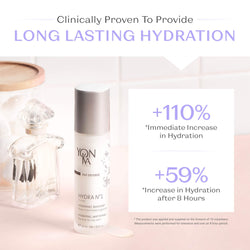
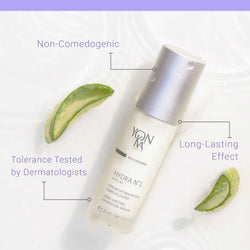
- For Dehydration: Look for hyaluronic acid, which can hold up to 1,000 times its weight in water. Hydra n°1 Serum is an excellent choice for long-lasting hydration.
- For Deep Dryness: If your skin feels brittle, it needs oil. Serum Omega provides essential fatty acids (omega 3, 6, and 9) to repair the appearance of the skin barrier and restore suppleness.
Step 4: Moisturize and Seal
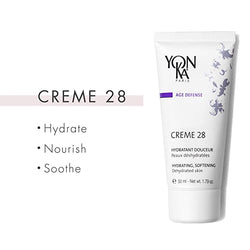
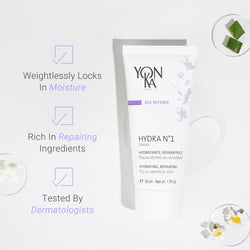
The final step in your daily ritual is applying a cream that acts as a protective shield. For those with significantly dry skin, Hydra n°1 Creme provides a repair-focused formula that smooths the look of fine lines and provides a comforting "cocoon" effect. During the day, always follow this with a broad-spectrum sunscreen, as UV damage is a silent contributor to chronic dryness.
Note: When introducing new botanical-rich products into your routine, we recommend performing a patch test on your inner forearm for 24 hours. While our formulas are designed for tolerance, everyone's skin is unique. A slight, temporary tingling may occur due to the activity of essential oils, but persistent redness or itching is a sign to discontinue use.
Essential Ingredients for Relieving Dryness
When reading product labels, look for these key ingredients that are scientifically recognized for their ability to support the skin's moisture levels.
- Hyaluronic Acid: A humectant that pulls moisture from the air into the skin.
- Glycerin: A classic, reliable ingredient that helps the skin retain moisture.
- Ceramides: Lipid molecules that act as the "glue" between skin cells, preventing water loss and keeping irritants out.
- Vegetal Oils: Oils like jojoba, hazelnut, and raspberry seed oil mimic the skin’s natural sebum to provide deep nourishment.
- Vitamin E: A powerful antioxidant that helps protect the skin barrier from environmental stressors.
- Aloe Vera: Provides immediate soothing and hydration for irritated, dry patches.
Advanced Care: Weekly Rituals and Masks
Sometimes, a daily moisturizer isn't enough to combat extreme dryness, especially during seasonal transitions. This is where intensive treatments come into play.
The Power of Overnight Masks
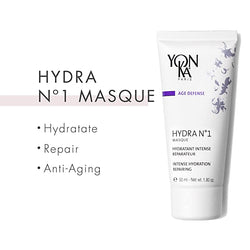
The skin goes into repair mode while we sleep, making it the perfect time for a deep hydration treatment. Using a product like Hydra n°1 Masque once or twice a week can provide a significant boost. You can apply a thick layer for 10 minutes and then tissue off the excess, or for a more intensive treatment, apply a thin layer and leave it on overnight.
Gentle Exfoliation
It may seem counterintuitive to exfoliate dry skin, but dead skin cell buildup can prevent your moisturizers from penetrating effectively. However, you must avoid harsh physical scrubs with large grains, which can create micro-tears in a fragile barrier. Instead, use a grain-free peel like Gommage Yon-Ka. This gentle botanical formula uses carob and lime to lift away dead cells without irritation, leaving the skin smooth and ready to absorb hydration.
Professional Spa Treatments
There is no substitute for the hands of a professional. If your dryness persists or you want to reset your skin, visiting a partner spa for a facial or a deep hydration treatment can provide results that are difficult to achieve at home. A licensed esthetician can analyze your skin and provide a personalized roadmap for your concerns. You can find a professional near you using our Spa Locator.
Lifestyle Adjustments for Healthier Skin
Skincare is a holistic endeavor. What you do outside of your bathroom also dictates how your skin behaves.
- Sleep with a Humidifier: If you live in a dry climate or use indoor heating, a humidifier in the bedroom can significantly reduce the amount of moisture your skin loses overnight.
- Hydrate from Within: While drinking water doesn't directly "water" your skin cells, general dehydration can make the skin appear more sallow and less resilient.
- Dietary Fats: Incorporate healthy fats like avocados, walnuts, and flaxseeds into your diet. These provide the building blocks for the lipids that keep your skin barrier strong.
- Lower the Temp: When washing your face or body, use lukewarm water. If the water is causing your skin to turn red, it is too hot.
- Protect from Wind: In winter, use a silk or cotton scarf to protect your face from biting winds, which can cause windburn and extreme dryness.
How to Manage Flaky Patches and Irritation
When you have visible flaking, the temptation is to scrub it off. This is usually a mistake that leads to more inflammation.
- Don't Pick: Peeling or scratching at dry skin can lead to raw spots or even scarring.
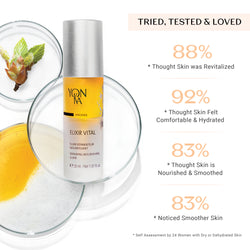
- Use a Booster: If your usual cream isn't cutting it, add a few drops of an oil-based booster like Nutri+ Booster or Elixir Vital. These can be mixed directly into your moisturizer to increase its nourishing properties.
- Soothe the Area: For localized dry patches, a soothing cream or a dab of botanical oil can provide immediate relief.
- Consult a Professional: If your dry skin is accompanied by intense itching, oozing, or persistent red plaques that do not respond to over-the-counter care, it is important to consult a physician or dermatologist. Conditions like eczema, psoriasis, or seborrheic dermatitis require medical diagnosis and specific treatments that go beyond cosmetic skincare.
| Action | Why it Helps | Product Type |
|---|---|---|
| Switch to a Milk Cleanser | Protects the lipid barrier from being stripped. | Lait Nettoyant |
| Apply Mist to Damp Skin | Locks in extra moisture and balances pH. | Lotion Yon-Ka PS |
| Add a Lipid Booster | Provides essential fatty acids for barrier repair. | Nutri + Booster |
| Use a Weekly Hydrating Mask | Deeply replenishes water stores in the epidermis. | Hydra n°1 Masque |
Bottom line: Addressing dry skin is a journey of restoration. By swapping harsh habits for barrier-supporting botanical rituals, you can transform a tight, dull complexion into one that feels comfortable and looks radiant.
Conclusion
Determining what to do if you have dry skin on your face is the first step toward a lifetime of skin health. By focusing on gentle cleansing, layering humectants and emollients, and protecting your barrier from environmental stressors, you can move away from discomfort and toward a soft, supple complexion. Skincare is not a one-size-fits-all solution; it is a ritual worth savoring, built on consistency and the highest quality botanical ingredients. If you are unsure which products are right for your specific needs, we invite you to take our Skin Diagnosis quiz or use our Product Matcher to find your perfect fit. At Yon-Ka Paris, we remain dedicated to the power of phyto-aromatic expertise, ensuring every step of your routine is as effective as it is sensorial.
“Skincare is an act of self-care. When we provide the skin with the botanical nutrients it craves, we aren't just changing how we look; we are changing how we feel in our own skin.” — The Yon-Ka Team
Explore our complete Intensive and hydra-focused collection to find the targeted solutions your skin deserves.
FAQ
Can I use a face oil if my skin is dry but also prone to breakouts?
Yes, but you must choose the right type of oil. Many people with dry, blemish-prone skin find that non-comedogenic vegetal oils actually help balance their skin. Oils like hazelnut or those found in our specialized boosters can provide the lipids dry skin needs without clogging pores, provided you are also using a water-based hydrator. For skin that needs more guided support, the Skin Diagnosis quiz can help narrow down the best ritual.
How long does it take for dry skin to start looking better?
While you may feel immediate relief after applying a rich moisturizer or mist, repairing the appearance of a compromised skin barrier typically takes about 28 to 30 days. This is the length of a full skin cell turnover cycle. Consistency with your morning and evening ritual is key to seeing lasting results.
Should I stop exfoliating if my face is peeling?
You should stop using harsh physical scrubs, but gentle, grain-free exfoliation can actually help. Removing the dead, flaky cells allows your hydrating serums and creams to penetrate more deeply. We recommend using a gentle peel like Gommage Yon-Ka once a week once the initial irritation has subsided. If you want professional guidance, explore our Spa Treatments.
Is drinking more water the best way to fix dry skin?
While hydration is important for your overall health, drinking water alone will not fix dry skin. Dry skin is often a result of a damaged barrier that cannot hold onto moisture, or a lack of oil production. You must address the issue topically with ingredients that seal in moisture and replenish the skin's surface lipids. For a deeper understanding of what goes into these formulas, visit Our Ingredients.
Piel seca y deshidratada