Table of Contents
- Introduction
- Understanding the Anatomy of Dry Skin
- The Three Pillars of Effective Hydration
- Why Phyto-Aromatic Care is Different
- Dry vs. Dehydrated: Knowing the Difference
- Top Yon-Ka Recommendations for Dry Skin
- The Importance of the Skincare Ritual
- Environmental Factors and Dry Skin
- Advanced Solutions for Very Dry Skin
- Finding Your Perfect Match
- Conclusion
- FAQ
Introduction
That unmistakable feeling of tightness after cleansing, the appearance of fine, parched lines, and the frustration of makeup clinging to flaky patches are all signals from your skin that it is craving deep, restorative hydration. Finding what face moisturizer is good for dry skin is about more than just surface-level relief; it is about discovering a ritual that restores the skin's protective barrier and brings back a soft, supple glow. At Yon-Ka Paris, we believe that treating dry skin requires a sophisticated blend of nature’s most potent botanicals and pharmaceutical-grade science to deliver lasting comfort. This guide explores the essential ingredients dry skin needs, how to distinguish between dryness and dehydration, and the professional-grade solutions designed to transform a thirsty complexion into one that feels resilient and radiant.
Quick Answer: The best face moisturizer for dry skin should contain a strategic combination of humectants (like hyaluronic acid) to draw in moisture, emollients (like squalane or ceramides) to smooth the surface, and occlusives (like shea butter) to lock hydration in. A rich, cream-based formula is typically superior to lightweight lotions for long-lasting comfort.
Understanding the Anatomy of Dry Skin
To understand what makes a moisturizer effective, we must first look at why skin becomes dry. Dryness is often a result of a compromised skin barrier. Think of your skin cells like bricks and the lipids (natural fats and oils) as the mortar holding them together. When this "mortar" is weakened by genetics, aging, or environmental stressors like cold air and harsh soaps, moisture escapes, and irritants can enter.
Dry skin is specifically characterized by a lack of oil (sebum). Without enough natural oil, the skin cannot effectively lubricate itself or prevent transepidermal water loss (TEWL). This leads to the rough texture and dullness often associated with a dry complexion. Because the barrier is thin, dry skin can also become sensitive or reactive, meaning it requires soothing, barrier-respecting formulas that do more than just sit on the surface. To see how we build those formulas, explore Our Ingredients.
The Three Pillars of Effective Hydration
When evaluating what face moisturizer is good for dry skin, dermatologists and skincare experts look for a specific "trio" of ingredient types. A truly effective moisturizer for a parched complexion doesn't rely on a single miracle ingredient; it utilizes a layered approach to hydration.
Humectants: The Moisture Magnets
Humectants are ingredients that attract water. They work like tiny sponges, pulling moisture from the air or from the deeper layers of the dermis up into the epidermis (the outer layer).
- Hyaluronic Acid: A gold standard in skincare, this molecule can hold up to 1,000 times its weight in water, providing an immediate "plumping" effect to the appearance of skin.
- Glycerin: A classic but powerful humectant that helps skin feel soft and helps prevent irritation.
- Aloe Vera: Known for its soothing properties, it provides a burst of watery hydration that is especially beneficial for dry, sensitive types.
Emollients: The Smoothers
Emollients fill in the microscopic gaps between skin cells where the natural lipid barrier has been depleted. They smooth the skin’s surface and improve its overall flexibility and texture.
- Squalane: A stable, plant-derived version of squalene (a lipid naturally found in our skin), it is incredibly compatible with the skin’s own oils.
- Ceramides: These are essential fatty acids that help maintain the skin's structural integrity. Adding ceramides through a moisturizer helps "repair" the look of the barrier.
- Plant Oils: Botanical oils like grape seed, hazelnut, or sacha inchi provide essential nutrients while softening the skin.
Occlusives: The Protectors
Occlusives are the "sealants." They create a physical barrier on top of the skin to prevent moisture from evaporating into the air. For those with very dry skin, occlusives are the most critical step in a nighttime routine.
- Shea Butter: A rich, botanical butter that provides deep nourishment and a protective film.
- Beeswax or Vegetable Waxes: These help give creams a thicker consistency and provide a durable shield against environmental aggressors.
Key Takeaway: Effective moisturization for dry skin requires a balance of humectants to hydrate, emollients to smooth, and occlusives to seal, ensuring that moisture stays exactly where it belongs.
Why Phyto-Aromatic Care is Different
At the heart of our philosophy is the understanding that skincare should be a holistic, sensorial experience that yields professional results. While synthetic moisturizers can provide basic barrier protection, our phyto-aromatic approach utilizes the life force of plants to revitalize the skin’s appearance.
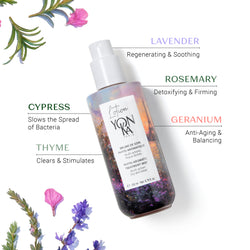
Our signature Quintessence—a proprietary complex of lavender, geranium, rosemary, cypress, and thyme essential oils—is infused into our dry skin formulations. This 100% natural and active complex does more than just provide a beautiful scent; it supports the skin’s natural functions, helping it look more balanced and revitalized. Learn more about this approach in Our Story.
Dry vs. Dehydrated: Knowing the Difference
A common mistake people make when searching for what face moisturizer is good for dry skin is confusing dryness with dehydration. While they may feel similar, they require different approaches.
| Feature | Dry Skin (Skin Type) | Dehydrated Skin (Condition) |
|---|---|---|
| Cause | Lack of oil/sebum | Lack of water |
| Feel | Rough, flaky, tight | Tight but can still be oily |
| Look | Dull, small pores, visible flakes | Fine lines, "crepey" texture, dullness |
| Solution | Rich creams, oils, and emollients | Water-binding humectants and mists |
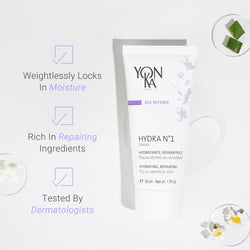
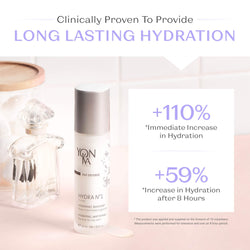
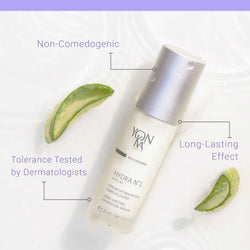
If your skin feels tight but you still experience breakouts or a shiny T-zone, you are likely dealing with dehydration. In this case, a product like Hydra n°1 Fluid may be more appropriate than a heavy cream. However, if your skin is consistently rough and lacks any visible oil, you are truly dry and need the rich, lipid-replenishing power of a cream like Hydra n°1 Crème.
Top Yon-Ka Recommendations for Dry Skin
Choosing a moisturizer is a personal journey, but certain formulations have stood the test of time in professional treatment rooms around the world. We recommend several targeted options based on the specific "flavor" of your dryness.
For Intense Hydration: Hydra n°1 Crème
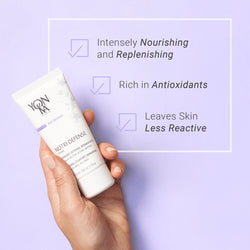
This is our premier solution for very dry or sensitive skin. It is formulated with two different weights of hyaluronic acid to provide both immediate and long-term hydration. Enriched with shea butter, hazelnut oil, and grape seed oil, it offers the essential lipids dry skin lacks. The texture is cocooning and silky, providing a "long-lasting hydration" effect that leaves the skin feeling repaired and comforted.
For Repair and Resilience: Serum Omega
If your skin feels "thin" or particularly fragile, it may need more than just a cream. Serum Omega is a lipid-restoring oil-in-serum that is perfect for those who find that their moisturizer "disappears" too quickly. It uses sacha inchi oil and pomegranate oil to provide a concentrated dose of Omega 3, 6, and 9. It is designed to be layered under your moisturizer to provide an extra layer of emollient protection. For a deeper look at how this type of formula supports dry skin, read our dry skin guide.
For Aging and Firmness: Phyto 52
As we age, the skin naturally loses oil and elasticity. Phyto 52 is a firming and revitalizing rosemary-based cream that is excellent for dry, mature skin. It helps to visibly tighten the look of pores and refine the skin's texture while providing the nourishing base that dry skin requires. It is especially effective as a nighttime treatment when the skin's natural repair processes are most active.
For Brightness and Glow: Serum C20
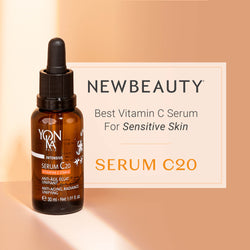
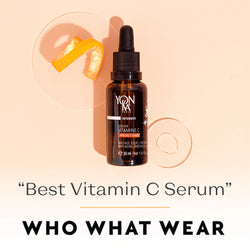
Dry skin often looks dull because light does not reflect evenly off a rough surface. Serum C20 contains a stable, 20% concentration of Vitamin C. While Vitamin C is often thought of as an "active" for oily skin, our formulation is suspended in a nourishing oil-based delivery system, making it perfect for dry skin types looking for a boost in radiance without irritation.
The Importance of the Skincare Ritual
A face moisturizer does not work in a vacuum. To get the best results for dry skin, the order of application—the ritual—matters just as much as the ingredients themselves. We recommend a layered approach to ensure your skin is perfectly prepared to receive and hold onto moisture.
Step 1: Gentle, Barrier-Respecting Cleansing
Harsh, foaming cleansers can strip away the few natural oils dry skin has left. We recommend starting with a milky cleanser like Lait Nettoyant. This gentle formula removes impurities and makeup while maintaining the skin’s natural pH and moisture levels.
Step 2: Prepare with a Phyto-Aromatic Mist
Applying moisturizer to bone-dry skin is less effective than applying it to damp skin. Lotion Yon-Ka PS is our iconic, alcohol-free mist. It hydrates, purifies, and optimizes the skin to better absorb the serums and creams that follow. This step is non-negotiable for those wanting to maximize their hydration.
Step 3: Target with a Booster or Serum
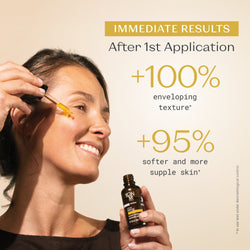
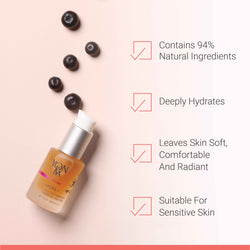
Before your cream, apply a targeted treatment. If you are extremely dry, adding 1-2 pumps of Nutri+ Booster into your moisturizer can transform a standard cream into a nutritional powerhouse. This booster is rich in wheat germ oil and vitamins E and F, specifically designed to nourish and revitalize parched skin.
Step 4: Moisturize and Protect
Apply your chosen moisturizer—like Hydra n°1 Crème—using gentle upward strokes. During the day, always follow with sun protection. Dry skin is particularly vulnerable to UV damage, which can further degrade the skin barrier.
Note: When introducing new botanical products, we always recommend a patch test on the inner forearm for 24 hours. While our essential oils are chosen for their safety and efficacy, every individual's skin is unique. Introduce one new product at a time to allow your skin to adjust to the active plant sciences.
Environmental Factors and Dry Skin
Even the best face moisturizer can struggle if environmental factors are working against you. To help your skincare perform its best, consider these lifestyle adjustments:
- Lower the Temp: Hot water strips the skin of lipids. Try to use lukewarm water when washing your face and body.
- Humidify: Indoor heating in the winter creates very dry air. Using a humidifier in your bedroom can significantly reduce morning skin tightness.
- Stay Hydrated: While drinking water doesn't directly "moisturize" the surface of your skin, overall systemic hydration supports healthy cellular function.
- Seasonal Shifts: Your skin likely needs a richer cream in the winter (like Time Resist Nuit) and perhaps a slightly lighter one in the summer. Listen to your skin and adjust your ritual accordingly.
Advanced Solutions for Very Dry Skin
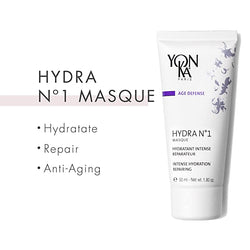
Sometimes, daily moisturizing isn't enough to combat extreme dryness or seasonal "crashes." In these instances, we recommend incorporating a professional-strength mask. Hydra n°1 Masque is a cult favorite for a reason. This gel-cream mask provides an "intense hydration bath" for the skin. You can even apply a thin layer and leave it on overnight for a deep, restorative treatment that leaves skin looking remarkably smooth and rested by morning.
For those who want to take their results to the professional level, a visit to a Yon-Ka spa professional can provide a "re-boot" for the skin barrier. Our Hydra treatments use specialized massage techniques and professional-only formulations to infuse the skin with long-lasting moisture, and you can find a nearby partner through our Spa Locator.
Finding Your Perfect Match
Every skin journey is unique. While one person may find relief with a rich, buttery cream, another might prefer a silky oil-in-serum. If you are still unsure which specific products are right for your dry skin concerns, we invite you to use our online Skin Diagnosis quiz. This resource is designed to analyze your concerns—from fine lines to sensitivity—and provide a tailored ritual that mimics the expertise of a professional aesthetician.
Bottom line: Solving dry skin is about restoring the lipid barrier through a consistent, multi-layered ritual of humectants, emollients, and botanical oils.
Conclusion
Finding what face moisturizer is good for dry skin is the first step toward a more comfortable, confident relationship with your complexion. By prioritizing ingredients that mimic the skin’s natural barrier and embracing a phyto-aromatic ritual, you can move beyond temporary relief toward true, lasting skin health. Remember that consistency is your most powerful tool; a daily commitment to cleansing, misting, and nourishing with professional-grade formulas will yield a glow that synthetic alternatives simply cannot replicate.
"Skincare is not just a routine; it is a moment of connection with oneself, a ritual of well-being that honors the resilience of the skin."
At Yon-Ka Paris, we remain dedicated to the power of plant science and the legacy of French phyto-aromatic expertise. Since 1954, our mission has been to provide high-trust, effective skincare that respects both the skin and the environment. We invite you to explore our face moisturizers collection or learn more about our brand philosophy in Our Ingredients. Whether through a daily cream or a professional spa treatment, your journey to radiant, hydrated skin begins with a single, mindful step.
FAQ
What is the difference between a cream and a lotion for dry skin?
Creams are typically formulated with a higher oil-to-water ratio, making them thicker and more effective at sealing in moisture (occlusion). Lotions contain more water and are more easily absorbed, which is often insufficient for very dry skin types that need a durable protective barrier.
Is hyaluronic acid good for dry skin?
Yes, hyaluronic acid is an excellent humectant that draws water into the skin's surface, helping to reduce the appearance of fine lines caused by dehydration. However, for dry skin, it must be followed by an emollient or occlusive (like a cream or oil) to prevent that moisture from evaporating.
Should I use a face oil if I already use a moisturizer?
If your skin is very dry, a face oil like our Serum Omega or Nutri + Booster can be a game-changer. Oils provide the essential lipids (fats) that dry skin lacks, and when layered under or mixed into a cream, they enhance the skin's softness and barrier function.
How often should I apply moisturizer to dry skin?
At a minimum, you should apply moisturizer twice daily—once in the morning to protect the skin from environmental stressors and once at night to support the skin's natural repair cycle. If you feel tightness during the day, you can lightly mist with Lotion Yon-Ka and reapply a small amount of cream to the affected areas.
Piel seca y deshidratada