Table of Contents
- Introduction
- The Visual Signature of Dry Skin
- Dry vs. Dehydrated: Knowing the Difference
- The Science of the Lipid Barrier
- Why Does Skin Look Dry? Common Causes
- The Phyto-Aromatic Approach to Dryness
- A Ritual to Transform the Appearance of Dry Skin
- Addressing Specific Dry Areas on the Face
- Professional Care for Dry Skin
- Lifestyle Habits for Radiant, Supple Skin
- Choosing the Right Products for You
- Conclusion
- FAQ
Introduction
There is a specific, quiet comfort in waking up to a complexion that feels supple and soft—a feeling that your skin is in perfect harmony with its environment. However, when the skin's delicate balance is disrupted, that softness can be replaced by a persistent sense of tightness and a dull, lackluster appearance. Recognizing the visual cues of dryness is the first essential step toward reclaiming a healthy, radiant glow. At Yon-Ka Paris, we believe that understanding the unique language of your skin allows you to provide the precise botanical nourishment it craves. This guide will explore the visible signatures of dry skin, distinguish it from simple dehydration, and detail how a professional-grade, phyto-aromatic ritual can support a resilient moisture barrier. By the end of this article, you will be able to identify the subtle signs of lipid depletion and choose the right plant-based solutions to restore your skin's natural luminosity.
Quick Answer: Dry skin on the face typically looks matte and dull, with nearly invisible pores. Visually, it often manifests as fine, white flaking, a rough or "crinkled" texture, and may appear reddish on lighter skin tones or ashy and grey on deeper skin tones.
The Visual Signature of Dry Skin
When we ask what dry skin on the face looks like, we are looking for more than just the physical sensation of tightness. Dryness is a biological state where the skin lacks sufficient lipids, or oils, to keep the surface smooth and the barrier intact. This lack of oil creates a distinct visual profile that differs significantly from other skin types.
Nearly Invisible Pores
One of the most reliable ways to identify dry skin is by looking at the pore size. Unlike oily or combination skin, which often features enlarged pores in the T-zone, dry skin typically has very small, almost invisible pores across the entire face. While this might sound desirable, it indicates that the sebaceous glands are underactive and not producing enough sebum to lubricate the skin’s surface.
A Matte or Dull Finish
Healthy skin reflects light because it is well-hydrated and coated in a smooth layer of natural oils. When those oils are missing, the skin surface becomes irregular at a microscopic level. Instead of reflecting light, the skin absorbs it, resulting in a matte, flat appearance. This is often described as "dullness" or a lack of the "lit-from-within" glow associated with youth and vitality.
Fine Flaking and Scaling
If you notice small, translucent, or white flakes of skin, particularly around the nose, eyebrows, and hairline, you are likely looking at dryness. These flakes are dead skin cells that have dried out and begun to lift away from the surface prematurely. Unlike the oily, yellowish scales often seen in conditions like seborrheic dermatitis, dry skin flakes are usually fine and powdery. When you apply makeup, these flakes often become more visible as foundation clings to the uneven edges.
Texture and "Crepiness"
Dry skin often exhibits a texture that resembles fine parchment or crinkled tissue paper. Because the skin lacks the oil needed to keep the surface cells plump and flexible, "crepiness" can occur, especially in areas where the skin is thin. You may see fine lines that appear like "etched" fissures. These are not necessarily deep-set wrinkles caused by age, but rather "dryness lines" that can often be smoothed with proper lipid replenishment.
Color Changes Across Skin Tones
Dryness manifests differently depending on your natural skin tone. On lighter skin tones, dryness often presents as persistent pink or red patches, particularly on the cheeks where the barrier is most exposed to the elements. On deeper skin tones, dry skin frequently takes on an "ashy" or greyish hue. This occurs because the accumulation of dry, dead skin cells creates a cloudy veil over the natural pigment of the skin, masking its warmth and vibrancy.
Key Takeaway: The visual hallmarks of dry skin include a lackluster, matte finish, nearly invisible pores, fine white flaking, and a "crinkled" texture that may appear ashy or red depending on the individual's complexion.
Dry vs. Dehydrated: Knowing the Difference
It is a frequent point of confusion in skincare: is my skin dry, or is it just dehydrated? While they may look similar at a glance, the two are fundamentally different, and treating one like the other can lead to lackluster results.
Dry Skin is a Skin Type
Dry skin is a skin type, meaning it is your genetic baseline. If you have dry skin, your body naturally produces less sebum (oil) than a "normal" skin type. This lack of oil means your skin lacks the "mortar" required to hold its cellular "bricks" together. Dry skin is a permanent characteristic that requires consistent, lipid-rich nourishment throughout your life.
Dehydrated Skin is a Condition
Dehydrated skin is a temporary condition that can affect anyone, including those with oily skin. It refers to a lack of water (not oil) in the stratum corneum, the outermost layer of the skin. Dehydrated skin often looks "tight" and may show fine horizontal lines when gently pushed upward, but it can still have large pores and produce oil.
| Feature | Dry Skin (Type) | Dehydrated Skin (Condition) |
|---|---|---|
| Lacking | Oil (Lipids) | Water (Hydration) |
| Pores | Very small, invisible | Can be large or small |
| Texture | Rough, flaky, "crinkled" | Tight, "papery," less "bounce" |
| Cause | Genetics, aging | Diet, weather, harsh products |
| Solution | Plant oils, butters, ceramides | Hyaluronic acid, mists, water intake |
The "Pinch Test" for Dehydration
A simple way to check for water loss is the "pinch test." Gently pinch a small amount of skin on your cheek or the back of your hand and hold it for a few seconds. If the skin takes a moment to "snap back" to its original position or shows fine, crepe-like crinkles during the pinch, you are likely dealing with dehydration. Dry skin, by contrast, feels "stiff" or "rough" regardless of how much water you drink, because it is the oil barrier that is missing.
The Science of the Lipid Barrier
To understand why dry skin looks the way it does, we must look at the skin’s protective barrier, often called the "acid mantle" or the "hydro-lipid film." This film is a mixture of sebum, sweat, and water that coats the skin’s surface.
Lipids act as the skin's security guards. They seal the gaps between skin cells to prevent Transepidermal Water Loss (TEWL)—the process where moisture evaporates from the skin into the air. When these lipids are depleted, the "guards" are gone. Moisture escapes, irritants enter, and the skin begins to look inflamed, flaky, and dull.
As we age, our natural lipid production begins to decline. This typically accelerates after age 40, which is why many people who had oily or combination skin in their youth find that their skin begins to look and feel much drier as they mature. This transition makes the use of targeted, oil-rich formulas essential for maintaining a youthful, smooth appearance. For a broader look at options designed to support mature-looking skin, explore the anti-aging collection.
Why Does Skin Look Dry? Common Causes
While genetics play the largest role in having a dry skin type, several external and internal factors can exacerbate the visual signs of dryness on the face.
Environmental Stressors
The air around us acts as a constant influence on our skin's appearance. In winter, cold outdoor air holds very little moisture, and indoor heating further strips the environment of humidity. This "dry air" acts like a vacuum, pulling moisture out of your face. Similarly, excessive wind can "windburn" the skin, damaging the lipid barrier and leading to redness and scaling.
Over-Cleansing and Harsh Chemicals
Using the wrong products can make even healthy skin look dry. Harsh foaming cleansers that contain sulfates (SLS) can strip away the delicate acid mantle. If your skin feels "squeaky clean" or tight immediately after washing, your cleanser is likely too aggressive. Alcohol-based toners and astringents can also dissolve the essential oils your skin needs to look supple. A gentle first step is the Lait Nettoyant, a milk cleanser that supports comfort while removing impurities.
Hot Water Exposure
While a steaming hot shower may feel relaxing, it is detrimental to dry skin. Hot water effectively "melts" the protective oils on your face, leaving the skin vulnerable and parched. This often results in a bright red, blotchy appearance immediately after bathing, followed by intense flaking as the skin dries.
Nutritional Deficiencies
The skin requires specific nutrients to build its lipid barrier. A diet low in essential fatty acids (like Omega-3 and Omega-6) can manifest as dry, scaly skin on the face. These "good fats" are the building blocks of the skin's natural oils.
The Phyto-Aromatic Approach to Dryness
At Yon-Ka, our philosophy is rooted in the belief that the skin is a living organ that responds best to ingredients it recognizes. Our phyto-aromatic approach combines the therapeutic power of plant extracts with the structural support of botanical oils. To learn more about the science behind this approach, visit Our Ingredients.
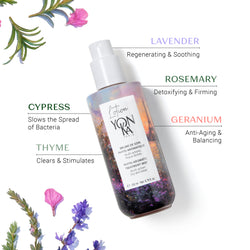
The foundation of our formulas is the Quintessence. This exclusive complex of five essential oils—lavender, geranium, rosemary, cypress, and thyme—is 100% natural and active. For dry skin, the Quintessence acts as a catalyst, helping to stabilize the skin's environment and enhancing the penetration of nourishing ingredients like shea butter, grape seed oil, and hyaluronic acid.
By treating the skin with aromatic plant medicine, we address both the physical symptoms of dryness and the sensorial experience of skincare, turning a corrective routine into a restorative ritual.
A Ritual to Transform the Appearance of Dry Skin
To address the visual signs of dryness, you need a layered approach that mimics the skin's natural structure. Our ritual focuses on gentle cleansing, aromatic preparation, and deep lipid replenishment.
Step 1: Respectful Cleansing
If your skin looks dry and flaky, the first step is to stop the cycle of stripping. Avoid soaps and foaming gels. Instead, use a milk-based cleanser like Lait Nettoyant. This gentle, silk-textured milk removes makeup and impurities while maintaining the skin's pH and lipid balance. It leaves the skin feeling soft and comforted, rather than tight and vulnerable.
Step 2: The Aromatic Mist
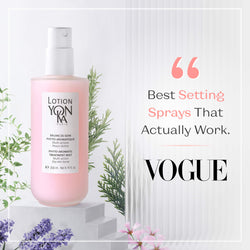
After cleansing, never leave the skin bare. While the skin is still slightly damp, apply Lotion Yon-Ka PS. This is our signature phyto-aromatic mist specifically formulated for dry and sensitive skin. It is alcohol-free and infused with the Quintessence, providing an immediate soothing effect. It prepares the skin cells to better absorb the treatment products that follow.
Step 3: Targeted Lipid Support
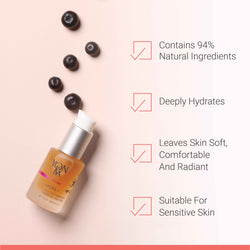
For skin that looks particularly dull or "ashy," a concentrated boost of oil is necessary. Serum Omega is an intensive oil-in-serum designed specifically for very dry skin. It contains a high concentration of Omega 3, 6, and 9 fatty acids from plant sources like sea buckthorn and blackcurrant seed oil. This serum helps to "repair" the look of the barrier, smoothing over dry patches and restoring a healthy, oily sheen that reflects light.
Step 4: Deep Moisturization
The final layer should be a rich, comforting cream that "seals" everything in.
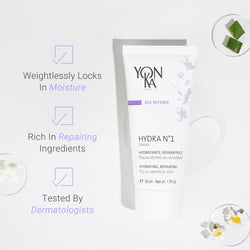
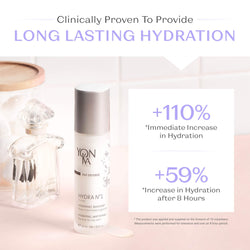
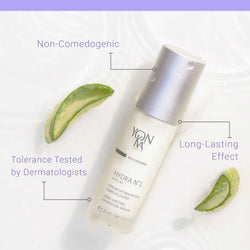
- For Intense Hydration: If your skin looks tight and lacks "bounce," Hydra n°1 Crème provides multi-level hydration with two types of hyaluronic acid and restorative shea butter.
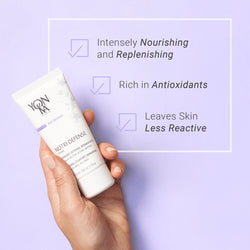
- For Very Dry or Sensitive Skin: Nutri Defense is an ultra-rich SOS cream that uses nourishing oils and barrier-supporting ingredients to comfort very dry skin.
Note: When introducing new botanical products, always perform a patch test on your inner forearm for 24 hours. A slight, brief tingling can be a normal reaction to active essential oils, but persistent redness means you should consult a professional or reduce frequency.
Addressing Specific Dry Areas on the Face
Dryness often concentrates in specific zones, and these areas require specialized attention to look their best.
The Eye Contour
The skin around the eyes is the thinnest on the entire body and contains almost no sebaceous glands. This is why it is often the first place to show "crepiness" and fine lines. If your eye area looks dry and puffy, Phyto-Contour uses botanical extracts to visibly firm and brighten the area, while providing the essential moisture needed to smooth fine lines.
The Nose and Mouth
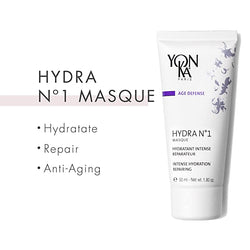
Flaking around the nostrils and the corners of the mouth is often a sign of a compromised barrier due to environmental exposure (like frequent nose-blowing during a cold or wind exposure). For these stubborn spots, applying a thicker layer of Hydra n°1 Masque overnight can act as a "bandage" for the skin, allowing the barrier to repair itself while you sleep.
The T-Zone (in Combination Skin)
It is possible to have an oily forehead and nose while the cheeks look dry and flaky. This is combination skin. In this case, do not apply heavy oils to the entire face. Use a lighter moisturizer like Vital Defense on the oily areas to protect against environmental stressors, and save the rich oils like Serum Omega for the dry, dull areas on the cheeks.
Professional Care for Dry Skin
While a home ritual is the foundation of skin health, professional treatments can provide a level of deep nourishment that is difficult to achieve at home. A professional Yon-Ka aesthetician can perform a thorough skin analysis to determine if your skin is truly dry or just severely dehydrated. If you want help finding in-person support, try the Spa Locator.
Treatments like the Grande Classique or the Hydralessence Facial use professional-grade concentrations of plant extracts and specific massage techniques to infuse the skin with moisture. These treatments "reset" the skin's hydration levels, making your home products more effective. You can also start with the Skin Diagnosis quiz to guide your next step.
Lifestyle Habits for Radiant, Supple Skin
What dry skin looks like is often a reflection of our daily habits. Small changes can make a significant difference in how your skin reflects light and feels to the touch.
- Invest in a Humidifier: Especially during winter or if you live in a dry climate like the US Southwest. Aim for a humidity level of around 50-60% to prevent the air from stealing moisture from your face.
- Temperature Control: Wash your face with lukewarm water. If you can't resist a hot shower, keep your face out of the direct spray and apply your moisturizer immediately after stepping out to lock in the residual dampness.
- Internal Hydration: While drinking water doesn't "cure" a dry skin type (which needs oil), it is essential for preventing dehydration. Support your skin from the inside out with foods rich in healthy fats, such as avocados, walnuts, and flaxseeds.
- Sun Protection: Sun damage destroys the skin's lipid barrier and accelerates the appearance of dryness and wrinkles. Use a broad-spectrum SPF every day, even when it's cloudy. For daytime support, browse the face moisturizers collection.
Bottom line: Transforming the appearance of dry skin requires a combination of gentle cleansing, lipid-rich botanical oils, and protective lifestyle habits to maintain a healthy barrier.
Choosing the Right Products for You
Navigating the world of skincare can be overwhelming when your skin is acting up. If you are unsure whether your skin is dry, dehydrated, or simply sensitive, we recommend using our Skin Diagnosis tool or the Product Matcher on our website. These resources are designed to help you build a personalized ritual based on your specific visual concerns and skin goals. For more support, explore Our Story.
At Yon-Ka, we prioritize certified organic active ingredients and vegan formulas, ensuring that your path to radiant skin is as kind to the planet as it is to your face. All our products are 100% gluten-free and manufactured with pharmaceutical-level rigor in France.
Conclusion
Understanding what dry skin on the face looks like is the first step toward a more comfortable and confident version of yourself. By recognizing the subtle signs—the matte finish, the fine flaking, and the nearly invisible pores—you can stop guessing and start providing the targeted botanical nourishment your skin deserves. Remember that your skin is a dynamic organ that thrives on consistency and high-quality, plant-based ingredients.
"Skincare is not just a daily task; it is a ritual of self-care that connects us to the healing power of nature. When we nourish our skin with intention, its natural radiance inevitably follows."
Whether you are looking to smooth fine lines or simply find relief from that persistent feeling of tightness, the right ritual can make all the difference. Explore our anti-aging collection and face moisturizers collection to find the perfect botanical partners for your skin's unique journey. Yon-Ka Paris remains dedicated to the art of phyto-aromatic excellence, drawing on 70 years of expertise to bring you the very best of French skincare heritage.
FAQ
Can dry skin cause my face to look older?
Yes, dry skin can emphasize the appearance of fine lines and "crepiness," making the skin look older than it actually is. When the skin lacks oil, the surface becomes less supple and more prone to "etched" lines, but these can often be softened with consistent use of lipid-rich moisturizers and serums like Serum Omega.
How can I tell the difference between dry skin and a skin condition like eczema?
Dry skin usually presents as general roughness and fine flaking that improves with moisturizing. Eczema (atopic dermatitis) often involves intense itching, persistent red rashes, and may sometimes weep or crust. If your dry patches are painful, extremely itchy, or don't respond to over-the-counter moisturizers, you should consult a dermatologist for a professional diagnosis.
Why does my skin still look dry even though I use a heavy moisturizer?
If you are applying a heavy cream to "bone-dry" skin or skin that has a buildup of dead cells, the product may just be sitting on the surface. Ensure you are gently exfoliating with a grain-free product like Gommage Yon-Ka and applying your moisturizer to slightly damp skin (ideally after a mist like Lotion Yon-Ka) to improve absorption.
Is it possible to have dry skin and acne at the same time?
Yes, this is often called "dry-oily" skin or may be a sign of a severely compromised skin barrier. When the barrier is damaged, bacteria can enter easily, causing breakouts, while the lack of healthy lipids causes flaking and tightness. In this case, it is vital to focus on barrier repair with gentle, non-comedogenic products rather than harsh anti-acne treatments that can increase dryness.
Piel seca y deshidratada