Table of Contents
- Introduction
- The Science of the Skin Barrier
- Common Environmental Triggers
- Chronic Skin Conditions That Cause Redness
- Lifestyle Factors and Habitual Triggers
- Building a Phyto-Aromatic Ritual for Relief
- The Importance of Professional Expertise
- Diet and Hydration: Beauty from Within
- When to See a Dermatologist
- How to Manage Seasonal Shifts
- The Yon-Ka Phyto-Aromatic Signature
- Conclusion
- FAQ
Introduction
Waking up to find uneven red blotches and flaky, dry patches on your face can be a frustrating and confusing experience. For many, the face is the first thing the world sees, and when the complexion feels reactive or looks irritated, it affects more than just our appearance—it impacts our confidence. At Yon-Ka Paris, we believe that understanding your skin is the first step toward a restorative ritual. These symptoms often signal that the skin’s protective barrier is under stress, whether from environmental changes, lifestyle habits, or underlying conditions. In this article, we will explore the multifaceted reasons behind facial redness and dryness, identify the most common triggers, and provide botanical-led solutions to help you regain a calm, balanced, and luminous glow. Achieving a healthy complexion is a journey of consistency and care, and it starts with uncovering what your skin is trying to tell you.
Quick Answer: Red blotches and dry skin on the face are typically caused by a compromised skin barrier, environmental triggers like cold weather or UV exposure, and lifestyle factors such as stress. They may also indicate chronic conditions like rosacea, eczema, or seborrheic dermatitis which require targeted, gentle care.
The Science of the Skin Barrier
Before diving into specific causes, it is essential to understand the "why" behind skin reactivity. The skin barrier, technically known as the stratum corneum, is the outermost layer of the epidermis. Think of it as a brick-and-mortar structure where your skin cells are the bricks and lipids (fats like ceramides) are the mortar.
When this barrier is healthy, it performs two critical functions: it keeps essential moisture locked in and prevents external irritants, bacteria, and allergens from getting in. When the "mortar" is depleted, moisture evaporates—a process called transepidermal water loss (TEWL)—leaving the skin dry, tight, and flaky. Simultaneously, the entry of irritants triggers an inflammatory response, which manifests as red blotches or a stinging sensation.
The Role of Lipids and Hydration
Dry skin is often a lack of oil (lipids), while dehydrated skin is a lack of water. However, the two frequently occur together. Without enough oil to seal the surface, water escapes. This cycle of dehydration and lipid depletion is the primary physiological reason for the appearance of red, rough patches.
Common Environmental Triggers
Our environment plays a massive role in how our skin behaves. Since the face is constantly exposed to the elements, it is often the first area to show signs of environmental distress.
Harsh Weather and Temperature Fluctuations
Cold, dry air is one of the most common culprits for red blotches. Winter weather lacks humidity, which literally pulls moisture out of the skin. Compounding this is the "seesaw effect" of moving from freezing outdoor temperatures to dry, artificial indoor heating. This rapid change causes the blood vessels to constrict and dilate quickly, leading to persistent redness and a parched texture.
UV Radiation and Sun Damage
Many people associate the sun with a summer tan, but UV damage is a year-round threat that can lead to chronic redness. Even on cloudy days, UVA rays penetrate deep into the dermis, damaging collagen and weakening the walls of small blood vessels (capillaries). This can result in "telangiectasia"—the medical term for visible, broken capillaries that look like red blotches.
Pollution and Oxidative Stress
In urban environments, microscopic pollutants like smoke, dust, and heavy metals can settle on the skin. These particles generate free radicals, unstable molecules that cause oxidative stress. This stress breaks down the skin barrier, leading to premature aging, dullness, and inflammatory red patches. Applying an antioxidant-rich shield like our Vital Defense day cream can help protect the skin from these invisible aggressors.
Chronic Skin Conditions That Cause Redness
If your red blotches are persistent or accompanied by specific textures like silver scales or greasy flakes, they may be a sign of a chronic skin condition. While these require a professional diagnosis from a dermatologist, recognizing the signs can help you choose the right soothing products.
Rosacea: The Persistent Flush
Rosacea is an inflammatory condition that typically affects the central face—the cheeks, nose, forehead, and chin. It often begins as a tendency to flush or blush more easily than others. Over time, the redness can become permanent.
- Triggers: Spicy foods, alcohol (especially red wine), extreme temperatures, and stress.
- Appearance: General redness, visible blood vessels, and sometimes small, red, pus-filled bumps that resemble acne.
Eczema (Atopic Dermatitis)
Eczema is characterized by intense itching and very dry, rough skin. It occurs when the skin barrier is genetically predisposed to being "leaky." When the barrier fails, the skin becomes hyper-reactive to everything from laundry detergent to pollen.
- Appearance: Red to brownish-gray patches, small raised bumps that may leak fluid when scratched, and thickened, cracked, or scaly skin.
Seborrheic Dermatitis
Often mistaken for simple dry skin, seborrheic dermatitis is actually related to an overgrowth of a natural yeast called Malassezia. It tends to occur in oily areas of the face.
- Common Areas: The sides of the nose, the eyebrows, and the hairline.
- Appearance: Redness accompanied by "greasy" yellow or white flakes. Unlike standard dry skin, applying a heavy oil can sometimes make this condition worse, as the yeast feeds on certain lipids.
Psoriasis
Psoriasis is an autoimmune condition where skin cells replenish too quickly, leading to a buildup of cells on the surface. While more common on the elbows and knees, it can appear on the face, particularly near the hairline.
- Appearance: Thick, red patches covered with silvery, "micaceous" scales. These patches can be itchy and sometimes painful.
Lifestyle Factors and Habitual Triggers
Sometimes, the call is coming from inside the house—or rather, from our daily routines. Small habits can have a cumulative effect on the skin's inflammatory levels.
The Danger of Hot Water
There is nothing quite as relaxing as a steaming hot shower, but your facial skin disagrees. Hot water strips away the natural sebum (oil) that protects your barrier. This leaves the skin "squeaky clean" but vulnerable. We always recommend cleansing with lukewarm water and a gentle, milk-based cleanser like Lait Nettoyant to preserve the skin’s integrity.
Stress and the Brain-Skin Connection
The field of aromachology explores how scents and stress levels impact our physical state, including our skin. When we are stressed, the body releases cortisol. High cortisol levels increase inflammation throughout the body and can trigger "stress hives" or flare-ups of conditions like rosacea and eczema.
Over-Exfoliation and Harsh Products
In the quest for "glass skin," many people over-use active ingredients like AHAs (alpha hydroxy acids), BHAs (salicylic acid), or high-percentage retinols. Using these too frequently or combining too many "actives" can cause a chemical burn or a severely compromised barrier.
- Sign of Over-Exfoliation: Your skin looks shiny but feels tight, is unusually red, and stings when you apply even basic moisturizer.
Key Takeaway: Red blotches are rarely the result of a single factor. Usually, they are a combination of a weakened barrier (due to weather or products) and an internal trigger (like stress or a chronic condition).
Building a Phyto-Aromatic Ritual for Relief
When your skin is red and dry, the goal is to calm, hydrate, and protect. Our approach at Yon-Ka is rooted in the power of plants and the science of essential oils to restore balance without irritation.
Step 1: Respectful Cleansing
Avoid foaming cleansers that contain SLS (sodium lauryl sulfate), as these can be too harsh for a compromised barrier. Instead, use a creamy, pH-balanced milk cleanser. Lait Nettoyant is a cult favorite for a reason; it cleanses while maintaining the skin's hydro-lipidic film, leaving the face soft and comforted.
Step 2: The Healing Power of the Mist
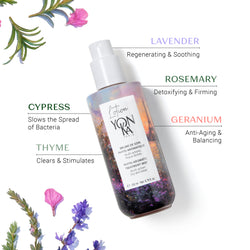
Most toners contain alcohol, which is the last thing dry, red skin needs. Instead, use a phyto-aromatic mist. Lotion Yon-Ka PS is infused with our signature Quintessence. This blend of lavender, geranium, rosemary, cypress, and thyme provides a soothing, sensorial experience that prepares the skin to absorb subsequent treatments.
Step 3: Targeted Treatment and Intensive Hydration
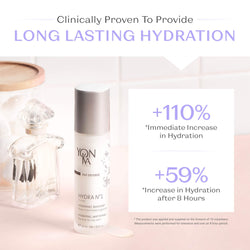
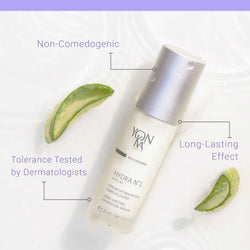
For those suffering from intense dryness, a targeted serum is vital. Hydra N°1 Serum uses long-lasting rehydrating agents to reach deeper layers of the skin.
If redness is your primary concern, look for ingredients like arnica, chamomile, and white nettle. Our Sensitive Creme range is designed to visibly reduce the appearance of redness and provide a protective shield for delicate skin.
Step 4: Sealing the Barrier
Finish your ritual with a moisturizer that acts as a "second skin." For nighttime recovery, Elastine Nuit helps smooth the appearance of fine lines while deeply nourishing the skin during its natural repair cycle.
Myth: "Essential oils are too irritating for red, sensitive skin." Fact: While poor-quality or undiluted essential oils can irritate, professional-grade phyto-aromatic formulas—like the Yon-Ka Quintessence—are expertly dosed for efficacy and safety. Lavender and geranium, in particular, are renowned for their soothing and balancing properties.
The Importance of Professional Expertise
Skincare is rarely a one-size-fits-all solution. If you find that your red blotches and dry skin are not responding to home care, it may be time to seek professional help.
Our heritage is deeply rooted in the professional spa environment. A licensed esthetician can perform a thorough skin analysis and recommend professional-grade treatments that provide deeper results than home care alone. From soothing "redness-relief" facials to intensive hydration treatments, a visit to a Yon-Ka partner spa can be a turning point for your skin's health. You can use our Spa Locator to find a certified professional near you.
Note: We recommend a patch test when introducing any new botanical product. Apply a small amount to your inner forearm and wait 24 hours. While a slight tingling sensation can be normal due to the activity of essential oils, persistent redness or irritation means you should reduce frequency or consult a professional.
Diet and Hydration: Beauty from Within
While topical products are essential, what you put inside your body matters just as much.
- Omega-3 Fatty Acids: Found in walnuts, flaxseeds, and cold-water fish, these "healthy fats" help bolster the skin's lipid barrier from the inside out.
- Water Intake: Drinking enough water is basic but non-negotiable for maintaining cellular plumpness.
- Limit Inflammatory Foods: For many, high-sugar diets or excessive dairy can trigger inflammatory responses in the skin.
When to See a Dermatologist
While most cases of red blotches and dry skin can be managed with a consistent, gentle ritual, some situations require medical intervention. You should consult a physician or a dermatologist if:
- The red patches are painful, hot to the touch, or oozing.
- The redness forms a "butterfly" shape across the nose and cheeks and is accompanied by fatigue (which can indicate systemic issues like Lupus).
- You have open sores from scratching that show signs of infection.
- Your skin condition is interfering with your sleep or daily activities.
How to Manage Seasonal Shifts
Your skin’s needs change with the seasons. In the summer, you might only need a light fluid like Nude Perfect Fluide. However, as soon as the leaves turn and the air cools, you must "winterize" your routine.
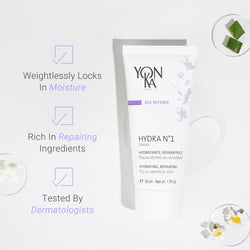
- Switch to a richer cream: Transition from a light lotion to a denser moisturizer like Hydra N°1 Crème.
- Add a Booster: Mix a few drops of Booster Nutri + into your usual cream for an extra dose of antioxidants and nourishing oils.
- Use a Humidifier: Running a humidifier in your bedroom at night can significantly reduce the amount of moisture your skin loses while you sleep.
The Yon-Ka Phyto-Aromatic Signature
What sets our approach apart is the fusion of aromatherapy, phytotherapy, and aromachology. We don’t just treat the skin; we treat the person. The scents of our essential oils—the lavender for relaxation, the rosemary for invigoration—work on a sensorial level to lower stress, which in turn helps calm the skin. This holistic view is why 7,000 skincare professionals worldwide trust our formulas.
Our Quintessence—a proprietary complex of five essential oils—is the heart of our brand. This 100% natural, pure, and active complex provides a unique olfactory experience while delivering potent botanical benefits to the skin’s appearance. To learn more about the science behind our formulas, explore Our Ingredients and our formulas.
Bottom line: Red blotches and dry skin are your skin's way of asking for protection and hydration. By respecting the skin barrier with gentle cleansing, botanical mists, and lipid-rich moisturizers, you can move from a state of reactivity to one of radiant balance.
Conclusion
Understanding what causes red blotches and dry skin on the face is the first step toward reclaiming your skin's natural beauty. Whether your triggers are environmental, such as harsh winter winds, or physiological, like a compromised lipid barrier, the path to relief lies in a consistent, gentle, and nourishing ritual. By choosing high-quality, phyto-aromatic ingredients and avoiding harsh chemicals, you can soothe inflammation and lock in the moisture your skin craves. At Yon-Ka Paris, we remain dedicated to the legacy of the Mühlethaler family, blending 70 years of French pharmaceutical rigor with the sensorial power of nature.
- Prioritize the Barrier: Use lipid-rich creams to prevent moisture loss.
- Stay Gentle: Avoid hot water and harsh mechanical scrubs.
- Seek Expertise: Consult a professional for persistent or painful redness.
- Consistency is Key: Results in skincare come from a ritual practiced every day.
"Skincare is not just a routine; it is a moment of connection with oneself, a ritual of healing that begins with the power of nature."
If you are unsure which products are right for your specific concerns, we invite you to take our Skin Diagnosis quiz or use the Product Matcher on our website to receive personalized recommendations tailored to your unique skin profile.
FAQ
How can I tell if my red blotches are from an allergy or a skin condition?
Allergic reactions (contact dermatitis) usually appear suddenly after using a new product or being exposed to a specific trigger and may include itchy hives or blisters. Chronic conditions like rosacea or eczema tend to be persistent, recurring over months or years, and often have specific patterns, such as redness concentrated on the cheeks or greasy scales near the nose.
Can stress cause red blotches and dry skin on my face?
Yes, stress triggers the release of cortisol, which increases systemic inflammation and can weaken the skin’s protective barrier. This often leads to "stress rashes," hives, or flare-ups of existing conditions like rosacea and eczema, making the skin look blotchier and feel significantly more dehydrated.
Is hot water bad for dry, red skin?
Absolutely. Hot water strips the skin of its natural essential oils (sebum) and damages the delicate lipid barrier that keeps moisture locked in. For a red or dry complexion, always use lukewarm water and pat the skin dry gently with a soft towel rather than rubbing it.
What ingredients should I avoid if I have red, flaky patches?
If your skin is currently reactive, avoid harsh sulfates (SLS), high concentrations of drying alcohols, synthetic fragrances, and aggressive physical exfoliants (like crushed walnut scrubs). These can further tear the skin barrier and exacerbate inflammation, making the redness and flaking worse.
Want to learn more about anti-aging care for dry, stressed skin?
If your concern is also aging-related dryness, see Product Spotlight: Elastine Nuit for a closer look at a restorative night cream designed to support smoother, more nourished-looking skin.
Piel seca y deshidratada