Table of Contents
- Introduction
- The Biological Connection Between Face and Scalp
- Environmental Triggers of Dryness
- Lifestyle and Product-Related Factors
- Physiological and Medical Influences
- Restoring the Face: A Phyto-Aromatic Ritual
- Caring for a Dry Scalp
- The Role of the Quintessence
- When to See a Professional
- Conclusion
- FAQ
Introduction
The sensation of skin that feels two sizes too small is a common frustration, often manifesting as persistent tightness on the cheeks or an itchy, flaking scalp. While it is tempting to dismiss these concerns as seasonal inconveniences, the appearance of dry skin on the face and scalp often points to a deeper disruption in the skin’s delicate ecosystem. At Yon-Ka Paris, we believe that achieving a comfortable, radiant complexion requires a marriage of botanical science and a deep understanding of our body’s natural rhythms. This article explores the various environmental, physiological, and lifestyle factors that contribute to dryness in these highly visible areas. By identifying the root causes, you can transition from temporary "fixes" to a consistent, phyto-aromatic ritual that supports long-term skin health.
The Biological Connection Between Face and Scalp
To understand what causes dry skin on the face and scalp, we must first look at the unique biology of these areas. Both the face and the scalp are densely populated with sebaceous glands, which produce sebum—the natural oil responsible for lubricating the skin and maintaining the acid mantle.
When the production of these oils slows down, or when the skin’s protective barrier is compromised, moisture evaporates more quickly. This process, known as transepidermal water loss (TEWL), leaves the skin feeling parched and looking dull. Because the face and scalp share a similar concentration of oil glands, they often react to the same internal and external stressors. A flare-up on the forehead is frequently accompanied by a dry, itchy scalp because the two areas are physiologically linked.
Environmental Triggers of Dryness
The environment is often the primary culprit behind sudden changes in skin texture. Our skin acts as a shield, but even the strongest shield can be worn down by relentless exposure to the elements.
Seasonal Humidity and Temperature
Low humidity is one of the most common external causes of dryness. In the winter, cold air holds very little moisture. When we move from the biting cold outside to the artificial warmth of indoor heating, our skin is subjected to a "moisture vacuum." Central heating, fireplaces, and space heaters significantly lower indoor humidity, literally sapping water from the surface of the face and scalp.
Sun Exposure and Wind
While we often associate sun damage with burns, chronic UV exposure also degrades the skin's lipid barrier. Over time, this leads to a rough, leathery texture and a permanent state of dehydration. Similarly, windburn can strip the scalp and face of their protective oils, causing the skin to crack and flake. Even on cloudy days, the wind and UV rays are active, making daily protection a non-negotiable step in any ritual.
Hot Water Exposure
It is a common misconception that soaking in water hydrates the skin. In reality, long, hot showers are one of the most aggressive ways to strip the skin of its natural lipids. High temperatures emulsify the oils that keep the skin barrier intact, allowing moisture to escape the moment you step out of the shower. To preserve the appearance of a healthy barrier, it is best to use lukewarm water for both facial cleansing and hair washing.
Lifestyle and Product-Related Factors
Sometimes, the very products we use to care for ourselves are the hidden causes of our discomfort. The "squeaky clean" feeling many people chase is often a sign that the skin’s natural defenses have been compromised.
Harsh Surfactants and Alcohol
Many conventional soaps and shampoos contain harsh surfactants like sodium lauryl sulfate (SLS), which can be too aggressive for sensitive or dry skin types. Similarly, many toners and astringents rely on high concentrations of denatured alcohol. These ingredients dissolve the essential fats (lipids) in the skin barrier, leading to a cycle of irritation and flaking.
Over-Exfoliation
In an attempt to remove visible flakes, many individuals turn to harsh physical scrubs. However, over-exfoliating a dry face or scalp can lead to micro-tears and increased inflammation. When the skin is already dry, it needs nourishment and protection, not further abrasion. A more sophisticated approach involves gentle, grain-free exfoliants like Gommage Yon-Ka, which polishes the skin without the use of harsh beads or acids.
Smoking and Dehydration
Lifestyle choices also play a significant role. Smoking constricts blood vessels, reducing the flow of nutrients and oxygen to the skin cells. This leads to a sallow, dry appearance. Furthermore, while topical products are essential, internal hydration matters. A diet lacking in essential fatty acids—like those found in Omega-3s—can leave the skin and scalp lacking the "building blocks" necessary to retain moisture.
Physiological and Medical Influences
If environmental adjustments and gentle products do not alleviate the dryness, the cause may be internal or related to a specific skin condition.
The Aging Process
As we age, particularly as we enter our 40s, sebum production naturally declines. This is a primary reason why skin that was once oily or combination in youth can become chronically dry later in life. The skin also produces less hyaluronic acid and collagen, which are vital for maintaining a plump, hydrated appearance.
Seborrheic Dermatitis
One of the most frequent causes of flaking on both the face and scalp is seborrheic dermatitis. Unlike simple dry skin, this condition is often inflammatory and linked to an overgrowth of Malassezia, a yeast-like fungus that lives on the skin's surface. It typically appears as greasy, yellowish scales on red, irritated patches—often around the nose, eyebrows, and hairline.
Systemic Health Conditions
Conditions such as hypothyroidism, diabetes, and kidney disease can all manifest as extremely dry skin. When the body's internal systems are imbalanced, the skin is often the first place to show symptoms. If you experience persistent dryness along with other systemic symptoms, it is always wise to consult a physician or dermatologist for a professional evaluation.
Note: Most of our botanical formulas utilize the power of essential oils. We recommend performing a patch test on your inner forearm for 24 hours when introducing a new product. Introduce one product at a time to ensure your skin welcomes the new botanical actives.
Restoring the Face: A Phyto-Aromatic Ritual
Addressing dry skin on the face requires a layered approach that respects the skin’s barrier. At Yon-Ka, we prioritize ingredients that mimic the skin’s natural composition to restore suppleness and comfort.
Step 1: Barrier-Respecting Cleansing
The goal of cleansing dry skin is to remove impurities without disturbing the lipid mantle. A creamy milk cleanser like Lait Nettoyant is ideal. It uses plant-based emulsifiers to gently lift debris while leaving the skin feeling soft and hydrated.
Step 2: The Phyto-Aromatic Mist
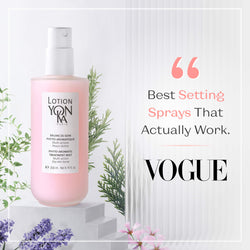
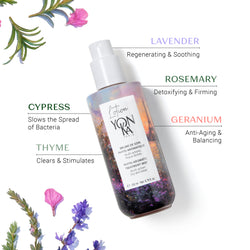
After cleansing, it is essential to rebalance the skin's pH and prepare it for treatment. Lotion Yon-Ka PS is more than just a toner; it is a phyto-aromatic mist infused with our signature Quintessence. This blend of lavender, geranium, rosemary, cypress, and thyme essential oils provides an immediate soothing effect and enhances the absorption of subsequent serums.
Step 3: Targeted Hydration
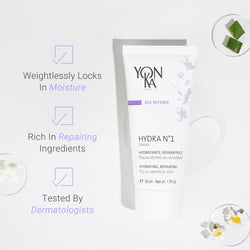
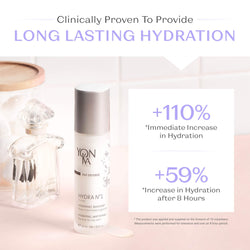
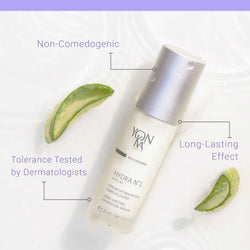
For skin that feels chronically parched, a targeted treatment is necessary. Hyaluronic acid is a powerhouse ingredient for its ability to hold up to 1,000 times its weight in water. Our Hydra N°1 Serum collection is specifically designed for intense hydration. Using a combination of high and low molecular weight hyaluronic acid, it delivers moisture to multiple layers of the skin's surface.
Step 4: Lipid Restoration
If your skin is not just dehydrated (lacking water) but truly dry (lacking oil), you must replenish the lipids. Serum Omega or adding a few drops of Nutri + Booster to your moisturizer can provide the essential fatty acids needed to repair the barrier and prevent future moisture loss.
Caring for a Dry Scalp
The scalp is often neglected until it becomes itchy or flaky. To treat a dry scalp, you must approach it with the same care you give your face.
- Pre-Shampoo Oil Treatments: Before washing, massage a botanical oil into the scalp. This creates a protective barrier that prevents the shampoo from stripping too much moisture.
- Scalp Massage: Regular massage increases blood flow to the hair follicles and sebaceous glands, encouraging natural oil production.
- Gentle Cleansing: Switch to a pH-balanced, sulfate-free shampoo. If you suspect seborrheic dermatitis, look for botanical ingredients with antifungal properties, such as tea tree or rosemary, but alternate them with a very gentle, hydrating formula.
For more guidance on scalp balance, our healthy scalp article is a useful next step.
The Role of the Quintessence
Our proprietary Quintessence—a synergistic blend of five essential oils—is at the heart of our philosophy. This complex does more than just provide a beautiful scent; it offers active benefits for dry, stressed skin:
- Lavender: Calms and soothes irritation.
- Geranium: Helps balance sebum and promotes a radiant appearance.
- Rosemary: Provides antioxidant support.
- Cypress: Tones and revitalizes the skin's look.
- Thyme: Offers purifying properties that are excellent for maintaining a clear scalp environment.
For a deeper look at the science behind this blend, see our ingredients page. This 100% natural and active complex is what sets a phyto-aromatic ritual apart from standard skincare, providing a sensorial experience that calms both the skin and the spirit.
When to See a Professional
While most cases of dry skin can be managed with consistent care and environmental adjustments, some situations require medical intervention. You should seek the advice of a dermatologist if:
- The dryness is accompanied by severe redness, swelling, or crusting.
- The flaking on your scalp is thick, silvery, or bleeds when scratched (potential signs of psoriasis).
- Your skin is cracking or painful, which can lead to secondary infections.
- You notice sudden, drastic changes in your skin texture that do not respond to over-the-counter treatments.
Professional spa treatments can also provide a "reset" for chronically dry skin. A Yon-Ka professional can perform a deep hydration treatment that utilizes professional-strength botanical extracts and specialized massage techniques to saturate the skin with moisture. You can find a certified partner near you using our Spa Locator.
Conclusion
Understanding what causes dry skin on the face and scalp is the first step toward reclaiming a comfortable, glowing complexion. Whether the culprit is the winter wind, a harsh cleansing habit, or the natural progression of time, the solution lies in a dedicated ritual that prioritizes barrier health and botanical nourishment. By choosing products that work in harmony with your skin's biology, you can transform a moment of discomfort into a daily ritual of self-care.
Yon-Ka Paris remains committed to the belief that true beauty is found in the balance of nature and science. Our formulation philosophy and 70-year heritage in phyto-aromatic excellence ensure that every drop of our formulas is designed to support your skin's journey toward health and vitality.
Key Takeaway: Dryness on the face and scalp is often a combined result of environmental moisture loss and a weakened lipid barrier. A ritual focusing on gentle cleansing, hyaluronic acid, and essential fatty acids can help restore the skin's appearance.
To find the perfect products for your specific needs, we invite you to take our Skin Diagnosis quiz. Discover a personalized program that honors your skin's unique requirements and brings the expertise of the French spa directly to your home.
If you want a more guided starting point, explore our Hydralessence treatment or read how to treat dry skin on face for lasting hydration.
FAQ
Is my scalp dry or do I have dandruff?
A dry scalp usually produces small, white, dry flakes and is often accompanied by dry skin on other parts of the body. Dandruff is typically caused by an overgrowth of yeast and results in larger, oily, yellowish flakes that may be accompanied by a greasy or red scalp.
Can stress cause my face and scalp to become dry?
Yes, stress triggers the release of cortisol, which can disrupt the skin’s barrier function and lead to increased sensitivity and dryness. Stress can also exacerbate inflammatory conditions like seborrheic dermatitis, leading to more frequent flaking and itching.
Why does my skin feel dry even after I moisturize?
If you are applying moisturizer to a dry surface without first hydrating the skin, you may just be "sealing in" the dryness. Using a mist like Lotion Yon-Ka followed by a hyaluronic acid serum like Hydra N°1 ensures that you are adding water to the skin before sealing it in with a lipid-rich cream.
How often should I wash my hair if my scalp is dry?
If you have a dry scalp, you should avoid daily washing, as this can strip the necessary oils that protect the skin. Aim for 2 to 3 times a week using a gentle, sulfate-free shampoo, and consider a pre-shampoo oil treatment to maintain hydration.
Piel seca y deshidratada