Table of Contents
- Introduction
- The Biological Foundation of Facial Dryness
- Environmental Factors That Siphon Moisture
- Lifestyle Habits and Common Skincare Mistakes
- Distinguishing Between Dry and Dehydrated Skin
- The Phyto-Aromatic Approach to Restoring Moisture
- Targeted Treatments for Lasting Hydration
- Lifestyle Adjustments for Healthier Skin
- When to Consult a Professional
- The Importance of Consistency
- Conclusion
- FAQ
Introduction
There is a specific, uncomfortable sensation that often arrives with the change of seasons or a long day spent in a climate-controlled office—a subtle pulling across the cheekbones, a loss of suppleness, and a complexion that looks more lackluster than luminous. If you have ever wondered why face skin get dry despite your best efforts, you are not alone. Dryness is one of the most common skin concerns we address at Yon-Ka Paris, and understanding its root causes is the first step toward reclaiming a comfortable, glowing complexion. This article explores the environmental, biological, and lifestyle factors that strip the skin of its essential moisture. By identifying these triggers, we can transition from "fixing" a problem to nurturing a sustainable, phyto-aromatic ritual that supports your skin's natural resilience.
Quick Answer: Facial skin becomes dry when the protective moisture barrier is compromised, leading to a loss of natural oils (sebum) and water. Common causes include harsh weather, hot water, aging, and using skincare products with stripping ingredients like sulfates or alcohols.
The Biological Foundation of Facial Dryness
To understand why face skin get dry, we must first look at the skin’s natural defense system: the moisture barrier. Also known as the acid mantle or lipid barrier, this outermost layer is composed of sebum (natural oils), ceramides, and fatty acids. Its primary job is to keep hydration locked in and environmental irritants out.
When this barrier is healthy, the skin feels soft and looks plump. However, unlike the skin on your body, the skin on your face is thinner and more frequently exposed to the elements. When the moisture barrier is disrupted, "transepidermal water loss" occurs. This is a scientific term for water evaporating from the skin into the air.
As we age, our sebaceous glands—the tiny organs responsible for producing oil—slow down. This is particularly noticeable starting in our 40s. Without an adequate supply of sebum, the skin loses its "glue," causing cells to flake and the texture to feel rough or "ashy."
For a more targeted starting point, explore our Dry & Dehydrated Skin collection.
Environmental Factors That Siphon Moisture
Our environment is perhaps the most persistent reason why face skin get dry. Because the face is rarely covered by clothing, it bears the brunt of external stressors every single day.
Cold Weather and Low Humidity
In the winter, the air is naturally devoid of moisture. Cold air cannot hold as much water vapor as warm air, creating a "thirsty" atmosphere that literally pulls hydration out of your skin. This is compounded by the wind, which can cause "windburn," a condition where the skin's surface oils are stripped away, leaving the face red and raw.
Indoor Heating and Climate Control
While we seek refuge indoors from the cold, central heating can be just as damaging. Forced-air heaters, wood-burning stoves, and fireplaces create an extremely dry indoor environment. This lack of humidity means your skin is constantly fighting to maintain its water levels. We often recommend using a humidifier in the bedroom to help counteract this effect during sleep.
UV Exposure and Sun Damage
Many people associate the sun with oily summer skin, but chronic UV exposure is a major contributor to long-term dryness. UV rays damage the cellular structure of the skin, impairing its ability to hold onto moisture. Over time, sun-damaged skin can become permanently rough and leathery in appearance—a condition often referred to as "weathering."
Lifestyle Habits and Common Skincare Mistakes
Sometimes, the answer to why face skin get dry lies in our daily routines. Even well-intentioned habits can inadvertently damage the delicate facial ecosystem.
The Hot Water Trap
Nothing feels better than a steaming hot shower, but hot water is a primary culprit for facial dryness. High temperatures dissolve the natural lipids that keep the skin barrier intact. This is why your face might feel tight or "squeaky clean" immediately after washing. This tightness is actually a distress signal indicating that your protective oils have been washed away.
Harsh Cleansers and Stripping Ingredients
Many conventional soaps and foaming cleansers contain Sodium Lauryl Sulfate (SLS), a surfactant used to create lather. While effective at removing dirt, SLS is often too aggressive for the face. A gentler starting point is our Lait Nettoyant, a milky cleanser designed to remove makeup and impurities without leaving skin feeling stripped.
Over-Exfoliation
In an effort to remove dry flakes, many people reach for aggressive scrubs or high-percentage chemical peels (like AHAs or BHAs). While exfoliation is a vital part of a healthy ritual, doing it too often can thin the skin barrier, making it harder for the face to retain moisture in the long run.
If you want a softer way to smooth the surface, our face exfoliation collection is a helpful place to look.
Key Takeaway: Dryness is often a cumulative result of external environment and internal habits. Protecting the skin barrier is more effective than trying to "fix" dryness after it has already occurred.
Distinguishing Between Dry and Dehydrated Skin
It is a common misconception that "dry" and "dehydrated" mean the same thing. Understanding the difference is crucial for choosing the right products.
- Dry Skin is a skin type. It lacks oil. This is often genetic or age-related. Dry skin often feels rough, looks flaky, and has very small pores.
- Dehydrated Skin is a skin condition. It lacks water. Even oily skin can be dehydrated. Dehydrated skin often looks dull, feels tight, and may show fine lines more prominently.
If your skin feels oily but also tight and flaky, you are likely dealing with dehydration. This requires humectants—ingredients that attract water—whereas truly dry skin requires emollients and oils to replace what the sebaceous glands are not producing.
For a broader selection of moisture-focused options, visit our face moisturizers collection.
The Phyto-Aromatic Approach to Restoring Moisture
At Yon-Ka, we believe that addressing dry skin requires a holistic, ritual-based approach rather than a single "miracle" cream. Our philosophy is rooted in phyto-aromatics—the synergy of plant extracts and essential oils to balance both the skin and the spirit.
To learn more about what shapes that philosophy, see our ingredients page.
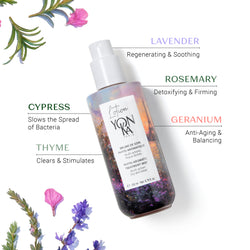
The foundation of our formulas is the Quintessence, a proprietary blend of five essential oils: lavender, geranium, rosemary, cypress, and thyme. This complex does more than provide a sensorial experience; it helps to stabilize the skin and optimize the efficacy of the other botanical actives in our products.
If you are curious about how those formulas are developed, explore our formulas page.
Step 1: Respectful Cleansing
When the skin is dry, the goal of cleansing should be to remove impurities without disturbing the lipid barrier. Lait Nettoyant is our signature cleansing milk, designed specifically for this purpose. It has a silky texture that dissolves makeup and pollution while leaving the skin’s protective film intact.
Step 2: The Essential Mist
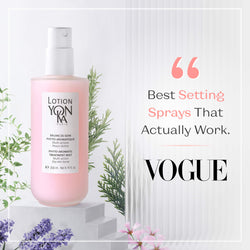
In a French skincare ritual, toning is replaced by "misting." Lotion Yon-Ka PS is an alcohol-free mist that contains the Quintessence. It rehydrates the upper layers of the epidermis and prepares the skin to better absorb the serums and moisturizers that follow.
Note: When introducing new products containing essential oils, we always recommend a patch test on the inner forearm for 24 hours. Introduce one new formula at a time to allow your skin to adjust to the active botanical ingredients.
Targeted Treatments for Lasting Hydration
Once the skin is cleansed and misted, it is time to treat the specific concerns of dryness and dehydration.
Intense Hydration with Hyaluronic Acid
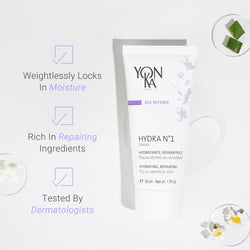
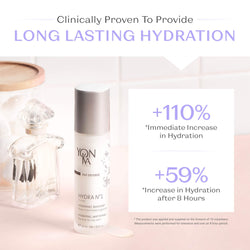
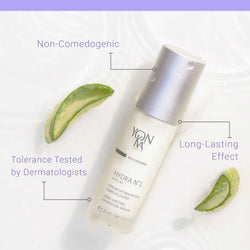
For dehydrated skin that lacks water, the Hydra n°1 Serum is essential. This formula centers on hyaluronic acid and is designed to help skin feel more supple, smooth, and comfortable.
Follow it with Hydra n°1 Crème for a more complete hydration ritual that supports dry or dehydrated skin.
Nourishment for Truly Dry Skin
If your skin lacks oil, it needs the lipid-replenishing power of a booster. Nutri+ Booster can be added to your daily moisturizer when skin feels especially dry or depleted.
For those in their 40s and beyond, Phyto 52 is a nighttime firming cream that uses the power of rosemary to revitalize the look of the skin. It is particularly effective for those who notice that their dry skin is losing its firmness.
Lifestyle Adjustments for Healthier Skin
Beyond products, a few simple changes to your daily life can help mitigate why face skin get dry.
- Adjust Your Water Temperature: Wash your face with lukewarm water. If your skin turns red, the water is too hot.
- Humidify Your Space: Especially during winter months, a humidifier can keep the ambient air moist, reducing transepidermal water loss while you sleep.
- Sip Strategically: While drinking water is vital for overall health, it isn't a direct "cure" for dry skin. However, staying hydrated ensures your body can deliver nutrients to the skin cells effectively.
- Eat Your Healthy Fats: Incorporating Omega-3 fatty acids (found in salmon, walnuts, and flaxseeds) into your diet can support your skin's natural oil production from the inside out.
Myth: Drinking a gallon of water a day will cure dry skin. Fact: While internal hydration is important, dry skin is usually a barrier issue. You must apply topical moisturizers to "lock" moisture in, as water intake alone cannot repair a damaged lipid barrier.
When to Consult a Professional
While most facial dryness can be managed with a consistent skincare ritual, some cases require the expertise of a dermatologist or a trained aesthetician. If you experience persistent redness, extreme itching, or cracks that bleed, you may be dealing with a medical condition like eczema or psoriasis.
In these instances, skincare products are supportive, but medical treatment may be necessary. For those looking to take their hydration to the next level, a professional facial can be transformative. Learn more about spa treatments or use our Spa Locator to find a Yon-Ka partner near you.
The Importance of Consistency
Skincare is a marathon, not a sprint. The appearance of dry skin does not change overnight; it requires a commitment to a morning and evening ritual. By consistently layering hydration—cleansing gently, misting with a phyto-aromatic lotion, and sealing everything in with a high-quality moisturizer—you provide your skin with the tools it needs to repair itself.
Over time, this consistency leads to a visible transformation. The "tight" feeling is replaced by a sense of comfort, and the "dull" look is replaced by the natural radiance that comes from a well-hydrated barrier. This is the essence of the Yon-Ka approach: respecting the skin’s natural rhythm while enhancing it with the best that nature has to offer.
Conclusion
Understanding why face skin get dry empowers you to make better choices for your complexion. Whether the cause is the biting winter wind, the natural progression of aging, or an overly aggressive cleansing routine, the solution always involves returning to the fundamentals of skin health: protection and nourishment. By embracing a ritual that prioritizes the integrity of your moisture barrier, you can move past the discomfort of dryness and into a future of healthy, glowing skin.
- Identify whether your skin is dry (lacks oil) or dehydrated (lacks water).
- Protect your skin from environmental triggers like hot water and dry air.
- Build a consistent ritual using gentle, botanical-based products.
- Support your barrier from within through diet and proper hydration.
At Yon-Ka Paris, our 70-year heritage is built on the belief that skincare is more than a routine; it is a moment of connection with oneself. If you are unsure which products are right for your specific needs, we invite you to take our Skin Diagnosis quiz or use our Product Matcher to find your perfect botanical pairing.
FAQ
Why is my face still dry even though I use moisturizer every day?
You may be using a moisturizer that doesn't match your skin's specific needs, such as using a water-based lotion when your skin needs oil-based nourishment. Additionally, if you aren't gently exfoliating with a product like Gommage Yon-Ka, dead skin cells may be creating a barrier that prevents your moisturizer from absorbing properly.
Can oily skin also be dry?
Yes, this is often a sign of dehydration rather than true dryness. When oily skin is stripped of water, it may actually produce more oil to compensate for the lack of hydration, leading to a complexion that feels both greasy and tight simultaneously.
Does the weather really affect my skin that much?
Absolutely. Low humidity in both summer and winter causes moisture to evaporate from the skin more quickly. Cold wind can also cause micro-cracks in the skin barrier, leading to increased sensitivity and a rough texture.
How often should I exfoliate if my skin is very dry?
If your skin is significantly dry or sensitive, limit exfoliation to once a week using a gentle, non-grainy formula. Over-exfoliating can further damage the skin barrier, making it even harder for your face to retain the moisture it desperately needs.
Piel seca y deshidratada