Table of Contents
- Introduction
- The Science of Olive Oil in Skincare
- Benefits: How Olive Oil Supports a Dry Face
- The Risks: Why Pure Olive Oil Can Be Problematic
- Dry vs. Dehydrated Skin: The Crucial Distinction
- The Yon-Ka Phyto-Aromatic Approach
- Building a Professional Ritual for Dry Skin
- The Importance of Professional Formulation
- How to Responsibly Use Olive Oil at Home
- When to See a Professional
- Conclusion
- FAQ
Introduction
The search for a radiant, supple complexion often leads us back to nature’s most time-honored remedies. Among these, olive oil—a cornerstone of the Mediterranean diet and a legendary beauty secret—frequently tops the list for those struggling with parched, uncomfortable skin. The idea of using a kitchen staple to achieve professional-level hydration is appealing, yet the reality of topical application is more nuanced than it appears. At Yon-Ka Paris, we believe in bridging the gap between raw botanical power and pharmaceutical rigor to ensure your skin receives exactly what it needs without compromise. This article explores the science behind olive oil, its potential benefits for the face, the significant risks of using it in its pure form, and how professional phyto-aromatic formulations provide a safer, more effective path to lasting comfort. Ultimately, while olive oil possesses remarkable nourishing qualities, its raw application requires a cautious, informed approach to protect your delicate skin barrier.
Quick Answer: Olive oil is an effective emollient that can help soften dry skin and provide antioxidant protection. However, because it is moderately comedogenic and high in oleic acid, it may clog pores or disrupt the skin barrier if used improperly, making balanced professional formulas a safer choice for facial care.
The Science of Olive Oil in Skincare
To answer whether olive oil is good for dry skin on the face, we must first look at its molecular structure. Olive oil is essentially a concentrated liquid fat, primarily composed of triglycerides. In the world of phytotherapy (the use of plants for therapeutic purposes), we classify olive oil as a heavy emollient. Emollients are substances that smooth the skin's surface by filling the microscopic gaps between skin cells with lipid-rich droplets.
The Role of Oleic Acid
The most prominent component of olive oil is oleic acid, an omega-9 fatty acid that typically accounts for 55% to 83% of the oil’s composition. Oleic acid is prized for its ability to penetrate the skin deeply and provide an immediate sensation of softness. However, this high concentration is a double-edged sword. While it delivers lipids efficiently, an excess of oleic acid can sometimes create "voids" in the skin’s natural lipid layers, potentially making the barrier more permeable to irritants if not balanced with other fatty acids.
Squalene and Antioxidants
Olive oil is also one of the richest plant-based sources of squalene. Squalene is a natural component of human sebum (the oil our skin produces), but our natural production peaks in our twenties and declines steadily thereafter. By reintroducing squalene topically, we help the skin maintain its elasticity and suppleness. Additionally, high-quality extra virgin olive oil contains polyphenols and Vitamin E, powerful antioxidants that help the appearance of skin by neutralizing environmental stressors like pollution and UV-induced oxidative stress.
Benefits: How Olive Oil Supports a Dry Face
For individuals with a truly dry skin type—meaning their skin naturally produces very little oil—olive oil can offer several cosmetic advantages when applied correctly.
Intense Surface Softening The primary benefit is immediate comfort. Dry skin often feels tight, itchy, and rough. Because olive oil is a heavy oil, it acts as an occlusive agent, forming a thin, protective film on the surface of the skin. This film helps to trap moisture and provides a "buffer" against harsh environmental factors like cold wind or dry indoor heating.
Support for Skin Regeneration The vitamins and fatty acids in olive oil can support the skin’s natural repair processes. When the skin is severely dry, the barrier often develops micro-cracks. The lipids in olive oil help the appearance of these areas by smoothing the skin's texture and encouraging a more uniform, healthy-looking surface.
Efficient Makeup Removal One of the most practical uses for olive oil is as a pre-cleansing step. Because "like dissolves like," the lipids in olive oil are exceptionally effective at breaking down long-wear foundation and waterproof mascara. This allows for a more thorough cleanse without the need for aggressive scrubbing, which is critical for maintaining the integrity of dry, fragile skin.
Key Takeaway: Olive oil provides immediate relief for dryness by acting as a heavy emollient and occlusive, sealing in moisture and softening the skin's texture through its high squalene and fatty acid content.
The Risks: Why Pure Olive Oil Can Be Problematic
Despite its natural origins, applying pure culinary olive oil to your face carries risks that can outweigh the benefits for many individuals. At Yon-Ka, our seventy years of expertise have taught us that botanical actives are most effective when they are precisely balanced and professionally formulated.
Clogged Pores and Acne
Olive oil is considered moderately comedogenic. This means it has a significant potential to clog pores, especially for those with combination or acne-prone skin. Because it is a "heavy" oil, it can trap dead skin cells and bacteria within the follicle, leading to the formation of blackheads and blemishes. Even if your skin feels dry, you may still be prone to congestion, making pure olive oil a risky choice for daily use.
Potential Barrier Disruption
While the oleic acid in olive oil is excellent for delivering nutrients, scientific research suggests that in high concentrations, it can actually weaken the skin barrier in some people. If your skin is already sensitized or prone to redness, the application of pure olive oil might lead to further irritation or increased sensitivity over time. This is why professional products often blend olive derivatives with other botanical oils, such as grape seed or hazelnut, to create a more balanced lipid profile.
Lack of True Hydration
A common mistake is confusing "oil" with "moisture." Olive oil provides lipids (oil), but it does not provide water. If your skin is dehydrated—a condition where the skin lacks water—slathering on olive oil will merely trap the "thirst" inside. The skin may look shiny on the surface but remain tight and uncomfortable underneath.
Dry vs. Dehydrated Skin: The Crucial Distinction
Understanding your skin's specific needs is the first step in building a successful ritual. We often see clients who believe they have dry skin when they are actually suffering from dehydration.
- Dry Skin (Skin Type): Your skin lacks oil. Pores are small, the complexion may look dull, and flakiness is common.
- Dehydrated Skin (Skin Condition): Your skin lacks water. This can happen to any skin type, including oily skin. It often manifests as "crepiness," fine lines, and a feeling of tightness.
If you have dehydrated skin, olive oil alone is not the answer. You need a combination of humectants (water-binding ingredients like hyaluronic acid) and emollients to achieve a balanced, healthy glow. To truly address a parched face, we recommend a layered approach that provides both the water the cells crave and the lipids they need to stay protected.
The Yon-Ka Phyto-Aromatic Approach
At Yon-Ka, we don't rely on a single ingredient to do the heavy lifting. Our philosophy is rooted in the "Four Plant Sciences": aromatherapy, aromachology, phytotherapy, and marine biology. We pioneered the fusion of these disciplines to create products that are 100% French-made and meet the highest professional standards.
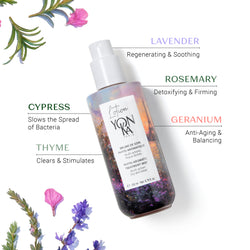
Our signature is the Quintessence—an exclusive complex of lavender, geranium, rosemary, cypress, and thyme essential oils. This 100% natural and active complex is the foundation of our formulas, providing a synergistic effect that goes far beyond what a single kitchen oil can achieve. When we address dry skin, we use pharmaceutical-grade botanical extracts to ensure the skin is nourished, protected, and revitalized without the risk of congestion or irritation.
Note: When introducing any product containing essential oils or concentrated botanicals, we always recommend a patch test on your inner forearm for 24 hours. A slight, brief tingling can be normal as the actives begin to work, but persistent redness or irritation means you should reduce frequency or discontinue use.
Building a Professional Ritual for Dry Skin
If your skin is craving the benefits found in olive oil but you want to avoid the risks of a DIY approach, we recommend a structured, layered ritual. This method ensures that your skin receives a balance of water, lipids, and protective antioxidants.
Step 1: Gentle Cleansing
The foundation of any dry skin routine is a cleanser that respects the skin’s natural acid mantle. Lait Nettoyant is our iconic cleansing milk, designed to remove makeup and impurities while maintaining the skin's lipid balance. Its creamy texture provides the sensorial comfort of an oil without the heavy residue.
Step 2: Prepare with a Phyto-Aromatic Mist
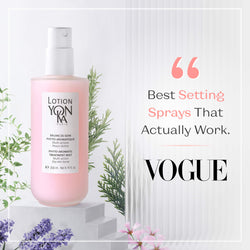
After cleansing, prime the skin with Lotion Yon-Ka PS. This alcohol-free mist features our signature Quintessence and is specifically formulated for dry and sensitive skin. It hydrates, soothes, and prepares the skin to absorb the subsequent treatments more effectively.
Step 3: Targeted Lipid Support
For those who need the intense nourishment that olive oil provides, Serum Omega is the professional solution. This "oil-in-serum" is rich in essential fatty acids (Omega 3, 6, and 9) derived from botanical sources. It provides the deep, lipid-restoring benefits your skin craves while remaining lightweight and non-comedogenic. It helps to reduce the appearance of dryness and leaves the skin feeling incredibly soft and resilient.
Step 4: Intense Moisturization
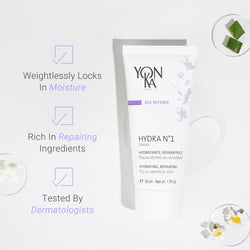
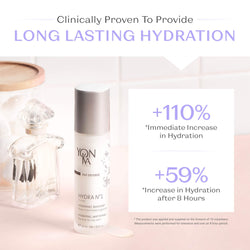
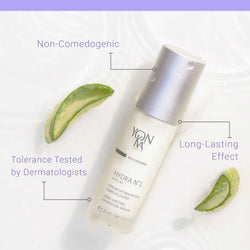
Finish your ritual with a cream that addresses both oil and water loss. Hydra N°1 Creme is an exceptional choice for dry skin. It contains long-lasting hydrating agents and lipid-repairing ingredients to provide a "cocoon" of comfort throughout the day. For an extra boost of nutrition, you can add 2–3 pumps of Nutri+ Booster to your cream to customize the level of richness.
The Importance of Professional Formulation
While it might be tempting to use the oil from your pantry, there are several reasons why professional, laboratory-grade products are superior for facial care:
- Purity and Stability: Culinary oils are not always filtered to the standards required for skincare. They can also oxidize (go rancid) quickly when exposed to light and air in a bathroom. Yon-Ka products are manufactured under ISO 22716 standards to ensure absolute stability and purity.
- Molecular Weight: Raw oils often have a large molecular structure that sits on the surface. Professional formulas use "micronized" or specifically extracted lipids that the skin can actually utilize.
- The Synergistic Effect: A single oil can only do so much. Our formulas combine multiple land and sea plants—over 130 in our collection—to address dryness from every angle, including inflammation, barrier repair, and antioxidant protection.
- Sensorial Experience: Skincare should be a ritual, not a chore. The aroma of our essential oil blends provides a therapeutic, spa-like experience that pure olive oil simply cannot match.
For a closer look at the broader assortment designed to support comfortable, hydrated skin, explore our face moisturizers collection.
Bottom line: Professional skincare provides a balanced, stabilized, and highly effective way to deliver botanical nutrients without the common side effects of raw kitchen ingredients.
How to Responsibly Use Olive Oil at Home
If you choose to use olive oil as a natural supplement to your routine, follow these best practices to minimize the risk of irritation or breakouts.
Choose the Right Grade Only use Certified Organic Extra Virgin Olive Oil (EVOO). This ensures the oil has been cold-pressed and hasn't been treated with high heat or chemicals that could strip away its beneficial antioxidants and vitamins.
Use it as a Booster, Not a Base Rather than applying pure olive oil directly to your face, try adding one or two drops to your nighttime moisturizer. This allows the oil to benefit from the delivery system of your cream, making it less likely to sit heavily on the surface and clog your pores.
Focus on Dry Patches If your entire face isn't dry, limit the use of olive oil to specific areas of concern, such as the outer cheeks, neck, or around the lips. Avoid the T-zone (forehead, nose, and chin), where sebaceous glands are most active and prone to congestion.
The Damp Skin Rule Always apply any oil or oil-based product to slightly damp skin. This helps the oil to spread more evenly and can help "seal in" some of the moisture left on the skin's surface after cleansing or misting with Lotion Yon-Ka PS.
When to See a Professional
While dry skin is a common concern, persistent or severe flaking, redness, and itching can sometimes indicate an underlying condition like eczema, rosacea, or psoriasis. If your skin does not improve with consistent home care, or if you experience sudden, painful changes, we recommend consulting a dermatologist or a physician.
For those looking for a "next-level" professional result, visiting a Yon-Ka partner spa can provide a transformative experience. Our trained aestheticians can perform deep-hydration treatments that utilize professional-only products and techniques to restore even the most parched complexions. You can find a local expert by using our Spa Locator on our website.
If you want an in-spa option designed for dry, dehydrated skin, our Hydralessence treatment is a natural next step.
Conclusion
In the quest for healthy, radiant skin, the treasures of the botanical world are our greatest allies. Olive oil is undoubtedly a remarkable ingredient, packed with the lipids and antioxidants that dry skin craves. However, as we have explored, its raw application to the face comes with significant caveats, particularly regarding pore congestion and barrier health. At Yon-Ka Paris, we believe that the best results come from a fusion of nature’s wisdom and scientific precision. By choosing professionally formulated products like Serum Omega or Hydra N°1 Creme, you can enjoy the nourishing power of plant oils within a balanced, safe, and sensorial ritual.
We invite you to savor your skincare routine as a daily moment of wellbeing, rooted in 70 years of French phyto-aromatic expertise. If you are unsure which products are right for your specific needs, we encourage you to learn more about our ingredients and visit our treatments page to explore professional options.
FAQ
Does olive oil clog pores on the face?
Yes, olive oil is considered moderately comedogenic, which means it has a high likelihood of clogging pores and causing blackheads or breakouts. This risk is especially high for those with oily or combination skin, though even dry skin types can experience congestion if the oil is used in its pure, raw form.
Is olive oil better than a professional moisturizer for dry skin?
Generally, no. While olive oil is an effective emollient, it only provides lipids and lacks the water-binding humectants and stabilized antioxidants found in professional moisturizers. Professional formulas are also balanced to prevent pore clogging and are more shelf-stable than culinary oils. If you are comparing options for dryness, the face moisturizers collection is a better starting point.
Can olive oil fix a damaged skin barrier?
While olive oil contains beneficial fatty acids, its high concentration of oleic acid can actually disrupt the skin barrier in some individuals if used excessively. For barrier repair, it is better to use products that contain a balanced blend of ceramides, squalene, and a variety of botanical oils designed to mimic the skin's natural lipid structure.
How should I apply olive oil to my face if I have very dry skin?
If you choose to use it, always opt for organic extra virgin olive oil. Apply only 1–2 drops to damp skin after cleansing, or mix a small amount into your nighttime moisturizer. Always perform a patch test first and avoid the T-zone to prevent potential acne or irritation.
Piel seca y deshidratada