Table of Contents
- Introduction
- The Science of Green Tea for Your Skin
- Does Green Tea Dry Out the Skin?
- Choosing the Right Green Tea Cleanser for Dry Skin
- Benefits of Green Tea for a Dry Complexion
- The Phyto-Aromatic Ritual for Dry Skin
- DIY Green Tea Treatments for Dry Skin
- Why Quality and Sourcing Matter
- Addressing Potential Sensitivities
- Conclusion
- FAQ
Introduction
Stepping into your bathroom for a morning skincare ritual should feel like a breath of fresh air for your soul and your skin. For those navigating the tightness and flaking of a dry complexion, finding the right cleanser often feels like a balancing act between achieving a deep clean and preserving precious moisture. Green tea has long been celebrated as a "superfood" in our mugs, but its transition into our vanity cabinets has sparked a common question among enthusiasts: is green tea face wash good for dry skin?
At Yon-Ka Paris, we believe that botanical synergy is the key to radiant health. This article explores how green tea’s potent antioxidants and vitamins can support a dry complexion, what to look for in a formulation, and how to integrate these phyto-aromatic benefits into your daily routine. We will demonstrate that green tea is not just for oily types—it is a versatile botanical ally for almost everyone.
Quick Answer: Yes, green tea face wash is excellent for dry skin when formulated with hydrating co-ingredients. It provides essential antioxidant protection and anti-inflammatory benefits that soothe the redness and irritation often associated with dryness.
The Science of Green Tea for Your Skin
Green tea, derived from the Camellia sinensis plant, is a powerhouse of bioactive compounds. While many associate tea-based skincare with "detoxifying" oily skin, the molecular makeup of green tea offers profound benefits for those lacking in natural oils or hydration.
The most significant components of green tea are polyphenols, specifically a group known as catechins. The most famous of these is epigallocatechin gallate, or EGCG. In plain English, EGCG is a high-performance antioxidant that helps protect the skin from environmental stressors like pollution and UV rays. For dry skin, which often has a compromised barrier, this extra layer of defense is vital for maintaining a healthy-looking glow.
Beyond antioxidants, green tea contains Vitamin B2 (riboflavin) and Vitamin E. Vitamin B2 helps maintain the appearance of collagen levels, which supports skin firmness, while Vitamin E is a legendary hydrator known for its ability to nourish and soften the skin. Together, these elements transform a simple wash into a revitalizing treatment.
Does Green Tea Dry Out the Skin?
A common misconception is that because green tea is used to manage sebum (oil) in acne-prone skin, it must be inherently drying. This is a myth. While green tea contains tannins—natural compounds that are slightly astringent and help shrink the appearance of pores—they do not "strip" the skin of its natural moisture in the same way that harsh synthetic sulfates (like SLS) do.
In fact, the anti-inflammatory properties of green tea make it a soothing choice for dry skin that is prone to redness or "tightness" after washing. When integrated into a creamy or milky base, green tea helps calm the skin's surface while the antioxidants work to revitalize the appearance of dull, dehydrated areas.
Myth: Green tea is only for oily and acne-prone skin. Fact: Green tea is a "biomimetic" ingredient that helps balance all skin types. Its high Vitamin E content and anti-inflammatory polyphenols make it a soothing choice for dry, sensitive complexions.
For a deeper look at gentle cleansing, explore Which Face Wash Best for Dry Skin?.
Choosing the Right Green Tea Cleanser for Dry Skin
If you have dry skin, the texture of your cleanser is just as important as the active ingredients. A foaming gel with green tea might be too aggressive for someone with a depleted lipid barrier. Instead, look for "creamy," "milky," or "non-foaming" formulas.
Look for Hydrating Partners
Green tea works best for dry skin when it is paired with emollient and humectant ingredients. When browsing labels, look for:
- Aloe Vera: To provide a cooling, water-binding base.
- Glycerin: A humectant that pulls moisture into the skin.
- Plant Oils: Such as jojoba or almond oil to replenish the skin's lipid layer.
- Honey: For its natural humectant and soothing properties.
Our approach to cleansing at Yon-Ka emphasizes respect for the skin's natural pH. For those with dry skin, we often recommend starting with a product like Lait Nettoyant. While the focus of your routine might be the inclusion of green tea, starting with a gentle, milk-based cleanser ensures that your skin is never stripped before the treatment steps begin.
Benefits of Green Tea for a Dry Complexion
When you incorporate green tea into your cleansing ritual, you aren't just removing debris; you are delivering a targeted dose of plant-based medicine to your skin's surface.
1. Reducing the Appearance of Redness
Dry skin is frequently sensitive skin. Small cracks in the skin barrier can lead to irritation and visible redness. The polyphenols in green tea act as a soothing balm, helping to reduce the look of inflammation and leaving the skin appearing more even-toned and calm.
2. Antioxidant Defense Against Aging
Dry skin often shows signs of aging, such as fine lines, more quickly than oily skin. This is because the skin lacks the "plumping" effect of natural oils. The EGCG in green tea helps neutralize free radicals, which are unstable molecules that break down collagen. By washing with a green tea-infused product, you are providing a daily "shield" against the environmental factors that accelerate the look of wrinkles.
3. Gentle Exfoliation
Dry skin often suffers from a buildup of dead skin cells, which leads to a flaky texture. Some green tea cleansers use the actual tea leaves for a very soft, physical exfoliation. This is much safer for dry skin than harsh scrubs, as it gently lifts away dullness to reveal the brighter skin underneath without causing micro-tears.
4. Support for the Skin Barrier
The vitamins found in Camellia sinensis support the skin's natural ability to retain moisture. By nourishing the barrier during the cleansing step, you prepare the skin to better absorb subsequent treatments like serums and moisturizers.
For more on dry-skin routines, see What to Use for Dry Skin on Face.
The Phyto-Aromatic Ritual for Dry Skin
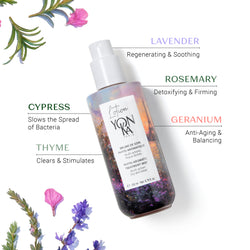
At Yon-Ka, we believe skincare is more than just a task; it is a moment of wellbeing. Our rituals are built on the foundation of our signature Quintessence—a unique blend of lavender, geranium, rosemary, cypress, and thyme essential oils. This complex provides a professional-grade experience that enhances the efficacy of botanical ingredients like green tea.
To maximize the benefits of a green tea face wash for dry skin, we suggest a layered approach:
- Cleanse: Use a gentle, milk-based cleanser. If your cleanser contains green tea, massage it into the skin for at least 60 seconds to allow the polyphenols to penetrate.
- Mist: Immediately follow with a hydrating mist like Lotion Yon-Ka PS. This alcohol-free toner uses the power of the Quintessence to sanitize, soothe, and prep the skin.
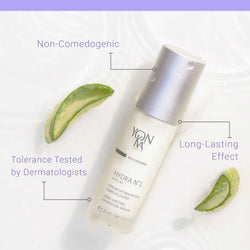
- Treat: Apply a serum that complements the antioxidant power of green tea. For intense hydration, Hydra N°1 Serum is an excellent choice, as it contains hyaluronic acid to "lock in" water.
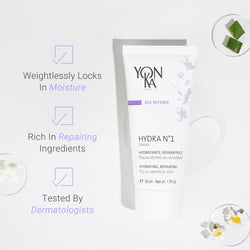
- Moisturize: Finish with a protective cream like Hydra N°1 Crème or Vital Defense. These provide the lipids that dry skin lacks, sealing in the botanical benefits of your earlier steps.
Key Takeaway: For dry skin, a green tea cleanser should be the first step in a moisture-stacking ritual. Pairing the antioxidant power of tea with humectants like hyaluronic acid and the soothing effects of the Quintessence ensures a supple, glowing result.
If you want to learn more about the ingredients behind this approach, visit Our Ingredients.
DIY Green Tea Treatments for Dry Skin
If you aren't ready to swap your current cleanser but want the benefits of green tea, you can create a phyto-aromatic "booster" at home. These rituals can be used once or twice a week to supplement your daily routine.
The Green Tea & Honey Mask
Honey is a natural humectant, meaning it attracts moisture, making it a perfect partner for green tea.
- Step 1: Steep a green tea bag in a small amount of hot water (just enough to cover it) for 5 minutes.
- Step 2: Allow the tea to cool completely.
- Step 3: Mix 1 tablespoon of the concentrated tea with 1 tablespoon of raw honey.
- Step 4: Apply the mixture to a clean face and leave for 15 minutes.
- Step 5: Rinse with lukewarm water and follow with Lotion Yon-Ka.
The Green Tea Steam
Steam helps open the appearance of pores and allows the aromatic molecules of tea to soothe both the skin and the senses (aromachology).
- Step 1: Place two green tea bags in a large bowl of steaming (not boiling) water.
- Step 2: Lean over the bowl with a towel draped over your head to trap the steam.
- Step 3: Breathe deeply for 5 to 10 minutes.
- Step 4: Splash your face with cool water and apply Serum Omega to replenish essential fatty acids.
Note: Before trying any new botanical ingredient or DIY treatment, we recommend a patch test. Apply a small amount of the product to your inner forearm and wait 24 hours to ensure no sensitivity occurs.
To see how we build around these rituals, you can also read Product Spotlight: Lait Nettoyant.
Why Quality and Sourcing Matter
Not all green tea extracts are created equal. In the world of professional skincare, the method of extraction and the concentration of the active polyphenols determine the results you see in the mirror. We prioritize natural origin ingredients and rigorous formulation standards at our facility near Paris.
When a product is formulated with pharmaceutical-grade rigor, as all our products are, you can trust that the green tea extract is stable and active. This is why over 7,000 skincare professionals worldwide trust us for their treatment rooms. The transition from a professional spa treatment to your home vanity requires products that are both sensorial and effective.
Addressing Potential Sensitivities
While green tea is generally very safe, essential oils and botanical extracts are active ingredients. Some individuals may experience a slight tingling sensation when first introducing phyto-aromatic products; this is often normal as the skin adjusts. However, if you experience persistent redness, itching, or swelling, you should reduce the frequency of use or discontinue the product. If a reaction is severe, such as facial swelling or difficulty breathing, seek medical attention immediately.
If you have a known medical condition such as rosacea or eczema, we always advise consulting a dermatologist before introducing new active botanicals into your routine.
Conclusion
Green tea face wash is not just "good" for dry skin—it is a sophisticated way to introduce high-level antioxidants into a category that is often overlooked for its treatment potential. By choosing a formula that respects the skin barrier and pairing it with a consistent, moisture-rich ritual, you can transform a dry, dull complexion into one that looks vibrant and resilient.
Our 70-year heritage at Yon-Ka Paris is built on the belief that the finest ingredients are found in nature, but their true power is unlocked through science and ritual. Whether you are using a green tea cleanser or a hydrating milk, the goal is to create a moment of harmony for your skin.
To find the perfect products for your unique needs, we invite you to take our Skin Diagnosis quiz or use the Product Matcher on our website. For a truly transformative experience, use our Spa Locator to find a professional Yon-Ka treatment near you.
Bottom line: Green tea provides the essential antioxidant "shield" that dry skin needs to stay looking youthful and calm, provided it is delivered in a hydrating, gentle base.
FAQ
Can I use green tea face wash every day if I have dry skin?
Yes, you can use a green tea face wash daily, provided the formula is designed for dry or sensitive skin. Look for cream or milk textures rather than harsh foaming gels. Daily use allows the antioxidants to consistently protect your skin from environmental damage.
Will green tea help with the flakiness of dry skin?
Green tea can help improve the appearance of flakiness in two ways: its anti-inflammatory properties soothe the underlying irritation, and its vitamins support a healthier skin barrier. For best results, use a green tea cleanser that contains gentle exfoliating tea leaves to lift away dead skin.
Is green tea better for dry skin than Vitamin C?
Both are excellent antioxidants, but they serve different roles. Green tea is often more soothing and better tolerated by sensitive, dry skin, whereas high concentrations of Vitamin C can sometimes be irritating. Many find that using green tea in a cleanser and a stabilized Vitamin C like our Serum C20 in the "treat" step provides the best results.
Should I rinse my face with green tea after washing?
Using cooled green tea as a final rinse is a wonderful DIY trick. It acts as a natural, mildly acidic toner that helps balance the skin's appearance. However, it does not replace a dedicated moisturizer, which is essential for sealing in the hydration that dry skin requires.
Piel seca y deshidratada