Table of Contents
- Introduction
- Understanding the Difference Between Dry and Dehydrated Skin
- The Physical Benefits of Steaming for Dry Skin
- The Risks: Why Caution is Essential for Dry Skin
- How to Steam Dry Skin Safely: The Step-by-Step Ritual
- Enhancing Your Steam with Botanical Wisdom
- Professional vs. At-Home Steaming
- Holistic Tips for Maintaining Hydration
- Conclusion
- FAQ
Introduction
There is a unique sense of tranquility found in the warm, billowing mist of a facial steam—a ritual that transforms your bathroom into a private sanctuary. For those with a dry complexion, this sensorial experience often raises a practical question: is face steamer good for dry skin, or will the heat lead to further depletion? While steam is a staple in professional esthetic treatments, using it correctly at home requires a balance of botanical wisdom and proper technique. At Yon-Ka Paris, we believe that every step of a skincare ritual should serve the skin's health and the spirit's well-being. This article will explore the physiological effects of steam on dry skin, the essential precautions to prevent moisture loss, and how to integrate this practice into a professional-grade home routine. Ultimately, we will show how controlled steaming can be a powerful ally in achieving a supple, radiant glow.
Quick Answer: Yes, facial steaming can benefit dry skin by temporarily increasing hydration and softening the skin surface for better product absorption. However, it must be limited to once weekly for no more than ten minutes and immediately followed by a barrier-restoring moisturizer to prevent "flash drying" and further moisture loss.
Understanding the Difference Between Dry and Dehydrated Skin
To determine if steaming is appropriate for you, it is vital to understand the nuance of your skin's needs. In the world of professional skincare, we distinguish between "dry" skin and "dehydrated" skin. Though they feel similar—tight, flaky, or dull—their causes are distinct.
Dry skin is a skin type characterized by a lack of natural oils (lipids). Your sebaceous glands produce less sebum than normal, which can leave the skin barrier compromised and prone to sensitivity. Because this barrier is "leaky," moisture escapes easily.
Dehydrated skin is a temporary condition that affects all skin types, including oily ones. It refers to a lack of water in the uppermost layers of the skin. This can be caused by environmental factors, diet, or using harsh products that strip the skin.
Facial steaming primarily addresses dehydration by delivering a concentrated dose of water vapor to the skin. However, for those with a dry skin type, that water can evaporate quickly, taking the skin's existing moisture with it. This is why the steps you take after steaming are just as important as the steam itself.
The Physical Benefits of Steaming for Dry Skin
When practiced with intention, steaming offers several benefits that go beyond simple relaxation. It acts as a "pre-treatment" that prepares the skin to receive the active botanical ingredients found in your subsequent products, especially when you follow with a hydrating step like Lotion Yon-Ka PS.
Enhanced Permeability and Absorption
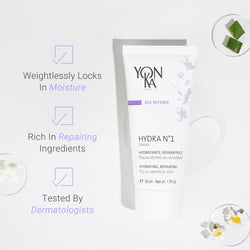
The primary reason we utilize steam in professional Yon-Ka treatments is to increase the skin's permeability. The gentle heat softens the stratum corneum—the outermost layer of the skin—making it more receptive to topicals. For dry skin, which often suffers from a buildup of dead skin cells that block product penetration, this softening effect is invaluable. When you apply a rich cream like Hydra N°1 Creme immediately after a steam, the humectants and lipids can travel deeper and work more effectively.
Increased Microcirculation
Heat causes vasodilation, which is the widening of blood vessels. This process encourages blood flow to the surface of the skin, delivering a fresh supply of oxygen and nutrients to the cells. For dry complexions that often appear "grey" or lackluster, this boost in circulation provides an immediate, healthy flush and supports the skin's natural regenerative processes over time.
Softening the Skin for Gentle Exfoliation
Dry skin is frequently accompanied by flakiness. Traditional physical scrubs can be too abrasive for a fragile dry barrier. Steaming provides a way to "loosen" the bonds between dead skin cells without friction. Following a brief steam with a grain-free exfoliator like Gommage Yon-Ka allows you to gently polish away dullness, leaving the surface smooth and ready for hydration.
Key Takeaway: Steaming serves as a functional bridge in your ritual, transforming the skin from a dry, resistant surface into a soft, permeable sponge ready to absorb high-performance botanical actives.
The Risks: Why Caution is Essential for Dry Skin
While the benefits are tempting, steam is not without its pitfalls. If used incorrectly, it can transition from a hydrating helper to a drying disturber.
The Threat of "Flash Drying"
When you expose your face to steam, the skin becomes saturated with water. However, the moment you step away from the mist, that water begins to evaporate. In a process known as trans-epidermal water loss (TEWL), the evaporating steam can actually pull the skin’s internal moisture out along with it. For dry skin, which already lacks the lipid "seal" to keep moisture in, this can lead to an even more dehydrated state than before you started.
Temperature and Barrier Damage
It is a common misconception that "hotter is better." Extremely high temperatures can strip the skin of its essential acid mantle—the protective film of lipids and sweat that guards against bacteria and moisture loss. For dry skin types, which already have a thin or weakened barrier, excessive heat can lead to inflammation, increased sensitivity, and even broken capillaries (couperose).
Frequency and Timing
Over-steaming is a frequent mistake. While someone with oily skin might tolerate steaming twice a week, those with dry skin should limit the practice to once a week. Furthermore, the duration should never exceed ten minutes. Prolonged exposure to heat and water can disrupt the skin’s natural moisturizing factors (NMFs), leading to chronic dryness.
How to Steam Dry Skin Safely: The Step-by-Step Ritual
To reap the rewards of steaming without the risks, we recommend following a structured, barrier-respecting ritual. This approach ensures the skin is protected, hydrated, and sealed.
Step 1: The Gentle Cleanse
Never steam a face that still has makeup, sunscreen, or daily pollutants on it. As the steam softens the skin and the pores appear more accessible, you do not want debris to remain on the surface. For dry skin, avoid foaming cleansers that can strip lipids. Instead, use a milk cleanser like Face Cleansers & Makeup Removers. This botanical milk cleanses while respecting the skin's natural balance, leaving it soft and comfortable.
Step 2: The Controlled Steam
Whether you are using a dedicated device, a bowl of hot water, or the "warm towel" method, distance and temperature are key.
- Distance: Keep your face at least 8 to 12 inches away from the steam source. It should feel like a warm, comforting cocoon, never a stinging heat.
- Duration: Set a timer for 5 to 7 minutes. Ten minutes is the absolute maximum for dry skin.
- Environment: Keep your eyes closed to prevent irritation and allow the delicate skin of the eyelids to benefit from the gentle warmth.
Step 3: The Phyto-Aromatic Mist
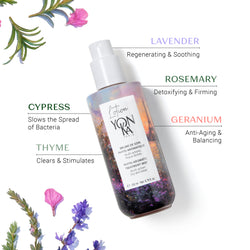
The moment you stop steaming, your skin is at its most vulnerable to moisture loss. Immediately mist your face with Lotion Yon-Ka PS. This is our signature alcohol-free toner specifically formulated for dry skin. It features the Yon-Ka Quintessence—a proprietary blend of lavender, geranium, rosemary, cypress, and thyme—to instantly soothe and rebalance the skin.
Step 4: Deep Treatment
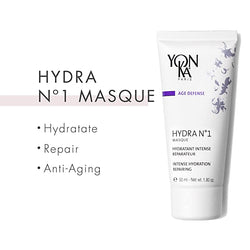
While the skin is still slightly damp from the mist, apply a concentrated treatment. For intense dryness, a lipid-restoring product like Serum Omega provides the essential fatty acids your skin lacks. Alternatively, if your skin feels exceptionally tight and parched, applying Hydra N°1 Masque and leaving it on for 15 minutes (or even overnight) will take advantage of the skin's increased permeability post-steam.
Step 5: Seal and Protect
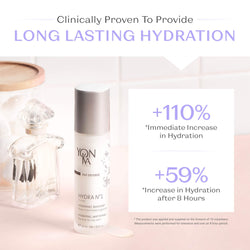
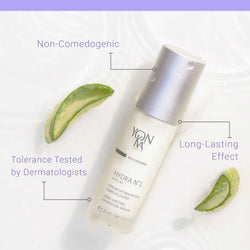
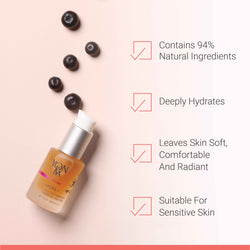
The final and most crucial step is to apply a moisturizer that acts as an occlusive barrier. Hydra N°1 Creme is ideal here, as it contains high and low molecular weight hyaluronic acid along with shea butter and hazelnut oil to lock in the hydration provided by the steam.
Note: When introducing essential oils or new botanical products into a steaming routine, we always recommend a patch test. Apply a small amount of the product to your inner forearm and wait 24 hours to ensure no sensitivity occurs. Introducing one new element at a time allows you to monitor exactly how your skin responds to the ritual.
Enhancing Your Steam with Botanical Wisdom
At the heart of the Yon-Ka experience is the Quintessence. This core of five essential oils provides more than just a beautiful scent; it offers functional benefits that are amplified by the presence of steam.
- Lavender (Lavandula angustifolia): Known for its profound soothing and anti-inflammatory properties, lavender helps calm the redness that can sometimes occur with heat.
- Geranium (Pelargonium graveolens): This oil helps to balance the skin and provide a sense of revitalization.
- Rosemary (Rosmarinus officinalis): Helps to "wake up" a dull complexion and support natural circulation.
- Cypress (Cupressus sempervirens): Known for its toning qualities, it helps support the appearance of the skin's structure.
- Thyme (Thymus vulgaris): Provides purifying benefits, ensuring the "deep clean" feel of a steam is effective.
When these oils are part of your routine—either through the Lotion Yon-Ka used immediately after steaming or the professional products used during a spa treatment—they create an aromachological effect. The scent molecules travel through the olfactory system, signaling the nervous system to relax. Since stress is a known trigger for skin inflammation and dryness, this holistic approach addresses the skin from the inside out.
Professional vs. At-Home Steaming
While DIY steaming is a wonderful way to maintain your skin between visits, there is a distinct difference between a home setup and a professional Yon-Ka treatment. In a professional setting, the esthetician uses a specialized "Vapozone" that produces a fine, ionic mist. This mist is often more easily "accepted" by the skin than the larger droplets produced by a bowl of boiling water.
During a professional facial, the steam is often used concurrently with a botanical exfoliation or a specialized massage. This ensures the skin's temperature remains consistent and the barrier is never compromised. If you find that your dry skin is particularly stubborn or sensitive, visiting a local professional can provide a "reboot" for your complexion. You can find a nearby partner using our Spa Locator to experience the difference that expert application and professional-grade equipment can make.
Holistic Tips for Maintaining Hydration
Steaming should be viewed as a supplementary "boost" rather than the foundation of your skincare. To truly manage dry skin, a holistic approach is necessary.
- Humidify Your Space: Especially during winter months when indoor heating strips the air of moisture, a humidifier can prevent your skin from drying out overnight. Think of it as a constant, very gentle "micro-steam" for your environment.
- Internal Hydration: While the link between drinking water and skin hydration is complex, staying properly hydrated supports overall cellular health, which reflects in the skin's appearance.
- Consistency Over Intensity: A daily routine of gentle cleansing and deep moisturizing is far more effective than an occasional "miracle" steam session.
- Protect the Barrier: Avoid very hot showers and harsh soaps, which can undo all the benefits of your carefully curated skincare ritual.
If you are unsure which products will best complement your steaming routine, we invite you to use our Skin Diagnosis quiz or Product Matcher. These tools help narrow down the 80+ formulations in our collection to find the specific match for your skin’s unique personality.
Conclusion
Facial steaming is a time-honored practice that, when approached with the pharmaceutical rigor of the Yon-Ka method, can transform dry, dull skin into a canvas of radiance. By respecting the delicate nature of the skin barrier, limiting heat exposure, and following the essential steps of cleansing, toning, and moisturizing, you can safely enjoy this spa-like ritual at home. Remember that the goal is not just to add water to the skin, but to create the conditions where that hydration can thrive and be preserved.
At Yon-Ka Paris, our mission is to provide you with the botanical tools and professional knowledge to make every moment of skincare a meaningful ritual. Rooted in 70 years of French phyto-aromatic expertise, our formulas are designed to work in harmony with your skin’s natural rhythm. Learn more about our ingredients and formulation philosophy and our scientific approach to formulas.
"Skincare is not just a daily task; it is an act of self-care that begins with the power of nature and ends with a deep sense of well-being."
To begin your journey toward a more hydrated complexion, explore the Hydra N°1 collection or find a professional treatment through our local spa partners.
FAQ
How many times a week should I steam my face if I have dry skin?
For dry skin types, steaming should be limited to once per week. Over-steaming can strip the skin of its essential natural oils and lead to increased sensitivity or dehydration. Always listen to your skin; if it feels tight or looks red after a session, reduce the frequency to once every two weeks.
Can I add essential oils directly to the water when steaming?
While it is popular to add oils to the water, we generally advise caution. Concentrated essential oil vapors can be irritating to the eyes and respiratory system if used in excess. A safer way to enjoy phyto-aromatic benefits is to mist your skin with Lotion Yon-Ka immediately after steaming, which contains a professionally balanced blend of essential oils designed for skin contact.
Should I wash my face before or after steaming?
You should always wash your face before steaming. Using a gentle milk like Lait Nettoyant ensures that dirt, makeup, and sunscreen are removed so they don't block the skin's surface during the steaming process. After steaming, you should not need to wash again; simply move directly to toning and moisturizing.
What is the best product to use immediately after a face steam?
The most important product to use post-steam is a high-quality moisturizer or serum to "lock in" the moisture. For dry skin, a product rich in hyaluronic acid and lipids, such as Hydra N°1 Creme, is essential. Applying this while the skin is still slightly damp from a toner like Lotion Yon-Ka PS will provide the best results for a plump, hydrated appearance.
Piel seca y deshidratada