Table of Contents
- Introduction
- What Exactly Is Coconut Oil?
- The Benefits: How Coconut Oil Supports Dry Skin
- The Face vs. Body Dilemma
- The Comedogenic Risk: A Warning for the Face
- How to Properly Use Coconut Oil for the Face
- The Phyto-Aromatic Alternative: Refined Botanical Oils
- Understanding Emollients, Occlusives, and Humectants
- Building a Professional Ritual for Dry Skin
- The Importance of Professional Guidance
- When to See a Professional
- Conclusion
- FAQ
Introduction
The search for the perfect remedy for dry skin often leads to the kitchen pantry. There is a certain sensorial appeal to the idea of a raw, tropical oil providing instant relief to a tight, flaky complexion. You can almost feel the buttery texture melting into your skin, promising a glow that mimics a week in the South of France. Because it is natural and accessible, many wonder if coconut oil is the missing piece in their daily routine. At Yon-Ka Paris, we appreciate the power of botanical lipids, but we also know that the skin on your face is a delicate ecosystem that requires a precise touch.
This article explores whether is coconut oil good for dry skin on your face, examining its biological benefits and its significant potential drawbacks. We will discuss how it interacts with the skin barrier, why its heavy texture can be problematic for certain areas, and how to integrate it—or more refined botanical alternatives—into a professional-grade ritual. Our goal is to help you understand the science of plant oils so you can achieve lasting suppleness without compromising your skin's clarity, all while staying rooted in our ingredients philosophy.
What Exactly Is Coconut Oil?
Before deciding if this oil belongs in your skincare cabinet, it is helpful to understand its chemical makeup. Coconut oil is a plant-based lipid extracted from the "meat" of mature coconuts. It is unique in the world of oils because it is highly saturated, which is why it remains a solid, white substance at room temperature and turns into a clear liquid only when warmed.
The primary strength of coconut oil lies in its medium-chain fatty acids. These are essential lipids that play a role in maintaining the skin's surface. The most prominent is lauric acid, which accounts for nearly 50% of the oil’s composition. It also contains linoleic acid, an unsaturated omega-6 fatty acid, and caprylic acid. In the world of phytotherapy, these components are recognized for their ability to soften the skin and provide a protective shield against environmental stressors.
At Yon-Ka, we view these fatty acids as the building blocks of a healthy complexion. However, the concentration of these acids in raw coconut oil is very high, making the oil "heavy" compared to the refined botanical extracts used in professional formulations.
The Benefits: How Coconut Oil Supports Dry Skin
If you struggle with chronic dryness—characterized by a rough texture, itching, and a lack of natural oils—coconut oil can provide some immediate cosmetic benefits. It primarily acts as an emollient and an occlusive.
Intense Moisture Retention
The most significant benefit for dry skin is coconut oil's ability to reduce transepidermal water loss (TEWL). This is the process where moisture evaporates from your skin into the air, a common problem for those with a compromised skin barrier. Because coconut oil is an occlusive, it creates a physical film on the surface of the skin. This "seals" the moisture in, helping the skin remain hydrated for longer periods.
Antimicrobial and Soothing Properties
Thanks to its high lauric acid content, coconut oil has natural antimicrobial and antifungal properties. This can be beneficial for those whose dry skin leads to minor cracks or irritations, as it helps to keep the skin surface clean. Furthermore, its anti-inflammatory nature can help reduce the appearance of redness and soothe the "tight" feeling that often accompanies extreme dryness.
Enhancing Skin Suppleness
Dry skin often appears more lined or "crepey" because it lacks the plumpness provided by lipids. By filling in the gaps between skin cells with fatty acids, coconut oil can help the skin surface look smoother and more elastic. It provides a temporary "blurring" effect on fine lines, giving the complexion a more youthful, revitalized appearance.
Key Takeaway: Coconut oil is a powerful occlusive that is excellent at trapping moisture and softening the skin surface, making it a viable option for those with extremely dry, non-acne-prone skin.
The Face vs. Body Dilemma
While coconut oil is a favorite for hydrating dry elbows, knees, and heels, the face presents a different challenge. We often remind our clients that facial skin is thinner and has a higher density of sebaceous (oil) glands than the skin on the rest of the body.
Because coconut oil is so thick and rich in saturated fats, it does not always absorb fully into the deeper layers of the facial epidermis. Instead, it can sit on the surface, creating a heavy film. This is why many people find that while their legs love coconut oil, their face begins to feel congested after a few days of use.
If you are using it on your body, it is a wonderful natural choice. But when considering it for the face, you must evaluate your specific skin type and the climate you live in. In very dry, cold environments, the occlusive shield of coconut oil may be helpful; in humid or warm climates, it may feel suffocating.
The Comedogenic Risk: A Warning for the Face
The most critical factor in the "is coconut oil good for dry skin on your face" debate is its comedogenic rating. This is a scale from 0 to 5 that measures how likely an ingredient is to clog pores. Coconut oil typically scores a 4 out of 5.
Clogged Pores and Breakouts
A rating of 4 means that coconut oil is highly likely to cause blockages in the pores. Even if your skin feels dry, you may still have pores that are easily congested. When the heavy oil mixes with dead skin cells and bacteria, it can lead to blackheads, whiteheads, and persistent breakouts. This is especially true in the "T-zone" (forehead, nose, and chin), where oil glands are most active.
The Risk of Milia
Using heavy, occlusive oils around the delicate eye area can sometimes lead to milia. These are tiny, hard white bumps that occur when keratin becomes trapped beneath the skin's surface. Because coconut oil is so thick, it can contribute to this trapped debris, particularly on the thinner skin of the face.
Folliculitis
In some cases, the "seal" created by coconut oil can be too effective, trapping heat and sweat against the skin. This can lead to folliculitis, an inflammation of the hair follicles that appears as itchy, red bumps. If you have sensitive or reactive skin, this heavy barrier might cause more harm than good.
Myth: Since coconut oil is natural, it can't cause acne.
Fact: Many natural substances are highly comedogenic. Coconut oil’s molecular structure is large and heavy, making it one of the most common natural triggers for pore congestion.
How to Properly Use Coconut Oil for the Face
If you have extremely dry skin and want to try coconut oil, the technique you use is just as important as the product itself. To avoid the common pitfalls of congestion, follow these professional recommendations.
Step 1: Always apply to damp skin.
Because coconut oil is an occlusive (it traps moisture) rather than a humectant (it attracts moisture), it works best when there is already water on the skin. After cleansing with a gentle milk like Lait Nettoyant, mist your face with Lotion Yon-Ka. While your skin is still damp, apply the oil. This "locks in" the hydration from the mist.
Step 2: Use a very small amount.
You do not need a thick layer. Take a pea-sized amount, warm it between your palms until it melts into a thin liquid, and gently press it into the driest areas of your face, such as the cheeks or jawline. Avoid the nose and forehead if those areas tend to be oilier.
Step 3: Reserve it for evening use.
Coconut oil is heavy and can make makeup slip during the day. It also does not provide protection against environmental pollutants. Use it as the final step in your nighttime ritual to act as a nourishing "sleep mask."
Step 4: Cleanse thoroughly in the morning.
It is vital to remove the oil residue the following morning. A gentle cleanse ensures that your pores can breathe during the day and prepares your skin for your daytime moisturizer and sun protection.
Note: We recommend a patch test when introducing a new product or raw oil. Apply a small amount to your inner forearm and wait 24 hours to ensure no redness or irritation occurs.
The Phyto-Aromatic Alternative: Refined Botanical Oils
At Yon-Ka, our 70 years of expertise in aromatherapy and phytotherapy have taught us that the most effective way to treat dry skin is through balanced formulation. While raw coconut oil has its place, professional skincare utilizes oils with smaller molecular structures that can penetrate the skin without clogging pores.
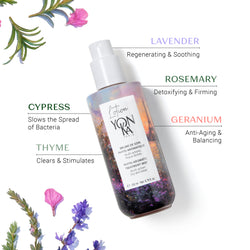
Our approach centers on the Quintessence, our exclusive complex of lavender, geranium, rosemary, cypress, and thyme. When we formulate for dry skin, we combine these essential oils with "intelligent" plant oils that mimic the skin's natural sebum more accurately than raw coconut oil.
Serum Omega: The Lipid Repair Expert
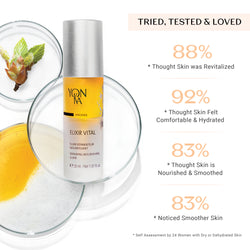
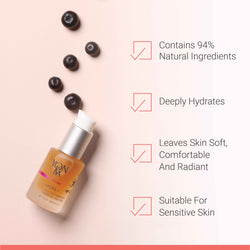
For those seeking the deep nourishment of an oil without the risk of breakouts, we recommend Serum Omega. This is a sophisticated "oil-in-serum" that utilizes sacha inchi oil, pomegranate oil, and grape seed oil. Unlike coconut oil, which is primarily saturated fat, Serum Omega provides a balanced blend of Omega 3, 6, and 9 fatty acids. These are essential for repairing the skin barrier and providing a "breathable" layer of protection.
Nutri + Booster
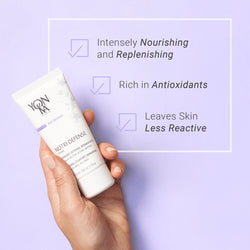
If your skin is feeling particularly depleted—perhaps due to cold weather or travel—our Nutri+ Booster spotlight is the professional solution. It is a nourishing oil concentrate rich in wheat germ oil and vitamins E and F. It is designed to be mixed directly into your moisturizer, such as Hydra N°1 Creme, to provide an extra "boost" of lipids. This allows you to customize your hydration level without the heavy, pore-clogging film of raw kitchen oils.
Understanding Emollients, Occlusives, and Humectants
To truly answer "is coconut oil good for dry skin on your face," you must understand that dry skin needs a three-pronged approach. Coconut oil only covers one of these effectively.
| Category | Function | Examples | Coconut Oil's Role |
|---|---|---|---|
| Humectants | Attract water into the skin | Hyaluronic Acid, Glycerin, Aloe Vera | None. Coconut oil does not add water. |
| Emollients | Soften and smooth the skin surface | Plant oils, Squalane, Ceramides | High. It fills in the gaps between skin cells. |
| Occlusives | Seal in moisture and prevent evaporation | Beeswax, Shea Butter, Coconut Oil | Primary. Its main job is to act as a barrier. |
If you only use coconut oil, you are sealing the skin, but you may not be adding the necessary water (humectants) or the barrier-repairing lipids (emollients) that the skin needs to function at its best. This is why some people find their skin still feels "thirsty" even after applying oil.
Building a Professional Ritual for Dry Skin
A balanced ritual is always more effective than a single "hero" ingredient. If your goal is to eliminate dryness while keeping your pores clear, consider this layered approach rooted in our professional spa expertise.
- Cleanse: Start with a barrier-respecting cleanser like Lait Nettoyant. This gentle milk removes impurities without stripping the natural lipids your skin desperately needs.
- Mist: Use Lotion Yon-Ka PS (the version for dry skin). This phyto-aromatic mist is the heart of our ritual, providing immediate hydration and preparing the skin to absorb subsequent treatments.
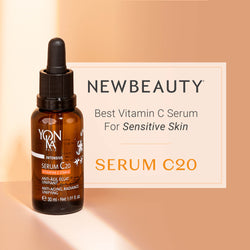
- Treat: Apply a targeted serum. If you have fine lines associated with dryness, Serum Vitamine C can brighten and protect, while Serum Omega can provide the deep lipid repair that dry skin craves.
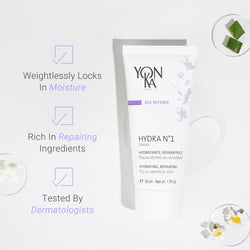
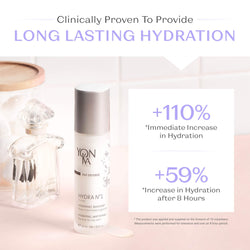
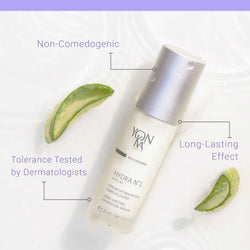
- Moisturize: Use a rich, comforting cream like Hydra N°1 Creme. This formula combines humectants like hyaluronic acid with nourishing shea butter and hazelnut oil to provide a complete hydration profile.
- Extra Care: Once or twice a week, apply the Which Face Mask is Good for Dry Skin? guide for intensive moisture support. This provides a focused "bath" of hydration that helps repair the barrier.
By following this sequence, you ensure your skin receives water, softening emollients, and a breathable occlusive layer—something raw coconut oil cannot achieve on its own.
The Importance of Professional Guidance
Skincare is not one-size-fits-all. What works for a friend with very resilient skin might cause a breakout for someone with sensitive, dry-prone skin. This is why we prioritize professional trust. Over 7,000 skincare professionals worldwide use our products because they understand the nuances of skin histology.
If you are unsure whether coconut oil or a specific botanical serum is right for your face, we encourage you to take our Product Matcher or explore the guidance in our What to Use for Dry Skin on Face ritual guide. For a more personalized experience, a professional aesthetician can analyze your skin's lipid levels and recommend the exact ritual that will restore your glow without the risk of congestion.
When to See a Professional
While dryness is a common cosmetic concern, sometimes it can be a symptom of an underlying medical condition. If you experience persistent, painful cracking, extreme redness, or patches that do not respond to any moisturizer, it is wise to consult a dermatologist. Conditions like eczema, rosacea, or psoriasis require medical diagnosis and specialized care. Skincare products are designed to support and enhance the appearance of healthy skin, but they are not a replacement for medical treatment when a condition is present.
Conclusion
So, is coconut oil good for dry skin on your face? The answer is a qualified "yes," but with significant caveats. While it is a magnificent natural occlusive that can soften the skin and lock in moisture, its high comedogenic rating makes it a risky choice for the face. For many, the result of using raw coconut oil is a trade-off: smoother skin at the cost of clogged pores and breakouts.
At Yon-Ka Paris, we believe your skin deserves the best of nature, refined by science. By choosing professional-grade botanical oils like those found in our Serum Omega or Hydra N°1 Creme, you can enjoy the deep, sensorial benefits of plant lipids without the heavy, pore-clogging side effects. Our 70-year heritage is built on the belief that skincare is a ritual worth savoring—a daily moment of wellness that honors your skin's unique needs.
"True beauty is found in the balance between botanical power and scientific precision. A ritual should nourish the skin deeply while respecting its delicate breathability."
To discover the perfect lipids for your complexion, explore the dry and dehydrated skin collection or take our Product Matcher today. Your journey to a supple, glowing complexion starts with a ritual that respects your skin's natural harmony.
FAQ
Does coconut oil actually hydrate the skin?
Technically, coconut oil is an occlusive, meaning it traps existing moisture in the skin rather than adding new water content. To truly hydrate, you should apply a water-based serum or moisturizer first, then use coconut oil as a seal to prevent that moisture from evaporating.
Can coconut oil cause acne even if I have dry skin?
Yes, coconut oil has a high comedogenic rating of 4, which means it is very likely to clog pores. Even dry skin can suffer from breakouts if the pores become congested with heavy saturated fats and trapped dead skin cells.
Is virgin coconut oil better for the face than refined coconut oil?
Virgin, cold-pressed coconut oil is generally preferred because it retains more of its natural antioxidants and nutrients. However, both virgin and refined coconut oil have the same heavy molecular structure and high comedogenic rating, so the risk of clogged pores remains the same.
What are some lighter alternatives to coconut oil for facial dryness?
If you want the benefits of a plant oil without the risk of clogging, look for squalane, jojoba oil, or specialized professional blends. Our Serum Omega, for example, uses sacha inchi and pomegranate oils, which provide essential fatty acids in a much lighter, more breathable format.
Piel seca y deshidratada