Table of Contents
- Introduction
- Understanding Activated Charcoal in Skincare
- The Unique Anatomy of Dry Skin
- Benefits and Risks of Charcoal for Dry Skin
- How to Choose a Charcoal Mask for Dry Skin
- The Yon-Ka Phyto-Aromatic Approach to Purification
- Building a Safe Charcoal Ritual for Dry Skin
- Essential Oil Safety and Sensorial Wellbeing
- Post-Mask Recovery: What Your Skin Needs Next
- The Role of Professional Expertise
- Common Myths About Charcoal and Dry Skin
- Analyzing Your Skin's Changing Needs
- Why Quality Matters: The Yon-Ka Charter
- Summary of Best Practices for Charcoal on Dry Skin
- Conclusion
- FAQ
Introduction
The weekly masking ritual is more than just a skincare step; it is a dedicated moment of pause, a sensory experience that invites us to reconnect with our skin. For those seeking a deep sense of purity and clarity, the charcoal mask has become a modern icon. Its dark, rich texture and reputation as a "magnet" for impurities make it an alluring choice for anyone dealing with the stresses of city living or the dullness of environmental buildup. At Yon-Ka Paris, we believe that true beauty emerges from a foundation of balance and respect for the skin's delicate ecosystem.
While charcoal is often celebrated for its incredible ability to detoxify, those with dry complexions may hesitate, fearing the "tight" or "stripped" feeling that often follows aggressive treatments. This article explores whether a charcoal face mask is truly suitable for dry skin and how to harness its benefits without compromising your moisture barrier. We will examine the science of charcoal, its interaction with dry skin, and how to build a ritual that prioritizes both purification and hydration.
Understanding Activated Charcoal in Skincare
To answer if charcoal is appropriate for dry skin, we must first look at what it is and how it functions. In the world of skincare, we use "activated" charcoal. This is not the same material found in a summer barbecue; rather, it is carbon—often derived from coconut shells, bamboo, or wood—that has been treated with high heat to increase its surface area.
This activation process creates millions of microscopic pores within the charcoal particles. These pores act like a high-powered sponge, but instead of absorbing liquid into their volume, they "adsorb" impurities. Adsorption is a chemical process where toxins, heavy metals, and excess sebum (the skin's natural oil) stick to the surface of the charcoal.
Quick Answer: Yes, a charcoal face mask can be used on dry skin, provided it is formulated with hydrating ingredients and used sparingly. The key is to avoid "peel-off" versions and focus on creamy, "rinse-off" formulas that nourish while they purify.
The Unique Anatomy of Dry Skin
Dry skin is more than just a temporary feeling; it is a specific skin type characterized by a deficiency in lipids, or natural oils. These lipids are essential components of the skin barrier, specifically the stratum corneum (the outermost layer). When this barrier is compromised due to a lack of oil, the skin becomes more susceptible to moisture loss and external irritants.
Unlike oily skin, which produces an abundance of sebum that can trap debris and lead to congestion, dry skin often suffers from a lack of "slip." This can lead to a buildup of dead skin cells on the surface, making the complexion appear dull, rough, or flaky. Because the skin is already lipid-deficient, applying a substance designed to remove oil—like activated charcoal—requires a very nuanced and careful approach.
Benefits and Risks of Charcoal for Dry Skin
The central dilemma of using a charcoal face mask on dry skin is balancing the need for deep cleaning with the need for moisture retention. Let’s weigh the potential advantages against the common pitfalls.
The Potential Benefits
1. Pollution Protection
Even if your skin is dry, it is not immune to environmental pollutants. Particulate matter from city air can settle on the skin and contribute to oxidative stress, which accelerates the appearance of aging. A charcoal mask can help lift these microscopic particles away, providing a fresh start for your complexion.
2. Smoothing Texture
Dry skin often struggles with efficient cell turnover. This leads to a "grayish" or dull cast. When a charcoal mask is gently massaged during the rinsing process, the fine particles provide a mild physical exfoliation, helping to buff away dry flakes and reveal the smoother skin beneath.
3. Enhancing Product Efficacy
By removing the "clutter" of dead skin cells and surface debris, a purifying treatment clears the pathway for your following products. This means your high-performance serums and moisturizers can penetrate more effectively, delivering their active ingredients where they are needed most.
The Common Risks
1. Barrier Disruption
The most significant risk is over-cleansing. If a charcoal mask is too aggressive or left on for too long, it can adsorb the precious few lipids that dry skin has left. This leads to a compromised barrier, which can manifest as redness, itching, or a "parched" sensation.
2. Temporary Sensitivity
Dry skin is often naturally more sensitive. The drawing action of charcoal, combined with certain synthetic additives found in mass-market masks, can cause temporary irritation. This is why the quality and origin of the ingredients are paramount.
How to Choose a Charcoal Mask for Dry Skin
If you have dry skin, you should not pick just any charcoal mask off the shelf. The formulation is everything. You are looking for a "buffered" experience—one where the purifying power of charcoal is balanced by soothing, moisture-loving ingredients.
Ingredients to Look For
- Hyaluronic Acid: A powerful humectant (a substance that attracts water) that helps keep the skin hydrated while the charcoal works.
- Botanical Oils: Look for masks containing jojoba, almond, or grape seed oil. These provide a protective layer that prevents the charcoal from stripping away your skin's natural moisture.
- Aloe Vera or Bisabolol: These ingredients are known for their calming properties and can help mitigate any potential irritation during the treatment.
- Glycerin: A classic moisturizing agent that helps the mask maintain a creamy texture, preventing it from drying into a "cracking" layer that can be difficult and abrasive to remove.
Ingredients to Avoid
- Denatured Alcohol: Often used in oily-skin products to provide a "quick dry," this is far too stripping for dry complexions.
- Synthetic Fragrances: These can be hidden irritants that trigger sensitivity when the skin is in a state of deep purification.
- Aggressive Adhesives: Avoid masks that "dry down" like a glue or film. The act of peeling these off can cause micro-tears in dry skin.
The Yon-Ka Phyto-Aromatic Approach to Purification
At Yon-Ka, our heritage is rooted in the professional spa environment, where we have spent over 70 years perfecting the art of "gentle efficacy." We believe that purification is a vital part of every skincare ritual, but it must be performed with pharmaceutical rigor and botanical soul.
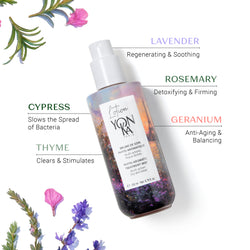
Our signature approach involves the Quintessence—a unique complex of lavender, geranium, rosemary, cypress, and thyme. This 100% natural and active core provides a balancing effect that ensures the skin remains in harmony, even during deep cleansing.
A Gentle Alternative: Gommage Yon-Ka
For many individuals with dry skin, a traditional charcoal mask might feel too intense for weekly use. In these cases, we often recommend Gommage Yon-Ka as a superior purifying alternative. This grain-free, botanical exfoliator is a "4-in-1" treatment that clarifies, hydrates, balances, and brightens the appearance of the skin.
Instead of using the drawing power of charcoal, it uses carob and brown seaweed to gently lift away impurities and dead skin cells. Because it is a cream-based formula, it leaves the skin feeling soft and supple rather than tight. It is the quintessential example of how we bridge French skincare heritage with a modern understanding of skin health.
Building a Safe Charcoal Ritual for Dry Skin
If you decide to incorporate charcoal into your routine, the "how" is just as important as the "what." Following a structured ritual ensures you get the benefits of detoxification without the side effects of dryness.
Step 1: Gentle, Barrier-Respecting Cleansing
Begin by removing surface makeup and pollution with a creamy cleanser. Lait Nettoyant is ideal for this step, as its milk-based texture respects the skin’s pH and lipid balance. Apply it with your fingertips and rinse with lukewarm—never hot—water.
Step 2: The Essential Phyto-Aromatic Mist
Before applying your mask, prepare the skin with Lotion Yon-Ka PS. This alcohol-free mist, enriched with our signature Quintessence, hydrates and energizes the skin. Applying a mask to slightly damp, prepped skin can help the charcoal spread more evenly and prevent it from drying out too quickly.
Step 3: Targeted Application (Multi-Masking)
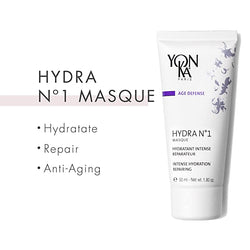
You do not have to apply a charcoal mask to your entire face. Most people with dry skin still experience some congestion in the "T-zone" (forehead, nose, and chin). Apply your charcoal mask only to these areas, and leave your cheeks—where the skin is usually thinnest and driest—for a hydrating mask like Hydra n°1 Masque.
Step 4: Respect the Clock
Do not wait for a charcoal mask to "crack" or crumble on your skin. For dry skin, 5 to 7 minutes is usually sufficient for the charcoal to adsorb surface impurities. If the mask begins to feel tight, it is time to rinse.
Step 5: Immediate Lipid Replacement
This is the most critical step. Once the mask is rinsed away, you must immediately replenish the moisture and oils that were removed.
Key Takeaway: The goal of masking on dry skin is "purification without deprivation." Always follow a charcoal treatment with a lipid-rich serum and a high-performance moisturizer to seal in the skin's barrier.
Essential Oil Safety and Sensorial Wellbeing
Because our products are rooted in aromachology—the study of the influence of scents on human behavior and emotion—a Yon-Ka ritual is designed to be as good for the mind as it is for the skin. The scents of lavender and rosemary in our formulas provide a spa-like experience at home, turning a simple task into a moment of wellness.
However, when using highly active botanical formulas, we always recommend a sensible approach. When introducing a new product like a charcoal mask or a potent serum:
- Perform a patch test on your inner forearm for 24 hours.
- Introduce only one new product at a time so you can accurately monitor your skin’s response.
- Note that a slight tingling can be normal as the essential oils work, but if you experience persistent redness, reduce the frequency of use.
Post-Mask Recovery: What Your Skin Needs Next
After a purifying treatment, your skin is essentially a "blank canvas." It is at its most receptive, making it the perfect time to feed it high-quality nutrients.
Replenish with Serum Omega
For dry skin that has just undergone a deep clean, Serum Omega is an exceptional choice. This "oil-in-serum" is designed specifically to restore the lipid barrier using a blend of omega-3, 6, and 9 fatty acids. It provides the "hug" that dry skin needs after the "vacuum" effect of charcoal.
Seal with Hydra n°1 Crème
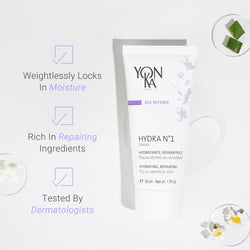
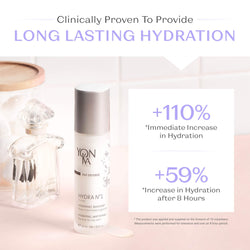
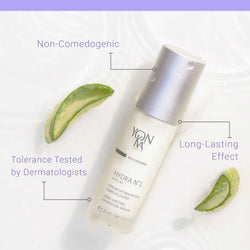
Follow your serum with a comforting moisturizer. Hydra n°1 Crème is a cocooning treatment that provides long-lasting hydration. It contains hyaluronic acid and shea butter to ensure that the moisture stays locked within the skin, leaving the complexion looking plump and radiant.
The Role of Professional Expertise
While home rituals are the foundation of healthy skin, there is no substitute for the touch of a professional. Yon-Ka was born in the treatment room, and today, over 7,000 skincare professionals worldwide trust our products. If you are struggling to balance dryness with congestion, a professional esthetician can provide a deep-cleaning "Le Grand Classique" facial that is tailored specifically to your skin's needs.
A professional treatment allows for a deeper level of purification—often using specialized techniques and higher concentrations of active ingredients—that is still entirely safe for dry skin. You can find a local partner by using our Spa Locator to experience the full power of phyto-aromatic care.
Common Myths About Charcoal and Dry Skin
There is a lot of misinformation in the skincare world. Let's clear up a few common misconceptions.
Myth: Charcoal masks are only for teenagers or oily skin types.
Fact: While they are excellent for oil control, anyone—including those with mature or dry skin—can benefit from the detoxifying properties of charcoal when used correctly.
Myth: The more a mask "stings," the better it is working.
Fact: Skincare should never be painful. A slight cooling or tingling sensation from essential oils like thyme or rosemary is normal, but a burning sensation is a sign of a compromised barrier or a reaction to an ingredient.
Myth: You must wait until the mask is bone-dry before rinsing.
Fact: This is one of the most common mistakes. When a clay or charcoal mask dries completely, it begins to draw moisture out of the skin. For dry skin, it is best to rinse while the mask is still slightly "tacky" to the touch.
Analyzing Your Skin's Changing Needs
Skincare is not static. Your skin's needs will change based on the season, your stress levels, and even the climate of your home. During the winter, when indoor heating can strip moisture from the air, you may find that your skin is too dry for a charcoal mask. In the summer, when humidity is higher and you may be using more sunscreen, your skin might crave that deeper level of purity.
We encourage you to be a student of your own skin. Pay attention to how it feels the morning after a treatment. Is it glowing and soft? Or is it tight and sensitive? If you are unsure which products currently suit your skin’s needs, our Skin Diagnosis quiz and Product Matcher tool are available on our site to help guide you toward the perfect ritual.
Why Quality Matters: The Yon-Ka Charter
When you choose a product for your skin, you are choosing the philosophy behind it. At our ISO 22716 certified facility near Paris, we adhere to a strict formulation charter that prioritizes natural origin and safety.
Our formulas average 92% ingredients of natural origin and are 100% gluten-free. We strictly exclude parabens, phthalates, SLS, and known endocrine disruptors. When you use a mask or moisturizer from our collections, you are benefiting from 70 years of research into how plants and essential oils can support the appearance of healthy, vibrant skin.
If you want to learn more about the ingredients behind that approach, explore our ingredients.
Summary of Best Practices for Charcoal on Dry Skin
To ensure your experience is positive and effective, keep these final tips in mind:
- Frequency: Limit charcoal masking to once every two weeks for dry skin.
- Location: Focus on the T-zone and avoid the delicate eye and lip areas.
- Rinsing: Use lukewarm water and a soft, dark-colored cloth (charcoal can stain light fabrics!).
- Layering: Always follow with the "Mist, Treat, Moisturize" steps of the Yon-Ka ritual.
- Sun Protection: Purification can sometimes make skin more sensitive to the sun. Always apply a broad-spectrum protector the following morning.
Conclusion
Purification is an essential part of the journey toward a healthy-looking complexion, but it should never feel like a chore or a compromise. While a charcoal face mask is good for dry skin when used with care, the secret lies in the balance between detoxification and nourishment. By choosing high-quality, botanically-infused formulas and respecting your skin's unique lipid needs, you can enjoy the deep-cleaning benefits of charcoal while maintaining a soft, hydrated, and radiant glow.
At Yon-Ka Paris, we remain dedicated to the belief that skincare is a ritual worth savoring. Rooted in our French heritage and the power of the Quintessence, our products are designed to support your skin’s natural beauty through every stage of life. Whether you are performing a quick mid-week refresh or a deep Sunday evening ritual, remember that your skin is a living, breathing organ that deserves the gentlest, most effective care nature has to offer.
"The ritual of skincare is an act of self-love. When we treat our skin with respect and high-quality botanicals, the results are seen not just in the mirror, but felt in our sense of wellbeing."
If you are ready to find the perfect balance for your dry skin, we invite you to explore our Essentials collection or take our Skin Diagnosis quiz to discover your personalized phyto-aromatic routine.
FAQ
Can I use a charcoal mask if I have dry, sensitive skin?
Yes, but you must be extra cautious and look for cream-based formulas that do not dry down completely. Always perform a patch test first and ensure the mask contains soothing ingredients like aloe vera or botanical oils to buffer the charcoal's drawing action.
How often should I use a charcoal mask on dry skin?
For dry skin, less is usually more. We recommend using a charcoal treatment no more than once every two weeks. If your skin feels particularly parched, you may want to skip the charcoal and opt for a gentle, grain-free exfoliator like Gommage Yon-Ka instead.
Why does my skin feel tight after using a charcoal mask?
A "tight" feeling usually indicates that the mask has adsorbed too much of your skin's natural oils or that it was left on for too long. To prevent this, rinse the mask off while it is still slightly damp and follow immediately with a lipid-restoring serum like Serum Omega.
Should I apply moisturizer after a charcoal mask?
Absolutely. Moisturizing is a non-negotiable step after any purifying treatment. A charcoal mask removes surface impurities but can also temporarily disrupt the moisture barrier; applying a moisturizer like Hydra n°1 Crème helps to seal the skin and prevent trans-epidermal water loss.
Piel seca y deshidratada