Table of Contents
- Introduction
- The Science of the Skin Barrier
- Environmental Triggers of Facial Dryness
- Lifestyle Habits That Strip the Skin
- Biological and Internal Factors
- The Phyto-Aromatic Approach to Repairing Dry Skin
- Safety and Best Practices for Sensitive, Dry Skin
- Professional Support for Deep Rehydration
- Creating Your Daily Ritual
- Conclusion
- FAQ
Introduction
Waking up to a face that feels "two sizes too small" is a sensation many of us recognize all too well. When your skin feels tight, looks flaky, and loses its natural radiance, it is more than just a cosmetic inconvenience; it is a signal from your skin’s barrier that something is out of balance. At Yon-Ka Paris, we believe that understanding the "why" behind your skin’s behavior is the first step toward restoring its health and vitality. For a closer look at the products designed for this concern, explore our Dry & Dehydrated Skin collection.
Very dry skin on the face, medically known as xerosis, can be triggered by a complex interplay of environmental stressors, daily habits, and internal biological shifts. This article explores the root causes of extreme facial dryness, the difference between dryness and dehydration, and how a dedicated phyto-aromatic ritual can help restore comfort. By identifying these triggers, you can better protect your complexion and return to a state of supple, glowing health.
The Science of the Skin Barrier
To understand what causes very dry skin on face, we must first look at the skin’s natural protective shield: the acid mantle and the lipid barrier. Healthy skin functions like a well-built brick-and-mortar wall. The skin cells are the "bricks," and a mixture of lipids (oils), ceramides, and cholesterol acts as the "mortar." This barrier has two primary jobs: keeping moisture in and keeping irritants out.
When this barrier is compromised, a process called Transepidermal Water Loss (TEWL) occurs. This means the moisture within your skin literally evaporates into the air. When the lipid "mortar" is stripped away or underproduced, the skin becomes porous. This not only leads to dryness and flaking but also makes the face more vulnerable to redness, sensitivity, and premature aging.
Dry vs. Dehydrated Skin
It is essential to distinguish between a dry skin type and a dehydrated skin condition. Dry skin is a skin type characterized by a lack of oil (sebum). Your pores are usually small, and your skin may feel rough year-round. Dehydrated skin is a temporary condition characterized by a lack of water. Even those with oily skin can experience dehydration. Understanding which one you are facing—or if you are dealing with both—will dictate how you choose your products.
Quick Answer: Very dry skin on the face is primarily caused by a compromised lipid barrier that allows moisture to escape. Common triggers include harsh weather, over-cleansing with hot water, aging, and using skincare products with stripping alcohols or sulfates.
Environmental Triggers of Facial Dryness
The world around us is often the most significant contributor to sudden or seasonal dryness. Because the face is almost always exposed to the elements, it bears the brunt of environmental shifts.
Cold Weather and Low Humidity
Winter is notoriously difficult for dry skin. When the temperature drops, the air loses its ability to hold moisture. This dry air acts like a sponge, pulling water directly out of your skin. Furthermore, the transition from the biting cold outside to the parched, artificial heat inside creates a constant "moisture shock" for the face. Central heating systems further deplete indoor humidity, leaving the skin feeling tight and brittle by mid-day.
UV Exposure and Sun Damage
While we often associate the sun with burns, chronic UV exposure is a leading cause of long-term dryness. Sun damage can impair the skin's ability to maintain its moisture levels over time. It thickens the outer layer of the skin (the stratum corneum) in an attempt to protect itself, which can result in a leathery, rough texture that struggles to absorb topical moisturizers. If you want to protect your skin while supporting long-term resilience, take a look at the Anti-Aging collection.
Chlorine and Hard Water
If you are a frequent swimmer or live in an area with hard water, your daily routine might be working against you. Chlorine is a powerful chemical that strips the skin of its natural protective oils. Similarly, hard water contains high levels of minerals like calcium and magnesium, which can react with soaps to form a residue on the skin, further disrupting the barrier and leading to persistent dryness.
Lifestyle Habits That Strip the Skin
Sometimes, the very rituals we use to care for ourselves are what causes very dry skin on face. Small adjustments to your daily habits can often yield significant improvements in skin comfort.
The Danger of Hot Water
There is nothing quite as relaxing as a steaming hot shower, but your facial skin disagrees. Hot water effectively "melts" the essential lipids that keep your skin barrier intact. This is why your face often feels exceptionally tight or "squeaky clean" after a hot wash. At Yon-Ka, we always recommend using lukewarm water for cleansing to preserve the skin’s delicate balance.
Over-Cleansing and Harsh Surfactants
Using a cleanser that is too aggressive for your skin type is a common mistake. Many traditional soaps and foaming cleansers contain sodium lauryl sulfate (SLS) or other harsh surfactants that strip away sebum. If your face feels dry immediately after washing, your cleanser is likely too alkaline.
Switching to a gentle, lipid-replenishing option like Lait Nettoyant can make a world of difference. This cleansing milk is designed to remove impurities and makeup while respecting the skin's natural oils, making it an ideal first step for those with dry or sensitive complexions.
Excessive Exfoliation
In an attempt to "scrub away" dry flakes, many people turn to harsh physical scrubs or high-percentage acid peels. While exfoliation is necessary for cellular turnover, overdoing it can thin the skin barrier and cause inflammation. When the barrier is raw and over-processed, it cannot hold onto hydration, leading to a vicious cycle of more flaking and more dryness.
Biological and Internal Factors
While external factors are often to blame, sometimes the cause of dry skin comes from within. As we age or experience health shifts, our skin’s ability to self-moisturize naturally declines.
The Aging Process
As we move into our 40s and beyond, the sebaceous glands in our skin become less active. This results in a significant drop in sebum production. For women, the hormonal shifts associated with menopause can further decrease skin thickness and lipid levels. This is why a moisturizer that worked in your 20s may no longer feel sufficient as you mature.
Genetics and Skin Type
Some individuals are simply born with fewer oil glands. If you have had dry skin since childhood, your genetics likely play a role in how your skin produces filaggrin, a protein that helps create the skin’s natural moisturizing factors. While you cannot change your genetics, you can support your skin with topical lipids and humectants.
Nutritional Deficiencies
Your skin requires specific nutrients to build its protective barrier. A diet low in Essential Fatty Acids (EFAs), such as Omega-3 and Omega-6, can manifest as dry, itchy, or scaly skin. Dehydration of the body as a whole can also show up on the face, although drinking water alone is usually not enough to fix a compromised external barrier.
Underlying Health Conditions
Persistent, severe dryness that does not respond to over-the-counter treatments may be a symptom of an underlying condition. Eczema (atopic dermatitis), psoriasis, and rosacea can all cause extreme facial dryness and irritation. Additionally, conditions like hypothyroidism or diabetes can affect skin hydration levels.
Note: If your dry skin is accompanied by intense itching, bleeding, or thick, scaly patches that do not improve with a consistent moisturizing routine, we recommend consulting a dermatologist or physician to rule out medical conditions.
The Phyto-Aromatic Approach to Repairing Dry Skin
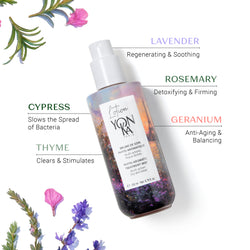
At Yon-Ka, our philosophy is rooted in the belief that skincare is a ritual of repair and prevention. To address what causes very dry skin on face, we look to the power of nature and the science of phytotherapy. Our formulas are built around the Quintessence, a unique complex of five essential oils—lavender, geranium, rosemary, cypress, and thyme—that works to balance and revitalize the skin.
Step 1: Gentle, Barrier-Respecting Cleansing
The goal of cleansing dry skin is to purify without stripping. By using a milk-based cleanser like Lait Nettoyant, you provide the skin with a soothing experience that maintains its lipid balance from the very start of your ritual.
Step 2: The Essential Hydrating Mist
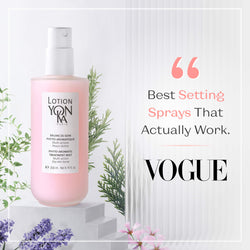
Most people overlook the importance of a toner, but for dry skin, it is a vital step. Lotion Yon-Ka PS is much more than a toner; it is a phyto-aromatic mist that prepares the skin to receive treatment. It helps to drench the skin in moisture and enhances the absorption of subsequent serums and creams.
Step 3: Targeted Treatment with Lipids and Humectants
When the skin is very dry, it needs both water and oil.
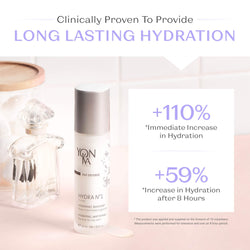
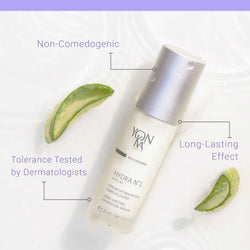
- Hyaluronic Acid: A powerful humectant that can hold up to 1,000 times its weight in water. Look for it in Hydra n°1 Serum to provide deep, long-lasting hydration.
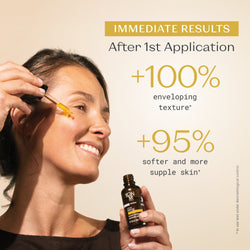
- Essential Fatty Acids: To repair the lipid barrier, you need plant-based oils. Serum Omega is a magnificent oil-in-serum that uses cold-pressed plant oils to replenish the skin’s "mortar," providing immediate comfort and a supple feel.
Step 4: Intensive Moisturizing
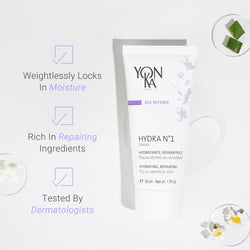
A high-quality moisturizer acts as a protective seal. For those experiencing extreme dryness, Hydra n°1 Crème provides a cocoon of moisture that repairs the barrier while preventing further water loss. For more mature skin experiencing dryness, the Excellence Code Crème offers advanced support for both lipid replenishment and firming.
Key Takeaway: Repairing very dry facial skin requires a two-pronged approach: adding humectants like hyaluronic acid to bind water and applying lipids (oils) to seal that water in and repair the skin's protective barrier.
Safety and Best Practices for Sensitive, Dry Skin
When your skin is extremely dry, it is often more sensitive to new products. Because our formulas contain active botanical ingredients and essential oils, we recommend a mindful approach to your new ritual.
- The Patch Test: Apply a small amount of any new product to your inner forearm and wait 24 hours to ensure your skin welcomes the ingredients.
- One Step at a Time: Introduce new products one by one, allowing a few days between each to observe how your skin responds.
- Tingling vs. Irritation: A slight, brief tingling can be a normal sign of botanical activity. However, if you experience persistent redness, burning, or a rash, discontinue use and consult your skincare professional.
Professional Support for Deep Rehydration
Sometimes, home care needs a professional "boost." Yon-Ka Paris is trusted by thousands of skincare professionals worldwide who specialize in treating the complexities of dry and dehydrated skin. A professional facial at a partner spa can provide deep, layered hydration that is difficult to achieve at home. Estheticians can use specialized techniques and high-concentration professional products to "reset" your skin barrier. You can find a local expert by using our Spa Locator or explore our Hydralessence Treatment for a spa-style hydration experience.
Creating Your Daily Ritual
Consistency is the secret to overcoming dry skin. A "hack" or a one-time mask might provide temporary relief, but long-term comfort comes from a daily commitment to your skin’s health.
| Morning Routine | Night Routine |
|---|---|
| Cleanse: Lait Nettoyant (warm, not hot water) | Double Cleanse: If wearing makeup or SPF |
| Mist: Lotion Yon-Ka PS | Mist: Lotion Yon-Ka PS |
| Treat: Serum Omega or Hydra n°1 Serum | Treat: Serum Omega |
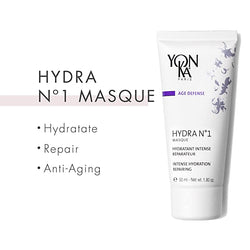
| Moisturize: Hydra n°1 Crème | Intensive Mask: Hydra n°1 Masque (apply thin layer) |
| Protect: Broad-spectrum SPF 30+ | Rest: Let the skin repair overnight |
Bottom line: Very dry skin is a sign that your skin's barrier is struggling. By switching to gentle, oil-rich cleansers and layering hydration with serums and mists, you can effectively repair the barrier and restore a healthy glow.
Conclusion
Understanding what causes very dry skin on face empowers you to make better choices for your complexion. Whether your dryness is a result of the harsh winter air, the natural aging process, or a lifestyle habit you can easily adjust, the path to comfort is found in a balanced, ritual-based approach. By prioritizing the health of your skin barrier and utilizing the power of phyto-aromatic ingredients, you can transform a tight, flaky complexion into one that is radiant and resilient.
If you are unsure which products are right for your specific needs, we invite you to take our skin diagnosis tools and explore the right routine for your skin. Every skin story is unique, and we are here to help you find the botanical solutions that speak to yours. Since 1954, Yon-Ka Paris has remained dedicated to the art of the skincare ritual—a practice where science meets the senses to provide lasting, high-trust results.
"Skincare is not a chore; it is a moment of connection with oneself, a daily ritual that honors the skin's natural intelligence and resilience."
FAQ
Why is my face still dry even though I moisturize daily?
If you are moisturizing but still feel dry, you may be using a product that only adds water without the lipids (oils) needed to seal it in. Alternatively, you may have a buildup of dead skin cells preventing your moisturizer from absorbing. Try incorporating a gentle, grain-free exfoliator like Gommage Yon-Ka once or twice a week to clear the path for your hydrating products.
Can drinking more water fix dry skin on my face?
While staying hydrated is excellent for your overall health, drinking water is rarely a complete fix for dry skin. Dry skin is typically an external barrier issue involving a lack of oil. You must address the barrier topically with lipids and humectants to prevent the moisture you drink from simply evaporating through your skin.
Is it okay to use face oils if my skin is very dry?
Yes, high-quality plant oils are excellent for dry skin. They help mimic the skin's natural sebum and repair the lipid barrier. Look for "oil-in-serum" formulas like Serum Omega, which provide the benefits of essential fatty acids without a heavy or greasy feel.
Should I avoid all alcohol in skincare if my face is dry?
Not all alcohols are created equal. You should avoid "simple" alcohols like SD alcohol or denatured alcohol, as they evaporate quickly and strip moisture. However, "fatty alcohols" like cetyl or stearyl alcohol are actually emollient and can help moisturize and stabilize a cream's texture, making them safe for dry skin.
Piel seca y deshidratada