Table of Contents
- Introduction
- The Science of the Skin Barrier
- Common Causes of Redness and Itching
- The Phyto-Aromatic Approach to Soothing
- Building Your Restorative Ritual
- Key Ingredients to Look For
- Essential Oil Safety and Best Practices
- Lifestyle Adjustments for Lasting Comfort
- Myth vs. Fact: Facial Dryness and Redness
- When to See a Professional
- Conclusion
- FAQ
Introduction
Waking up to a complexion that feels tight, looks visibly flushed, and tingles with the urge to scratch can be a frustrating way to start the day. When facial skin becomes red, itchy, and dry, it is often a sign that your natural moisture barrier is under stress, struggling to defend against environmental triggers or internal shifts. At Yon-Ka Paris, we believe that restoring comfort to your skin is a sensorial journey that combines pharmaceutical-grade botanical precision with a deeply relaxing ritual. This guide will explore the underlying causes of facial dryness and irritation, the role of a compromised skin barrier, and how a layered, phyto-aromatic approach can help soothe the appearance of redness. By understanding the "why" behind your skin's distress, you can build a consistent routine that nurtures your complexion back to a state of visible balance and soft, hydrated radiance.
Quick Answer: Treating red, itchy, dry facial skin requires a multi-layered approach focused on barrier repair. This includes switching to a soap-free, milky cleanser, using alcohol-free botanical mists to rehydrate, and applying lipid-rich moisturizers containing humectants like hyaluronic acid and soothing plant oils to seal in moisture and reduce the appearance of irritation.
The Science of the Skin Barrier
To understand how to treat red, itchy, dry skin on the face, we must first look at the skin’s outermost layer, known as the stratum corneum or the moisture barrier. Think of this barrier as a "brick and mortar" structure where your skin cells are the bricks and lipids (fats) are the mortar holding them together. When this barrier is healthy, it prevents essential water from escaping and blocks external irritants from entering.
When the "mortar" becomes depleted due to harsh weather, aggressive cleansing, or aging, tiny cracks form in the barrier. This leads to transepidermal water loss (TEWL), where moisture literally evaporates from your skin. As the skin loses water, it becomes brittle and rough (dryness), loses its protective shield (leading to redness), and sends distress signals to the nerves (itching).
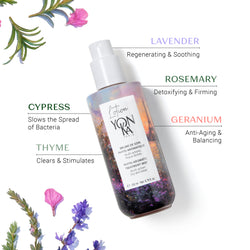
At Yon-Ka, our formulation philosophy focuses on reinforcing this delicate ecosystem. Our signature Quintessence—a proprietary blend of lavender, geranium, rosemary, cypress, and thyme essential oils—is designed to support the skin's natural vitality. When your barrier is compromised, the goal is not just to "grease" the surface, but to provide the skin with the botanical building blocks it needs to appear resilient and calm once more.
Common Causes of Redness and Itching
Identifying the source of your skin's discomfort is the first step toward effective relief. While many factors can contribute to a parched, irritated complexion, they generally fall into three categories: environmental, lifestyle, and biological.
Environmental Triggers
The environment is often the primary culprit behind sudden bouts of dryness. Cold winter air holds very little humidity, which acts like a sponge, pulling moisture out of your face. Indoors, central heating further strips the air of water, creating a relentless cycle of dehydration. Conversely, excessive sun exposure can damage the skin's surface, leading to a "sunburn" effect that manifests as redness and peeling long after you’ve left the beach.
Lifestyle and Habitual Factors
Sometimes, our own routines are the cause of our skin's distress. Long, steaming hot showers might feel therapeutic, but hot water effectively melts away the natural oils that keep your skin supple. Similarly, using harsh foaming cleansers or "deodorant" soaps on the face can disrupt the skin's slightly acidic pH, leaving it vulnerable to bacteria and irritation. Even the laundry detergent you use on your pillowcases can contain synthetic fragrances that trigger contact dermatitis, a condition where the skin reacts to a specific irritant with red, itchy patches.
Biological and Age-Related Changes
As we age, our sebaceous glands become less active, producing fewer of the natural oils required to maintain a strong barrier. This is why many people find their skin becomes increasingly "thirsty" in their 40s and 50s. Additionally, hormonal fluctuations—such as those experienced during pregnancy or menopause—can shift the skin’s ability to retain moisture, leading to unexpected sensitivity and dullness.
The Phyto-Aromatic Approach to Soothing
Treating compromised skin requires a gentle touch and ingredients that the skin recognizes and can easily assimilate. This is where phytotherapy (plant therapy) and aromatherapy (essential oil therapy) offer a distinct advantage over purely synthetic formulas.
Botanical extracts like bisabolol (derived from chamomile) and allantoin are celebrated for their ability to help reduce the look of redness and provide a cooling sensation to itchy areas. Unlike heavy, petroleum-based ointments that can sometimes feel suffocating, phyto-aromatic treatments are designed to breathe with the skin while providing intensive nourishment.
Key Takeaway: Facial redness and itching are usually symptoms of a "leaky" skin barrier. Success lies in stopping water loss (TEWL) while simultaneously replenishing the lipids that keep skin cells knit tightly together.
Building Your Restorative Ritual
We believe that skincare is a ritual, not a chore. When your skin is red and itchy, your routine should be a moment of sanctuary—a time to slow down and treat your face with the utmost care. Here is how to structure a ritual specifically designed for dry, reactive skin.
Step 1: Barrier-Respecting Cleansing
The most common mistake when treating dry skin is using a cleanser that leaves the face feeling "squeaky clean." This sensation actually indicates that your protective lipids have been stripped away. Instead, opt for a creamy, soap-free formula like Lait Nettoyant. This cleansing milk gently lifts away impurities and makeup while respecting the skin's pH.
When cleansing, use only lukewarm water and avoid using washcloths or scrub brushes, which can cause micro-tears in sensitized skin. Simply massage the milk into your skin with your fingertips and rinse or tissue off gently.
Step 2: The Healing Mist
Traditional toners often contain alcohol, which is the last thing red, itchy skin needs. A mist in the face mists collection can be an ideal next step for rehydrating skin before treatment. This step is vital because damp skin is significantly more permeable than dry skin. By misting before applying your serum or moisturizer, you help support the rest of your ritual.
Step 3: Targeted Lipid Replenishment
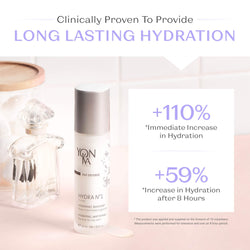
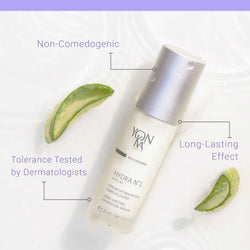
For skin that is both dry (lacking oil) and dehydrated (lacking water), a targeted treatment is essential. If your face feels itchy and looks flaky, it likely needs lipids. A product like Serum Omega provides a concentrated dose of essential fatty acids that mimic the skin's natural oils. If your skin feels tight but looks shiny, it may be dehydrated, in which case the Hydra N°1 Serum with long-lasting hyaluronic acid is a better choice.
Step 4: Intensive Moisturization
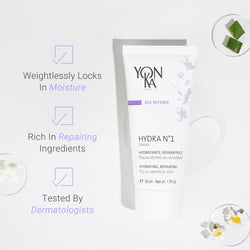
The final step is to seal everything in with a high-quality cream. For persistent redness and dryness, Hydra N°1 Crème offers a cocoon of moisture that helps to visibly smooth the skin and reduce the appearance of fine lines caused by dehydration. For those whose redness is the primary concern, the Sensitive & Redness collection features formulas designed specifically to support the appearance of calm, even-toned skin.
Key Ingredients to Look For
When reading labels, look for ingredients that serve three specific functions: humectants, emollients, and occlusives.
| Ingredient Type | Function | Common Examples |
|---|---|---|
| Humectants | Draw water into the skin's surface | Hyaluronic Acid, Glycerin, Aloe Vera |
| Emollients | Fill in the gaps between skin cells to smooth | Shea Butter, Squalane, Jojoba Oil |
| Occlusives | Create a physical barrier to prevent water loss | Beeswax, Plant Waxes, Specialized Oils |
Hyaluronic acid is a powerhouse humectant that can hold up to 1,000 times its weight in water, making it indispensable for plumping the look of dry skin. Vitamin B5 (panthenol) is another favorite, known for its ability to support the skin's natural repair process and soothe the feeling of itchiness.
Essential Oil Safety and Best Practices
Because our formulas are highly active and contain pure essential oils, we always advocate for a mindful introduction of new products, especially when skin is already feeling sensitive.
- Perform a Patch Test: Apply a small amount of any new product to your inner forearm. Wait 24 hours to ensure no redness or discomfort occurs before applying it to your face.
- Introduce One at a Time: If your skin is reactive, don't change your entire routine overnight. Introduce one new product every few days so you can accurately monitor how your skin responds.
- A Subtle Tingle: A slight, brief tingling sensation can be normal when botanical actives begin to work. However, if you experience persistent heat, stinging, or increased redness, rinse the product off with cool water and consult your skincare professional.
Note: If you experience severe facial swelling, difficulty breathing, or a rash that spreads rapidly across your body, please seek immediate medical attention, as these can be signs of an acute allergic reaction.
Lifestyle Adjustments for Lasting Comfort
While products do the heavy lifting, your environment and daily habits play a supporting role in how your skin behaves.
- Humidity is Your Friend: Use a humidifier in your bedroom at night, especially during the winter months. Aim for a humidity level of around 50–60% to prevent the air from stealing moisture from your face while you sleep.
- Temperature Control: Keep your showers short and lukewarm. When washing your face at the sink, use cool to tepid water to avoid dilating the blood vessels, which can exacerbate the appearance of redness.
- Fabric Choices: Avoid wearing wool or synthetic scarves that rub against your chin and neck. Stick to soft, breathable cotton or silk.
- Internal Hydration: While drinking water doesn't directly "moisturize" the skin in the way a cream does, chronic dehydration can affect your overall skin health. Complement your topical routine with a diet rich in healthy fats, such as avocados, walnuts, and flaxseeds.
Myth vs. Fact: Facial Dryness and Redness
Myth: "I have oily skin, so I don't need to worry about dry, itchy patches." Fact: You can have an oily skin type but still suffer from a dehydrated or damaged barrier. This is often called "oily-dehydrated" skin. If you use harsh acne treatments, you may strip your skin, leading to red, itchy spots despite having active sebaceous glands.
Myth: "The more I exfoliate, the faster the dry flakes will go away." Fact: Over-exfoliating red, itchy skin is like rubbing sandpaper on a wound. It further damages the barrier and increases inflammation. Focus on hydration first; once the skin feels calm, use a gentle, grain-free exfoliator like Gommage Yon-Ka to lift away dead cells without irritation.
When to See a Professional
While most cases of red, itchy, dry skin can be managed with a dedicated phyto-aromatic ritual and lifestyle changes, some conditions require the expertise of a medical professional. If your skin is weeping, crusting, or shows signs of an infection (such as yellow pus or extreme heat), or if the itching is so severe that it prevents you from sleeping, consult a dermatologist. Conditions like chronic eczema, rosacea, or psoriasis may require prescription-strength interventions alongside your cosmetic care.
For those looking to take their skin's recovery to the next level, a professional spa treatment can provide immediate relief. A Yon-Ka trained aesthetician can perform a customized, deeply hydrating facial that uses professional-grade concentrations of our botanical actives to saturate the skin with moisture. You can use our Spa Locator to find a certified partner near you who can help analyze your skin and recommend the perfect path forward.
Conclusion
Treating red, itchy, dry skin on the face is about more than just applying a thick cream; it is about restoring the integrity of your skin's natural defenses through a thoughtful, layered ritual. By choosing gentle, botanical-based products and respecting your skin's delicate pH and lipid balance, you can transform a reactive complexion into one that looks and feels resilient.
At Yon-Ka Paris, our 70-year heritage is rooted in the belief that the power of nature, when harnessed with pharmaceutical rigor, can provide unparalleled comfort and visible results. Every product we create in our French facility is a testament to our commitment to high-trust, phyto-aromatic excellence.
If you are unsure which products are right for your specific needs, we invite you to take our Skin Diagnosis quiz or use the Product Matcher on our website. Remember, beautiful skin is a journey of consistency and self-care. Take the time to savor your ritual, and your skin will reflect that care with a healthy, luminous glow.
Bottom line: Success in treating facial irritation comes from the "Cleanse, Mist, Treat, Moisturize" method using barrier-supporting botanicals like those found in the Hydra n°1 and Sensitive ranges.
FAQ
Why is my face suddenly red, itchy, and dry?
A sudden change is often caused by a "break" in your skin's moisture barrier, likely triggered by environmental shifts like cold weather, new skincare products with harsh ingredients, or excessive hot water usage. These factors allow moisture to escape and irritants to enter, leading to the appearance of redness and a feeling of itchiness.
Can I use essential oils on red, irritated skin?
Yes, but they must be correctly formulated and diluted within a professional skincare product. The essential oils in the Yon-Ka Quintessence (lavender, geranium, rosemary, cypress, and thyme) are specifically chosen for their ability to support the skin's appearance and provide a soothing sensorial experience, making them safe for most people when used as directed.
How long does it take for dry skin to stop itching?
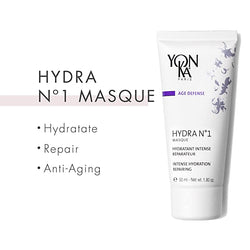
While a deeply hydrating product like Hydra N°1 Masque can provide immediate temporary relief from tightness, it typically takes 2 to 4 weeks of a consistent, barrier-repairing ritual to see a significant reduction in chronic dryness and itching. This timeframe allows your skin’s natural lipid barrier to begin the process of self-replenishment.
Should I stop exfoliating if my face is red and itchy?
Yes, it is best to pause all physical scrubs and strong acid peels until your skin feels calm and the redness has subsided. Once your barrier is restored, you can reintroduce a gentle, non-abrasive exfoliator like Gommage Yon-Ka, which uses carob and lime oil to smooth the skin without the need for harsh scrubbing.
Piel seca y deshidratada