Table of Contents
- Introduction
- Understanding the Causes of Bumpy Facial Texture
- The Yon-Ka Philosophy: A Ritual for Refined Texture
- Step 1: Barrier-Respecting Cleansing
- Step 2: Gentle Exfoliation (The Texture Smoother)
- Step 3: Targeted Treatments and Serums
- Step 4: Moisturize and Protect
- Building Your Smoothing Routine
- Lifestyle Factors That Affect Skin Texture
- When to See a Professional
- Myth vs. Fact: Bumpy Skin Edition
- Summary of the Yon-Ka Approach
- Conclusion
- FAQ
Introduction
Few things are as frustrating as running your fingers across your forehead or cheeks only to feel a texture that resembles sandpaper. We all desire that smooth, radiant glow that reflects health and vitality, but sometimes our skin has other plans. Dry, bumpy skin on the face is a common concern that can stem from various factors, ranging from simple dehydration to more complex conditions like keratosis pilaris or milia. At Yon-Ka Paris, we believe that achieving a refined complexion isn’t about harsh "hacks" or aggressive scrubbing; it is about a consistent, phyto-aromatic ritual that respects the skin’s delicate balance.
This article will explore the underlying causes of localized roughness, how to treat dry bumpy skin on face through botanical expertise, and the essential steps to restore a soft, supple appearance. By understanding the "why" behind the bumps, you can tailor your routine to nourish, exfoliate, and protect your skin for long-term results.
Quick Answer: Treating dry, bumpy skin requires a dual approach of gentle chemical exfoliation to remove dead skin cell buildup and deep hydration to repair the skin barrier. Utilizing products with alpha-hydroxy acids (AHAs) alongside lipid-restoring creams helps smooth the appearance of texture while preventing further dryness.
Understanding the Causes of Bumpy Facial Texture
Before we can effectively address the bumps, we must identify what they are. Not all bumps are created equal, and the skin on your face is significantly thinner and more sensitive than the skin on your body. Treating a bump on your cheek the same way you would a bump on your arm can often lead to irritation or increased redness.
Keratosis Pilaris (KP)
Often referred to as "chicken skin," keratosis pilaris is caused by a buildup of keratin—a protective protein in the skin. When this protein accumulates, it can plug the hair follicles, resulting in tiny, flesh-colored or slightly red bumps. While KP is most common on the upper arms and thighs, it can certainly appear on the face, particularly on the cheeks of children and adults with very dry skin. It is harmless but can feel gritty and look uneven under makeup.
Milia
If you notice tiny, pearly-white bumps that feel firm to the touch, you may be dealing with milia. These are small cysts that form when dead skin cells or sebum become trapped in a small pocket near the skin's surface. Unlike acne, milia do not have an "opening" or pore that can be easily cleared. They are often triggered by using skincare products that are too heavy for your skin type, or by sun damage that has thickened the outer layer of the skin.
Dehydration and Dryness
Sometimes the bumps aren't a specific condition at all, but rather a cry for help from a compromised skin barrier. When skin lacks sufficient water (dehydration) or oil (dryness), the natural shedding process—known as desquamation—slows down. Dead skin cells then "clump" together on the surface instead of falling away, creating a rough, flaky, and uneven appearance. This is often exacerbated by seasonal changes, such as the transition into cold, dry winter air.
Clogged Pores and Congestion
Even if you don't have active cystic acne, a buildup of oil and debris in the pores can create "closed comedones." These are small, skin-colored bumps that haven't yet become inflamed. They contribute significantly to an uneven skin texture and often indicate that the skin needs better purification and regular, gentle exfoliation.
The Yon-Ka Philosophy: A Ritual for Refined Texture
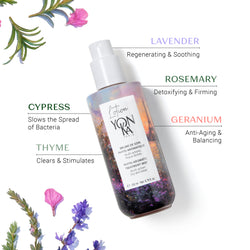
At the heart of our approach is the belief that skin thrives when it is treated with pharmaceutical-grade botanical ingredients. Our signature Quintessence—a blend of lavender, geranium, rosemary, cypress, and thyme essential oils—provides a multitasking foundation for many of our formulas. These oils work in harmony to soothe, purify, and revitalize the appearance of the skin, making them ideal for addressing texture issues.
Consistency is the foundation of any successful skincare journey. We advocate for a layered ritual rather than chasing "miracle" products. When dealing with dry, bumpy skin, the goal is to gently encourage cell turnover while flooding the skin with moisture.
For more about the philosophy behind these formulas, explore our ingredient story.
Key Takeaway: Treating texture is a marathon, not a sprint. Avoiding aggressive physical scrubs in favor of gentle, plant-based exfoliants and deep hydration is the most effective way to achieve a lasting, smooth complexion.
Step 1: Barrier-Respecting Cleansing
The way you wash your face sets the stage for everything that follows. If your cleanser leaves your skin feeling "squeaky clean" or tight, it is likely stripping away the essential lipids that keep your skin smooth. For dry, bumpy skin, we recommend a creamy, non-foaming option like Lait Nettoyant.
This cleansing milk is designed to remove makeup and impurities while maintaining the skin's natural pH and moisture levels. By preserving the acid mantle (the skin's protective film), you prevent the "rebound" dryness that can make bumps look more prominent.
The Power of the Mist
After cleansing, the next essential step is to prep the skin with Lotion Yon-Ka PS. This is not a traditional drying toner; it is a phyto-aromatic healing mist. By saturating the skin with this alcohol-free blend, you provide immediate hydration and enhance the absorption of the treatments that follow.
Step 2: Gentle Exfoliation (The Texture Smoother)
Exfoliation is the most critical step in treating bumps, but it must be done with precision. There are two primary ways to exfoliate: mechanical (physical) and chemical.
Grain-Free Physical Exfoliation
For those with sensitive or very dry skin, traditional scrubs with jagged pits or seeds can cause micro-tears, leading to more inflammation. Instead, we recommend Gommage Yon-Ka. This unique, grain-free "peeling" gel uses carob and lime extracts to gently lift away dead skin cells. You apply it in a thin layer, let it set slightly, and then "roll" it off with your fingertips. This mechanical action is exceptionally gentle yet effective at smoothing the skin's surface without irritation.
Chemical Exfoliation with AHAs
Alpha-hydroxy acids (AHAs), such as glycolic acid or lactic acid, are professional-grade ingredients that dissolve the "glue" holding dead skin cells together. Glyconight 10% Masque is a powerful nighttime treatment that leverages a high concentration of glycolic acid to refine skin texture while you sleep.
Using a chemical exfoliant helps address deeper-seated texture issues like milia and keratosis pilaris by encouraging the skin to renew itself more efficiently. However, it is vital to introduce these actives gradually.
If you want a wider range of resurfacing options, browse our face masks.
Note: When introducing essential oils or high-percentage acids, we always recommend a patch test on your inner forearm for 24 hours. Start by using active masks or serums once or twice a week, gradually increasing frequency as your skin builds tolerance. A slight tingling can be normal, but persistent redness is a sign to scale back.
Step 3: Targeted Treatments and Serums
Once the surface is prepared, you can apply targeted serums that address the root cause of your bumps.
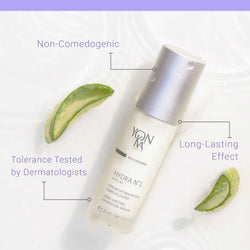
- For Dehydration-Related Bumps: If your skin feels tight and looks dull, reach for the Hydra n°1 Serum. A serum like Hydra n°1 Serum uses two weights of hyaluronic acid to pull moisture into different layers of the skin, plumping out the appearance of fine lines and smoothing over rough patches.
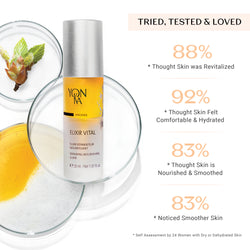
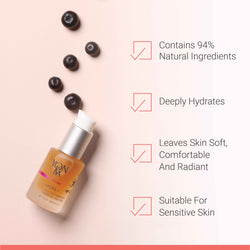
- For Lipid Loss and Dryness: True dry skin lacks oil. Serum Omega is an oil-in-serum that delivers essential fatty acids (Omegas 3, 6, and 9) to repair the skin barrier. When the barrier is healthy, the skin can shed cells naturally, preventing the buildup that causes bumps.
- For Texture and Radiance: Serum Vitamine C 20% contains a stable 20% concentration of Vitamin C. This antioxidant powerhouse not only brightens the complexion but also supports collagen production, which helps improve the overall structural integrity and smoothness of the skin.
For broader skin-repair options, you can also explore our dry and dehydrated skin collection.
Step 4: Moisturize and Protect
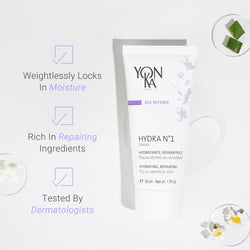
The final layer of your ritual locks in all the previous steps. For daily use, Hydra N°1 Creme provides a protective "blanket" of moisture that lasts throughout the day. If you are concerned about aging and texture simultaneously, Time Resist Jour utilizes plant stem cells and hyaluronic acid microspheres to smooth the appearance of the skin.
Don't Forget Sun Protection
Sun damage is a major contributor to thickened, "leathery" skin texture and the formation of milia. UV rays break down collagen and elastin, making the skin less resilient and more prone to congestion. Always finish your morning routine with a broad-spectrum sunscreen. Protecting your skin from the sun is the single best way to maintain the smoothing results you achieve with your Yon-Ka ritual.
If sun protection is part of your goal, visit our sun care collection.
Building Your Smoothing Routine
To help you visualize how these products work together, here is a suggested weekly program for addressing dry, bumpy skin.
| Step | Morning Ritual | Evening Ritual |
|---|---|---|
| Cleanse | Lait Nettoyant | Lait Nettoyant |
| Tone | Lotion Yon-Ka PS | Lotion Yon-Ka PS |
| Treat | Hydra n°1 Serum | Serum Omega (or Glyconight 10% twice weekly) |
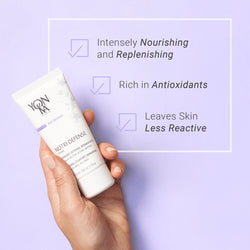
| Moisturize | Vital Defense (Antioxidant) | Hydra n°1 Crème |
| Protect | Broad-spectrum SPF 30+ | N/A |
Lifestyle Factors That Affect Skin Texture
While topicals are essential, your internal environment also plays a role in how your skin looks and feels.
- Hydration from Within: While drinking water doesn't directly "moisturize" the skin in the way we think, chronic dehydration can lead to a sallow, less plump appearance, making texture issues more visible.
- Humidity Levels: If you live in a dry climate or use central heating, the air will literally pull moisture out of your skin. Using a humidifier in your bedroom at night can make a significant difference in preventing morning dryness and flakiness.
- Dietary Fats: Incorporating healthy fats like avocados, walnuts, and flaxseeds provides the building blocks your skin needs to maintain its lipid barrier.
- Avoid Hot Water: We know a steaming hot shower feels wonderful, but it is one of the fastest ways to strip your skin of its natural oils. Stick to lukewarm water when washing your face.
For more education on how Yon-Ka builds its formulas, read our formula philosophy.
When to See a Professional
Most cases of dry, bumpy skin can be managed with a consistent home ritual. However, there are times when professional intervention is necessary. If your bumps are painful, spreading rapidly, oozing, or associated with intense itching that keeps you up at night, it is time to consult a physician or a dermatologist.
Conditions like eczema (atopic dermatitis) or rosacea often require prescription-strength treatments that work in tandem with your cosmetic products. Additionally, for stubborn milia, never attempt to "pop" or extract them at home, as this can lead to permanent scarring or infection. A professional esthetician or dermatologist can perform sterile extractions or provide a professional-grade chemical peel for deeper results.
If you are interested in in-person guidance, you can also learn more about professional Yon-Ka treatments.
Myth vs. Fact: Bumpy Skin Edition
Myth: I need to scrub my face with a grainy exfoliator every day to get rid of the bumps. Fact: Over-exfoliating with physical scrubs can damage the skin barrier, leading to more inflammation and even more bumps. Gentle, consistent chemical exfoliation is much more effective.
Myth: Putting oil on bumpy skin will cause more breakouts. Fact: Many bumps are caused by dryness. Using a non-comedogenic oil like Serum Omega can actually help the skin shed dead cells properly, reducing the appearance of bumps.
Myth: Milia are just whiteheads that haven't come to the surface. Fact: Milia are tiny cysts trapped under a layer of skin and have no pore opening. They are not acne and should not be treated with traditional acne spot treatments.
Summary of the Yon-Ka Approach
Addressing dry, bumpy skin on the face requires a shift from "correcting" to "nurturing." By choosing products that leverage the power of phytotherapy and aromatherapy, you aren't just smoothing your skin; you are participating in a sensorial ritual that promotes overall wellbeing.
- Cleanse gently to protect the barrier.
- Mist faithfully to hydrate and prep.
- Exfoliate intelligently using grain-free or AHA-based formulas.
- Moisturize deeply with hyaluronic acid and essential lipids.
For a more complete anti-aging approach, browse our firming and lifting collection.
Bottom line: Smooth skin is the result of a healthy barrier and efficient cell turnover, both of which are best achieved through a consistent, botanical-based skincare routine.
Conclusion
Treating dry, bumpy skin on the face doesn't have to be a source of stress. By understanding the common causes—like keratosis pilaris, milia, and simple dehydration—you can take control of your skin's texture with confidence. Remember that your skin is a living organ that responds best to patience, consistency, and high-quality ingredients.
- Prioritize gentle exfoliation with products like Gommage Yon-Ka.
- Restore the skin barrier with lipid-rich serums and moisturizers.
- Protect your results with daily sun care.
- Listen to your skin and adjust your ritual based on its needs.
"Skincare is not just a routine; it is a ritual worth savoring. By harnessing 70 years of phyto-aromatic expertise, we empower you to achieve a complexion that feels as good as it looks." — Yon-Ka Paris
If you are unsure which products are right for your specific texture concerns, we invite you to take a closer look at our product ranges and choose the ritual that fits your skin best. Your journey to a smoother, more radiant complexion starts with a single, mindful step.
FAQ
How can I tell if my bumps are milia or just dry skin?
Milia are small, firm, white cysts that do not move when touched and cannot be squeezed out. Dry skin texture usually feels like rough, flaky patches that may look red or dull. If the bumps are persistent and pearly, they are likely milia; if they fluctuate with your hydration levels, it is likely simple dryness or congestion.
Is it safe to use glycolic acid on dry skin?
Yes, but it must be formulated correctly. Glycolic acid is excellent for dry skin because it helps remove the dead cell buildup that prevents moisturizers from absorbing. However, you should look for a formula that also contains soothing ingredients and follow it with a rich moisturizer like Hydra n°1 Crème.
How long does it take to see results when treating bumpy skin?
Because you are working with the skin's natural 28-day renewal cycle, you should expect to see a visible improvement in texture within 4 to 6 weeks of consistent use. Some products, like Gommage Yon-Ka, can provide an immediate smoothing sensation, but long-term resolution of bumps takes time.
Can I use the same products for the bumps on my arms and my face?
While the ingredients (like AHAs) may be similar, the skin on your face is much thinner and more prone to irritation. It is best to use products specifically formulated for facial use, as they have calibrated concentrations of active ingredients and essential oils to ensure safety and efficacy.
Piel seca y deshidratada