Table of Contents
- Introduction
- Understanding the Difference Between Dry and Dehydrated Skin
- Common Causes of Facial Dryness
- The Yon-Ka Phyto-Aromatic Approach to Repair
- Step 1: Gentle, Barrier-Respecting Cleansing
- Step 2: Preparing the Skin with a Phyto-Aromatic Mist
- Step 3: Targeted Treatment with Hydrating Serums
- Step 4: Replenishing Lipids and Moisturizing
- Step 5: Overnight Repair and Weekly Care
- Essential Ingredients for Repairing the Skin Barrier
- Practical Lifestyle Tips to Support Your Skincare
- When to Seek Professional Guidance
- Summary of the Repair Ritual
- Conclusion
- FAQ
Introduction
The sensation of dry skin is often more than just a cosmetic concern; it is a feeling of constant, uncomfortable tightness that can make even a simple smile feel strained. When your face feels parched, rough, or begins to show fine lines prematurely, your skin is signaling that its protective barrier is compromised. At Yon-Ka Paris, we believe that restoring comfort to the complexion is not about quick fixes or "hacks," but about a dedicated, phyto-aromatic ritual that respects the skin’s natural physiology. This guide will explore the primary causes of facial dryness, the essential botanical ingredients that support recovery, and a step-by-step approach to rebuilding your moisture barrier. By understanding the science of hydration and the power of plant-based lipids, you can transform a dull, flaky complexion into one that looks and feels supple, resilient, and deeply revitalized.
Understanding the Difference Between Dry and Dehydrated Skin
Before learning how to repair dry skin on face, it is vital to distinguish between "dry" and "dehydrated" skin. While they may feel similar, they require different approaches to repair.
Dry skin is a skin type characterized by a lack of oil (lipids). If you have dry skin, your sebaceous glands do not produce enough sebum to keep the skin lubricated. This often results in a matte appearance, small pores, and a tendency toward flaking or sensitivity.
Dehydrated skin is a temporary condition characterized by a lack of water. Even oily skin types can become dehydrated. When skin lacks water, it may look dull, feel tight after cleansing, and show "crinkle" lines when gently pinched.
Most people seeking to repair their facial skin are dealing with a combination of both: a weakened lipid barrier that allows essential water to evaporate. To effectively repair the appearance of the skin, we must address both the oil and water levels while soothing the irritation that often accompanies dryness. If you are unsure which needs to be prioritized, take our Skin Diagnosis quiz.
Common Causes of Facial Dryness
Understanding the "why" behind your dry skin helps you tailor your ritual. Several internal and external factors contribute to a parched complexion.
Environmental Stressors
The environment is often the primary culprit. Low humidity, especially during winter months, pulls moisture directly out of the epidermis. Similarly, high-altitude climates and constant exposure to air conditioning or central heating can strip the skin of its natural moisture. UV radiation from the sun also damages the skin barrier over time, leading to a chronic cycle of dryness and visible aging.
Aging and Hormonal Changes
As we age, our skin’s natural production of sebum and hyaluronic acid—a sugar molecule that holds 1,000 times its weight in water—begins to decline. This process often accelerates in our 40s and 50s. Hormonal shifts, particularly the drop in estrogen during menopause, can significantly impact the skin's ability to retain moisture and maintain its structural integrity.
Lifestyle and Ritual Habits
Sometimes, our attempts to care for our skin actually cause more harm. Using hot water for cleansing, over-exfoliating with harsh scrubs, or using foaming cleansers with high pH levels (like traditional bar soaps) can dissolve the "acid mantle." This is the thin, protective film on the skin's surface made of lipids and sweat that keeps bacteria out and moisture in.
The Yon-Ka Phyto-Aromatic Approach to Repair
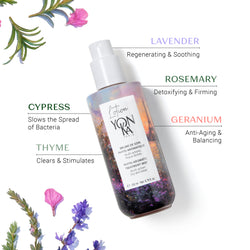
At the heart of our philosophy is the belief that the skin is a living organ that responds best to ingredients it recognizes. Our signature Quintessence—a proprietary blend of lavender, geranium, rosemary, cypress, and thyme essential oils—serves as the foundation for our formulas. To learn more about the philosophy behind our formulations, explore our formulas and our ingredients.
When addressing dry skin, we combine this aromatic complex with potent plant-based actives like shea butter, grape seed oil, and various molecular weights of hyaluronic acid. This fusion not only helps to repair the appearance of the skin's surface but also provides a sensorial experience that reduces the stress often associated with skin discomfort. You can also discover the full routine structure in our hydration-focused blog content.
Step 1: Gentle, Barrier-Respecting Cleansing
The first step in learning how to repair dry skin on face is to stop the damage during the cleansing process. Many traditional cleansers use sulfates or harsh surfactants that strip away the very lipids your skin needs to stay hydrated.
Instead, look for a milky, non-foaming cleanser like Lait Nettoyant. This gentle cleansing milk is designed to remove makeup and impurities while maintaining the skin's natural pH and lipid balance.
Pro-Tip: Always use lukewarm water. Hot water acts as a solvent, melting away the protective oils your skin is already struggling to produce. After cleansing, pat your skin dry with a soft towel rather than rubbing, which can further irritate dry patches. For more cleansing options, browse our cleansers and makeup removers.
Step 2: Preparing the Skin with a Phyto-Aromatic Mist
In a French-inspired skincare ritual, the "toning" step is never about stripping the skin with alcohol. Instead, it is about drenching the skin in active botanicals and preparing it to absorb the serums and moisturizers that follow.
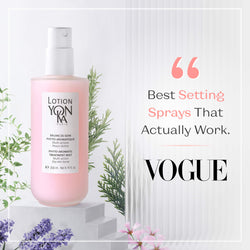
Lotion Yon-Ka PS (specifically formulated for dry skin) is an alcohol-free mist infused with the Quintessence. When you mist this onto the skin, it provides immediate hydration and revitalizes the complexion. Applying your next products while the skin is still slightly damp from the mist helps to "trap" that moisture into the deeper layers of the stratum corneum. For a closer look at toning options, explore our toners and mists.
Step 3: Targeted Treatment with Hydrating Serums
Once the skin is prepared, it is time to introduce concentrated ingredients that can penetrate more effectively than a cream alone.
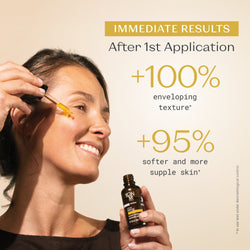
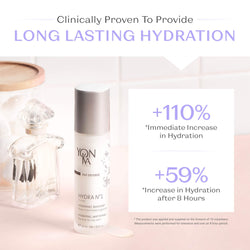
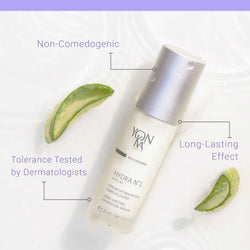
For those experiencing intense tightness, Hydra N°1 Serum is a critical ally. It utilizes two types of hyaluronic acid to provide a "long-lasting" hydration effect. By replenishing the skin’s water reservoir, it helps to smooth the appearance of fine lines caused by dehydration. If you are building a more complete hydration routine, you can also browse our serums and elixirs.
Key Takeaway: Repairing dry skin is a two-fold process: humectants (like hyaluronic acid) pull water into the skin, while occlusives and emollients (like plant oils and butters) seal it in.
Step 4: Replenishing Lipids and Moisturizing
If your skin is dry, it lacks the "glue" that holds skin cells together. Without these lipids, moisture escapes easily—a process known as Transepidermal Water Loss (TEWL).
Intense Hydration for Dry Skin
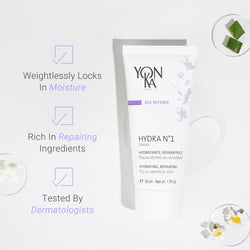
For daily moisture, Hydra N°1 Crème is designed specifically for very dry or sensitive skin. It contains a high concentration of repairing ingredients like shea butter, hazelnut oil, and grape seed oil, alongside vitamins F, E, and B5. This combination helps to reinforce the skin's barrier, making it more resilient against environmental aggressors. To explore more textures and formulas, visit our moisturizers.
The Role of Lipid Boosters
Sometimes, a standard moisturizer isn't enough during the height of winter or after a long flight. This is where boosters come in. Nutri + Booster is an oil-based concentrate that can be mixed directly into your cream. Rich in soybean and corn oils, it provides the essential fatty acids required to nourish the skin deeply and eliminate the look of flakiness. For more supportive add-ons, browse our boosters and our best sellers.
Step 5: Overnight Repair and Weekly Care
Your skin does its most intensive repair work while you sleep. Utilizing this time is essential for addressing chronic dryness.
The Power of Night Creams
A dedicated night treatment like Élastine Nuit can help to smooth the skin's surface and support the appearance of elasticity. For more mature skin, Time Resist Nuit uses sacha inchi oil and plant stem cells to comfort the skin and address the visible signs of aging that often accompany dryness. If your concern extends beyond dryness into firmness, explore our anti-aging collection.
Deep Conditioning Masks
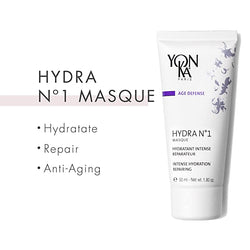
A weekly mask is like a "drink of water" for your face. Hydra N°1 Masque is a gel-cream that can be applied in a thick layer for 10–15 minutes, or even left on overnight for an intensive repair treatment. It is an excellent way to reset the skin after a period of extreme dryness or irritation. For more restorative options, see our face masks.
Essential Ingredients for Repairing the Skin Barrier
When reading product labels to find the best solutions for dry skin, look for these key botanical and scientific actives:
- Hyaluronic Acid: A powerful humectant that attracts moisture to the skin surface.
- Shea Butter: An emollient rich in vitamins that provides a protective shield and softens the skin.
- Vegetal Glycerin: A classic, high-trust ingredient that helps maintain the skin’s hydration levels.
- Omega Fatty Acids: Found in oils like sacha inchi and grape seed, these are essential for repairing the "mortar" between your skin cells.
- Vitamin F: Also known as linoleic acid, it is crucial for maintaining a healthy skin barrier.
To learn more about the thinking behind these ingredients, visit our ingredients page and our brand story.
Practical Lifestyle Tips to Support Your Skincare
While top-tier products are the foundation, certain lifestyle habits can make the process of repairing dry skin much faster and more effective.
- Use a Humidifier: Especially in bedroom areas, a humidifier adds moisture back into the air, preventing your skin from drying out overnight.
- Hydrate from Within: While drinking water doesn't directly "moisturize" the skin in the way a cream does, chronic dehydration can affect your skin's overall health and appearance.
- Dietary Fats: Incorporating healthy fats like avocados, walnuts, and wild-caught salmon can provide the internal building blocks your skin needs for its lipid barrier.
- Protect from Wind: On cold days, use a scarf to physically protect your facial skin from the drying effects of the wind.
When to Seek Professional Guidance
While most cases of facial dryness can be addressed with a consistent, high-quality ritual, some symptoms may require more intensive care. If your skin is persistently red, cracked, bleeding, or if you suspect a medical condition like eczema, psoriasis, or rosacea, we recommend consulting a dermatologist.
For those looking to take their results to the next level, a professional facial can provide a deep infusion of moisture that is difficult to achieve at home. You can find a certified professional near you using our Spa Locator to experience a treatment like the "Le Grand Classique," which focuses on deep cleansing and intense oxygenation. If you want a more guided professional experience, explore our spa treatments.
Note: When introducing new products with active botanicals and essential oils, we always recommend a brief patch test on your inner forearm for 24 hours. Introduce one new product at a time to ensure your skin barrier responds well to the nourishment.
Summary of the Repair Ritual
Quick Ritual Summary:
- Cleanse: Use a milky cleanser like Lait Nettoyant with lukewarm water.
- Mist: Drench the skin with Lotion Yon-Ka PS.
- Treat: Apply Hydra N°1 Serum while skin is damp.
- Moisturize: Seal it all in with Hydra N°1 Crème, adding Nutri + Booster if extra nourishment is needed.
Conclusion
Repairing dry skin on the face is a journey of consistency and respect for the skin's delicate ecosystem. By moving away from aggressive treatments and embracing a ritual that emphasizes hydration, lipid replenishment, and botanical harmony, you can restore the radiant, healthy-looking complexion you deserve. Since 1954, Yon-Ka Paris has been a pioneer in phyto-aromatic care, blending the precision of science with the soul of aromatherapy. We believe that every moment spent caring for your skin should be an act of wellness. To find the perfect products for your unique needs, we invite you to take our Skin Diagnosis quiz or use our Product Matcher.
"True beauty is found in the balance of nature and the ritual of self-care. When we nourish the skin with the finest plants the earth provides, it reflects a vitality that no synthetic can replicate."
FAQ
How long does it take to repair dry skin on the face?
While you may feel immediate relief after one application of a high-quality moisturizer, true barrier repair typically takes 28 to 45 days. This aligns with the natural turnover cycle of your skin cells. Consistency in your morning and evening ritual is key to seeing a lasting transformation in the skin's appearance and texture.
Should I exfoliate my face if it is dry and flaky?
You should be very cautious with exfoliation when your skin is dry. Traditional scrubs can cause micro-tears in a compromised barrier; instead, choose a gentle, grain-free option like Gommage Yon-Ka. This botanical peel removes dead skin cells without friction, allowing your hydrating products to penetrate more effectively without causing irritation. If you want to compare exfoliating options, you can also browse our exfoliators.
Can I use face oils if I have dry skin?
Yes, face oils and lipid-rich boosters are excellent for dry skin as they provide the essential fatty acids that dry skin lacks. Products like Serum Omega or Nutri + Booster are specifically designed to reinforce the skin's lipid barrier and prevent moisture from evaporating throughout the day and night. For more options, explore our face care collection.
Why does my face still feel dry even after I moisturize?
If your face still feels tight after moisturizing, you may be applying a cream without first addressing dehydration. If the skin lacks water, an oil-based cream will sit on the surface without providing comfort. Try layering a hydrating mist like Lotion Yon-Ka PS and a water-binding serum like Hydra N°1 Serum under your moisturizer to address both water and oil needs.
Piel seca y deshidratada