Table of Contents
- Introduction
- Understanding the Causes of Facial Dry Patches
- The Myth of Scrubbing: Why Gentleness Wins
- Step 1: Barrier-Respecting Cleansing
- Step 2: The Power of Phyto-Aromatic Hydration
- Step 3: Grain-Free Exfoliation with Gommage Yon-Ka
- Step 4: Intensive Treatment with Serums and Boosters
- Step 5: Sealing with Deep Moisture
- The Professional Edge: Why Spa Treatments Matter
- Lifestyle Habits to Prevent Future Dry Patches
- Building Your Personalized Routine
- Conclusion
- FAQ
Introduction
There is a specific kind of frustration that comes with catching your reflection and noticing a rough, flaky area that simply won't smooth out, no matter how much moisturizer you apply. Whether it is the result of a harsh winter, a change in your environment, or a natural shift in your skin’s needs, dry patches can make your complexion feel uncomfortable and look uneven. At Yon-Ka Paris, we believe that restoring your skin’s radiance is not about aggressive scrubbing, but about a gentle, phyto-aromatic ritual that respects the skin’s delicate barrier. By understanding the root causes of these stubborn spots and implementing a layered approach to hydration, you can return your skin to its softest, most supple state. This article explores professional techniques and botanical solutions to help you effectively address and soothe dry areas for a luminous glow.
Understanding the Causes of Facial Dry Patches
Before we can address how to remove dry skin patches from face, we must understand why they appear. Our skin is protected by a hydrolipidic film—a thin layer of oil (sebum) and water that acts as a shield against environmental stressors. When this barrier is compromised, moisture escapes (a process called trans-epidermal water loss), and the skin becomes vulnerable to irritation, resulting in localized dry, rough patches.
Several factors can lead to this disruption:
- Environmental Shifts: Cold, dry air in winter or constant air conditioning in summer can "pull" moisture from the skin.
- Hot Water: While a steaming shower feels relaxing, hot water strips away essential lipids that keep the skin cells "glued" together smoothly.
- Aggressive Cleansing: Using soaps or cleansers with harsh surfactants like SLS (Sodium Lauryl Sulfate) can disrupt the skin's natural pH and strip away its protective oils.
- Aging: As we mature, our skin’s natural oil production slows down, and the rate of cell turnover—the process of shedding old cells and replacing them with new ones—begins to lag, leading to a buildup of dry, flaky skin.
- Lifestyle Factors: Dehydration from not drinking enough water, smoking, or a diet low in healthy fats can manifest as dullness and texture on the face.
Note: While occasional dry patches are common, persistent, itchy, or painful red spots may indicate conditions like eczema, psoriasis, or contact dermatitis. If you suspect your dry skin is a medical concern, we recommend consulting a physician or dermatologist for a professional diagnosis.
The Myth of Scrubbing: Why Gentleness Wins
When you see a flaky patch, the immediate instinct is often to reach for a gritty facial scrub to "sand" it away. However, this can be counterproductive. Dry patches are often a sign of a weakened barrier. Using physical "scrubs" with large, irregular grains can create micro-tears in the skin, leading to more inflammation and even further dryness.
The secret to removing dry patches is a combination of gentle, non-mechanical exfoliation and deep, lipid-replenishing hydration. Instead of forcing the skin to shed, we want to support its natural ability to renew itself while flooding the area with moisture.
Myth: You need to scrub dry patches vigorously to get rid of them. Fact: Mechanical scrubbing can irritate the skin further. A gentle, grain-free approach helps remove dead cells without compromising the skin's moisture barrier.
Step 1: Barrier-Respecting Cleansing
The ritual of removing dry patches starts with your cleanser. If your skin feels "tight" after washing, your cleanser is likely too harsh. For dry, patchy skin, we recommend a milk-based cleanser like Lait Nettoyant.
This gentle cleansing milk does more than just remove makeup and impurities; it respects the skin’s pH and leaves the barrier intact. Formulated with plant-derived ingredients, it provides an immediate sensation of comfort, which is essential when the skin is already feeling sensitized or rough.
When cleansing, use lukewarm water—never hot. Apply the milk with your fingertips in circular motions, then rinse or remove with a soft, damp cloth. This ensures you aren't adding unnecessary friction to those dry areas.
Step 2: The Power of Phyto-Aromatic Hydration
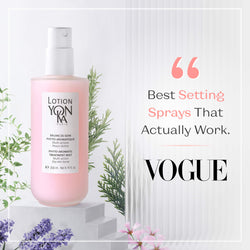
After cleansing, the next step is to prepare the skin to receive treatment. This is where a botanical mist becomes a "liquid bridge" for your subsequent products. Lotion Yon-Ka PS is much more than a toner; it is a phyto-aromatic powerhouse.
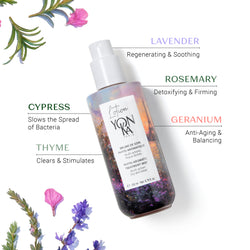
This mist features our signature Quintessence—an exclusive complex of five essential oils:
- Lavender: Known for its soothing and calming properties.
- Geranium: Helps to balance and revitalize the skin’s appearance.
- Rosemary: Provides a purifying and toning effect.
- Cypress: Helps to refine the look of skin texture.
- Thyme: Offers potent purifying benefits.
By misting the skin while it is still slightly damp from cleansing, you help the skin absorb the active ingredients of your serums and moisturizers more effectively. The aromatherapeutic scent also provides a moment of wellness, turning a routine step into a sensory ritual.
Step 3: Grain-Free Exfoliation with Gommage Yon-Ka
If you are wondering how to remove dry skin patches from face without irritation, the answer lies in a professional-grade, grain-free exfoliator. Gommage Yon-Ka is a unique "gel-to-peel" treatment that is a favorite in spas worldwide.
Unlike traditional scrubs, this formula uses botanical enzymes and carob to gently lift away dead skin cells. You apply a thin layer to the face and neck, let it sit for a moment, and then gently "roll" it off with your fingertips.
This mechanical action is extremely soft and non-abrasive. As the gel rolls away, it takes the dry, flaky patches with it, leaving the skin underneath looking bright, smooth, and hydrated. Because it contains no harsh grains, it is safe even for sensitive skin and can be used on the delicate eyelid area.
How to Use Gommage Yon-Ka for Patches:
- Apply: Use a thick layer on the specific dry patches or the entire face.
- Wait: Let the botanicals work for 1 to 2 minutes.
- Roll: Using very light pressure, use your fingertips to roll the product away.
- Result: The skin's texture appears immediately refined and the "scales" of the dry patch are lifted without redness.
Step 4: Intensive Treatment with Serums and Boosters
Once the dead skin cells are removed, the "new" skin underneath is ready to drink in moisture. For patches that won't go away, a standard moisturizer might not be enough. You need targeted boosters that deliver concentrated lipids and humectants.
Humectants vs. Emollients To fix dry patches, you need both:
- Humectants (like Hyaluronic Acid): These act like sponges, pulling water into the skin.
- Emollients (like Plant Oils): These act like a seal, smoothing over the surface and locking that water in.
We recommend adding a few drops of Serum Omega to your cream. This oil-in-serum is rich in botanical lipids and is designed to support dry, sensitive skin with a nourishing feel. If your skin feels particularly thin or "crinkly" in the dry areas, it is a strong option to help the skin feel more resilient and smooth.
Step 5: Sealing with Deep Moisture
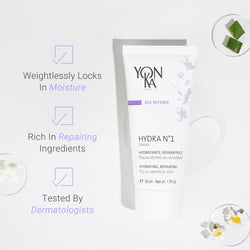
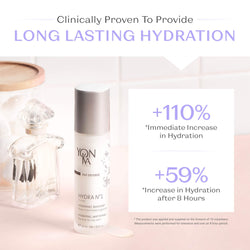
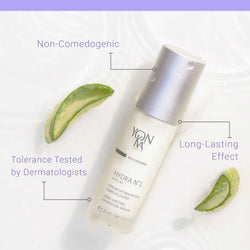
The final step in your home ritual is a high-performance moisturizer. For skin prone to patches, Hydra N°1 Creme is an essential. This cream is specifically designed for dehydrated, dry skin and pairs well with the rest of a barrier-focused routine.
For an even more intensive treatment, you can use the Face Moisturizers collection to compare other hydrating options. By choosing the right texture for your skin, you can help soften rough areas and support long-lasting comfort.
Key Takeaway: Removing dry patches requires a two-step approach: first, gently removing the buildup of dead cells with a grain-free exfoliator like Gommage Yon-Ka, and second, flooding the area with lipid-rich oils and humectants to repair the moisture barrier.
The Professional Edge: Why Spa Treatments Matter
While a home routine is the foundation of healthy skin, professional intervention can accelerate the removal of dry patches. Our heritage is rooted in the professional spa environment, and our treatments are designed to provide "restarting" results for the skin.
In a professional setting, an esthetician can perform a deep hydration treatment that includes professional-grade exfoliation, vaporized essential oils, and specialized massage techniques that improve circulation. This increased blood flow helps deliver nutrients to the skin cells more effectively, supporting a smoother, patch-free complexion. You can find a local professional who uses our methods by visiting our Spa Locator.
Lifestyle Habits to Prevent Future Dry Patches
Consistency is the key to preventing the return of dry, flaky skin. Beyond your skincare ritual, small lifestyle changes can make a significant difference:
- Sleep with a Humidifier: Especially during the winter months, a humidifier adds moisture back into the air, preventing the "vacuum effect" that dries out your face overnight.
- Hydrate from Within: While topical products are vital, drinking adequate water and consuming foods high in Omega-3s (like walnuts, flaxseeds, and salmon) supports the skin’s natural lipid production.
- Sun Protection: Sun damage can dry out the skin and compromise its ability to hold moisture. Always apply a broad-spectrum SPF daily to protect the delicate skin on your face.
- Avoid Fragrant Irritants: Artificial fragrances in laundry detergents or certain skincare products can trigger sensitivity and dryness. Our products utilize the natural aromatic power of essential oils, which provide both efficacy and a clean, botanical scent.
Note on Essential Oil Safety: We recommend performing a patch test on your inner forearm for 24 hours when introducing any new phyto-aromatic product. Introduce one new product at a time to see how your skin responds. A slight tingling sensation can be a normal part of the essential oils' activity, but if you experience persistent redness, discontinue use and consult a professional.
Building Your Personalized Routine
Every skin type is different, and what works for a dry patch on oily skin may differ from what works for naturally dry skin. If you are unsure which products are right for your specific needs, we invite you to explore our Dry & Dehydrated Skin collection or use our Product Spotlight on Lotion Yon-Ka to learn more about this essential step in the ritual.
Bottom line: Dry patches are a signal that your skin's barrier needs help. Treat them with kindness, avoid harsh scrubs, and prioritize deep, botanical hydration.
Conclusion
Successfully removing dry skin patches from the face is a journey of restoring balance through a thoughtful, layered ritual. By moving away from aggressive exfoliation and embracing the power of grain-free peels and lipid-rich botanicals, you respect the skin's natural wisdom. From the gentle touch of Lait Nettoyant to the intense recovery of the Dry & Dehydrated Skin collection, your skin can find its way back to a smooth, radiant state.
At Yon-Ka Paris, our mission for over 70 years has been to fuse the luxury of a French spa experience with the rigor of botanical science. We believe that skincare is more than a task—it is a ritual worth savoring. Whether you are addressing a temporary dry patch or building a lifelong routine, our phyto-aromatic expertise is here to support your skin’s health and your inner well-being. To learn more about the ingredients behind our formulas, visit Our Ingredients.
"True beauty is found in the balance of the skin’s ecosystem, nurtured by the pure essence of nature."
Ready to start your journey to smoother skin? Explore our How to Treat Dry Skin on Face for Lasting Hydration guide to continue building your routine.
FAQ
How long does it take for dry patches on the face to go away?
With a consistent routine of gentle exfoliation and deep hydration, you may notice an improvement in the appearance of dry patches within 3 to 7 days. For more stubborn patches, it may take a full skin cycle of 28 days of consistent care to see a complete transformation in texture.
Should I use a face oil or a moisturizer for dry patches?
For the best results, use both. A moisturizer like Hydra N°1 Creme provides essential water-based hydration, while a face oil or serum like Serum Omega provides the lipids needed to seal that moisture into the skin and smooth the surface.
Can I exfoliate dry patches every day?
No, exfoliating every day can further damage an already weakened skin barrier. We recommend using a gentle, grain-free exfoliator like Gommage Yon-Ka once or twice a week to remove dead skin without causing irritation or redness.
Is it okay to use hot water to wash my face if I have dry skin?
It is best to avoid hot water, as it strips away the natural oils that keep your skin's barrier strong. Always use lukewarm or cool water when cleansing your face to help maintain the skin's moisture levels and prevent further drying of sensitive patches.
Piel seca y deshidratada