Table of Contents
- Introduction
- Understanding the Causes of Facial Dryness
- Effective Home Remedies for Hydration and Soothing
- How to Remove Flaky Skin Safely
- The Importance of the Moisture Barrier
- Integrating Home Remedies into a Professional Ritual
- Lifestyle Adjustments for Dry Skin Prevention
- When to Consult a Professional
- Conclusion
- FAQ
Introduction
Waking up to a complexion that feels tight, looks flaky, or shows visible rough patches can dampen your morning ritual. That uncomfortable "tug" when you smile or the way makeup clings to dry spots are signals that your skin’s moisture barrier is struggling. While professional botanical care is our specialty at Yon-Ka Paris, we understand that the quest for relief often begins in the comfort of your own home. Effectively addressing facial dryness requires a delicate balance of removing dead surface cells and deeply replenishing lost lipids. This guide explores the most effective home remedies, the science of gentle exfoliation, and how to integrate these natural approaches into a sophisticated phyto-aromatic routine. By understanding the biology of hydration, you can transform a parched complexion into one that looks supple, radiant, and resilient.
Understanding the Causes of Facial Dryness
Before reaching for a remedy, it is helpful to recognize why the skin loses its luster. Dry skin, scientifically known as xerosis, occurs when the epidermis—the outermost layer of the skin—lacks the necessary water and oils to maintain its integrity. This can be triggered by environmental factors like low humidity, cold winter air, or excessive indoor heating. However, internal factors such as aging, genetics, and lifestyle habits also play a significant role.
As we age, our skin naturally produces less sebum (the oil that keeps skin lubricated). Furthermore, the natural cell turnover process slows down. Instead of shedding efficiently, dead skin cells can accumulate on the surface, creating a barrier that prevents moisturizers from penetrating deeply. This "buildup" is often what causes the visible flaking people seek to remove.
Quick Answer: To remove dry skin from the face using home remedies, use a combination of gentle exfoliants like colloidal oatmeal or honey to lift dead cells, followed by lipid-rich oils such as sunflower or coconut oil to seal in moisture. Always apply these treatments to damp skin to maximize absorption and prevent further dehydration.
Effective Home Remedies for Hydration and Soothing
The natural world offers a wealth of ingredients that mirror the skin's own lipid structure. Many of these items are likely already in your pantry, providing immediate, sensorial relief for dry, itchy, or tight skin. For a closer look at how Yon-Ka thinks about dry-skin support, explore our ingredients page.
Sunflower Seed Oil
Not all oils are created equal when it comes to the skin barrier. Research indicates that sunflower seed oil is particularly beneficial because it is high in linoleic acid. This fatty acid is a critical component of the skin’s natural barrier. Unlike olive oil, which can sometimes disrupt the barrier due to its high oleic acid content, sunflower oil helps maintain the skin’s integrity and supports hydration without causing irritation.
Colloidal Oatmeal
Colloidal oatmeal is simply oats ground into an extremely fine powder. It has been used for centuries to soothe inflammation. It contains beta-glucans, which act as humectants (substances that attract water), and avenanthramides, which are potent antioxidants that reduce the appearance of redness. You can create a simple paste by mixing colloidal oatmeal with a small amount of warm water and applying it as a five-minute mask to calm reactive, dry patches.
Raw Honey
Honey is a powerful natural humectant and emollient. It draws moisture from the environment into the skin while softening the surface. Raw, medical-grade honey also possesses antimicrobial properties, making it an excellent choice for dry skin that has become slightly cracked or irritated. Applying a thin layer of honey for 10 to 15 minutes can leave the skin looking noticeably more dewy and refreshed.
Aloe Vera
While famously used for sun-drenched skin, aloe vera is a hydration powerhouse for daily dryness. It contains mucopolysaccharides, which help bind moisture to the skin. It also supports the production of collagen and elastin fibers, making the skin feel more "bouncy." For an intensive overnight treatment, apply a generous layer of pure aloe vera gel and allow it to soak in completely before sleep.
How to Remove Flaky Skin Safely
When you see flakes, the instinct is often to scrub them away. However, aggressive physical scrubbing with harsh particles can create "micro-tears" in the skin barrier, leading to more dryness and potential sensitivity. To remove dry skin from the face safely, we recommend a more refined approach. If you want a Yon-Ka take on the cleansing step, start with our dry-skin face wash guide.
Gentle Enzymatic Exfoliation
Enzymes, often derived from fruits like pineapple (bromelain) or papaya (papain), work by gently "digesting" the proteins that hold dead skin cells together. This allows the dry skin to lift away without the need for abrasive friction. This is the philosophy behind Gommage Yon-Ka, our iconic, grain-free exfoliator. It uses plant-based chemistry to clarify the skin while maintaining a soothing effect, making it ideal even for the most sensitive or dry complexions.
Chemical Exfoliation with AHAs
Alpha Hydroxy Acids (AHAs), such as lactic acid or glycolic acid, are water-soluble acids that dissolve the "glue" between dead skin cells. Lactic acid is particularly favored for dry skin because it is also a natural humectant.
- Step 1: Cleanse the skin thoroughly with a creamy cleanser.
- Step 2: Apply a mild AHA solution or a mask containing fruit acids.
- Step 3: Leave on for the recommended time (start with 2–3 minutes for beginners).
- Step 4: Rinse with lukewarm water and immediately apply a mist or moisturizer.
Key Takeaway: Always avoid exfoliants containing crushed nut shells, large salt crystals, or sugar on the delicate skin of the face. These can be too abrasive. Opt instead for enzymes or soft powders that protect the skin's moisture barrier while refining its texture.
The Importance of the Moisture Barrier
The "moisture barrier," or acid mantle, is a thin, protective film on the skin's surface composed of lipids, fatty acids, and sweat. When this barrier is healthy, it keeps moisture in and irritants out. When it is damaged, you experience Transepidermal Water Loss (TEWL), where moisture literally evaporates off your face into the air.
To support this barrier, your home remedies should always be followed by an occlusive or a rich cream. Ingredients like squalane, ceramides, and fatty acids act as the "mortar" between your skin cell "bricks." For a deeper dive into the actives behind this approach, visit our ingredients page and see how Yon-Ka pairs botanicals with targeted hydration.
Integrating Home Remedies into a Professional Ritual
While a DIY avocado mask is a wonderful weekend treat, consistent results come from a structured, daily ritual. At Yon-Ka, we believe in a layered approach that respects the skin’s physiology. If you are comparing options, our dry skin ritual guide is a helpful next step.
Cleanse Gently
Avoid foaming cleansers that leave the skin feeling "squeaky clean," as this usually means the natural oils have been stripped. Instead, use a cleansing milk like Lait Nettoyant. It cleanses and removes makeup while respecting the hydrolipidic film, ensuring your skin feels soft rather than parched after washing.
The Power of the Mist
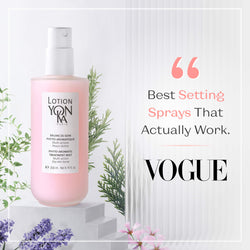
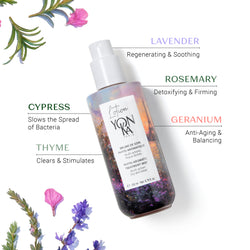
A common mistake is applying moisturizer to bone-dry skin. For maximum absorption, skin should be damp. Our signature Lotion Yon-Ka PS is a phyto-aromatic mist infused with our Quintessence. This blend of lavender, geranium, rosemary, cypress, and thyme essential oils does more than just smell divine—it sanitizes, tones, and prepares the skin to drink in the serums and creams that follow.
Target with Serums
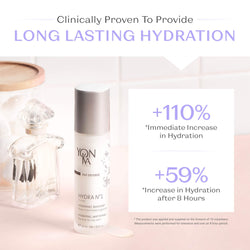
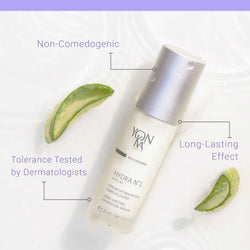
Serums are concentrated treatments designed to penetrate deeper than a standard moisturizer. For intense dryness, look for hyaluronic acid. Hyaluronic acid is a molecule that can hold up to 1,000 times its weight in water. Our Hydra N°1 Serum uses both high and low molecular weight hyaluronic acid to provide immediate surface hydration and long-lasting moisture in the deeper layers of the epidermis.
Seal with Moisture
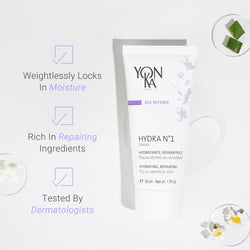
The final step is to lock everything in. A rich cream like Hydra N°1 Crème provides a protective shield. If your skin is extremely dry or reacting to cold weather, you might also benefit from a "booster." Adding a few drops of Booster Nutri + to your cream can provide the extra nourishment needed during harsh transitions.
Lifestyle Adjustments for Dry Skin Prevention
No amount of cream can fully compensate for a drying environment. To maintain a supple complexion, consider these practical "home remedies" for your lifestyle:
- Adjust the Temperature: Long, hot showers are a primary culprit for dry skin. Hot water strips the skin’s sebum much faster than lukewarm water. Limit showers to 5–10 minutes and keep the temperature comfortable, not steaming.
- Humidify Your Space: In the winter, indoor heating removes moisture from the air. Placing a humidifier in your bedroom can significantly reduce overnight water loss from your skin.
- Silk and Cotton: Wear natural, breathable fabrics. Wool and certain synthetics can irritate already dry or sensitive skin. Similarly, sleeping on a silk pillowcase can help your skin retain its natural oils rather than having them absorbed by cotton.
- Hydrate Internally: While drinking water isn't a direct "fix" for dry skin (which is usually a barrier issue), systemic dehydration can make the skin look more sallow and less plump.
Note: When introducing any new home remedy or botanical product, we always recommend a patch test. Apply a small amount to your inner forearm and wait 24 hours to ensure no redness or irritation occurs. While essential oils and plant extracts are natural, they are also highly active.
When to Consult a Professional
While home remedies and high-quality skincare can manage most cases of dryness, sometimes the skin requires medical intervention. If you experience persistent redness, intense itching that disrupts sleep, cracking that leads to bleeding, or patches that appear thickened and scaly, it is time to see a dermatologist. Conditions like eczema, psoriasis, or seborrheic dermatitis may require prescription treatments that work in tandem with your aesthetic routine.
For those looking to take their hydration to the next level, a professional spa treatment can provide deep-tissue nourishment that is difficult to achieve at home. A Yon-Ka professional can perform a tailored facial using concentrated botanical extracts and specialized massage techniques to "reboot" your skin's hydration mechanisms. You can find a certified professional through our Spa Locator on our website.
Conclusion
Managing dry skin is an act of patience and ritual. By combining effective home remedies like sunflower oil and honey with the pharmaceutical-grade precision of botanical skincare, you can restore your skin's natural radiance. Remember that your skin is a living organ that responds to consistency and gentle care. Whether you are whisking up a DIY mask or applying a layer of Hydra N°1 Serum for an intensive overnight treatment, the goal is always the same: to support, nourish, and protect.
At Yon-Ka Paris, we remain dedicated to the belief that skincare is more than a chore—it is a moment of wellbeing. Rooted in 70 years of French phyto-aromatic expertise, our formulas are designed to bring the peace of the spa into your daily life. For a better match to your routine, you can also take our Skin Diagnosis quiz.
Key Takeaway: The secret to removing dry skin is a two-fold process: gently exfoliating to clear the path and immediately replenishing with lipids and humectants to seal the barrier.
- Prioritize gentle, grain-free exfoliation once or twice a week.
- Apply all hydrating products to damp skin to trap moisture.
- Protect your skin from environmental stressors like hot water and dry air.
If you are unsure which botanical ritual is right for your unique complexion, we invite you to use the Product Matcher or explore more dry-skin education in our dry-skin barrier guide.
FAQ
Can I use coconut oil on my face if I have dry skin?
Coconut oil is an effective emollient that helps increase the number of lipids on the skin's surface, making it excellent for very dry skin on the body. However, because it is comedogenic (meaning it can clog pores), those prone to breakouts should use it with caution on the face or opt for a non-comedogenic alternative like jojoba or sunflower seed oil.
How often should I exfoliate if my skin is flaky?
For dry skin, more is not always better. Over-exfoliating can damage the barrier further, leading to more flaking. We generally recommend gentle exfoliation once or twice a week using a grain-free product or a mild AHA to ensure you are removing dead cells without irritating the healthy skin underneath.
Why does my face still feel dry after I apply moisturizer?
If your skin feels dry immediately after moisturizing, you may be missing a humectant step (like a hyaluronic acid serum) or your moisturizer may not be occlusive enough to stop water evaporation. Try applying a mist like Lotion Yon-Ka followed by a serum and then a rich cream to provide multiple layers of hydration and protection.
Is it better to apply home remedies at night or in the morning?
Nighttime is often the best time for intensive dry skin remedies because the skin’s natural repair processes are most active while you sleep. Applying richer oils or "slugging" with a protective balm overnight allows the ingredients to penetrate deeply without the interference of makeup, sun exposure, or environmental pollutants.
Piel seca y deshidratada