Table of Contents
- Introduction
- The Unique Nature of Newborn Skin
- Common Causes of Facial Dryness in Infants
- Distinguishing Between Dry Skin and Other Conditions
- How to Help Newborn Dry Skin on Face: Practical Rituals
- Creating a Phyto-Aromatic Environment
- Ingredients to Seek and Avoid
- When to Consult a Professional
- The Professional Approach to Gentle Care
- Summary of Home Care Strategies
- Conclusion
- FAQ
Introduction
The velvety softness of a newborn’s cheek is one of the most precious experiences for a new parent. However, that delicate "birthday suit" is also incredibly thin and sensitive, often making it prone to dryness, flakiness, and peeling within the first few weeks of life. At Yon-Ka Paris, we understand that maintaining the skin’s natural barrier is the foundation of long-term skin health, whether you are a seasoned skincare enthusiast or a brand-new arrival. This transition from the aquatic environment of the womb to the dry air of the outside world can be a challenge for an infant's complexion. This article covers the primary causes of facial dryness in infants, how to distinguish between normal peeling and conditions like eczema, and practical, gentle ways to restore moisture. By understanding these professional-backed strategies, you can confidently support your baby’s skin as it develops and strengthens.
The Unique Nature of Newborn Skin
Newborn skin is a marvel of biological development, but it is fundamentally different from adult skin. It is roughly 20% to 30% thinner, which means it loses moisture much more rapidly and is far more susceptible to external irritants. In the womb, your baby was protected by a thick, waxy coating called vernix caseosa. This substance acts as a natural biofilm, providing hydration and antimicrobial protection.
Once a baby is born, the vernix is often wiped away or naturally absorbed, leaving the skin exposed to air for the first time. It is entirely normal for the top layer of skin to begin shedding within one to three weeks. This process, often referred to as "newborn peeling," is most noticeable on the hands, ankles, and face. Because the face is frequently exposed to the elements, it often requires more intentional care to stay comfortable and hydrated.
Common Causes of Facial Dryness in Infants
Understanding the "why" behind your baby’s dry patches is the first step in providing relief. While the environment plays a large role, several physiological factors are also at play.
The Shedding of the Vernix
As mentioned, the loss of the protective vernix coating is a primary trigger for early peeling. If your baby was born past their due date, they may have even less vernix remaining at birth, leading to more visible flaking. This is a natural transition and generally does not cause the baby any discomfort.
Environmental Exposure
Newborns have not yet developed a robust acid mantle—the thin, slightly acidic film on the skin’s surface that acts as a barrier. Cold winter air, low indoor humidity from heaters, and even wind can sap moisture from their cheeks. On the flip side, excessive sun exposure can also dry out their sensitive skin, though direct sunlight should be avoided for infants under six months.
Saliva and Feeding Residue
Drool and milk residue are common culprits for facial irritation. Saliva contains enzymes that are meant to break down food, but when left on the skin, these enzymes can break down the skin’s delicate lipid barrier. This often results in "drool rash" or localized dryness around the mouth and chin.
Bathing Habits
While it is tempting to give your baby a long, warm soak every night, water itself can be drying. Overly hot water or frequent bathing can strip the skin of its essential natural oils before the baby’s sebaceous glands have fully ramped up production.
Distinguishing Between Dry Skin and Other Conditions
Not all flakiness is simple dry skin. It is important to recognize the subtle differences between normal shedding and conditions that might require a specialized approach or a consultation with a physician.
Normal Newborn Peeling
This typically looks like fine, papery flakes. It does not usually appear red or inflamed, and the baby seems content. It is most common in the first month of life and resolves on its own as the skin adjusts to the environment.
Atopic Dermatitis (Eczema)
Eczema often appears as red, itchy, and sometimes scaly patches. In infants, it frequently starts on the cheeks and forehead. Unlike simple dry skin, eczema is often persistent and may cause the baby to become fussy or try to rub their face. If you notice the skin looks angry, cracked, or has tiny fluid-filled bumps, it is best to consult a pediatrician.
Seborrheic Dermatitis (Cradle Cap)
While usually associated with the scalp, cradle cap can also appear on the eyebrows and around the nose. It looks like thick, yellow, oily scales or crusts. This is caused by an overproduction of oil in certain areas and, while unsightly, is generally harmless and painless for the baby.
Milia and Baby Acne
You may see tiny white bumps (milia) or red pimples (baby acne) on your newborn's face. Milia are small cysts filled with keratin that are trapped under the skin’s surface, while baby acne is often linked to maternal hormones. Neither of these is actually "dry skin," and they typically do not require moisturizers or treatments; they usually disappear on their own within a few weeks.
How to Help Newborn Dry Skin on Face: Practical Rituals
Addressing dryness requires a gentle, consistent approach. Rather than looking for a "quick fix," focus on building a protective ritual that respects the infant's skin barrier.
Refine the Bathing Ritual
Step 1: Limit Frequency and Duration. You do not need to bathe a newborn every day. Two to three times a week is often sufficient, provided the diaper area is kept clean. Keep the bath time between 5 and 10 minutes to prevent the skin from pruning and losing moisture.
Step 2: Check the Temperature. The water should be lukewarm, not hot. Test the water with your elbow rather than your hand to ensure it is comfortable for the baby’s more sensitive skin.
Step 3: Use Soap-Free Cleansers. Avoid traditional soaps or bubble baths, which often contain harsh surfactants like SLS (Sodium Lauryl Sulfate). Instead, look for soap-free, pH-neutral cleansers. For the face, plain water is often all that is needed for the first few weeks. If you are looking for a gentle everyday cleanser for your own routine, our Face Cleansers & Makeup Removers collection is a helpful place to start.
The Art of Moisturizing
Applying a moisturizer is the most effective way to help newborn dry skin on the face. However, the timing and type of product matter significantly.
- The "Three-Minute Rule": Apply a moisturizer within three minutes of taking the baby out of the bath. Gently pat the skin with a soft cotton towel—never rub—leaving it slightly damp. This helps lock in the water that the skin just absorbed.
- Choosing the Right Texture: For very dry patches on the cheeks, an ointment or a thick cream is more effective than a watery lotion. These thicker formulations provide a better physical barrier to prevent "transepidermal water loss" (TEWL). For a richer adult moisturizer, explore our Face Moisturizers collection.
- Safe Application: Use clean hands to apply a small amount of moisturizer to the baby's cheeks, forehead, and chin, being careful to avoid the eyes and mouth.
Protecting the Skin from Irritants
A newborn’s face is constantly in contact with fabrics and fluids.
- Gentle Laundering: Wash your baby’s clothes, bedding, and even your own shirts (where their face rests) in fragrance-free, dye-free detergents.
- The "Slobber Shield": If your baby is drooling heavily, apply a thin layer of a petroleum-based balm or a barrier cream around the mouth and chin before naptime or going outside. This prevents saliva from making direct contact with the skin.
Key Takeaway: The goal of infant skincare is to support the skin’s natural barrier. Avoid over-cleansing and prioritize thick, fragrance-free emollients applied to damp skin to trap moisture effectively.
Creating a Phyto-Aromatic Environment
At Yon-Ka, we believe that the environment is just as important as the products we apply. For a newborn, the air they breathe can directly impact the moisture levels of their skin.
During the winter months, indoor heating can drop humidity levels to the point where skin becomes parched. Using a cool-mist humidifier in the baby’s nursery can help maintain an ideal humidity level (around 40-50%), which keeps the nasal passages clear and the skin hydrated.
We also advocate for the use of natural fibers. Synthetic fabrics can be scratchy and may trap heat, leading to sweat-induced irritation or heat rash. Dress your baby in loose-fitting, organic cotton, which is breathable and soft against a dry facial complexion.
Ingredients to Seek and Avoid
When selecting products to help newborn dry skin on the face, the ingredient list is your most important tool. Because infant skin is more porous, it can absorb more of what is applied to it.
Ingredients to Avoid
- Fragrances: Even "natural" fragrances can be sensitizing for a newborn. Always opt for products labeled "fragrance-free" rather than "unscented," as unscented products may contain masking fragrances.
- Parabens and Phthalates: These are often used as preservatives or texture enhancers but are best avoided in infant care due to potential endocrine concerns.
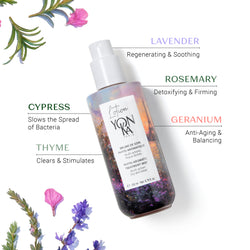
- Essential Oils in High Concentrations: While we specialize in the power of essential oils like the Yon-Ka Quintessence (Lavender, Geranium, Rosemary, Cypress, and Thyme), these are potent actives. For newborns, we generally recommend keeping their routine as simple and "blank" as possible until their barrier is more mature. To learn more about how we formulate with botanicals, visit Our Ingredients.
- Alcohol: Denatured alcohol can be incredibly drying and should never be used on a baby's face.
Ingredients to Seek
- Ceramides: These are lipids naturally found in the skin that help hold the skin cells together, forming a protective layer.
- Glycerin: A humectant that pulls moisture from the air into the skin.
- Squalane: A moisturizing ingredient that mimics the skin's natural oils.
- Colloidal Oatmeal: Known for its soothing properties, it can help reduce the appearance of redness and itching.
When to Consult a Professional
While most cases of newborn dry skin on the face are temporary and easily managed at home, there are times when professional medical advice is necessary. If you notice any of the following, schedule a visit with your pediatrician or a pediatric dermatologist:
- Signs of Infection: Any oozing, yellow crusting, or excessive swelling can indicate a bacterial or fungal infection.
- Fever: If a skin rash is accompanied by a fever, seek medical attention immediately.
- Severe Cracking or Bleeding: If the skin is so dry that it begins to crack or bleed, it may require a therapeutic ointment.
- Persistent Discomfort: If the baby is unable to sleep or seems constantly distressed by the itchiness or dryness of their skin.
Note: Before introducing any new skincare product to your baby's routine, we recommend a small patch test. Apply a tiny amount to the inner forearm and wait 24 hours to ensure there is no adverse reaction.
The Professional Approach to Gentle Care
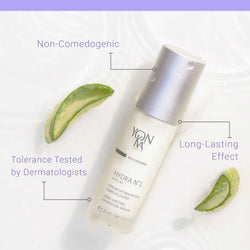
At Yon-Ka Paris, our 70-year heritage is rooted in the belief that skin deserves to be treated with pharmaceutical-grade rigor and botanical gentleness. While our advanced formulas like Serum Vitamine C for brightening or Hydra N°1 Creme for intense hydration are designed for adult skin concerns, the philosophy behind them—barrier protection and deep hydration—remains the same for the whole family.
For parents who want to maintain their own skin health while caring for a little one, we recommend products that focus on soothing and repairing. Our Lait Nettoyant, a gentle cleansing milk, is a staple in many households because it cleanses without stripping away essential lipids. It reflects our commitment to formulas that respect the skin's natural pH and delicate balance.
If you are unsure about your own skin needs during the busy postpartum period, you can use our Product Spotlight: Lait Nettoyant as a starting point for understanding how a gentle cleansing milk fits into a balanced ritual. Our goal is to provide you with a routine that not only delivers results but also offers a moment of sensory wellness in your day.
Summary of Home Care Strategies
To help newborn dry skin on the face effectively, consistency is your best ally. By making small adjustments to your daily habits, you can protect your baby's complexion from the elements and support their developing skin barrier.
- Bathe less often and use lukewarm water to preserve natural oils.
- Moisturize immediately after the bath and throughout the day on dry spots.
- Protect from drool and weather using gentle barrier balms.
- Use a humidifier to counteract dry indoor air.
- Choose fragrance-free products specifically formulated for sensitive, infant skin.
For a deeper look at a gentle routine for dry, thirsty skin, see our guide on what to use for dry skin on face, or explore the broader dry skin care article.
Conclusion
Helping newborn dry skin on the face is a common part of the journey into parenthood. While it can be startling to see your baby's perfect skin begin to flake or peel, remember that this is often a sign of healthy growth and adaptation. By adopting a ritual-based approach—one that prioritizes gentle cleansing, immediate moisture, and environmental protection—you are giving your baby’s skin the best possible start.
"Skincare is more than a routine; it is a ritual of care that begins at the very start of life and evolves with us. By choosing gentle, botanical-based principles, we honor the skin’s natural intelligence."
As your baby grows and their skin matures, you may find that the same principles of phyto-aromatic care and professional expertise we offer at Yon-Ka Paris become a valued part of your family's self-care journey. For now, focus on the simplicity of water, warmth, and gentle protection to keep those precious cheeks soft and comfortable.
To learn more about maintaining a healthy skin barrier for yourself or to find a professional treatment near you, explore our Spa Locator.
FAQ
Is it okay to put lotion on my newborn’s face?
Yes, but you should choose a lotion, cream, or ointment specifically formulated for infants. Ensure it is fragrance-free, hypoallergenic, and free of harsh chemicals like parabens or dyes. It is best to apply it to slightly damp skin after a bath or after gently cleaning the face with a warm cloth.
Why is my baby’s skin peeling so much on their cheeks?
Peeling is common in the first few weeks as the baby sheds the outer layer of skin that was protected by vernix in the womb. The cheeks are especially prone because they are exposed to air, wind, and the drying effects of saliva or milk residue.
How often should I moisturize my baby’s dry face?
For most babies, moisturizing once or twice a day is sufficient. However, if the air is very dry or if your baby is drooling heavily, you may want to apply a gentle barrier cream or moisturizer more frequently, especially before naps or going outdoors.
When does newborn dry skin usually go away?
Typical newborn peeling usually resolves on its own within two to four weeks as the skin’s natural oil production begins to balance out. If the dryness persists beyond the first month or is accompanied by redness and itching, it may be a sign of a condition like eczema, and you should consult a physician.
Piel seca y deshidratada