Table of Contents
- Introduction
- Identifying the Cause of Your Facial Dryness
- Distinguishing Dryness from Dermatitis
- The Importance of the Skin Barrier
- The Yon-Ka Phyto-Aromatic Approach
- A Soothing Ritual to Restore Your Complexion
- Advanced Solutions for Stubborn Dryness
- Essential Lifestyle Adjustments
- When to Seek Professional Care
- Conclusion
- FAQ
Introduction
Waking up to a face that feels tight, looks visibly flaky, or is marked by red, itchy patches can be more than just a seasonal nuisance. It is a moment of discomfort that demands both immediate relief and a long-term strategy for restoration. When the delicate skin of the face loses its ability to retain moisture, it often reacts with what we recognize as a dry skin rash—a signal that the protective barrier is compromised. At Yon-Ka Paris, we believe that addressing these concerns requires a blend of professional-grade botanical science and a dedicated, sensorial ritual. This article will explore the common causes of facial dryness, how to distinguish between simple dehydration and more complex conditions, and the specific phyto-aromatic steps you can take to restore a smooth, radiant, and comfortable complexion.
Quick Answer: To address the appearance of a dry skin rash on the face, focus on restoring the lipid barrier by using a gentle, non-stripping milk cleanser, applying a hydrating phyto-aromatic mist, and layering a lipid-rich serum under a high-quality moisturizer. Avoid hot water and harsh physical exfoliants while the skin is sensitized.
Identifying the Cause of Your Facial Dryness
Before you can effectively treat the appearance of a rash or dry patch, it is essential to understand why it appeared in the first place. Facial skin is thinner and more exposed than the skin on the rest of your body, making it uniquely vulnerable to both internal and external stressors.
Environmental Triggers
The environment is often the primary culprit behind sudden dryness. Cold winter air holds very little moisture, and when combined with the dry heat of indoor radiators, it can rapidly evaporate the water from your skin’s surface. If you want more guidance on building a comfort-focused routine, see our dry skin on face ritual guide. This process, known as transepidermal water loss (TEWL), leaves the skin feeling parched and brittle. Conversely, excessive sun exposure during the summer can damage the skin’s moisture barrier, leading to a rough, "ashy" texture.
Lifestyle and Habitual Factors
Sometimes, our own routines contribute to the problem. Washing the face with hot water—while often feeling relaxing—actually strips away the natural oils (sebum) that keep the skin supple. Similarly, using harsh soaps or over-exfoliating with grainy scrubs can create micro-tears in the skin barrier, leading to redness and the appearance of a rash.
Biological and Age-Related Changes
As we age, our sebaceous glands become less active, and the skin naturally produces fewer lipids. If your concern is linked to visible age-related dryness, you may also want to explore the anti-aging collection. This makes older skin more prone to chronic dryness and sensitivity. Genetics also play a significant role; some individuals are simply born with a skin type that produces less oil, requiring more external support to maintain a healthy-looking glow.
Distinguishing Dryness from Dermatitis
While many cases of facial "rashes" are simply the result of extreme dehydration, sometimes there is an underlying condition at play. It is important to monitor how your skin responds to basic care.
- Contact Dermatitis: This occurs when your skin reacts to a specific substance. It could be a new laundry detergent, a fragrance in a cosmetic product, or even a metal like nickel. It usually presents as a localized red, itchy area.
- Atopic Dermatitis (Eczema): Often a chronic condition, eczema involves a more significant breakdown of the skin barrier and is frequently linked to a family history of allergies or asthma.
- Seborrheic Dermatitis: This often appears in oily areas like the sides of the nose or the eyebrows, presenting as yellowish, scaly patches.
If your skin is weeping, blistering, or failing to improve after two weeks of consistent, gentle care, we recommend consulting a dermatologist to rule out these medical conditions.
The Importance of the Skin Barrier
Think of your skin barrier as a "brick and mortar" structure. The skin cells are the bricks, and the lipids (fats) are the mortar holding them together. When this mortar is intact, moisture stays in, and irritants like pollution and bacteria stay out. When the barrier is weakened, the "mortar" develops gaps. This is when the skin becomes reactive, leading to the sensation of itching and the appearance of a rash.
Key Takeaway: Treating a dry skin rash is less about "fixing" a surface problem and more about "rebuilding" the skin's natural defenses through consistent hydration and lipid replacement.
The Yon-Ka Phyto-Aromatic Approach
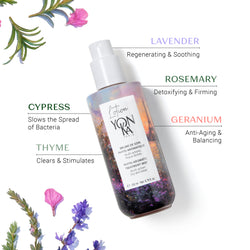
Our approach to skin health is rooted in the fusion of four plant sciences: aromatherapy, phytotherapy, aromachology, and marine biology. To learn more about the brand’s approach to botanicals and actives, visit our ingredients page. At the heart of our formulations is the Quintessence—a unique complex of lavender, geranium, rosemary, cypress, and thyme essential oils. This 100% natural and active complex provides more than just a beautiful scent; it supports the skin’s natural ability to balance and revitalize itself.
When the skin is dry and sensitized, we prioritize ingredients that mimic the skin’s natural composition. We use over 130 land and sea plants to create formulas that average 92% natural origin ingredients, ensuring that your skin receives the nourishment it needs without the presence of known endocrine disruptors or harsh synthetics.
A Soothing Ritual to Restore Your Complexion
To effectively get rid of the appearance of a dry skin rash, you must move away from "quick fixes" and toward a consistent, layered ritual. Each step is designed to build upon the last, slowly repairing the look and feel of the skin.
Step 1: Gentle, Barrier-Respecting Cleansing
When the skin is inflamed or dry, the last thing it needs is a foaming cleanser that leaves it feeling "squeaky clean." That sensation is actually a sign that your natural oils have been stripped away.
Instead, use a milk-based cleanser like Lait Nettoyant. This gentle cleansing milk removes impurities and makeup while maintaining the skin’s hydrolipidic film. Apply it with your fingertips in a gentle circular motion and rinse with lukewarm—never hot—water. This ensures the skin remains soft and prepared for the next steps.
Step 2: Prepare and Hydrate with a Mist
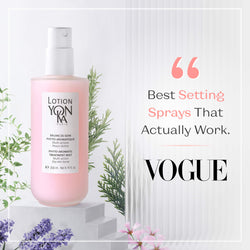
Traditional toners can often be drying if they contain alcohol. We recommend a phyto-aromatic mist to infuse the skin with immediate hydration and the benefits of essential oils. Lotion Yon-Ka PS is an alcohol-free mist that features the Quintessence. It acts as a bridge between cleansing and treating, helping the skin absorb the active ingredients in your serums more effectively.
Step 3: Targeted Serum Support
Serums are the heavy lifters of any skincare routine. For those struggling with the appearance of a dry rash, we focus on two types of support: hydration and lipid restoration.
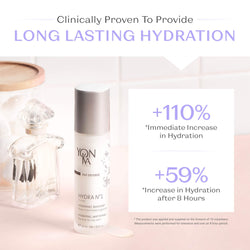
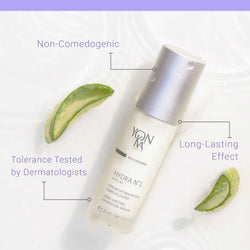
- For Dehydration: If your skin feels tight and looks dull, Hydra n°1 Serum is essential. It utilizes hyaluronic acid (a powerful humectant that can hold 1,000 times its weight in water) and vegetal glycerin to deeply saturate the skin.
- For Lipid Repair: If your skin is flaking or feels "raw," it needs fats. Serum Omega is a lipid-restoring oil-in-serum that provides essential fatty acids from sources like raspberry seed oil and pomegranate. This helps "patch" the gaps in the skin's barrier.
Step 4: Seal with a Protective Moisturizer
The final layer of your ritual should be a cream that locks in the previous products and provides a protective shield.
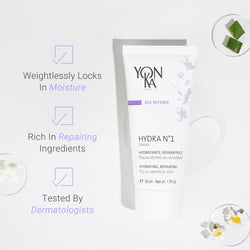
- Hydra n°1 Crème: This is our go-to for intense repair. Hydra n°1 Crème is designed to comfort the most parched skin types, leaving the complexion looking plump and smooth.
- Sensitive Crème Anti-Rougeurs: If your dry rash is accompanied by visible redness, this cream helps to calm the appearance of the skin and provide a more even tone using botanical extracts.
Note: When introducing new products to a sensitized face, always perform a patch test on your inner forearm for 24 hours. Introduce one new formula at a time to ensure your skin welcomes the ingredients. A slight, brief tingling can be normal with active essential oils, but persistent redness means you should pause use.
Advanced Solutions for Stubborn Dryness
If a standard daily routine isn't enough to soothe the appearance of your dry skin, you may need to incorporate weekly intensive treatments.
The Power of Gentle Exfoliation
It may seem counterintuitive to exfoliate dry skin, but removing dead, flaky cells allows your moisturizers to penetrate better. However, you must avoid "scrubs." For a gentle treatment option, explore our face masks collection. Gommage Yon-Ka is a grain-free, botanical peel that uses carob and white nettle to gently lift away debris without any abrasive action. This is safe even for delicate skin.
Overnight Hydration
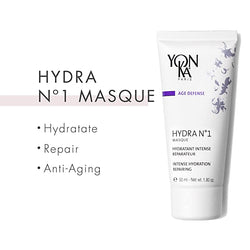
Nighttime is when the skin does its most significant repair work. Applying a thick layer of a hydrating mask, such as Hydra n°1 Masque, before bed can transform the skin's appearance by morning. You can use it as a traditional 10-minute mask or leave a thin layer on overnight for a "moisture bath" effect.
Essential Lifestyle Adjustments
Skincare products work best when supported by healthy lifestyle habits. To prevent the return of a dry skin rash, consider the following:
- Use a Humidifier: Especially in the winter or in dry climates, adding moisture to the air in your bedroom can prevent your skin from drying out while you sleep.
- Monitor Water Temperature: Keep your showers and face-washing sessions lukewarm. Limit your time in the water to under ten minutes.
- Hydrate from Within: While drinking water isn't a direct "cure" for dry skin, staying hydrated supports overall cellular health. Focus on eating healthy fats, such as those found in avocados, walnuts, and cold-water fish.
- Protect from the Elements: Wear a scarf to shield your face from biting wind, and always apply a broad-spectrum sunscreen. UV rays can damage the skin barrier even on cloudy days.
When to Seek Professional Care
While most facial dryness can be managed with a proper ritual, some situations require an expert touch. If you find that home care is not yielding results, we encourage you to use our Spa Locator to find a Yon-Ka professional near you. A professional esthetician can provide a deep-conditioning treatment and a personalized skin analysis to determine if you are dealing with dehydration, lack of oil, or true sensitivity.
Furthermore, if your skin shows signs of infection—such as yellow crusting, extreme swelling, or heat—you should visit a physician or dermatologist immediately.
Conclusion
Managing the appearance of a dry skin rash on the face is a journey of restoration and patience. By moving away from harsh ingredients and embracing a ritual-based approach, you give your skin the environment it needs to thrive. The combination of gentle cleansing, phyto-aromatic mists, and nutrient-dense serums can transform a tight, uncomfortable complexion into one that feels soft, resilient, and radiant.
At Yon-Ka Paris, we remain dedicated to the belief that skincare is a vital act of self-care. Rooted in 70 years of French phyto-aromatic expertise, our formulas are designed to bring the professional spa experience into your daily life. If you are unsure which products are right for your specific concerns, we invite you to take our Skin Diagnosis quiz or use the Product Matcher on our website. Embracing the power of nature and science is the first step toward a lifetime of healthy, beautiful skin.
"True beauty comes from a balanced state of being, where the skin is nourished by the finest botanicals and the spirit is calmed by the power of aroma."
FAQ
Can I use a face scrub on a dry skin rash?
We generally recommend avoiding physical scrubs with grains or beads when your skin is experiencing a rash or extreme dryness. These can cause micro-tears and increase inflammation. Instead, use a gentle, grain-free exfoliator like Gommage Yon-Ka, which removes dead skin cells without irritation.
How long does it take for a dry skin rash to go away?
With a consistent, barrier-repairing ritual, you may notice a decrease in tightness and redness within a few days. However, it typically takes about 28 days—the length of a full skin-cell turnover cycle—to see a significant improvement in the skin's overall texture and resilience.
Is hot water bad for dry skin?
Yes, hot water is one of the most common causes of barrier disruption. It strips away the essential lipids and oils that keep your skin hydrated. Always use lukewarm water when washing your face, and try to keep your showers relatively short to prevent further moisture loss.
Can essential oils help with dry skin?
When formulated correctly and at professional concentrations, certain essential oils are excellent for the skin. For a closer look at the botanical actives behind our formulas, visit our ingredients page. For example, the lavender and geranium found in our Quintessence help to soothe and balance the appearance of the skin. Always use products from trusted brands that specialize in phyto-aromatic science to ensure safety and efficacy.
Piel seca y deshidratada