Table of Contents
- Introduction
- Understanding What Causes Dry Skin Patches
- The Importance of Gentle, Grain-Free Exfoliation
- Restoring the Barrier with Layered Hydration
- Choosing the Right Moisturizer for Dry Spots
- Weekly Masks: An Intensive Hydration Boost
- Lifestyle Changes to Support Skin Comfort
- Identifying When Dry Patches Need Medical Attention
- A Step-by-Step Morning Ritual for Dry Patches
- The Professional Touch: Seeking an Esthetician
- Advanced Ingredients to Look For
- Conclusion
- FAQ
Introduction
Waking up to find rough, flaky, or tight spots on your skin can be a frustrating hurdle in your morning routine. These dry skin patches often disrupt the smooth application of makeup and can leave your complexion looking dull or uneven. At Yon-Ka Paris, we understand that achieving a radiant, velvet-soft glow requires more than just a quick fix; it requires a dedicated ritual that respects the delicate balance of your skin’s natural barrier. While these parched areas can feel stubborn, they are typically a sign that your skin is thirsty for specific nutrients and a gentler touch. This guide will explore the common causes behind localized dryness, the botanical ingredients that support a healthy-looking barrier, and the specific phyto-aromatic steps you can take to restore the appearance of comfort and suppleness to your face.
Quick Answer: Addressing dry skin patches requires a dual approach of gentle, grain-free exfoliation to remove dead cells and intensive hydration using humectants like hyaluronic acid and occlusive plant oils. By replacing harsh cleansers with nourishing milks and layering moisture through a consistent morning and evening ritual, you can effectively smooth the appearance of rough texture.
Understanding What Causes Dry Skin Patches
Before we can address the appearance of dry spots, we must understand why they occur. Your skin is protected by a thin, protective layer known as the acid mantle or the moisture barrier. This barrier is composed of lipids (oils) and moisture that keep external irritants out and hydration locked in. When this barrier is compromised, moisture evaporates rapidly—a process known as transepidermal water loss (TEWL)—leading to localized areas of dehydration and flakiness.
Several environmental and internal factors can trigger this imbalance. Cold, winter air holds very little humidity, which literally pulls moisture out of your skin. Conversely, indoor heating and air conditioning create a dry environment that can exacerbate rough patches. Age also plays a significant role; as we mature, our skin’s natural oil production slows down, and the rate at which our cells renew themselves decreases, often resulting in a buildup of dead skin that looks like dry, white flakes.
Lifestyle habits are often the hidden culprits. Using water that is too hot when washing your face can strip away essential oils, while over-exfoliating with harsh scrubs can create micro-tears that leave the skin vulnerable. Even your choice of cleanser matters—foaming soaps with high pH levels or sulfates can leave the skin feeling "squeaky clean" but ultimately depleted and prone to patchy dryness.
The Importance of Gentle, Grain-Free Exfoliation
It may seem counterintuitive to exfoliate skin that already feels dry and sensitive, but gentle exfoliation is a critical step in managing dry patches. When dead skin cells accumulate on the surface, they form a barrier that prevents your hydrating serums and moisturizers from penetrating deeply. If you apply a rich cream over a dry patch without exfoliating first, the product simply sits on top of the dead cells, providing little relief to the living tissue beneath.
However, the method of exfoliation is paramount. Traditional mechanical scrubs with large grains or pits can be too abrasive for dry, compromised skin, potentially causing more redness and irritation. We recommend a "Peel-and-Gommage" approach. This involves using products that utilize enzymes or gentle botanical extracts to dissolve the "glue" holding dead cells together.
Our Gommage Yon-Ka is a perfect example of this professional-grade approach adapted for home use. This four-in-one botanical scrub is completely grain-free, making it ideal for even the most sensitive skin. It uses carob and lime essential oil to gently lift away debris while soothing the skin with white nettle. By removing the buildup of dead cells once or twice a week, you create a smooth canvas that is ready to drink in subsequent treatments.
Key Takeaway: Exfoliation is necessary to clear the path for hydration, but it must be grain-free to avoid irritating already dry patches.
Restoring the Barrier with Layered Hydration
Once the surface is clear, the focus must shift to rehydration. In the world of professional French skincare, we don’t believe in "one-and-done" products. Instead, we embrace the ritual of layering. This ensures that every layer of the epidermis receives the specific molecules it needs to look its best.
The Power of Phyto-Aromatic Mists
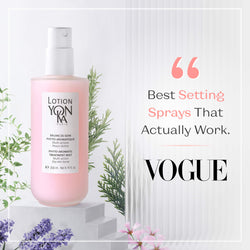
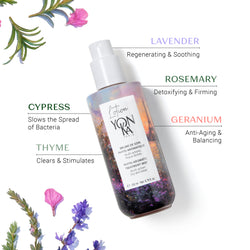
The first step after cleansing should always be a hydrating mist. This isn't just about refreshing the skin; it acts as a "carrier" for the products that follow. When your skin is slightly damp, it is significantly more permeable. Our signature Lotion Yon-Ka PS is a foundational element of this process. It is infused with our Quintessence—a blend of lavender, geranium, rosemary, cypress, and thyme essential oils. This mist helps to balance the skin and prepares it to absorb serums more effectively.
Targeted Serums and Boosters
For those specific, stubborn dry patches, a targeted treatment is essential. Look for ingredients like hyaluronic acid, which is a humectant capable of holding up to 1,000 times its weight in water. This helps to "plump" the skin from the inside out, reducing the look of fine lines and rough texture.
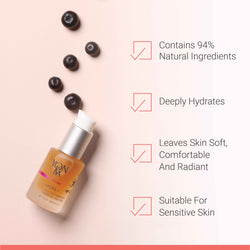
If your skin feels depleted of oils as well as water, a lipid-restoring serum is necessary. Products like our Serum Omega or Nutri + Booster provide essential fatty acids from plant sources like sacha inchi or raspberry seed oil. These lipids help to "patch" the holes in your moisture barrier, preventing future dehydration.
Note: When introducing a new product containing essential oils, we always recommend a brief patch test on your inner forearm for 24 hours. While our formulas are designed for tolerance, every individual’s skin is unique.
Choosing the Right Moisturizer for Dry Spots
A moisturizer’s primary job is to act as a sealant. For dry patches on the face, you need a formula that offers both hydration and occlusion (a layer that prevents water loss). Not all moisturizers are created equal; some are formulated for oily skin and may be too light to treat localized dryness.
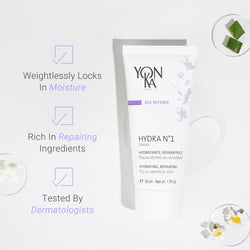
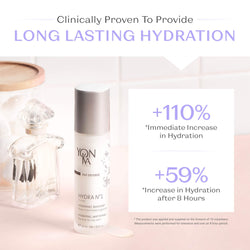
For those experiencing intense dehydration, the Hydra n°1 Crème is an excellent choice. It features two different weights of hyaluronic acid—one to hydrate the surface and one to penetrate deeper—along with shea butter and hazelnut oil to nourish the skin. If your dry patches are accompanied by a loss of firmness or signs of aging, you might consider a cream designed for mature skin while providing lasting comfort.
When applying your moisturizer, pay extra attention to the areas where patches are most prominent. Rather than rubbing vigorously, which can disturb the skin, try a gentle "press and roll" motion. This helps the product bond with the skin and encourages microcirculation without causing mechanical irritation.
Weekly Masks: An Intensive Hydration Boost
Sometimes, your daily routine needs a "booster" to tackle persistent dryness. A weekly or bi-weekly hydrating mask acts like a long drink of water for your face. Unlike a daily cream, a mask is designed to stay on the skin in a thicker layer for a prolonged period, allowing the active ingredients to saturate the skin.
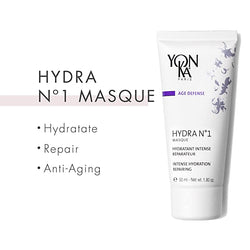
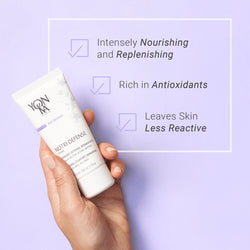
The Hydra n°1 Masque is a cult favorite for a reason. It is designed to be an SOS treatment for stressed, parched skin. You can apply it for 10 to 15 minutes and rinse, or for a more intensive treatment, apply a thin layer before bed and leave it on overnight. By morning, the dry patches typically appear significantly softened and the skin feels replenished. This is especially helpful after air travel or during a particularly cold week when the skin’s defenses are down.
Myth: "Oily skin cannot have dry patches." Fact: Oily skin can become "dehydrated," which is a lack of water rather than a lack of oil. This often leads to a complexion that is shiny yet flaky and tight—a common result of using harsh acne treatments that strip the skin's surface.
Lifestyle Changes to Support Skin Comfort
While high-quality skincare is the foundation of a healthy complexion, your environment and habits play a supporting role. To truly "cure" the cycle of dry patches, consider these practical adjustments:
- Turn Down the Temperature: Use lukewarm water instead of hot water when showering or washing your face. Hot water dissolves the skin’s natural sebum (oils) too quickly, leading to immediate dryness.
- Humidify Your Space: If you live in a dry climate or use central heating, a humidifier can be a lifesaver. By adding moisture back into the air, you reduce the environmental "pull" on your skin’s hydration.
- Stay Hydrated from Within: While drinking water doesn't directly hydrate the surface of your skin (that's the job of your skincare), staying overall hydrated supports your body’s ability to maintain healthy cellular function.
- Protect Against the Elements: In extreme cold or wind, wear a scarf to physically block the air from hitting your face. In the sun, always apply a broad-spectrum SPF, as UV damage can compromise the skin barrier and lead to chronic dryness.
Identifying When Dry Patches Need Medical Attention
While most dry patches are cosmetic in nature and respond well to improved hydration rituals, some persistent spots may indicate an underlying medical condition. Skincare products are designed to support the appearance and health of the skin, but they are not medical treatments.
If your dry patches are:
- Extremely itchy or painful.
- Oozing, bleeding, or showing signs of infection.
- Spreading rapidly across the body.
- Forming thick, silvery scales that do not respond to moisturizing.
- Persistent despite several weeks of a dedicated hydrating ritual.
In these cases, we strongly advise you to consult a physician or a board-certified dermatologist. Conditions such as eczema (atopic dermatitis), psoriasis, or seborrheic dermatitis require medical diagnosis and potentially prescription-strength topical treatments. Once a medical professional has addressed the underlying condition, you can then work with a Yon-Ka professional to build a supportive maintenance ritual.
A Step-by-Step Morning Ritual for Dry Patches
To see real change in the appearance of your skin, consistency is key. Here is how to structure a morning ritual specifically designed to target and smooth dry patches:
- Step 1: Gentle Cleansing. Use a milk-based cleanser like Lait Nettoyant. Apply to dry skin, massage gently to dissolve impurities, and remove with lukewarm water or a soft, damp cloth.
- Step 2: Phyto-Aromatic Prep. Mist your face generously with Lotion Yon-Ka PS. This rebalances the skin's pH and provides an immediate burst of aromatic hydration.
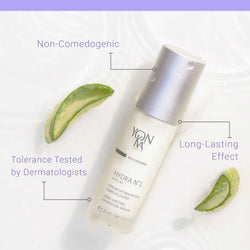
- Step 3: Targeted Treatment. Apply 2–3 pumps of a hydrating serum, such as Hydra n°1 Serum, focusing on the dry patches. Pat it into the skin until absorbed.
- Step 4: Lock in Moisture. Apply your daily moisturizer like Hydra n°1 Crème for deep hydration. Use upward, sweeping motions.
- Step 5: Sun Protection. Finish with a facial sunscreen to protect the moisture barrier from UV degradation throughout the day.
The Professional Touch: Seeking an Esthetician
Sometimes, your skin needs a "reset" that can only be achieved in a professional setting. Our heritage at Yon-Ka Paris is deeply rooted in the spa experience. Over 7,000 skincare professionals worldwide trust our products to deliver visible results.
A professional "Le Grand Classique" or a deep hydration facial involves specialized massage techniques and professional-only concentrations of botanical extracts that can deeply revitalize the appearance of parched skin. If you find that your home care has hit a plateau, we encourage you to use our Spa Locator to find a certified professional near you. An esthetician can perform a thorough skin analysis to determine if your patches are caused by dehydration, a lack of lipids, or environmental sensitivities, and tailor your home routine accordingly.
Key Takeaway: Combining professional treatments with a consistent home ritual is the most effective way to maintain a resilient, smooth, and patch-free complexion.
Advanced Ingredients to Look For
When reading labels for dry skin relief, certain botanical and scientific ingredients stand out for their ability to support the skin’s appearance:
- Vegetal Glycerin: A classic humectant that draws moisture into the skin.
- Phytosqualane: Derived from olives, this ingredient mimics the skin’s natural sebum, providing a silky feel and excellent barrier protection.
- Aloe Vera: Known for its soothing properties, it provides immediate cooling relief to tight, dry areas.
- Grape Seed Oil: Rich in antioxidants and essential fatty acids, it helps to nourish the skin without feeling overly heavy.
- Vitamin E: A powerful antioxidant that supports skin repair and protects against environmental stressors.
Our formulations at Yon-Ka prioritize these natural-origin ingredients, with an average of 92% natural ingredients across our range. We exclude known irritants like parabens, SLS, and phthalates, ensuring that your journey to "curing" dry patches is as gentle as it is effective. Learn more about our ingredient philosophy in Our Ingredients and our formulation standards on Formulas.
Bottom line: Solving dry patches on the face isn't about one heavy cream; it's about a holistic ritual that removes dead cells gently, layers hydration deeply, and protects the skin's natural barrier from environmental stress.
Conclusion
Managing dry skin patches on the face is a journey that requires patience, the right botanical ingredients, and a commitment to a gentle ritual. By moving away from harsh scrubs and stripping cleansers, and instead embracing the layered hydration and phyto-aromatic expertise of Yon-Ka Paris, you can transform the appearance of your skin from flaky and tight to smooth and radiant. Remember that your skin is a living organ that reacts to the world around it; as the seasons change, your routine may need to shift as well.
Whether you are looking for an intensive weekly mask or a daily nourishing serum, our collections are designed to provide the pharmaceutical rigor and sensorial pleasure your skin deserves. If you are unsure where to start, we invite you to take our Skin Diagnosis quiz to find the perfect fit for your unique concerns. Skincare is more than a chore; it is a daily ritual worth savoring—a moment for yourself built on 70 years of French expertise. Explore our range of hydrating essentials today and rediscover the feeling of truly comfortable skin.
FAQ
How long does it take for dry skin patches to go away?
With a consistent hydrating ritual, you may notice an improvement in the appearance and feel of dry patches within 3 to 7 days. However, for a complete restoration of the skin’s smooth texture and barrier function, it typically takes a full skin cell turnover cycle, which is approximately 28 to 40 days.
Can I put makeup over dry skin patches?
Yes, but application is key to preventing the makeup from highlighting the flakes. Start with a grain-free exfoliant like Gommage Yon-Ka to smooth the surface, follow with a rich moisturizer, and use a damp makeup sponge to "press" a hydrating foundation or concealer into the skin rather than rubbing it.
Why do I have dry patches even though I have oily skin?
This is a condition known as surface dehydration. It often happens when someone with oily skin uses harsh, alcohol-based products to "dry out" oil, which ends up damaging the moisture barrier and causing the top layer of skin to flake even while oil is produced underneath.
Is it okay to use face oils on dry patches?
Absolutely. Face oils, especially those rich in essential fatty acids like Serum Omega, are excellent for dry patches because they act as occlusives. They "seal" the moisture from your serums and creams into the skin and help to repair the lipid barrier that prevents future dryness.
Piel seca y deshidratada