Table of Contents
- Introduction
- How Vitamin C Functions in Skincare
- The Connection Between Vitamin C and Dryness
- Identifying the Signs of a Compromised Barrier
- Choosing the Right Form of Vitamin C
- The Yon-Ka Ritual for Radiant, Hydrated Skin
- Common Myths About Vitamin C and Dryness
- Essential Oil Safety and Sensorial Experience
- Professional Guidance for the Best Results
- Conclusion
- FAQ
Introduction
There is a specific kind of luminosity we all chase—that effortless, "lit-from-within" glow that suggests a life well-rested and skin deeply nourished. Vitamin C has long been the gold standard for achieving this radiance, prized for its ability to brighten the appearance of dark spots and defend against environmental stressors. However, many find that after introducing a Vitamin C face wash, their skin feels uncomfortably tight, flaky, or parched. At Yon-Ka Paris, we believe that high-performance actives should never come at the cost of your skin’s comfort or barrier health.
This article explores the relationship between Vitamin C cleansers and skin dehydration, explaining why certain formulations may lead to dryness. We will also discuss how to properly incorporate Vitamin C into your ritual using phyto-aromatic principles to ensure your skin remains supple, hydrated, and resilient. Understanding the science behind your cleanser is the first step toward a balanced, glowing complexion. For a deeper primer, start with Top 6 Benefits of Vitamin C Skincare Revealed.
Quick Answer: Yes, a Vitamin C face wash can cause dry skin if it is formulated with a very low pH or harsh surfactants that strip the skin's natural oils. To avoid dryness, it is often better to use a gentle, barrier-respecting cleanser followed by a stabilized Vitamin C serum and a deeply hydrating moisturizer.
How Vitamin C Functions in Skincare
Vitamin C, often listed as Ascorbic Acid or one of its many derivatives, is a powerhouse antioxidant. In the realm of skincare, it serves three primary cosmetic functions: protecting the skin from free radical damage, supporting the appearance of skin firmness by promoting collagen, and brightening the complexion. When we talk about Vitamin C in a "wash-off" format like a cleanser, the goal is usually to provide a quick burst of antioxidant protection and surface brightening during the first step of a routine.
However, Vitamin C is notoriously unstable. It reacts quickly to light, air, and heat, which is why you might notice some products turning a dark orange or brown over time. In a face wash, the challenge is keeping the ingredient active long enough to provide benefits before it is rinsed away. Because of this, some manufacturers use high concentrations or very acidic formulations to ensure the ingredient "sticks" or penetrates the surface quickly, which is often where the trouble with dryness begins. This is why products like Serum C20 are so effective.
The Connection Between Vitamin C and Dryness
While Vitamin C itself is not inherently "drying" in the way that an ingredient like alcohol might be, the environment required for certain types of Vitamin C to work can be taxing on the skin barrier. For a practical step-by-step approach, see How to Hydrate Dehydrated Skin.
The pH Factor
Pure Vitamin C (L-ascorbic acid) typically requires a low, acidic pH (usually around 3.5 or lower) to effectively penetrate the skin. While our skin’s natural "acid mantle" is slightly acidic, dropping the pH too low during the cleansing process can disrupt the lipid barrier. When this barrier is compromised, moisture evaporates more quickly—a process known as transepidermal water loss (TEWL). This leads to that "squeaky clean" but uncomfortably tight feeling immediately after washing.
Harsh Surfactants
Many mass-market Vitamin C face washes use strong surfactants (the agents that create foam and remove oil) to ensure the skin feels "deeply cleaned." When combined with an acidic active like Vitamin C, these surfactants can be overly aggressive, stripping away the essential ceramides and fatty acids that keep dry skin soft and healthy.
Short Contact Time vs. Irritation
Because a face wash is only on the skin for 30 to 60 seconds, it is a "short contact" product. To make an impact in that short window, some formulations use higher concentrations of Vitamin C. For those with sensitive or naturally dry skin, this concentrated, acidic exposure can trigger redness and irritation, which often presents as surface flakiness.
Identifying the Signs of a Compromised Barrier
It is important to distinguish between the healthy "tingle" sometimes associated with active ingredients and the warning signs of a damaged skin barrier. If your Vitamin C face wash is causing dryness, you may notice:
- Persistent Tightness: Your skin feels like it is "too small" for your face after cleansing.
- Rough Texture: Small, flaky patches appear, particularly around the nose or mouth.
- Increased Sensitivity: Products that used to feel soothing now cause a slight stinging sensation.
- Dullness: Ironically, a product meant to brighten may make the skin look "flat" or gray because of the accumulation of dehydrated skin cells on the surface.
Explore our dry & dehydrated skin collection if that sounds familiar.
Key Takeaway: If your skin feels tight or looks flaky after using a Vitamin C cleanser, the formula is likely too acidic or aggressive for your skin type. Transitioning to a gentler cleansing method while keeping Vitamin C in the "treat" phase of your ritual can restore balance.
Choosing the Right Form of Vitamin C
Not all Vitamin C is created equal. If you have experienced dryness from traditional Ascorbic Acid, you might find more success with stabilized, gentler derivatives. At Yon-Ka, we prioritize formulations that offer high efficacy with low irritation. You can learn more about the ingredients behind that approach in our ingredients.
Stable Derivatives
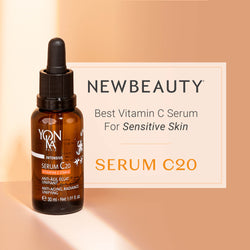
Ingredients like Ascorbyl Tetraisopalmitate are oil-soluble derivatives of Vitamin C. Because they are oil-soluble, they integrate more seamlessly with the skin’s natural lipids, providing the brightening benefits without the harsh, acidic bite of pure L-ascorbic acid. This is why products like our Serum C20 are so effective; they use a 20% concentration of stable Vitamin C that remains potent and gentle.
Phyto-Aromatic Synergy
In our French laboratories, we believe that plants offer the most sophisticated solutions for skin health. We often pair Vitamin C with botanical extracts like pomegranate or apricot kernel oil. These ingredients provide secondary antioxidants and essential fatty acids that buffer the skin, ensuring that as the Vitamin C works to brighten, the botanical oils work to nourish.
The Yon-Ka Ritual for Radiant, Hydrated Skin
If you find that Vitamin C cleansers are drying you out, we recommend shifting your approach. Rather than relying on a cleanser for your Vitamin C intake, use a dedicated ritual designed to protect the barrier while delivering active ingredients.
Step 1: Gentle Cleansing
Swap your foaming Vitamin C wash for a creamy, barrier-respecting cleanser. Lait Nettoyant is our signature cleansing milk. It effectively removes makeup and impurities while maintaining the skin's natural pH. Because it is enriched with gentle cleansing agents and a touch of the Quintessence, it leaves the skin feeling silky and hydrated rather than stripped.
Step 2: The Phyto-Aromatic Mist
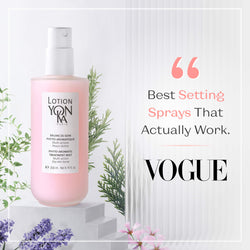
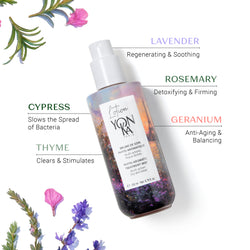
After cleansing, mist the skin with Lotion Yon-Ka PS. This is a critical step in the French ritual. Our alcohol-free mist—available in a PS version specifically for dry skin—features our signature Quintessence (lavender, geranium, rosemary, cypress, and thyme). It rebalances the skin and prepares it to better absorb the active ingredients in your serum.
Step 3: Targeted Treatment
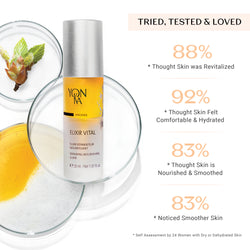
This is where Vitamin C belongs. Instead of washing it away, apply a stabilized serum from our Serums & Elixirs collection. By applying Vitamin C as a "leave-on" treatment, you allow the skin to fully utilize the antioxidant benefits throughout the day. Because our formula is a "dry oil" texture, it provides a comfortable, luminous finish without the irritation often found in acidic water-based serums.
Step 4: Intensive Hydration
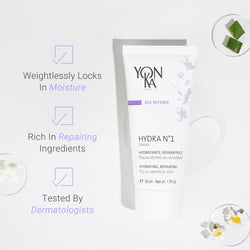
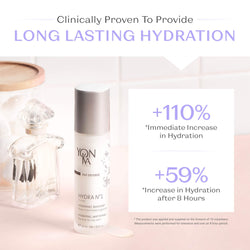
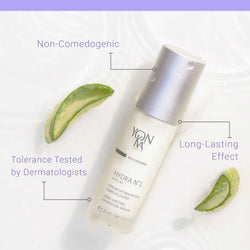
Follow your serum with a high-performance moisturizer to lock in hydration. For those struggling with dryness, Hydra N°1 Creme is an exceptional choice. It utilizes two weights of hyaluronic acid and aloe vera to provide multi-level hydration, ensuring that the skin remains plump and the barrier stays intact.
Step 5: Sun Protection
Vitamin C and SPF are the ultimate power couple. While Vitamin C neutralizes free radicals, sunscreen blocks UV rays. Together, they prevent the photodamage that leads to dryness and premature aging.
| Feature | Vitamin C Face Wash | Gentler Yon-Ka Ritual |
|---|---|---|
| Contact Time | 30–60 seconds (rinsed off) | All-day (leave-on serum) |
| Barrier Impact | Often strips lipids due to low pH | Respects lipids with Lait Nettoyant |
| Hydration Level | Can lead to TEWL and tightness | Increases moisture with Hydra n°1 |
| Glow Factor | Temporary surface brightening | Long-term, deep luminosity |
Common Myths About Vitamin C and Dryness
Myth: "A higher percentage of Vitamin C is always better for a glow." Fact: A higher concentration of an unstable, acidic formula can lead to irritation and dryness. A lower concentration of a stabilized, well-formulated derivative is often more effective and much kinder to the skin.
Myth: "You should only use Vitamin C at night if your skin is dry." Fact: Vitamin C is actually most beneficial when used during the day because it helps your skin defend itself against environmental stressors like pollution and UV light. The key is simply to follow it with a quality moisturizer. For more on that routine, read How Vitamin C Can Help Your Skin.
Myth: "Vitamin C exfoliates the skin, which is why it feels dry." Fact: Vitamin C is an antioxidant, not a chemical exfoliant like Glycolic or Salicylic Acid. While some low-pH formulas might have a mild exfoliating effect, Vitamin C's primary job is protection and repair. If you are peeling, it is likely irritation, not healthy exfoliation.
Essential Oil Safety and Sensorial Experience
When you use products enriched with the Yon-Ka Quintessence, you are experiencing the heritage of phyto-aromatic therapy. These essential oils provide both skin-strengthening benefits and a sensorial experience that calms the mind (aromachology). For a closer look at the brand’s formulation standards, explore our formulas.
However, we always advocate for "slow skincare." When introducing a potent active like the Vitamin C in Serum C20 or a new botanical blend, we recommend a simple patch test. Apply a small amount to your inner forearm and wait 24 hours. Introducing one new product at a time allows you to monitor exactly how your skin responds. While a slight, brief tingling can be normal with active essential oils and Vitamin C, persistent redness or heat means you should reduce the frequency of use or consult a professional.
Professional Guidance for the Best Results
Skincare is never one-size-fits-all. If you are unsure why your skin is reacting with dryness, the best path forward is to consult a professional. Skincare professionals worldwide trust Yon-Ka for our expertise in balancing active botanicals with clinical results.
A professional aesthetician can analyze your skin’s lipid levels and recommend the exact combination of boosters and creams to restore your glow. You can find a local partner using our Spa Locator to experience a customized phyto-aromatic treatment that goes deeper than home care ever could.
Conclusion
While the allure of a Vitamin C face wash is understandable, it is often the culprit behind unexpected dryness and barrier disruption. By understanding that Vitamin C is best delivered in a stabilized, leave-on format—and that cleansing should always be a gentle, restorative act—you can achieve the radiance you desire without the discomfort of parched skin.
At Yon-Ka Paris, our 70-year legacy is built on the belief that skincare is a ritual worth savoring. It is about the harmony of science and nature, working together to support your skin's natural resilience. Whether you are browsing our anti-aging collection or looking for the perfect hydration hero, our goal is to help you create a ritual that feels as good as it looks.
To find the perfect products for your specific needs, we invite you to take our Yon-Ka Skin Quiz. Every qualifying order includes free US shipping, making it easier than ever to begin your journey toward healthier, more luminous skin.
Bottom line: Radiant skin starts with a healthy barrier. Skip the harsh Vitamin C washes and embrace a layered, phyto-aromatic ritual that treats your skin with the respect it deserves.
FAQ
Can I use Vitamin C if I have very dry skin?
Yes, you can and should use Vitamin C even if you have dry skin, as it helps support the skin barrier and collagen production. The key is to avoid acidic face washes and instead use an oil-soluble, stabilized Vitamin C serum like Serum Omega, followed immediately by a rich moisturizer like Hydra n°1 Crème.
Why does my face feel tight after using a Vitamin C cleanser?
That tight feeling is usually a sign that the cleanser's pH is too low or its surfactants are too harsh, causing the natural oils in your skin barrier to be stripped away. This leads to transepidermal water loss, leaving the skin feeling parched and "pulled" rather than hydrated. If you want a gentler starting point, browse the Face Cleansers & Makeup Removers collection.
Should I stop using Vitamin C if my skin is flaking?
If your skin is flaking, you should temporarily pause the use of the specific product causing the irritation. Once the skin has healed—aided by soothing products like Serum Omega—you can reintroduce a gentler, more stable form of Vitamin C and ensure you are properly moisturizing afterward. A good next step is to revisit the dry & dehydrated skin collection.
What is the best way to prevent dryness when using Vitamin C?
The most effective way to prevent dryness is to follow the Yon-Ka ritual: cleanse with a gentle milk like Lait Nettoyant, mist with an alcohol-free toner, apply your Vitamin C serum, and "seal" everything in with a hydrating cream. This layering technique ensures the active ingredient is delivered while the moisture barrier remains protected. If you are not sure where to begin, try the Product Matcher.
Piel seca y deshidratada