Table of Contents
- Introduction
- Understanding the Difference Between Dry and Dehydrated Skin
- How Face Oils Support Dry Skin
- The Role of Phyto-Aromatics and the Quintessence
- Key Botanical Ingredients to Look For
- Integrating Face Oils into the Yon-Ka Ritual
- Application Techniques for a Radiant Glow
- Seasonal Adjustments for Dry Skin
- Safety and Best Practices with Essential Oils
- The Professional Spa Connection
- Myth vs. Fact: Face Oils
- Why Quality and Sourcing Matter
- Conclusion
- FAQ
Introduction
Waking up to the feeling of tight, parched skin is more than a minor inconvenience; it is a signal from your complexion that it lacks the essential lipids needed to remain supple and resilient. If you have ever applied a moisturizer only to feel dry again an hour later, you are likely missing a vital component of skin health: oil. At Yon-Ka Paris, we have spent seven decades perfecting our phyto-aromatic formulation philosophy, blending the finest botanical oils with pharmaceutical rigor to address these exact concerns. This article explores why face oils are not just good for dry skin—they are often the missing link in a truly effective ritual. We will cover the difference between dryness and dehydration, the specific botanical ingredients that support the skin barrier, and how to layer products for the most luminous appearance.
Quick Answer: Yes, face oils are excellent for dry skin because they replenish the lipids (oils) that this skin type naturally lacks. By acting as emollients and occlusives, they smooth the skin's surface and lock in moisture to prevent dryness and discomfort.
Understanding the Difference Between Dry and Dehydrated Skin
Before deciding if an oil is right for you, it is essential to identify what your skin is actually craving. In the world of professional skincare, we make a clear distinction between a skin type and a skin condition.
Dry Skin: A Lack of Oil
Dry skin is a skin type characterized by a chronic underproduction of sebum, or natural oil. Because the skin lacks these fatty substances, the moisture barrier is often compromised. This leads to a rough texture, visible flaking, and a persistent feeling of tightness. If your skin feels dry year-round and rarely breaks out or shows signs of shine, your skin type is likely dry.
Dehydrated Skin: A Lack of Water
Dehydrated skin is a temporary condition that can affect any skin type—even oily ones. It occurs when the skin lacks water in its uppermost layers. This can be caused by environmental factors like air conditioning, hard water, or a lack of humidity. Dehydrated skin often looks dull and may show fine "crepe-like" lines when pinched, but it can still produce plenty of oil.
Why the Distinction Matters
If you have dehydrated skin, you primarily need humectants—ingredients like hyaluronic acid that draw water into the skin. However, if you have dry skin, humectants alone are not enough. Without a healthy layer of lipids to seal that water in, it will simply evaporate into the air through a process called transepidermal water loss (TEWL). This is where high-quality face oils become indispensable.
How Face Oils Support Dry Skin
Face oils perform two primary functions that are essential for someone struggling with a dry complexion: they act as emollients and as occlusives.
Emollients are ingredients that sink into the gaps between skin cells. Think of your skin cells as bricks and the lipids as the mortar. When the mortar is missing, the surface becomes jagged and rough. Oils fill these spaces, smoothing the appearance of the skin and making it feel soft and flexible.
Occlusives create a breathable protective film over the surface of the skin. This film acts as a shield, preventing water from escaping into the environment. By using a botanical oil, you are essentially reinforcing your skin’s natural defense system, allowing the deeper layers to remain hydrated for longer periods.
Key Takeaway: Face oils are essential for dry skin because they provide the lipids necessary to "glue" skin cells together and create a protective seal that prevents moisture evaporation.
The Role of Phyto-Aromatics and the Quintessence
Our approach to treating dry skin at Yon-Ka goes beyond simple lubrication. We utilize the power of phyto-aromatics—the fusion of plant extracts and essential oils—to support the skin's natural functions while providing a sensorial experience that calms the mind.
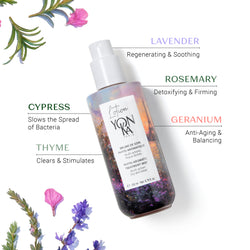
At the heart of nearly all our formulations is the Yon-Ka Quintessence. This exclusive complex combines five therapeutic essential oils: lavender, geranium, rosemary, cypress, and thyme. This 100% natural and active blend does more than just smell beautiful; it helps to stabilize the formula and provides revitalizing benefits to the skin's appearance. For those with dry skin, the Quintessence helps to "wake up" the complexion, making it look more vibrant and less fatigued.
Key Botanical Ingredients to Look For
Not all oils are created equal. When selecting a face oil for dry skin, it is important to look for cold-pressed botanical oils that are rich in essential fatty acids and antioxidants.
Omega Fatty Acids (3, 6, and 9)
These are the building blocks of healthy skin. Omega-3 and Omega-6 are "essential," meaning the body cannot produce them on its own; they must be applied topically or ingested. Ingredients like sacha inchi oil and pomegranate oil are exceptionally high in these nutrients. They help to support the appearance of firmness and elasticity while deeply nourishing the skin.
Squalane
While the body produces its own version (squalene), production drops significantly as we age. Squalane is a hydrogenated, stable version often derived from olives. It mimics the skin's natural sebum, making it incredibly well-tolerated and effective at preventing moisture loss without feeling heavy or "greasy."
Vitamin E and Antioxidants
Dry skin is often more vulnerable to environmental damage because its barrier is weak. Antioxidants like Vitamin E (tocopherol) and pomegranate oil help to defend the skin against oxidative stress caused by pollution and UV exposure, which can otherwise lead to premature signs of aging.
Integrating Face Oils into the Yon-Ka Ritual
To get the most out of a face oil, it should not be used in isolation. We believe in a consistent, layered approach that respects the skin’s physiology.
Step 1: Gentle Cleansing
For dry skin, the goal is to remove impurities without stripping away what little oil the skin already has. A creamy, non-foaming cleanser like Lait Nettoyant is ideal. This cleansing milk maintains the skin’s pH and leaves the surface feeling conditioned rather than "squeaky clean."
Step 2: Prepare with a Phyto-Aromatic Mist
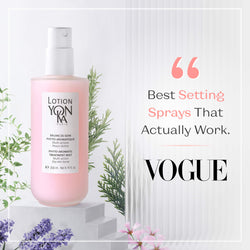
Applying oil to bone-dry skin is a common mistake. Oil and water do not mix, but oil "traps" water. After cleansing, mist the face generously with Lotion Yon-Ka PS. This alcohol-free mist, enriched with our signature Quintessence, saturates the skin with hydration and ensures that the subsequent oil or serum is absorbed more effectively.
Step 3: Targeted Treatment with Face Oils
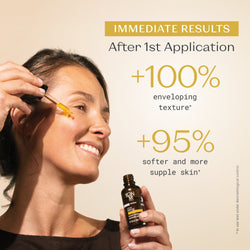
This is where you introduce your oil-based products. For intense dryness, we recommend a lipid-restoring product like Serum Omega. This oil-in-serum formula is specifically designed for skin that feels fragile, thin, or parched. It utilizes sacha inchi and pomegranate oil to provide a concentrated dose of Omegas 3, 6, and 9.
If your skin needs an extra boost of vitamins, Nutri + Booster is an excellent addition. This cold-pressed oil can be used on its own or mixed into your moisturizer to enhance its nourishing properties.
Step 4: Moisturize and Seal
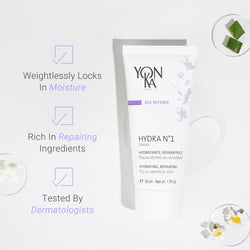
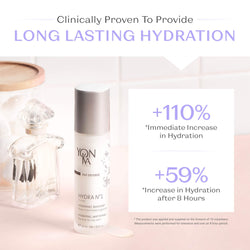
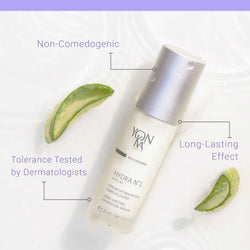
Finish with a cream that provides both water and oil. For the ultimate dry skin solution, Hydra n°1 Crème offers long-lasting hydration and a rich, comforting texture. By layering a cream over your oil, you ensure that the active botanical ingredients are locked in and can work their magic throughout the day or night.
Application Techniques for a Radiant Glow
How you apply your face oil can significantly impact its efficacy. We recommend the "Press and Glow" method used in professional spa treatments.
- Dispense 2–3 drops of oil or booster into the palm of your hand.
- Rub your hands together to warm the oil; this helps it penetrate more easily.
- Inhale the aromatic scent of the essential oils to enjoy the aromachological benefits.
- Gently press your palms onto your cheeks, forehead, chin, and neck.
- Do not rub vigorously; instead, use firm, rhythmic pressing motions to encourage absorption.
The "Cocktailing" Method
If you are new to face oils or prefer a lighter feel, try mixing a few drops of Nutri + Booster or Serum Omega directly into your daily moisturizer. This creates a customized emulsion that delivers the benefits of the oil with the familiar feel of a cream.
Seasonal Adjustments for Dry Skin
Dry skin needs change with the calendar. During the summer, you might find that a few drops of oil mixed into a lighter moisturizer like Vital Defense is sufficient.
During the winter, the combination of indoor heating and frigid outdoor air can be brutal. During these colder months, the skin's barrier is under constant assault. This is the time to be more generous with your oil application.
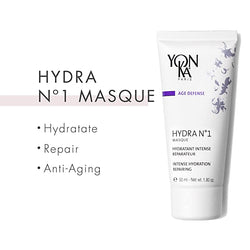
You might even consider using an oil-based mask, such as Hydra n°1 Masque, twice a week to provide an intensive "bath" of moisture for the skin.
Safety and Best Practices with Essential Oils
Because Yon-Ka products are rich in active botanical extracts and essential oils, it is always wise to follow sensible skincare practices.
- Patch Test First: When introducing a new product like Serum Omega, apply a small amount to your inner forearm and wait 24 hours to ensure your skin welcomes the ingredients.
- One at a Time: Introduce one new active product into your ritual at a time so you can accurately monitor how your skin responds.
- A Sensation of Activity: A slight, brief tingling can sometimes occur with essential oils as they stimulate the skin. This is usually normal. However, if you experience persistent redness, itching, or irritation, reduce the frequency of use or discontinue the product.
- Seek Professional Advice: If you have a history of severe skin sensitivities or medical conditions like rosacea or eczema, consult with a dermatologist or a physician before starting a new botanical regimen.
The Professional Spa Connection
While home care is the foundation of skin health, there is no substitute for the expertise of a professional aesthetician. Our heritage is rooted in the treatment room, and our professional-grade oils are used in Yon-Ka spa treatments worldwide to perform deep-tissue massage and intensive nourishment treatments.
If your dry skin feels particularly stubborn, we encourage you to use our Spa Locator to find a Yon-Ka partner near you. A professional treatment like the "Grand Classique" or a dedicated hydration facial can provide immediate, visible results that you can then maintain with your home ritual.
Myth vs. Fact: Face Oils
Myth: Face oils will clog my pores and cause breakouts. Fact: Most high-quality botanical oils, especially squalane and jojoba, are non-comedogenic, meaning they do not clog pores. In fact, providing dry skin with the oil it lacks can prevent it from over-compensating with thick, sticky sebum that does cause congestion.
Myth: Oils are only for use at night. Fact: While many people prefer the ritual of a richer oil at night, many lightweight oils (like those found in our boosters) work beautifully during the day to protect the skin from environmental stress and provide a luminous base for makeup.
Why Quality and Sourcing Matter
The efficacy of a face oil depends entirely on its quality. At our facility near Paris, we adhere to strict ISO 22716 standards to ensure every bottle meets our high expectations for purity and potency. We prioritize certified organic ingredients and avoid common irritants like parabens, phthalates, and SLS.
Mass-produced oils often use high-heat extraction methods that destroy the delicate antioxidants and fatty acids the skin needs. We favor cold-pressed oils and sustainable sourcing to ensure that the vital energy of the plant remains intact when it reaches your skin.
Bottom line: Face oils are a powerful tool for dry skin, providing the essential lipids and protective barrier needed to transform a rough, tight complexion into one that looks and feels supple and radiant.
Conclusion
Are face oils good for dry skin? The answer is a resounding yes. By mimicking the skin's natural sebum and providing a protective shield against moisture loss, botanical oils are an essential component of a healthy skincare ritual. Whether you choose to use a targeted treatment like Serum Omega or add a vitamin-rich boost with Nutri + Booster, the key is consistency and proper layering.
- Differentiate between dryness (lack of oil) and dehydration (lack of water).
- Always apply oils to damp skin or mix them with a moisturizer.
- Look for high-quality, cold-pressed botanical ingredients.
- Incorporate the ritual of "Press and Glow" for better absorption.
If you want a product-specific starting point, our 6 best Yon-Ka products for dry & dehydrated skin guide is a helpful next step.
At Yon-Ka Paris, we believe that skincare should be a moment of well-being—a ritual that honors both the science of the skin and the spirit of the individual. For over 70 years, we have remained committed to this phyto-aromatic vision, ensuring that every drop of our oil-based formulas delivers the best that nature has to offer.
If you are unsure which oil or moisturizer is right for your specific needs, we invite you to take our Skin Diagnosis quiz on our website.
FAQ
Should I apply face oil before or after my moisturizer?
In a standard ritual, face oil should be applied after your water-based serums and either mixed with or applied after your moisturizer. Because oil is an occlusive, it acts as a "seal" that helps lock in the hydrating ingredients from the products you applied previously.
Can I use face oil every day if my skin is very dry?
Yes, those with dry skin can typically benefit from using face oil both morning and night. During the day, it protects against environmental moisture loss, and at night, it supports the skin’s natural repair process. Always listen to your skin and adjust the number of drops based on how your complexion feels.
Will face oils make my makeup slide off?
If applied correctly, face oils can actually act as an excellent primer by smoothing out dry patches. The key is to use only 1–2 drops, press it firmly into the skin, and allow it a few minutes to fully absorb before applying your foundation or SPF.
Is sacha inchi oil better for dry skin than other oils?
Sacha inchi is particularly beneficial for dry skin because it is one of the richest botanical sources of Omega-3 fatty acids. These lipids are essential for maintaining the integrity of the skin barrier, making it a standout ingredient in formulas like Serum Omega for those seeking intensive nourishment.
Piel seca y deshidratada