Table of Contents
- Introduction
- Why Face Masks are Essential for Dry Skin
- How Face Masks Benefit Dry vs. Dehydrated Skin
- Key Ingredients to Look For in a Mask for Dry Skin
- Selecting the Best Type of Mask for Dryness
- Integrating Masks into Your Yon-Ka Ritual
- Seasonal Adjustments for Dry Skin Masking
- Professional Tips for At-Home Masking
- Safety and Sensitivity with Essential Oils
- Conclusion
- FAQ
Introduction
If your skin frequently feels tight, rough, or shows visible flaking, you are likely familiar with the persistent discomfort of dry skin. While a daily moisturizer is a non-negotiable foundation, there are times when your complexion requires a more intensive intervention to restore its suppleness and glow. At Yon-Ka Paris, we believe that incorporating a targeted face mask is one of the most effective ways to address these concerns. Unlike standard creams, face masks provide a concentrated dose of active botanical ingredients and a period of focused occlusion that helps nutrients penetrate more deeply. This article explores the science behind masking, the critical ingredients your dry skin needs, and how to select the right formulas for a truly transformative result. Face masks are not just a luxury; they are a vital tool for repairing the moisture barrier and achieving lasting comfort.
Quick Answer: Yes, face masks are highly beneficial for dry skin because they provide a concentrated delivery system for humectants and emollients while preventing moisture evaporation. By creating a temporary physical barrier, they allow hydrating ingredients to absorb deeply, helping to repair the skin's moisture barrier and alleviate tightness.
Why Face Masks are Essential for Dry Skin
The primary challenge of dry skin is a lack of sufficient lipids (oils) and water in the stratum corneum, the outermost layer of the skin. When this layer is depleted, the skin’s natural barrier becomes compromised, leading to increased sensitivity and a dull appearance. While a daily moisturizer provides a protective film, a face mask acts as a "booster" treatment.
The Power of Occlusion The secret to the efficacy of a face mask lies in its ability to provide occlusion. When you apply a thick layer of a cream or gel mask, you are creating a temporary physical barrier over the skin. This prevents transepidermal water loss (TEWL)—the process where water evaporates from the skin into the surrounding air. By "locking" the ingredients against the skin for 10 to 20 minutes, the mask forces the skin to absorb the moisture and active botanicals more efficiently than a product that is simply rubbed in and left to dry.
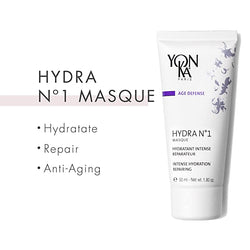
Repairing the Moisture Barrier Dry skin is often characterized by microscopic "cracks" in the skin barrier. A well-formulated mask, such as our Hydra n°1 Masque, works to fill these gaps with repairing ingredients like jojoba oil and vitamin A. This helps to smooth the skin's surface and reinforces the lipid mantle, making the skin more resilient against environmental aggressors like wind, cold, and indoor heating.
How Face Masks Benefit Dry vs. Dehydrated Skin
It is common to use the terms "dry" and "dehydrated" interchangeably, but in the world of professional skincare, they represent two different physiological states. Understanding which one you are dealing with will help you choose the most effective face mask.
Addressing Dry Skin (Lack of Oil)
Dry skin is a skin type characterized by a lack of sebum (oil) production. Without enough oil to lubricate the skin and hold skin cells together, the complexion becomes flaky and loses its elasticity. For this concern, you need masks rich in plant-derived oils and butters that mimic the skin’s natural sebum. These "lipid-restoring" masks provide the nourishment required to soften the skin and prevent it from feeling brittle.
Addressing Dehydrated Skin (Lack of Water)
Dehydration is a skin condition that can affect any skin type, including oily skin. It occurs when the skin lacks water content. Dehydrated skin often looks dull and shows fine "crepe-like" lines. Masks designed for dehydration focus on humectants—water-binding ingredients that pull moisture from the air or deeper layers of the skin into the surface cells.
Key Takeaway: Dry skin needs lipids and oils to repair its barrier, while dehydrated skin needs water-binding humectants to restore its "plump" appearance; many high-quality masks address both simultaneously for a complete recovery.
Key Ingredients to Look For in a Mask for Dry Skin
When reading an ingredient label, the focus should be on substances that either attract water, soften the skin, or prevent moisture loss. At Yon-Ka, we prioritize ingredients of natural origin that work in harmony with the skin's biology.
Humectants: Drawing Moisture In
Humectants are like tiny magnets for moisture. Hyaluronic acid is the most well-known humectant, capable of holding up to 1,000 times its weight in water. When applied in a mask, it helps to immediately plump the appearance of the skin and smooth out fine lines. Other effective humectants include vegetable glycerin, aloe vera, and sodium PCA. These ingredients are essential for providing that initial "burst" of hydration that makes the skin feel refreshed.
Emollients: Smoothing and Softening
Emollients are fats and oils that fill the spaces between skin cells, creating a smooth and soft surface. For dry skin, look for plant-based emollients like shea butter, jojoba oil, and almond oil. These ingredients are biocompatible, meaning they are easily recognized and utilized by the skin. They help to eliminate the rough texture associated with dryness and provide a lasting sense of comfort.
The Role of Vitamins and Antioxidants
Dry skin is often more vulnerable to oxidative stress. Ingredients like Vitamin E (tocopherol) and Vitamin B5 (panthenol) are excellent additions to a dry skin mask. Vitamin E provides antioxidant protection, while Vitamin B5 is known for its soothing and repairing properties.
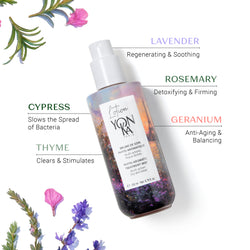
In many of our formulations, we include our signature Quintessence. This exclusive complex of five essential oils—lavender, geranium, rosemary, cypress, and thyme—not only provides a serene, phyto-aromatic experience but also supports the skin's natural healing processes and provides a revitalizing effect that synthetic formulas cannot replicate. To learn more about the philosophy behind this approach, see our ingredients.
Selecting the Best Type of Mask for Dryness
The format of the mask determines how it interacts with your skin and how much moisture it can deliver. For those with dry or dehydrated skin, some formats are significantly better than others.
Cream Masks
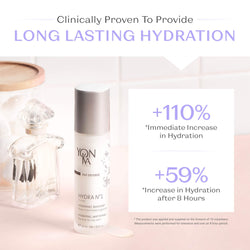
Cream masks are generally the best choice for dry skin types. They have a rich, emollient base that feels like a heavy-duty moisturizer. They are designed to be applied in a thick layer and either rinsed off or tissued away after a set time. Because they are oil-based, they provide the lipids that dry skin desperately craves. Our Hydra n°1 Masque is a prime example of this category, utilizing aloe vera and vegetable glycerin to provide intense, long-lasting hydration.
Gel Masks
Gel masks are often cooling and lightweight, making them excellent for dehydrated or sensitive skin that may also feel "hot" or irritated. They are typically water-based and packed with humectants. These are ideal for a quick "pick-me-up" or for use in humid climates where a heavy cream might feel too occlusive.
Overnight (Sleeping) Masks
Overnight masks are designed to be the final step in your evening ritual. They are formulated to be absorbed gradually throughout the night, coinciding with the skin's natural repair cycle. Since the skin’s permeability increases while we sleep, an overnight mask like the Glyconight 10% Masque can work wonders. While it contains glycolic acid for gentle resurfacing, it is balanced with ingredients that ensure the skin remains hydrated and calm, making it a powerful tool for those dealing with both dryness and dullness.
Why You Should Avoid Traditional Clay Masks
While clay and charcoal masks are fantastic for oily and blemish-prone skin, they can be counterproductive for dry skin. Clay's primary function is to absorb excess oil and impurities. If your skin is already struggling to produce enough oil, a clay mask may leave your face feeling even tighter and more depleted. If you have combination skin, only apply clay masks to the oily "T-zone" and keep your hydrating cream masks for the cheeks.
Integrating Masks into Your Yon-Ka Ritual
To get the most out of a face mask, it should not be treated as a standalone "hack" but rather as a deliberate step within a consistent ritual. Proper preparation ensures that the mask's active ingredients are not blocked by dead skin cells or debris.
Step 1: Gentle Cleansing
Always start with a clean canvas. For dry skin, we recommend a non-stripping cleanser like Lait Nettoyant. This cleansing milk gently removes makeup and impurities while respecting the skin's delicate lipid barrier. Using hot water can further dry out the skin, so always use lukewarm water when rinsing.
Step 2: The Importance of Toning
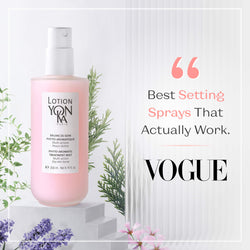
Before applying your mask, mist the skin with a phyto-aromatic toner like Lotion Yon-Ka PS. This is a critical step in our ritual. Not only does it provide an immediate sense of well-being, but it also hydrates the upper layers of the skin, acting as a "conduit" that helps the mask's ingredients travel deeper into the epidermis.
Step 3: Targeted Application
Apply an even layer of your chosen mask to the face and neck. For dry skin, don't be afraid to apply a generous amount. Leave the mask on for the recommended time—usually 10 to 15 minutes.
Step 1: Cleanse with a gentle milk to preserve natural oils. / Step 2: Mist with a phyto-aromatic toner to dampen the skin. / Step 3: Apply the mask in a thick layer and relax for 15 minutes. / Step 4: Tissue off or rinse, then immediately seal with a moisturizer.
Step 4: The Finishing Touch
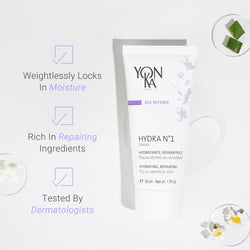
After removing the mask, your skin is at its most receptive. This is the perfect time to apply a targeted serum or a rich moisturizer like Hydra n°1 Crème. This final step "seals in" the benefits of the mask and ensures that the hydration you just gained doesn't evaporate.
Seasonal Adjustments for Dry Skin Masking
Dry skin often changes its needs based on the environment. Adjusting your masking frequency and formula with the seasons is a professional-level tip that yields better results.
Winter Protection During the colder months, the combination of biting winds and dry indoor heat can be devastating for the skin barrier. You may find that you need to use a hydrating mask 2 to 3 times a week. This is also the time to lean into heavier, cream-based formulas that provide an extra layer of lipid protection.
Summer Recovery In the summer, sun exposure and air conditioning can lead to dehydration. A gel-based or lightweight cream mask used once a week can help replenish water lost to the heat. If you’ve spent a day at the beach, a cooling mask can also help to soothe the appearance of redness and prevent post-sun peeling.
Professional Tips for At-Home Masking
Drawing from our heritage in professional spas, there are several ways you can elevate your at-home masking experience to achieve professional-level results.
Multi-Masking Rarely is the skin the same across the entire face. If you have a dry forehead and cheeks but an oily chin, use different masks simultaneously. Apply a hydrating mask to the dry areas and a purifying mask only where needed. This ensures every part of your face receives exactly what it requires.
The "Damp Skin" Rule Never apply a hydrating mask to bone-dry skin. Humectants like hyaluronic acid need water to bind to. By applying your mask while your skin is still slightly damp from your toner, you provide the humectants with a source of moisture to "grab" onto, significantly increasing the plumping effect.
Exfoliate First If you have a layer of dead, flaky skin cells sitting on the surface, your mask won't be able to penetrate effectively. Using a gentle, grain-free exfoliator like Gommage Yon-Ka once or twice a week before masking will clear away the "debris" and allow the mask to work on the fresh skin underneath.
Safety and Sensitivity with Essential Oils
Because Yon-Ka products are powered by botanical extracts and essential oils, we always advocate for a mindful approach to new skincare. Essential oils are potent, active ingredients that offer incredible benefits for the appearance and health of the skin, but they should be introduced with care.
If you have highly reactive or sensitive skin, we recommend performing a simple patch test before your first full masking session. Apply a small amount of the product to your inner forearm and wait 24 hours to ensure no redness or irritation occurs. When introducing a new treatment mask, it is best to do so once a week at first, gradually increasing frequency as your skin becomes accustomed to the active botanical ingredients. While a slight, temporary tingling can be a normal sign of the essential oils "working," any persistent discomfort or redness means you should rinse the product off and consult your dermatologist.
Conclusion
Are face masks good for dry skin? The answer is a resounding yes. By providing deep hydration, repairing the moisture barrier, and offering a sensorial escape through aromatherapy, the right face mask can transform a dull, tight complexion into one that is radiant and supple. Whether you choose the intense moisture of a cream mask or the restorative power of an overnight treatment, consistency is the key to lasting results.
At Yon-Ka Paris, our 70-year history is rooted in the belief that skincare is a ritual to be savored, not a chore to be rushed. Our formulas bridge the gap between rigorous pharmaceutical standards and the profound healing power of nature. If you are unsure which mask is right for your specific needs, we invite you to take our Skin Diagnosis quiz or use the Spa Locator on our website to find a professional phyto-aromatic treatment from one of the thousands of skincare experts who trust our brand worldwide.
"True beauty is found in the balance between science and nature, achieved through the daily dedication to one's own well-being."
To begin your journey toward more hydrated skin, explore our Age Defense or Intensive collections today and discover the difference that professional-grade botanical care can make.
FAQ
How often should I use a face mask if I have dry skin?
For most dry skin types, using a hydrating mask 2 to 3 times a week is ideal. During periods of extreme weather or travel, you may even benefit from using a gentle cream mask every other day to maintain the skin barrier's integrity and prevent discomfort.
Should I wash my face after using a hydrating mask?
It depends on the specific product's instructions. Some cream masks, like our Hydra n°1 Masque, can be tissued off or massaged in rather than rinsed, allowing the beneficial oils to remain on the skin. However, if the mask feels too heavy or if the instructions specify rinsing, use lukewarm water and follow immediately with a moisturizer.
Can I leave a hydrating mask on overnight?
Many hydrating cream masks can safely be used as an overnight treatment if applied in a thinner layer. This allows for prolonged absorption during the skin's nocturnal repair phase. Always check the specific product recommendations, as some masks containing active exfoliants may not be suitable for extended wear.
Will a face mask fix my dry skin permanently?
Skincare is an ongoing process, and while a face mask provides immediate relief and visible improvements, long-term results require a consistent ritual. A mask works best when supported by a gentle cleanser, a hydrating toner, and a daily moisturizer that protects the skin from environmental moisture loss.
Piel seca y deshidratada