Introduction
Waking up to find new, fine lines etched beneath your eyes can be a startling moment. You might catch a glimpse of yourself in the morning light and wonder exactly when these changes began to take root. Because the skin around the eyes is exceptionally delicate, it is often the very first area to signal that our skin needs more intensive care. At Yon-Ka Paris, we believe that understanding the "why" behind these changes is the first step toward restoring a vibrant, youthful appearance. This article explores the physiological and environmental reasons for under-eye lines, from the unique anatomy of the eye contour to the impact of daily habits. We will also provide a professional road map for addressing these concerns through our signature phyto-aromatic rituals. Understanding why there is wrinkles under your eyes allows you to transition from reactive fixes to a proactive, botanical-based restoration program.
The Unique Anatomy of the Eye Contour
To understand why wrinkles appear so early in this specific area, we must first look at the biology of the eye contour. The skin surrounding your eyes is the thinnest on your entire body. While the skin on your forehead or cheeks is relatively robust, the skin under your eyes can be as thin as 0.2mm—roughly the thickness of three sheets of paper.
This extreme thinness means there is very little "padding" in the form of subcutaneous fat. Furthermore, the eye area contains fewer sebaceous (oil) glands compared to the rest of the face. Oil glands produce sebum, our skin’s natural moisturizer, which helps maintain the barrier and keep the surface supple. Without this natural lubrication, the eye area is prone to chronic dryness, making it significantly more susceptible to the crinkling effect of fine lines.
The structure of the eye is also unique because of its constant activity. The orbicularis oculi, the circular muscle that controls blinking and squinting, is one of the most active muscles in the body. We blink upwards of 15,000 times a day, and every one of those movements pulls on that paper-thin skin. Over time, these repetitive mechanical stresses cause the structural proteins—collagen and elastin—to break down, leading to the visible creases we recognize as wrinkles.
Primary Causes: Why Is There Wrinkles Under My Eyes?
If you are noticing a sudden or gradual increase in lines, it is usually the result of a combination of internal and external factors. Identifying these triggers helps in selecting the right botanical treatments.
The Breakdown of Collagen and Elastin
Collagen provides our skin with its firm structure, while elastin allows it to "snap back" after we smile or squint. As we age, the body’s natural production of these proteins slows down. This process typically begins in our mid-20s. In the eye area, where there is already very little structural support, even a slight decrease in collagen can lead to a visible loss of firmness and the appearance of "crepey" skin.
Ultraviolet (UV) Exposure and Photo-Aging
Sun damage is responsible for an estimated 90% of visible skin aging. UVA rays, which are present even on cloudy days and can penetrate through window glass, reach deep into the dermis. These rays generate free radicals—unstable molecules that attack healthy cells and accelerate the degradation of collagen fibers. Since we rarely apply heavy sunscreen directly to the lash line, the under-eye area often bears the brunt of this environmental aggression.
Dehydration and Transepidermal Water Loss
Often, what we perceive as permanent wrinkles are actually "dehydration lines." When the skin lacks water, it loses its volume and begins to look like fine tissue paper. This is known as transepidermal water loss (TEWL). In the United States, environmental factors like indoor heating in the winter or air conditioning in the summer can strip the air of moisture, causing the delicate eye area to dry out rapidly and making lines appear much deeper than they actually are.
Lifestyle Factors
Daily habits play a significant role in the health of our skin. Sleep deprivation, for instance, prevents the skin from entering its nocturnal repair phase. High-stress levels increase cortisol, which can further break down collagen. Additionally, diet and hydration levels impact the "plumpness" of the skin. If you are not drinking enough water or are consuming excess salt, the under-eye area can fluctuate between puffiness and sunkenness, both of which stretch and weaken the skin over time.
Understanding the Different Types of Wrinkles
Not all lines are created equal. In professional skincare, we categorize eye wrinkles into three main types to better target our treatment approach.
Dynamic Wrinkles
These lines appear only when you are making a facial expression. When you laugh, smile, or squint, the muscles contract and pull the skin into folds. In young skin, these lines disappear as soon as the face relaxes. These are often the "first responders" of aging and are most visible at the outer corners of the eyes, commonly referred to as crow's feet.
Static Wrinkles
Over time, as collagen levels drop and the skin loses its elasticity, dynamic lines begin to linger even when your face is at rest. These are called static wrinkles. They are "etched" into the skin and require deeper nourishment and firming actives to help smooth their appearance.
Wrinkle Folds
These are deeper grooves that usually occur due to a loss of volume in the cheeks or a sagging of the facial structure. As the fat pads in our face shift or diminish with age, the skin can "fold" over itself, creating more pronounced creases under the eyes or between the nose and mouth.
Key Takeaway: Eye wrinkles are a "perfect storm" of thin skin, constant movement, and environmental damage. Addressing them requires a specialized approach that focuses on both hydration and structural support.
The Yon-Ka Phyto-Aromatic Approach to Eye Care
At Yon-Ka, we do not believe in "quick fixes" that merely sit on the surface of the skin. Our approach is rooted in the fusion of four plant sciences: aromatherapy, phytotherapy, aromachology, and marine biology. Since 1954, we have used the power of nature to support the skin's natural ability to renew itself. To learn more about the philosophy behind this approach, explore our ingredients page.
Our signature is the Quintessence, an exclusive complex of five essential oils—lavender, geranium, rosemary, cypress, and thyme. This 100% natural and active core provides the foundation for our eye treatments, offering a multisensory experience that benefits both the skin and the spirit.
For the eye area, we prioritize ingredients like rosemary for its invigorating and decongesting properties, beech bud peptides for smoothing, and hyaluronic acid for deep hydration. By using these high-performance botanicals, we help improve the appearance of the eye contour without the harshness often found in synthetic-only products.
Building Your Targeted Eye Ritual
To effectively address under-eye lines, we recommend a consistent, layered ritual. This approach ensures the delicate skin is prepared, treated, and protected.
Step 1: Gentle Cleansing
The first step is always to remove impurities without stripping the skin. Our Lait Nettoyant is a silk-textured cleansing milk that respects the skin’s natural pH. When removing eye makeup, it is vital to avoid rubbing or pulling. Gently apply the milk with your fingertips and sweep away with a soft, damp cloth or cotton pad to prevent mechanical damage to the thin eye tissue.
Step 2: Prepare and Tone
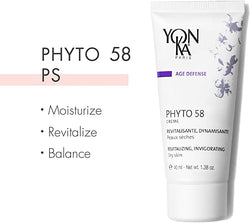
After cleansing, use Lotion Yon-Ka PS (PS for dry skin or PNG for normal to oily). This alcohol-free mist is more than just a toner; it is a phyto-aromatic healing water. Spritzing the skin prepares it to better absorb the active ingredients in your subsequent treatments. The aromatic scent of the Quintessence also provides a moment of calm, helping to reduce the tension that can lead to squinting.
Step 3: Targeted Treatment
This is where you address the "why" behind the wrinkles.
- For Puffiness and Fine Lines: Phyto-Contour is our iconic eye cream. Formulated with a high concentration of rosemary, it helps stimulate microcirculation and decongest the under-eye area. This is particularly effective for those whose lines are exacerbated by morning puffiness.
- For First Wrinkles: Alpha-Contour uses fruit acids to gently exfoliate and smooth the appearance of fine lines while providing essential hydration.
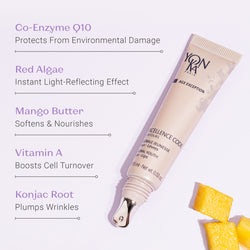
- For Mature Skin: Excellence Code Contours is our premium solution from the Age Exception range. It targets all signs of aging—wrinkles, firmness, and radiance—using targeted peptides and Persian silk tree extract.
Step 4: Hydrate and Protect
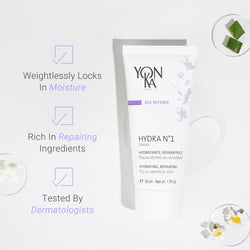
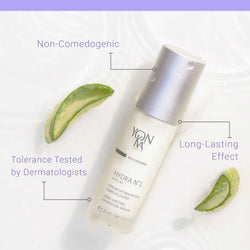
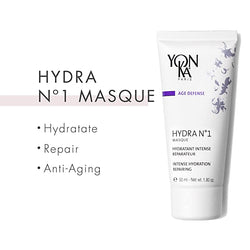
Finish your routine with a moisturizer appropriate for your skin type, such as Hydra n°1 Crème for intense hydration. During the day, never skip sun protection. A broad-spectrum SPF is your best defense against the UV rays that cause 90% of external aging.
Note: Because our products contain active essential oils, we always recommend a simple patch test when introducing a new formula. Apply a small amount to your inner forearm and wait 24 hours to ensure your skin is comfortable.
Innovative Ingredients for Visible Smoothing
When browsing our collections, look for these key ingredients that specifically target the look of under-eye wrinkles:
- Hyaluronic Acid: A powerful humectant (moisture-binding ingredient) that can hold up to 1,000 times its weight in water. It helps "plump" the appearance of the skin from within, making dehydration lines less visible.
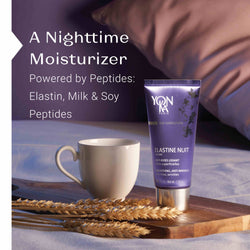
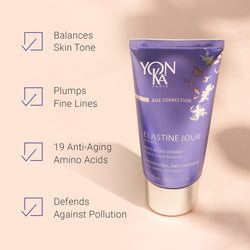
- Peptides: These are short chains of amino acids that act as messengers, signaling the skin to support its natural collagen and elastin.
- Vitamin C: Featured in our Serum C20, this potent antioxidant helps brighten the skin’s appearance and protects against the free radical damage caused by pollution and UV light.
- Rosemary: The star of Phyto-Contour, rosemary has a unique ability to firm the look of the skin and provide an immediate refreshing sensation.
Professional Spa Expertise for the Eye Area
While a home ritual is the foundation of eye health, professional treatments can take your results to the next level. At Yon-Ka, our heritage is rooted in the treatment room. We recommend visiting a certified professional at one of our partner spas for an "Eclat Cocoon" or "Age Exception" facial.
Skincare professionals use specialized techniques, such as lymphatic drainage and aromatic compress applications, to deeply revitalize the eye area. These treatments offer a level of "decongestion" and "lifting" that is difficult to achieve at home. You can find a local professional who shares our passion for phyto-aromatic care by using our Spa Locator.
Lifestyle Adjustments to Minimize Eye Aging
Beyond your skincare ritual, small changes in your daily life can help slow the development of new wrinkles.
- Invest in Quality Sunglasses: Look for lenses with 100% UV protection. Not only do they protect the skin from sun damage, but they also prevent you from squinting—the primary cause of dynamic crow's feet.
- Adjust Your Sleep Position: Sleeping on your stomach or side can compress the face against the pillow, leading to "sleep lines" that eventually become permanent. If possible, try sleeping on your back.
- Hydrate from Within: Your skin is the last organ to receive the water you drink. Ensure you are staying hydrated throughout the day to support the "plumpness" of your eye contour.
- Mind Your Screen Time: We often squint at computers and phones without realizing it. Follow the 20-20-20 rule: every 20 minutes, look at something 20 feet away for 20 seconds to reduce eye strain and tension.
The Role of Antioxidants in Eye Care
Free radicals are one of the most significant contributors to the breakdown of the under-eye area. These are unstable molecules caused by pollution, UV light, and even stress. Antioxidants act as a "shield," neutralizing these molecules before they can damage your skin cells.
Integrating a product like Serum C20 into your routine can provide this vital protection. With 20% stable Vitamin C, it works to brighten the appearance of the skin and support a more even tone. When the skin is protected from oxidative stress, it is better able to maintain its natural collagen levels, keeping the eye area looking smoother for longer.
Common Myths About Under-Eye Wrinkles
Myth: You only need eye cream if you already have wrinkles. Fact: Prevention is the most effective form of eye care. Because the skin here is so thin, starting a hydrating and protective eye ritual in your 20s can significantly delay the appearance of static lines later in life.
Myth: Heavy face creams work just as well as eye creams. Fact: Face moisturizers are often too heavy or contain ingredients that can irritate the sensitive eye area. Furthermore, the molecular size of facial creams may be too large to effectively penetrate the thin skin around the eyes, leading to puffiness or the development of milia (small white bumps). If you want to compare options, browse our face moisturizers.
Myth: Essential oils are too strong for the eyes. Fact: When formulated by experts with pharmaceutical rigor, botanical oils are incredibly effective. At Yon-Ka, we meticulously dose our essential oils to ensure they provide maximum efficacy while respecting the delicate nature of the eye contour.
Embracing the Ritual
The appearance of wrinkles is a natural part of a life well-lived—the result of every smile, laugh, and squint in the sun. However, choosing to care for this area is an act of self-care. At Yon-Ka Paris, we believe that skincare should never feel like a chore; it should be a ritual you look forward to.
By combining the best of French botanical science with a consistent daily routine, you can support your skin’s resilience and maintain a bright, open gaze. Whether you are addressing the first signs of fine lines with Alpha-Contour or seeking the comprehensive lifting effect of Excellence Code Contours, our formulations are designed to work in harmony with your skin’s natural rhythms.
Conclusion
Identifying why there is wrinkles under your eyes is the first step in reclaiming the health and vitality of your skin. Whether caused by the natural aging process, environmental stressors, or simple dehydration, these lines are a signal that your eye contour requires specialized, botanical support. By embracing a ritual of gentle cleansing, phyto-aromatic toning, and targeted treatment with products like Phyto-Contour, you can visible smooth and brighten your appearance over time.
At Yon-Ka Paris, our 70-year legacy of phyto-aromatic expertise is dedicated to the belief that your skincare should be as luxurious as it is effective. We invite you to explore our specialized collections and discover the transformative power of the Quintessence. If you are unsure which ritual is right for you, we encourage you to use our Product Matcher or take our Skin Diagnosis quiz for personalized recommendations. Your journey to radiant, smoothed eyes begins with the power of plants and the wisdom of professional French skincare.
Key Takeaway: Real results in the eye area come from consistency and the right botanical actives. By layering hydration with structural support and daily protection, you can significantly improve the look of the eye contour and maintain a more youthful, rested appearance.
FAQ
Why did I suddenly get wrinkles under my eyes?
"Sudden" wrinkles are often the result of acute dehydration or a compromised skin barrier. When the skin lacks moisture, it can crinkle like fine tissue paper almost overnight. This can be triggered by environmental changes, such as moving into a centrally heated or air-conditioned space, or a lack of sleep and internal hydration. For a more targeted routine, start with Lotion Yon-Ka PS and build from there.
Can eye cream actually remove wrinkles?
Skincare products are designed to improve the appearance of wrinkles by hydrating the skin and supporting its natural structural proteins. While no cosmetic cream can permanently eliminate deep structural folds, a high-quality botanical eye cream can significantly smooth the look of fine lines and prevent new ones from forming by protecting the skin from environmental damage. If you want to compare eye-focused options, visit our eye and lip contour range.
How do I stop my under-eye wrinkles from getting worse?
The most important steps for prevention are daily sun protection and consistent hydration. Wearing sunglasses to prevent squinting and using a targeted eye treatment like Phyto-Contour twice daily will help keep the skin resilient. Avoid rubbing your eyes, as this mechanical stress can break down collagen in the delicate 0.2mm thick skin.
At what age should I start using eye cream?
We recommend introducing a hydrating eye ritual in your early 20s. Since the eye area is the first to show signs of aging due to its thinness and lack of oil glands, preventative care is essential. Starting early with a product like Alpha-Contour or Hydra n°1 Crème helps maintain the skin’s elasticity before static wrinkles have a chance to form.