Table of Contents
- Introduction
- The Unique Biology of the Eye Contour
- Primary Causes: Why Do We Get Wrinkles Under the Eyes?
- Understanding the Different Types of Eye Wrinkles
- The Phyto-Aromatic Approach to Eye Care
- Crafting Your Yon-Ka Eye Ritual
- Professional Application Techniques
- Prevention: Future-Proofing Your Eye Contour
- When to Consult a Professional
- Conclusion
- FAQ
Introduction
Waking up to the morning sun and catching a glimpse of fine, delicate lines around the corners of your eyes is a moment many of us recognize. The eye area is often the first storyteller of our life’s experiences, reflecting every smile, squint, and night of deep rest or restless work. At Yon-Ka Paris, we view these lines not as flaws to be erased, but as a call to provide the skin with the specific, botanical nourishment it craves, and you can learn more in our ingredients. Understanding the unique physiology of this fragile zone is the first step toward a more radiant, youthful appearance. This article explores the biological and environmental factors behind why do we get wrinkles under the eyes and how a dedicated phyto-aromatic ritual can support skin longevity. By mastering the "why," you can better choose the "how" for your daily skincare routine.
Quick Answer: Wrinkles form under the eyes because the skin in this area is significantly thinner than the rest of the face and lacks oil-producing glands. This makes it highly susceptible to damage from repetitive facial expressions, UV exposure, and the natural loss of collagen and elastin that occurs over time.
The Unique Biology of the Eye Contour
To understand why the eye area is so prone to aging, we must first look at its structural anatomy. The skin surrounding our eyes, known as the periorbital area, is the thinnest on the entire body. While the skin on your forehead or cheeks might be several millimeters thick, the skin under your eyes is often as thin as 0.2mm to 0.5mm—roughly the thickness of three sheets of tissue paper.
Because this skin is so delicate, it possesses very few sebaceous (oil) glands. These glands are responsible for producing sebum, the skin’s natural moisturizer that helps maintain the lipid barrier and keep the surface supple. Without a robust supply of natural oils, the eye contour is naturally drier and less resilient than the rest of the face. This inherent dryness is a primary reason why fine lines, often called "crepiness," appear here before they manifest elsewhere.
Furthermore, the eye area is under constant mechanical stress. The orbicularis oculi muscle, which circles the eye, is responsible for blinking, squinting, and expressing emotion. On average, a person blinks 10,000 to 20,000 times a day. This repetitive movement, combined with the lack of structural support from fat and oil, creates a "perfect storm" for the development of creases.
Primary Causes: Why Do We Get Wrinkles Under the Eyes?
The Natural Aging Process and Collagen Loss
As we mature, the biological functions of our skin naturally shift. Two critical proteins—collagen and elastin—are responsible for the skin's firmness and "snap-back" quality. Starting in our mid-20s, the body’s production of collagen begins to decrease by about 1% each year. In the thin under-eye area, this depletion is felt almost immediately.
When collagen fibers break down, the skin loses its underlying support structure, leading to sagging and deeper creases. Elastin, which allows the skin to stretch and return to its original shape, also becomes less efficient. This results in skin that feels less bouncy and is more likely to retain the "imprint" of a facial expression even after the face has returned to a neutral state.
Cumulative UV Exposure and Photoaging
If there is one external factor that accelerates the appearance of under-eye wrinkles more than any other, it is the sun. Dermatologists estimate that up to 90% of visible skin aging is caused by ultraviolet (UV) radiation. This process is known as photoaging.
UV rays penetrate deep into the dermis, where they generate free radicals—unstable molecules that damage healthy skin cells. These free radicals specifically target and break down collagen and elastin fibers. Because the skin under the eyes is so thin, the sun’s rays can reach these structural proteins more easily than in thicker areas of the skin. This is why consistent protection and the use of antioxidants are vital for maintaining a smooth eye contour.
Repetitive Facial Expressions (Dynamic Wrinkles)
Every time you smile, laugh, or squint against the glare of a computer screen, the muscles around your eyes contract. These movements create what we call dynamic wrinkles. When we are young, these lines disappear as soon as our muscles relax. However, over decades of repetitive movement, these dynamic lines can become "etched" into the skin, turning into static wrinkles that remain visible even when the face is at rest.
Lifestyle and Environmental Stressors
Beyond biology and the sun, our environment and daily habits play a significant role.
- Dehydration: When the body is dehydrated, it pulls moisture from the skin to support vital organs. This makes the thin skin under the eyes look sunken and emphasizes fine lines.
- Blue Light: Emerging research suggests that the high-energy visible (HEV) light emitted by smartphones and laptops may contribute to oxidative stress in the skin.
- Sleep Positions: Consistently sleeping on your side or stomach can press the delicate eye skin against the pillow, creating "compression wrinkles" over time.
- Pollution: Microscopic pollutants in the air can settle on the skin and trigger inflammatory responses that degrade the skin barrier. For added environmental support, Vital Defense can fit that step.
Understanding the Different Types of Eye Wrinkles
Not all wrinkles are created equal. Identifying which type you are noticing can help you tailor your ritual for the best results.
| Wrinkle Type | Characteristics | Primary Cause |
|---|---|---|
| Dynamic Lines | Only visible during movement (smiling, squinting). | Muscle contraction. |
| Static Wrinkles | Always visible, even when the face is neutral. | Loss of collagen and UV damage. |
| Wrinkle Folds | Deep creases often caused by sagging skin. | Aging and loss of fat/volume. |
| Fine Lines | Shallow, "crepey" texture on the skin surface. | Dehydration and thin skin. |
Key Takeaway: Under-eye wrinkles are caused by a combination of internal factors, like the natural loss of collagen and the thinness of the skin, and external factors like UV damage and repetitive expressions. Understanding this helps us realize that a multi-targeted approach is necessary.
The Phyto-Aromatic Approach to Eye Care
At Yon-Ka, we believe that the most effective way to address the appearance of aging is through the synergy of nature and science. We utilize the power of phytotherapy (plant extracts) and aromatherapy (essential oils) to support the skin’s natural functions.
Our signature Quintessence—a proprietary blend of lavender, geranium, rosemary, cypress, and thyme—serves as the foundation for many of our formulas. This 100% natural and active complex helps to revitalize the appearance of the skin and provides a sensorial experience that calms the mind. For the eye area, we combine these botanical powerhouses with modern actives like hyaluronic acid, peptides, and stable vitamins to address specific concerns.
The Role of Specific Botanical Actives
- Hyaluronic Acid: A molecule that can hold up to 1,000 times its weight in water. It acts as a humectant, drawing moisture into the skin to plump the appearance of fine lines.
- Beech Bud Extract: Often referred to as the "tree of eternal youth," these extracts help to smooth the look of the skin's surface and improve hydration.
- Rosemary: Known for its firming and tonifying properties, rosemary is a key ingredient in products designed to revitalize tired-looking eyes.
- Peptides: Chains of amino acids that act as messengers, encouraging the skin to look firmer and more resilient.
Crafting Your Yon-Ka Eye Ritual
Addressing wrinkles under the eyes is not about a single "miracle" product; it is about a consistent, layered ritual that respects the skin’s delicate nature.
Step 1: Gentle, Barrier-Respecting Cleansing
Never pull or tug the skin around your eyes when removing makeup. Use a gentle cleansing milk like Lait Nettoyant. This formula effectively removes impurities while maintaining the skin's natural pH and lipid balance. Apply with your ring finger using light, circular motions and rinse with lukewarm water.
Step 2: Prepare with a Phyto-Aromatic Mist
After cleansing, mist your face with Lotion Yon-Ka PNG. This alcohol-free toner, infused with our signature Quintessence, prepares the skin to better absorb the active ingredients in your eye treatment. It provides an immediate boost of hydration and a soothing, aromatic experience.
Step 3: Targeted Eye Treatment
This is the most critical step for addressing the appearance of wrinkles. Choose a product based on your primary concern:
- For Puffiness and Dark Circles: Use Phyto-Contour. This rosemary-infused cream is a professional favorite for its ability to provide a "freshening" effect. It helps to firm the appearance of the eye contour and reduce the look of morning puffiness.
- For Fine Lines and Smoothing: Try Alpha-Contour. Formulated with fruit acids (AHAs), this non-greasy gel gently exfoliates and hydrates to reveal a smoother-looking surface.
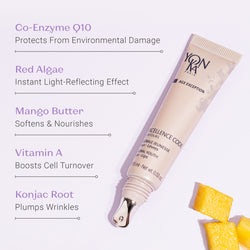
- For Deeper Wrinkles and Firmness: Our Excellence Code Contours is part of the Age Exception range. It targets all signs of aging around the eyes and lips, utilizing silk tree extract and light-reflecting pigments to brighten the look of the eyes.
Step 4: Moisturize and Protect
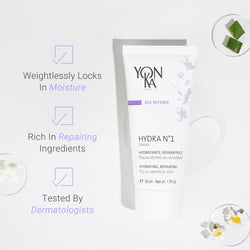
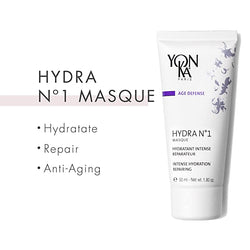
Finish your ritual by applying your facial moisturizer, such as Hydra N°1 Creme for intense hydration or Vital Defense to protect against environmental pollutants. During the day, always follow with a broad-spectrum SPF to prevent further UV-induced damage to the thin eye skin.
Note: Because our products contain high concentrations of active botanical extracts and essential oils, we recommend a simple patch test when introducing a new formula. Apply a small amount to your inner forearm and wait 24 hours to ensure compatibility with your skin.
Professional Application Techniques
How you apply your eye cream is just as important as the ingredients inside. Since the skin is so thin, aggressive rubbing can actually contribute to the breakdown of collagen and the formation of new lines.
- Use Your Ring Finger: This is your weakest finger, making it ideal for the delicate eye area.
- Dot and Tap: Place small dots of the product along the orbital bone (the hard ridge under your eye) and just below the eyebrow.
- The "Press and Release" Motion: Gently tap the product into the skin, moving from the inner corner of the eye outward toward the temples. This encourages lymphatic drainage and helps reduce the appearance of puffiness.
- Avoid the Lash Line: Do not apply product directly to the eyelids or too close to the lash line, as the product will naturally migrate toward the eye. Applying it to the orbital bone is sufficient for the ingredients to reach the target area.
Prevention: Future-Proofing Your Eye Contour
While we cannot stop the passage of time, we can adopt habits that slow the visible signs of aging.
Sun Protection is Non-Negotiable
Wearing sunglasses that offer 100% UV protection is one of the best defenses against under-eye wrinkles. Not only do they block harmful rays, but they also prevent the repetitive squinting that leads to crow's feet. Pair your shades with a mineral-based sunscreen formulated for sensitive skin.
Hydration from Within
Skincare works best when the body is well-hydrated. Aim to drink plenty of water throughout the day and consume foods rich in essential fatty acids (like walnuts, flaxseeds, and salmon) to support the skin's lipid barrier from the inside out.
The Power of Antioxidants
Incorporate vitamin-rich foods and skincare into your routine. Antioxidants like Vitamin C and E help neutralize free radicals before they can damage your collagen. Our Serum C20 is an excellent addition to your morning routine to provide a brightening, antioxidant-rich shield for the face, though always be cautious when applying high-potency serums near the immediate eye area.
Quality Sleep and Positioning
The body performs its most intensive repair work during sleep. Aim for seven to nine hours of quality rest. If you can, practice sleeping on your back to avoid mechanical stress on the face. Switching to a silk or satin pillowcase can also reduce friction against the skin.
When to Consult a Professional
While botanical skincare can significantly improve the appearance of fine lines and wrinkles, some concerns may benefit from professional expertise. If you have persistent irritation, sudden changes in skin texture, or are interested in more intensive treatments like chemical peels or laser resurfacing, we recommend consulting a dermatologist or a licensed aesthetician.
You can also experience the transformative power of a professional Yon-Ka treatment at one of our partner spas. Our experts can perform a deep analysis of your skin and recommend a tailored program. Use our Spa Locator to find a professional near you.
Conclusion
The journey to a smoother, more vibrant eye area is one of consistency, patience, and high-quality botanical care. By understanding why do we get wrinkles under the eyes—from the thinness of the dermis to the impact of the environment—you are empowered to make informed choices for your skin’s health.
At Yon-Ka Paris, our mission is to provide you with a ritual that is as effective as it is pleasurable. Rooted in 70 years of French phyto-aromatic expertise, our formulas are designed to honor your skin’s natural rhythm while delivering visible, high-performance results. Skincare is more than a chore; it is a daily ritual of self-care that allows your inner radiance to shine through.
- Focus on hydration: Use humectants like hyaluronic acid to plump the look of lines.
- Protect daily: Sunscreen and sunglasses are your best preventative tools.
- Be gentle: Always use a light touch when applying products to the eye contour.
- Trust the plants: Seek out botanical actives like rosemary, beech buds, and the Yon-Ka Quintessence.
If you are unsure which products are right for your unique skin type, we invite you to take our Skin Diagnosis quiz.
You can also use the Product Matcher on our website.
Browse our Eye & Lip Contour collection to find the perfect addition to your vanity.
FAQ
Can eye cream actually remove existing wrinkles?
While no cosmetic product can permanently eliminate deep-set wrinkles, high-quality eye creams can significantly improve the appearance of lines. By deeply hydrating the skin and providing structural support through peptides and antioxidants, eye creams make the skin look smoother, firmer, and more youthful.
At what age should I start using an eye cream?
It is never too early to start protecting the delicate eye area. Most skincare experts recommend incorporating a preventative eye treatment in your early to mid-20s, as this is when collagen production begins to slow and the first signs of fine lines often appear due to dehydration.
Why is the skin under the eyes so much more sensitive than the rest of the face?
The skin under the eyes is up to ten times thinner than the skin on other parts of the body and lacks a significant number of sebaceous glands. This makes it more susceptible to irritation, dryness, and environmental damage, requiring specialized formulas that are gentler and more targeted than standard face moisturizers.
Can I just use my regular face moisturizer under my eyes?
While some basic moisturizers are safe for the eye area, many face creams contain active ingredients (like high concentrations of AHAs or heavy fragrances) that can be too harsh for the thin eye contour. Specialized eye products like Phyto-Contour are specifically ophthalmologically tested and formulated with the correct molecular weight and pH for this sensitive zone.