Table of Contents
- Introduction
- The Unique Anatomy of the Eye Area
- Identifying the Primary Causes of Under Eye Wrinkles
- Distinguishing Between Different Types of Wrinkles
- The Phyto-Aromatic Approach to Eye Care
- Building Your Eye Care Ritual
- Professional Care for Advanced Results
- Healthy Habits for Smoother Eyes
- Conclusion
- FAQ
Introduction
There is a specific moment many of us recognize: leaning into the bathroom mirror on a bright morning, perhaps after a restless night or a long week of travel, only to notice a new map of fine lines etched beneath the eyes. It often feels as though they arrived overnight—a sudden change that transforms a refreshed face into one that looks perpetually tired. Because the skin surrounding our eyes is the thinnest and most delicate on the entire body, it is frequently the first area to reflect the toll of environmental stress, internal fatigue, and the natural passage of time.
At Yon-Ka Paris, we believe that understanding the "why" behind these changes is the first step toward a more radiant, resilient complexion. That philosophy runs through our formulas.
In this guide, we will explore the physiological and environmental reasons why under eye wrinkles form and how a dedicated, phyto-aromatic ritual can support the appearance of a smoother, more youthful gaze. We will cover the impact of lifestyle, the science of skin structure, and the botanical ingredients that help restore the look of vitality to this fragile zone.
Quick Answer: Under eye wrinkles primarily occur because the skin in this area is exceptionally thin and lacks oil glands, making it prone to dehydration and structural breakdown. Factors like UV exposure, repetitive facial expressions, and a natural decline in collagen and elastin further contribute to the formation of fine lines and deeper creases.
The Unique Anatomy of the Eye Area
To understand why you might be noticing wrinkles under the eyes, one must first look at the unique physiological makeup of this region. The skin surrounding the eyes, known as the periorbital area, is significantly different from the skin on your cheeks, chin, or forehead.
The skin under the eyes is the thinnest on the entire body. While the skin on the rest of your face might be several millimeters thick, the area under the eyes is often as thin as 0.5 millimeters. This extreme thinness means there is less "cushioning" from underlying fat and a much lower density of collagen and elastin fibers, which are the proteins responsible for firmness and elasticity.
The eye area has very few sebaceous glands. Sebaceous glands produce sebum, the natural oil that keeps our skin moisturized and maintains the lipid barrier. Without a robust supply of natural oils, the under eye area is naturally prone to dryness. When skin is dry or dehydrated, it loses its ability to "bounce back" from movement, and fine lines become much more visible.
The muscles around the eyes are in constant motion. We blink approximately 10,000 to 20,000 times a day. When you add in squinting, smiling, and laughing, the mechanical stress on this thin tissue is immense. Over decades, these repetitive movements create "dynamic wrinkles" that eventually settle into the skin even when the face is at rest.
Identifying the Primary Causes of Under Eye Wrinkles
If you are asking "why do I have under eye wrinkles," the answer is usually a combination of several internal and external factors. Identifying which of these are most active in your life can help you choose the right ritual to address them.
Natural Aging and Protein Depletion
As we move through our 20s and 30s, the body’s natural production of collagen and elastin begins to slow down. Collagen provides the skin with its structural scaffolding, while elastin allows it to stretch and return to its original shape.
In the eye area, this decline is felt more acutely. As the dermal layer thins, the skin becomes "crepey"—a term used to describe skin that looks like wrinkled tissue paper. This is a normal part of the aging process, and our anti-aging collection is designed for that transition, but it can be accelerated by oxidative stress, which damages the healthy skin cells and prevents them from renewing efficiently.
UV Damage and Photoaging
Sun exposure is arguably the most significant external cause of premature wrinkling. UVA rays, which are present even on cloudy days and can penetrate glass, reach deep into the dermis to break down collagen fibers. This process is known as photoaging.
Because many people forget to apply sunscreen right up to the orbital bone, or find that traditional sunscreens irritate their eyes, this area often remains unprotected. The cumulative effect of UV damage leads to "static wrinkles," which are lines that remain visible even when your face is neutral.
Dehydration vs. Dryness
It is important to distinguish between dry skin (a skin type that lacks oil) and dehydrated skin (a temporary condition where the skin lacks water).
- Dehydrated skin can cause fine lines to appear suddenly. When the skin cells are parched, they shrivel, making the surface of the skin look puckered.
- Dry skin lacks the protective lipids needed to seal in moisture, leading to a weakened barrier that is more susceptible to environmental damage.
If your lines seem to fluctuate in depth throughout the day, dehydration is likely a major culprit. Incorporating a humectant like hyaluronic acid—a molecule that can hold up to 1,000 times its weight in water—can help "plump" the appearance of these lines almost immediately, and our Dry & Dehydrated Skin collection is a helpful place to start.
Lifestyle and Habitual Factors
Your daily habits play a significant role in the health of your eye contour.
- Sleep Deposition: Lack of sleep increases cortisol levels, which can break down collagen. Furthermore, sleeping on your side or stomach can create "compression wrinkles" as your face is pressed into the pillow for hours at a time.
- Repetitive Squinting: Whether it is from being outdoors without sunglasses or straining to see a computer screen, constant squinting etches lines into the skin.
- Diet and Hydration: A diet high in salt can lead to fluid retention and puffiness, which stretches the skin. Conversely, a diet high in sugar can lead to glycation, a process where sugar molecules attach to collagen, making it brittle and prone to breaking.
Key Takeaway: Under eye wrinkles are rarely caused by a single factor. They are typically the result of thin anatomy meeting environmental damage, movement, and the natural biological slowdown of skin renewal.
Distinguishing Between Different Types of Wrinkles
Not all lines under the eyes are the same. Recognizing which type you have can help you manage your expectations and refine your skincare approach.
| Wrinkle Type | Characteristics | Primary Cause |
|---|---|---|
| Dynamic Lines | Only visible during movement (smiling, squinting). | Repeated muscle contractions and expressions. |
| Static Wrinkles | Visible even when the face is completely at rest. | UV damage, smoking, and long-term collagen loss. |
| Wrinkle Folds | Deep creases often accompanied by sagging. | Age-related loss of fat and bone density in the face. |
| Crepey Skin | Thin, crinkled texture resembling tissue paper. | Lack of moisture and thinning of the dermis/epidermis. |
The Phyto-Aromatic Approach to Eye Care
At the heart of our philosophy is a commitment to the power of nature, refined by science. We utilize four plant sciences—aromatherapy, aromachology, phytotherapy, and marine biology—to create formulas that respect the skin's delicate ecosystem.
The foundation of our formulas is the Quintessence. This exclusive complex of five essential oils—lavender, geranium, rosemary, cypress, and thyme—is 100% natural and active. In eye care, we often lean on the stimulating and decongesting properties of rosemary and cypress to help revitalize the appearance of the eye area.
Targeted Solutions for the Eye Contour
When addressing the look of under eye wrinkles, we recommend choosing products specifically formulated for the periorbital area. Because the skin here is so thin, standard face creams can sometimes be too heavy, potentially leading to puffiness or small white bumps known as milia.
- For Early Lines and Smoothing: Alpha-Contour is a non-greasy gel enriched with fruit acids (AHAs) that gently exfoliates and hydrates. It is designed to smooth the appearance of fine lines while providing a refreshing sensation.
- For Firming and Vitality: Phyto-Contour is one of our most iconic eye treatments. Infused with a high concentration of rosemary, it is designed to visibly firm the eye contour and reduce the look of puffiness and dark circles. The aromatic scent of rosemary also provides a "lifting" sensation for the senses.
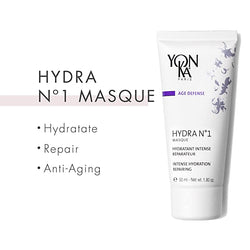
- For Intense Hydration: Hydra n°1 Contours utilizes hyaluronic acid and silicon to provide deep, long-lasting moisture. This is an excellent choice for those whose wrinkles are primarily driven by dehydration.
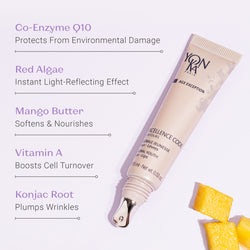
- For Mature Skin and Global Anti-Aging: Excellence Code Contours is our premium solution from the Age Exception range. It targets all signs of aging around the eyes and lips, helping to redefine the appearance of the contours and provide a more "opened" look to the eyes.
Note: Because our products contain active essential oils, we always recommend a patch test when introducing a new formula. Apply a small amount to your inner forearm and wait 24 hours to ensure your skin welcomes the ingredients.
Building Your Eye Care Ritual
Skincare is most effective when it is part of a consistent, layered ritual rather than a "hack." To address under eye wrinkles effectively, we suggest weaving targeted eye care into our fundamental steps.
Step 1: Gentle Cleansing
Never pull or tug at the eye area when removing makeup. Use a gentle cleansing milk like Lait Nettoyant, which respects the skin’s lipid barrier. Apply it with your ring fingers in a gentle circular motion, then rinse or tissue off carefully.
Step 2: The Phyto-Aromatic Mist
Prepare your skin with Lotion Yon-Ka PS. This signature mist enhances the absorption of subsequent products. While you should avoid spraying it directly into open eyes, misting the face provides a base of hydration that makes eye creams more effective.
Step 3: Targeted Treatment
Apply your chosen eye treatment (such as Phyto-Contour or Alpha-Contour) using your ring finger. This is your weakest finger, ensuring you apply the least amount of pressure.
- Dab the product along the orbital bone (the hard ridge under your eye).
- Use a gentle tapping motion, moving from the inner corner toward the outer corner.
- The product will naturally migrate toward the lash line through the skin's warmth and movement, so there is no need to apply it too close to the eye itself.
Step 4: Moisturize and Protect
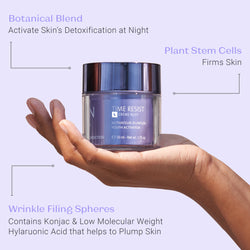
Follow with your daily moisturizer, such as Time Resist Jour, which can support the eye area by providing a protective barrier against environmental stressors. During the day, always finish with sun protection to prevent further UV-induced wrinkles.
Professional Care for Advanced Results
While a home ritual is the foundation of skin health, professional treatments can offer deeper restoration. Our brand heritage is rooted in the spa, with over 7,000 professionals worldwide trusting our methods.
For those concerned with under eye wrinkles, a professional treatment can provide specialized massage techniques that encourage lymphatic drainage and stimulate the appearance of the skin. If you are unsure which ritual or professional treatment is right for you, we encourage you to visit our Spa Locator to find a certified professional in your area.
Healthy Habits for Smoother Eyes
Beyond the bottle, your daily choices can support the longevity of your eye contour.
- Wear Polarized Sunglasses: This is the most effective way to stop "the digital squint" and protect the delicate skin from UV damage. Look for glasses that offer 100% UVA/UVB protection, and support your daytime defense with the Sun Care collection.
- Hydrate from the Inside: While topical hydration is key, drinking enough water ensures that your skin cells have the internal resources they need to remain plump.
- Adjust Your Sleep Position: If you struggle with sleep lines, try to train yourself to sleep on your back. Using a silk or satin pillowcase can also reduce friction and "tugging" on the skin during the night.
- Manage Seasonal Allergies: Chronic eye rubbing due to allergies can weaken the skin barrier and cause inflammation, which leads to premature lines. Consult a physician if your allergies are causing you to touch your eyes frequently.
- Be Mindful of Screen Time: We often squint or furrow our brows when looking at screens. Take frequent breaks and ensure your workspace is well-lit to reduce eye strain.
Bottom line: While you cannot change the thin anatomy of the eye area, you can protect it from the external stressors that cause wrinkles to form prematurely.
Conclusion
Under eye wrinkles are a natural part of a life well-lived, reflecting our expressions, our smiles, and the passage of time. However, by understanding that this delicate area requires a specialized approach—one rooted in hydration, protection, and botanical stimulation—you can help your eyes retain a look of brightness and vitality for years to come.
At Yon-Ka Paris, we remain dedicated to the belief that skincare is a ritual worth savoring. Built on 70 years of phyto-aromatic expertise and a deep respect for the power of plants, our goal is to provide you with the tools to care for your skin with pharmaceutical rigor and a sensorial touch. For a deeper look at the topic, read What Helps Wrinkles Around the Eyes: A Ritual-Based Guide.
- Explore our specialized Eye and Lip Contours collection.
- Find a local spa for a professional treatment via our spa locator.
- Use our Product Matcher for a personalized recommendation.
"True beauty is not about the absence of lines, but about the presence of health and vitality in the skin."
FAQ
At what age should I start using an eye cream for wrinkles?
While there is no "correct" age, many experts recommend starting a preventative eye care ritual in your early to mid-20s. This is when the body's natural collagen production begins its subtle decline, and establishing a habit of hydration and protection can help delay the appearance of static wrinkles.
Can under eye wrinkles be completely removed with skincare?
Skincare products are designed to improve the appearance of the skin. While a high-quality eye cream can visibly smooth fine lines, plump the skin with moisture, and brighten the look of the eye area, it cannot permanently "erase" deep wrinkles or replace the results of medical procedures. Consistency is key to maintaining a refreshed and youthful look.
Why does my eye cream sometimes make my eyes look puffier?
Puffiness can occur if a product is too heavy for your skin type, if you are applying it too close to the lash line, or if you are using too much product. Try applying a pea-sized amount only along the orbital bone and consider a gel-based formula like Alpha-Contour if you are prone to morning puffiness.
What is the best ingredient for under eye wrinkles?
There is no single "best" ingredient, as it depends on your specific concern. Hyaluronic acid is excellent for plumping dehydration lines, while stabilized Vitamin C found in Serum C20 is fantastic for brightening and supporting collagen. For firming and smoothing, botanical extracts like rosemary, beech bud peptides, and AHAs are highly effective.