Table of Contents
- Introduction
- The Unique Anatomy of the Eye Area
- Identifying Your Wrinkle Type
- Common Causes of Increased Under-Eye Wrinkling
- The Yon-Ka Paris Phyto-Aromatic Approach
- Building Your Under-Eye Ritual
- Powerful Ingredients to Look For
- Lifestyle Habits for Smoother Eyes
- When to See a Professional
- The Role of Consistency
- Conclusion
- FAQ
Introduction
Noticing a sudden map of fine lines or deep creases beneath your eyes can be a startling experience during your morning ritual. The skin in this area is remarkably expressive, capturing every smile and squint, yet it is also the most fragile landscape on your face. You are certainly not alone in wondering why these lines seem to multiply or deepen seemingly overnight. At Yon-Ka Paris, we view these changes not as flaws to be erased, but as a call from your skin for deeper nourishment and more specialized care. This article will explore the biological and environmental reasons behind under-eye wrinkling, the different types of lines you may encounter, and how a dedicated phyto-aromatic approach can support a smoother, more radiant appearance. Understanding the "why" is the first step toward crafting a ritual that honors your skin's unique needs, and if dehydration is part of the picture, our hydration tips can help you build a smarter routine.
The Unique Anatomy of the Eye Area
To understand why you have so many wrinkles under your eyes, we must first look at the biological architecture of the skin itself. The skin surrounding your eyes is roughly three to five times thinner than the skin on the rest of your face. Because it is so delicate, it lacks the structural density found on your forehead or cheeks.
A Lack of Natural Oil
Unlike the "T-zone" (the forehead, nose, and chin), the under-eye area has very few sebaceous glands. These glands produce sebum, the natural oil that keeps our skin lubricated and helps maintain the moisture barrier. Without this built-in hydration system, the eye area is prone to chronic dryness, making it a good candidate for our dry & dehydrated skin collection. When skin is dry, it loses its "plumpness," making existing lines look much more pronounced and allowing new ones to form more easily.
The Impact of Constant Movement
We often forget that the eyes are one of the most active parts of the body. On average, a human blinks over 10,000 times a day. Beyond blinking, we use the muscles around our eyes to squint against the sun, laugh, cry, and express surprise. Every time these tiny muscles contract, they pull on the thin skin above them. Over decades, this repetitive mechanical stress causes the skin to lose its ability to "snap back," eventually leading to permanent creases.
Minimal Subcutaneous Fat
The layer of fat beneath the skin—which provides a cushion and youthful volume—is nearly non-existent under the eyes. As we age, even that small amount of fat can shift or diminish, leading to a hollowed-out appearance known as a "tear trough." When volume is lost, the skin sags and folds, creating the appearance of multiple deep wrinkles or "bags."
Identifying Your Wrinkle Type
Not all wrinkles are created equal. Identifying which type you are seeing can help you choose the most effective botanical actives to address them. Most people experience a combination of three distinct categories.
Dynamic Wrinkles
These are the lines that appear only when you are making an expression. When you smile, "crow's feet" fan out from the corners of your eyes. When you squint, fine vertical or horizontal lines may appear directly under the lower lash line. In younger skin, these lines disappear the moment the face returns to a neutral expression.
Static Wrinkles
Static wrinkles are lines that remain visible even when your face is completely at rest. These are often the result of dynamic wrinkles that have "etched" themselves into the skin over time. As collagen and elastin—the proteins responsible for firmness and elasticity—break down, the skin loses its memory. It no longer returns to a smooth state, leaving the line visible 24/7.
Wrinkle Folds
Wrinkle folds are generally deeper than fine lines and are caused by the sagging of the skin or the loss of underlying support. This often manifests as a prominent fold between the lower eyelid and the upper cheek. These are less about the surface texture of the skin and more about the structural changes occurring in the deeper layers of the dermis.
Key Takeaway: The "many wrinkles" you see are often a mix of temporary expression lines and permanent structural changes caused by the natural loss of collagen and moisture.
Common Causes of Increased Under-Eye Wrinkling
While aging is the most cited cause, several other factors can accelerate the appearance of lines, making them seem more numerous or deeper than expected for your age.
UV Exposure and Photoaging
Sun damage is perhaps the single greatest contributor to premature wrinkles. UV rays penetrate deep into the skin, where they break down collagen fibers and damage elastin. This process, known as photoaging, accounts for a vast majority of visible skin aging. Because we often neglect to apply sunscreen right up to the lash line (due to fear of irritation), the eye area is frequently left defenseless, which is why our Sun Care collection belongs in a daily routine.
Dehydration vs. Dryness
It is important to distinguish between dry skin (a lack of oil) and dehydrated skin (a lack of water). Dehydration can happen to any skin type, including oily skin. When the body or the skin is dehydrated, the cells shrivel, much like a grape turning into a raisin. This creates a "crepey" texture under the eyes—a network of many tiny, crisscrossed lines.
Lifestyle and Environmental Stressors
- Smoking: Tobacco use restricts blood flow to the skin and introduces toxins that directly destroy collagen.
- Sleep Deposition: During sleep, your skin goes into "repair mode." Chronic lack of rest increases cortisol, which can break down the skin’s structural proteins and lead to puffiness, which stretches the skin.
- Pollution: Microscopic particles in the air can generate free radicals—unstable molecules that damage healthy skin cells and accelerate the aging process.
- Sugar Intake: A diet high in sugar can lead to glycation, a process where sugar molecules attach to collagen, making it brittle and prone to snapping rather than stretching.
The Yon-Ka Paris Phyto-Aromatic Approach
At Yon-Ka Paris, we believe that addressing the eye area requires a delicate balance of pharmaceutical-grade efficacy and botanical gentleness. Our philosophy is rooted in the Our Ingredients page, where you can explore the Quintessence and the plant sciences behind our formulas.
For the eyes, we focus on three primary goals: stimulating microcirculation to reduce puffiness, delivering intense hydration to plump fine lines, and providing antioxidant protection to prevent future damage.
The Importance of Phyto-Aromatics
Unlike synthetic-heavy products, phyto-aromatic skincare uses the volatile compounds of plants to penetrate the skin effectively. Rosemary, for instance, is a key ingredient in our eye care range because of its natural ability to firm and revitalize the appearance of the skin. When you use our products, the scent isn't just a fragrance; it’s the smell of active botanical medicine working to support your skin's vitality, and that is part of our formulas philosophy.
Building Your Under-Eye Ritual
To address the "why" of your wrinkles, you need a consistent, layered ritual. A single application of a cream will not provide lasting change; true results come from the cumulative power of daily care.
Step 1: Gentle Cleansing
Never pull or tug at the eye area when removing makeup. Use a soft, barrier-respecting cleanser like Lait Nettoyant. This cleansing milk allows you to dissolve mascara and concealer without stripping the thin skin of its precious oils. Apply with your ring finger—the weakest finger—to ensure the lightest touch.
Step 2: The Phyto-Aromatic Mist
After cleansing, a mist of Lotion Yon-Ka PNG prepares the skin for the next steps, while PS remains the dry-skin option. This iconic mist, infused with our signature Quintessence, acts as a "pathfinder," helping the active ingredients in your eye cream penetrate more deeply.
Step 3: Targeted Eye Treatment
This is the most critical step for those seeing "too many" wrinkles. Depending on your specific concern, you should choose a targeted formula:
- For Puffiness and Dark Circles: Phyto-Contour is a beloved professional formula. Infused with rosemary, it helps to visibly de-puff and firm the look of the eye contours. The cooling sensation is an immediate wake-up call for tired eyes.
- For Fine Lines and Smoothing: Alpha-Contour utilizes non-irritating fruit acids (AHAs) to gently exfoliate and hydrate. It helps to smooth the appearance of those fine, crepey lines caused by dehydration and surface texture issues.
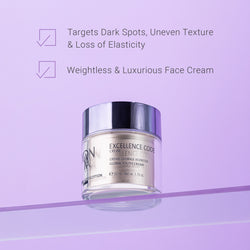
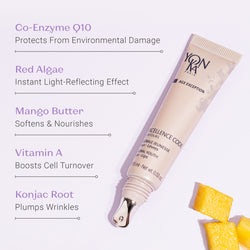
- For Deep Wrinkles and Lifting: If you are seeing more pronounced folds or "static" wrinkles, a more intensive treatment like Excellence Code Contours may be appropriate. Part of our Age Exception collection, it is designed for mature skin needing visible lifting and brightening.
Step 4: Daytime Protection
During the day, follow your eye treatment with a moisturizer like Vital Defense. While it is a face cream, its antioxidant profile helps protect the entire complexion from the environmental pollutants that contribute to the breakdown of the eye area. Always finish with a mineral-based SPF and wear UV-rated sunglasses to prevent the squinting that creates dynamic wrinkles.
Note: When introducing a new eye product, especially one containing essential oils or active acids, perform a patch test on your inner forearm for 24 hours. Introduce one new product at a time to ensure your skin's comfort. A brief, slight tingling can be normal, but persistent redness means you should reduce the frequency of use.
Powerful Ingredients to Look For
If you are analyzing your current routine, ensure you are incorporating these key ingredients which are known to support the appearance of the eye area:
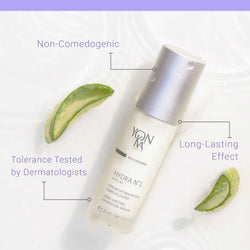
- Hyaluronic Acid: A molecule that can hold up to 1,000 times its weight in water. It is a "humectant," meaning it pulls moisture into the skin to instantly plump up fine lines. Look for this in Hydra N°1 Serum.
- Peptides: These are short chains of amino acids that act as messengers, telling the skin to produce more collagen. They are essential for addressing static wrinkles and loss of firmness.
- Vitamin C: A potent antioxidant that brightens the appearance of dark circles and protects against UV damage. Our Serum C20 can be used on the face to support overall collagen health.
- Rosemary Essential Oil: A cornerstone of Yon-Ka expertise, rosemary helps to firm the appearance of the skin and support natural drainage, which is vital for preventing the "stretching" effect of under-eye bags.
Lifestyle Habits for Smoother Eyes
Beyond your skincare ritual, small changes in your daily life can significantly impact the "volume" of wrinkles you see.
Sleep Positions
If you sleep on your side or stomach, you may be creating "sleep wrinkles." These are caused by your face being pressed into the pillow for eight hours a night. Over time, these mechanical creases can become permanent. Try to sleep on your back, or invest in a silk pillowcase, which reduces friction and prevents the skin from bunching up.
Hydration from Within
Topical creams can only do so much if your body is parched. Drinking sufficient water ensures that your skin cells stay turgid and plump. Additionally, limit your intake of caffeine and alcohol, both of which are diuretics that can lead to that hollow, wrinkled look under the eyes.
Eye Strain and Technology
In the modern world, we spend hours staring at "blue light" from screens. This often leads to unconscious squinting and eye strain. Follow the 20-20-20 rule: every 20 minutes, look at something 20 feet away for 20 seconds. This relaxes the tiny muscles around the eyes and reduces the frequency of dynamic wrinkling.
When to See a Professional
While botanical skincare can remarkably improve the appearance of the skin, it is important to have realistic expectations. Skincare is a long-term investment in health and beauty, not a "permanent fix" for deep structural changes.
If you are experiencing sudden, painful swelling, persistent redness that doesn't go away, or if you suspect a medical condition like eczema or rosacea is affecting your eyes, consult a dermatologist or physician.
For those looking to take their results to the next level, we recommend visiting a Yon-Ka partner spa. Our professional treatments, such as the Escale Beauté or specialized eye contours, use professional-strength concentrations and specific massage techniques (like lymphatic drainage) that are difficult to replicate at home. You can find a nearby expert using our Spa Locator.
Myth: "Eye creams are just expensive face moisturizers." Fact: Eye creams are specifically formulated with smaller molecules to penetrate thinner skin and are ophthalmologically tested to ensure they won't irritate the sensitive mucous membranes of the eye. They also exclude certain "heavy" oils that can cause milia (tiny white bumps) in the eye area.
The Role of Consistency
The reason many people feel they have "too many" wrinkles is often due to the cumulative effect of neglected hydration and environmental damage. However, the skin is a resilient organ. With a consistent ritual, you can help support its natural repair processes.
Skincare is not just about the final look; it is about the five minutes of peace you give yourself every morning and evening. By choosing products that delight the senses—through the cooling touch of a gel or the soothing aroma of lavender—you turn a chore into a ritual worth savoring.
Conclusion
Wrinkles under the eyes are a natural testament to a life full of expression, but they don't have to define your gaze. By understanding the unique anatomy of this delicate area and addressing the specific causes of your lines—whether they be dehydration, sun damage, or repetitive movement—you can reclaim a smoother, more refreshed appearance.
Building a ritual with Yon-Ka products means embracing 70 years of French phyto-aromatic expertise. From the gentle exfoliation of Alpha-Contour to the firming power of Phyto-Contour, our formulas are designed to work in harmony with your skin's natural biology. If you are unsure which products are right for your specific concerns, we invite you to take our Skin Diagnosis quiz for a personalized recommendation.
"True beauty is a ritual of self-respect, rooted in the power of nature and the wisdom of science."
The most important step you can take today is to begin. Whether that means drinking an extra glass of water, committing to daily SPF, or finally adding a targeted eye treatment to your vanity, your skin will thank you for the extra care. Explore our Eye & Lip Contours collection to find your perfect botanical match and begin your journey toward a more radiant, youthful gaze.
FAQ
Can I just use my regular face moisturizer under my eyes?
While a gentle moisturizer is better than nothing, the skin under your eyes is much thinner and more sensitive than the rest of your face. Standard moisturizers may contain fragrances or heavy oils that can cause irritation or milia (small white bumps). Specialized eye creams like Alpha-Contour are specifically formulated to be safe and effective for this delicate area.
How long does it take to see results from an eye cream?
Skincare is a marathon, not a sprint, and visible improvements usually happen gradually over time. While hydrating ingredients like hyaluronic acid can provide an immediate "plumped" look, it typically takes 4 to 8 weeks of consistent use to see a reduction in the appearance of fine lines. This timeline matches the natural 28-day cycle of skin cell renewal.
Does squinting really cause permanent wrinkles?
Yes, repeated squinting is a primary cause of dynamic wrinkles which eventually become static (permanent) lines. This occurs because the repeated muscle contraction breaks down the collagen and elastin in the "grooves" of the fold. To prevent this, always wear UV-rated sunglasses when outdoors to minimize the need to squint.
Why does my under-eye skin look "crepey" even though I use cream?
A crepey texture is often a sign of dehydration or a damaged moisture barrier rather than just standard aging. If your current cream isn't helping, you may need to add a hydrating mist like Lotion Yon-Ka PS before your cream to improve absorption, or look for a formula with higher concentrations of humectants like glycerin and hyaluronic acid. Proper internal hydration and using a humidifier in dry climates can also help.