Table of Contents
- Introduction
- Understanding the Two Types of Oils for Aging Skin
- The Power of the Quintessence: Our Signature Essential Oils
- Top Essential Oils for Smoothing the Look of Wrinkles
- Essential Carrier Oils for Deep Hydration
- How to Build a Routine Around Facial Oils
- The Science of Phyto-Aromatic Skincare
- Addressing Common Myths About Facial Oils
- Professional Spa Expertise for Mature Skin
- Conclusion
- FAQ
Introduction
Discovering a new fine line in the mirror often sparks a desire for a more natural, nurturing approach to aging gracefully. While the skincare world is filled with complex synthetic ingredients, many people are returning to the foundational power of plants to find which oil is good for wrinkles on face. These botanical elixirs, used for centuries in traditional beauty rituals, offer a potent combination of antioxidants and fatty acids that help support the skin’s natural resilience. At Yon-Ka Paris, we believe that the most effective path to a youthful appearance lies in the harmony between pharmaceutical rigor and the soul of aromatic plants. To understand that philosophy more deeply, explore our ingredients philosophy. In this guide, we will explore the distinction between essential and carrier oils, highlight the top botanical choices for visible smoothing, and explain how to integrate these "liquid gold" ingredients into a consistent ritual. By understanding how these oils interact with your skin, you can build a routine that promotes a radiant, firm, and revitalized complexion.
Understanding the Two Types of Oils for Aging Skin
When searching for the best oils to address the appearance of wrinkles, it is essential to distinguish between the two categories of oils found in high-quality skincare: essential oils and carrier oils. Both play a vital role, but they function very differently on the skin.
What are Essential Oils?
Essential oils are highly concentrated, volatile plant extracts obtained through steam distillation or cold pressing of flowers, leaves, bark, and roots. They are the "essence" of the plant, containing its most active aromatic compounds. Because they are so potent, they are rarely applied directly to the skin. Instead, they are used for their specific therapeutic properties, such as neutralizing free radicals—unstable molecules that damage collagen and accelerate the look of aging. For more on the category of concentrated treatments, see our serums.
What are Carrier Oils?
Carrier oils, also known as base oils or vegetable oils, are derived from the fatty portions of a plant, such as seeds or nuts. Unlike essential oils, they do not evaporate and are not intensely aromatic. Their primary job is to "carry" essential oils into the skin, providing a safe dilution. However, carrier oils are powerhouses in their own right. They are rich in essential fatty acids (EFAs), vitamins, and minerals that help replenish the skin's lipid barrier, locking in moisture and improving the look of elasticity.
Quick Answer: The best approach for wrinkles involves using a combination of antioxidant-rich essential oils (like Lavender or Frankincense) diluted in nourishing carrier oils (like Rosehip or Argan). This dual action protects the skin from environmental stress while deeply moisturizing to plump the look of fine lines.
The Power of the Quintessence: Our Signature Essential Oils
At the heart of our botanical expertise is an exclusive complex known as the Quintessence. This blend of five essential oils provides a synergistic effect that goes beyond what any single oil could achieve alone. When considering which oil is good for wrinkles on face, these five ingredients are foundational for a revitalized appearance.
- Lavender (Lavandula angustifolia): Known for its soothing and anti-inflammatory properties, lavender helps calm stressed skin. Stressed skin is more prone to premature aging, and by providing a tranquil environment, lavender supports healthy skin regeneration.
- Geranium (Pelargonium graveolens): This oil is prized for its astringent and skin-tightening properties. It helps to visibly firm the skin and improve the appearance of sagging, making it a staple for mature complexions.
- Rosemary (Rosmarinus officinalis): A potent antioxidant, rosemary helps defend the skin against the oxidative stress caused by pollution and UV exposure. It also helps revitalize the look of dull, tired skin.
- Cypress (Cupressus sempervirens): This oil supports the skin's natural circulation and helps balance the appearance of redness and surface veins, contributing to a more even-toned complexion.
- Thyme (Thymus vulgaris): Thyme possesses strong purifying properties. It helps keep the skin clear and resilient, ensuring that the moisture-rich products you apply later can perform optimally.
Top Essential Oils for Smoothing the Look of Wrinkles
Beyond our signature blend, several other essential oils are celebrated in the professional skincare world for their ability to support a youthful glow.
Frankincense: The Ancient Rejuvenator
Frankincense has been used for millennia to support the appearance of skin tone and texture. It is particularly effective for the look of deep wrinkles, as it is believed to support the skin's natural elasticity. Its warm, resinous aroma also provides an aromachological benefit, grounding the senses during your evening ritual.
Helichrysum: The "Everlasting" Flower
Often called "Immortal" or "Everlasting," Helichrysum is a rare oil that excels at supporting skin healing and reducing the look of age spots. It contains neryl acetate, a compound that has been studied for its ability to support a healthy skin barrier and reduce the visible signs of sun damage.
Carrot Seed: A Vitamin Powerhouse
Carrot seed essential oil is rich in carotenoids and antioxidants. It is widely used to rejuvenate the appearance of the skin, helping to brighten a dull complexion and smooth the look of fine lines. Because it is so concentrated, it is most often found as a key ingredient in targeted anti-aging serums, such as Serum Vitamine C 20%.
Neroli: Refining and Brightening
Derived from orange blossoms, Neroli is a citrus-based essential oil that helps to visibly refine skin texture. It is an excellent choice for those concerned with both wrinkles and enlarged pores, as it helps the skin look smoother and more radiant.
Note: Because essential oils are incredibly concentrated, a slight tingling sensation can be normal when first introducing a new phyto-aromatic product. However, we always recommend a patch test on your inner forearm for 24 hours before full facial application. Introduce one new product at a time to monitor your skin’s response.
Essential Carrier Oils for Deep Hydration
If essential oils are the "active" players, carrier oils are the "nourishers." As we age, the skin's natural oil production slows down, leading to dryness and a "crepy" texture that makes wrinkles look more pronounced. Carrier oils solve this by providing the lipids needed to keep the skin supple.
Rosehip Seed Oil
Rosehip is perhaps the most famous carrier oil for aging skin. It is naturally high in pro-vitamin A (a botanical precursor to retinol) and Vitamin C. These nutrients work together to support collagen and help fade the appearance of hyperpigmentation, often referred to as "age spots."
Argan Oil
Hailing from Morocco, Argan oil is rich in Vitamin E and essential fatty acids. It is a highly effective emollient that helps soften the skin and improve its visible elasticity. It is particularly beneficial for those with dry or very dry skin types who need long-lasting moisture.
Jojoba Oil
Jojoba is unique because its chemical structure closely mimics human sebum (the oil our skin naturally produces). This makes it an incredible "balancer." It absorbs quickly without leaving a greasy residue, making it an ideal choice for combination skin that still experiences fine lines.
Pomegranate Seed Oil
Pomegranate oil is a dense, nutrient-rich oil that contains punicic acid, a rare fatty acid known for its strong antioxidant properties. It helps support the skin’s thickness and resilience, which is critical as the skin naturally thins with age.
How to Build a Routine Around Facial Oils
Knowing which oil is good for wrinkles on face is only half the battle; the other half is knowing how to use it. At Yon-Ka, we believe in a layered ritual that prepares the skin to receive these botanical actives.
Step 1: Gentle Cleansing Before applying any oil, your skin must be free of pollutants and makeup. We recommend a barrier-respecting cleanser like Lait Nettoyant. This gentle cleansing milk removes impurities while maintaining the skin’s delicate pH balance, ensuring that your skin isn't stripped of its natural moisture before the ritual even begins.
Step 2: Phyto-Aromatic Preparation Applying an oil to dry skin can sometimes lead to a greasy finish because the oil has no "vehicle" to help it penetrate. This is where Lotion Yon-Ka PS becomes essential. Misting this alcohol-free toner—infused with our signature Quintessence—hydrates the skin and prepares it to absorb the subsequent serums and oils.
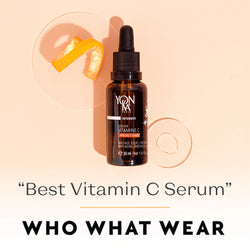
Step 3: Targeted Treatment with Oils Now is the time for your oil-based treatment. For those with dehydrated skin, a targeted booster like Serum Omega provides a concentrated dose of lipid-restoring oils. If you are looking for a visible glow and antioxidant protection, Serum Vitamine C 20% combines high-stability Vitamin C with plant oils to brighten the appearance of the complexion and smooth the look of lines.
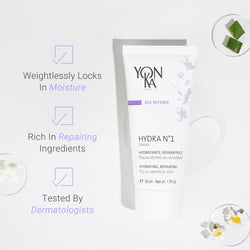
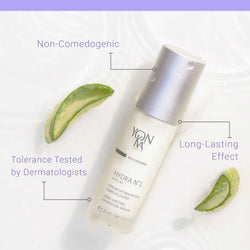
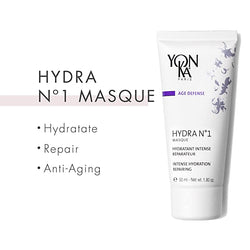
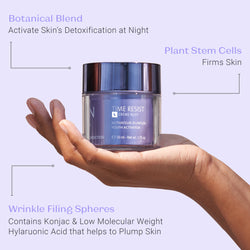
Step 4: Locking in the Moisture While oils are great for softening the skin, they don't always provide the humectant hydration (water-binding) that the skin needs. Following your oil with a cream like Hydra N°1 Creme or Time Resist Jour ensures that both water and oil are locked into the dermal layers for a plump, youthful appearance.
Key Takeaway: Oils are best applied to damp skin. By misting with a phyto-aromatic toner first, you create an emulsion that allows the oil to penetrate deeper and more evenly, leaving the skin glowing rather than oily.
The Science of Phyto-Aromatic Skincare
The reason botanical oils are so effective for wrinkles is rooted in the science of phytotherapy (plant therapy) and aromatherapy. Plants produce essential oils as a defense mechanism against environmental stressors—the same stressors that cause our skin to age. By carefully extracting these compounds, we can "borrow" the plant's resilience.
Our 100% French production facility near Paris operates under strict pharmaceutical standards (ISO 22716). This ensures that the natural ingredients we use, which average 92% of natural origin across our formulas, remain stable and active. When you use a professional-grade botanical oil, you are benefiting from over 70 years of research into how plant molecules interact with the skin's architecture.
For example, our Advanced Optimizer collection uses plant peptides alongside essential oils to visibly lift and firm the skin. This fusion of marine biology and aromatherapy represents the modern evolution of traditional facial oils.
Addressing Common Myths About Facial Oils
Despite their benefits, many people are hesitant to use oils on their faces. Let’s address the most common misconceptions.
Myth: "Oils will make my skin breakout." Fact: Most high-quality botanical oils are non-comedogenic, meaning they do not clog pores. In fact, oils like Jojoba can help regulate your skin's own oil production, leading to clearer skin over time.
Myth: "I don't need oil if I have oily skin." Fact: Even oily skin can be dehydrated and prone to wrinkles. Using a lightweight, balancing oil can provide the essential fatty acids your skin needs to stay firm without feeling heavy.
Myth: "Oils can replace my sunscreen." Fact: While some oils, like Carrot Seed or Raspberry Seed, contain antioxidants that support the skin's defense, they do not provide adequate SPF protection. You must always finish your morning ritual with a dedicated sun protector.
Professional Spa Expertise for Mature Skin
While a home ritual is the foundation of skin health, professional treatments can offer deeper results. Yon-Ka was born in the treatment room, and our products are trusted by over 7,000 skincare professionals worldwide. A professional esthetician can use specialized techniques, such as lymphatic drainage or facial massage, to enhance the penetration of anti-aging oils.
If you are looking to take your skincare to the next level, we encourage you to explore our spa treatments. A professional "Age Exception" or "Deep Firming" treatment can provide an immediate visible lift and deep rejuvenation that sets the stage for your homecare success.
Conclusion
Finding which oil is good for wrinkles on face is a journey toward reconnecting with the potency of the natural world. Whether you choose the firming power of Geranium, the rejuvenating touch of Frankincense, or the lipid-rich nourishment of Rosehip, botanical oils provide a sensorial and effective way to support your skin's beauty at every age. At Yon-Ka Paris, we remain dedicated to the belief that skincare is a ritual worth savoring—one built on the power of plants and 70 years of phyto-aromatic expertise. By combining these time-honored oils with modern scientific rigor, we help you achieve a complexion that feels as vibrant as it looks.
"The most beautiful skin is skin that is healthy, balanced, and nurtured by the elements."
To continue exploring botanical skincare education, browse the Yon-Ka blog. Embracing the power of botanical oils is the first step toward a more radiant, resilient, and youthful you.
FAQ
Can I use face oil instead of a moisturizer?
While face oils are excellent emollients that soften and seal the skin, they do not contain humectants, which are ingredients that draw water into the skin. For the best results in treating wrinkles, we recommend applying oil over a water-based serum or under a moisturizer to ensure your skin receives both hydration and nourishment.
Which oil is best for deep wrinkles on the face?
For deeper wrinkles, look for oils that support skin firmness and cell turnover, such as Frankincense essential oil and Rosehip carrier oil. These oils are rich in antioxidants and pro-vitamin A, which help to visibly smooth the skin's texture and improve the appearance of deep lines over time.
Are essential oils safe for sensitive skin?
Yes, but they must be properly formulated and diluted. If you have sensitive skin, choose products designed specifically for your skin type, such as the Sensitive & Redness collection, and always perform a patch test before introducing a new phyto-aromatic product into your ritual.
Should I apply face oil in the morning or at night?
You can use face oil both morning and night, depending on your skin type. If you have dry skin, a few drops in the morning can provide a radiant glow under makeup. If you have oily or combination skin, you may prefer to use oils primarily in the evening to support the skin's natural repair process while you sleep.