Table of Contents
- Introduction
- The Biological Clock: When Eye Wrinkles Typically Appear
- The Anatomy of the Eye: Why it Ages First
- External Accelerators: What Hastens the Process
- The Phyto-Aromatic Approach to Eye Care
- Building Your Preventative Ritual
- Advanced Care for Established Wrinkles
- Lifestyle Habits for Youthful Eyes
- Professional Care and Expert Guidance
- Conclusion
- FAQ
Introduction
When you catch your reflection in the morning light, you might notice subtle changes that weren’t there a few years ago. For many, the eyes are the first place where the story of our lives—our smiles, our squinting in the sun, and our sleepless nights—begins to show on the surface. At Yon-Ka Paris, we view these changes not as flaws to be hidden, but as a signal that the skin’s delicate ecosystem is shifting. Understanding the timeline of when under-eye wrinkles appear and why they form allows you to care for this sensitive area with the precision and grace it deserves. In this article, we will explore the typical age ranges for the first signs of fine lines, the unique anatomy of the periorbital area, and how a consistent, phyto-aromatic ritual can support a smooth, vibrant appearance at any stage of life.
Quick Answer: Most people notice the first fine lines under their eyes in their mid-20s to early 30s as "dynamic" lines. By the mid-30s, these often transition into "static" wrinkles that remain visible even when the face is at rest.
The Biological Clock: When Eye Wrinkles Typically Appear
The timeline for skin aging is deeply personal, influenced by a blend of genetics and lifestyle. However, most skincare professionals recognize a general pattern in the appearance of under-eye lines. Understanding where you fall on this spectrum helps you choose the right botanical interventions.
The Early 20s: The Foundation Years
In your early 20s, the skin is usually at its peak resilience. Collagen and elastin—the proteins responsible for firmness and "snap back"—are being produced at optimal levels. While you likely won't see permanent wrinkles, this is when "dynamic" lines can be observed. These are the creases that appear only when you smile or squint. Because the skin is still supple, it smooths out instantly once your expression relaxes.
The Mid-20s to Early 30s: The Transition
This is the decade when many individuals first notice the faint beginnings of crow’s feet or fine lines directly beneath the lower lashes. Around age 25, the body’s natural production of collagen begins to decline by about 1% each year. As this structural support wanes, dynamic lines may start to linger for a few moments after you stop smiling. This is the ideal window to introduce targeted eye care to preserve the skin’s integrity.
The Mid-30s to 40s: Static Lines Emerge
By the time we reach our mid-30s, the lines that were once only visible during movement often become "static." This means they remain visible even when your face is immobile. The skin may also begin to look slightly thinner or more "crepey" in texture. This is often due to the cumulative effects of sun exposure and the natural slowing of cell turnover, which makes the skin’s surface less efficient at reflecting light and retaining moisture.
50s and Beyond: Volume and Texture Changes
In your 50s, hormonal shifts—particularly the drop in estrogen during menopause—can lead to a more rapid loss of skin density. The underlying fat pads beneath the eyes may also shift or diminish, which can make fine lines appear deeper and more pronounced. At this stage, the focus of a skincare ritual shifts toward intense lipid replenishment and firming botanicals to support the skin's architecture.
The Anatomy of the Eye: Why it Ages First
It is no coincidence that the eyes are often the first area to show signs of maturity. The skin in the periorbital hollow is biologically distinct from the rest of your face, making it uniquely vulnerable to the passage of time.
Thickness and Sensitivity The skin around the eyes is the thinnest on the entire body. While the skin on your forehead or cheeks might be nearly 2 millimeters thick, the skin under your eyes can be as thin as 0.2 to 0.5 millimeters. This lack of depth means that the breakdown of collagen and elastin is visible much sooner than it would be on thicker skin.
A Lack of Natural Hydration Unlike the "T-zone" of the face, the eye area has very few sebaceous (oil) glands. Sebum is the skin’s natural moisturizer, helping to maintain the lipid barrier that keeps the surface plump and protected. Because this area is naturally drier, it is more prone to dehydration. Dehydrated skin loses its volume, which causes existing fine lines to look deeper and more noticeable.
Constant Mechanical Stress We are constantly moving our eyes. Between blinking—which we do upwards of 10,000 times a day—and expressing emotions through smiles and frowns, the skin around the eyes is subject to more repetitive mechanical stress than almost any other part of the body. Over time, this constant folding and unfolding of the skin leads to permanent creases.
External Accelerators: What Hastens the Process
While aging is a natural biological process, certain environmental and lifestyle factors can cause wrinkles to appear much earlier than expected. By identifying these "accelerators," we can take proactive steps to protect our skin.
- UV Radiation: Unprotected sun exposure is responsible for up to 90% of visible skin aging. UV rays penetrate deep into the dermis, where they break down the collagen fibers that keep skin taut.
- Smoking: Tobacco use narrows the blood vessels in the outermost layers of the skin, impairing circulation. This deprives the eye area of essential oxygen and nutrients like Vitamin A, leading to a leathery texture and premature lines.
- Blue Light Exposure: Modern life involves hours spent in front of digital screens. High-energy visible (HEV) light, or blue light, can generate oxidative stress that contributes to the breakdown of skin cells.
- Sleep Positions: Habitually sleeping on your side or stomach can press the delicate skin of your face into the pillow. Over years, these "compression wrinkles" can become permanent features of the under-eye area.
- Allergies and Rubbing: Chronic allergies often lead to eye rubbing. This physical friction can damage the tiny capillaries and weaken the skin’s surface, contributing to both dark circles and fine lines.
Key Takeaway: Under-eye wrinkles are caused by a combination of thin skin anatomy, high movement, and environmental damage, making early prevention through hydration and protection essential.
The Phyto-Aromatic Approach to Eye Care
Our philosophy is rooted in the belief that the most effective skincare comes from a harmonious blend of botanical science and pharmaceutical rigor. We utilize the power of phytotherapy—the use of plant extracts—to address the visible signs of aging without the use of harsh, synthetic irritants that can overwhelm the delicate eye area.
The heart of our formulations is the Quintessence, an exclusive complex of five essential oils: lavender, geranium, rosemary, cypress, and thyme. This 100% natural and active blend serves as a foundation for revitalization. In eye care, ingredients like rosemary are particularly valued for their ability to support microcirculation, helping to reduce the look of puffiness while firming the appearance of the skin. Learn more about our ingredient philosophy in Our Ingredients.
When introducing essential oils into your ritual, we recommend a simple patch test on the inner forearm for 24 hours. While a fleeting tingling sensation can be a normal sign of active botanicals at work, persistent redness means you should reduce frequency. Introducing one new product at a time allows your skin to adapt beautifully to these potent plant actives.
Building Your Preventative Ritual
Addressing under-eye wrinkles is most effective when approached as a consistent, layered ritual. This method ensures the skin is clean, prepared, and deeply nourished.
Cleanse and Prepare
The first step is always gentle, barrier-respecting cleansing. Using Lait Nettoyant, a silken cleansing milk, allows you to remove makeup and pollution without pulling on the thin under-eye tissue. Follow this with a mist of Lotion Yon-Ka, our iconic phyto-aromatic toner. This mist not only hydrates but also prepares the skin to better absorb the active ingredients in your targeted treatments.
Target and Treat
For those in their 20s and early 30s focusing on prevention and early signs of fatigue, Phyto-Contour is a staple. This refined cream uses the invigorating power of rosemary to visibly firm the eye contours and diminish the appearance of dark circles and morning puffiness.
If fine lines have already begun to establish themselves, Alpha-Contour provides a smoothing effect. It contains a precise blend of fruit acids that gently exfoliate the skin's surface, encouraging renewal and refining the appearance of skin texture without causing sensitivity.
Hydrate and Protect
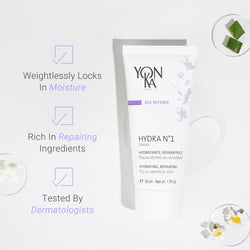
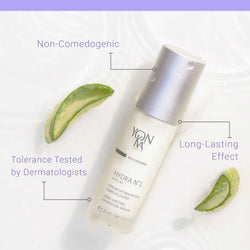
Dehydration is one of the most common reasons fine lines look more prominent than they actually are. Integrating a deeply hydrating treatment like Hydra N°1 Crème into your routine can help "plump" the look of the skin through long-lasting moisture. Finally, never skip sun protection. A broad-spectrum SPF is your most powerful tool in preventing the deepening of wrinkles caused by photo-aging.
Advanced Care for Established Wrinkles
As we move into our 40s and 50s, the skin requires more intensive support to address a loss of firmness and deeper creases. The Age Exception collection was designed specifically for these mature skin needs.
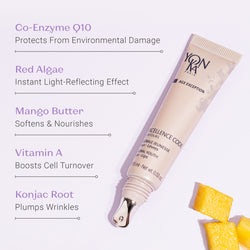
Within this range, Excellence Code Contours serves as a comprehensive solution for the eyes and lips. It targets the four major signs of aging: wrinkles, sagging, puffiness, and dark circles. By utilizing ingredients like Persian silk tree and St. Paul’s wort, this formula helps to support the skin's natural resilience. Its unique applicator also allows for a cooling massage during application, which can help soothe the eye area and enhance the product’s smoothing effects.
For those looking to boost the brightness of their gaze, Serum Vitamine C 20% can be a powerful addition. While not an eye cream itself, this vitamin C serum can be used on the face to support overall radiance and protect against the oxidative stress that contributes to eye-area aging.
Lifestyle Habits for Youthful Eyes
Beyond the products you apply, how you live and care for your body plays a significant role in the appearance of your eyes. Small shifts in daily habits can yield significant long-term results.
- Hydrate from Within: Drinking adequate water ensures that skin cells remain plump. When the body is dehydrated, the skin under the eyes can look sunken and dark, making wrinkles more visible.
- Wear Sunglasses: This is a double-benefit habit. Large, UV-rated sunglasses protect the thin skin from sun damage and prevent the repetitive squinting that leads to crow's feet.
- The Power of Sleep: During sleep, your skin enters a repair phase. High-quality rest allows for better circulation and reduces the cortisol levels that can break down collagen.
- Dietary Support: Incorporate foods rich in Vitamins A, C, and E. These antioxidants help the skin fight off free radicals and support the production of healthy new cells. Think of colorful berries, leafy greens, and healthy fats like avocado.
- Gentle Removal: Never rub your eyes to remove mascara. Soak a cotton pad in a gentle remover and hold it against the eye for 30 seconds to dissolve the makeup before gently wiping it away.
Bottom line: While you cannot stop the clock, a combination of professional-grade botanical skincare and protective lifestyle choices can significantly soften the appearance of under-eye lines.
Professional Care and Expert Guidance
The Yon-Ka Paris professional heritage is rooted in the treatment room. For over 70 years, we have partnered with skincare professionals who understand that every face is unique. If you find that home care isn't providing the results you desire, visiting a spa for a professional treatment can offer deeper exfoliation and more intensive hydration than can be achieved at home.
A professional aesthetician can analyze your skin’s specific needs—whether you are dealing with true wrinkles or simply deep dehydration—and recommend a tailored program. You can find a nearby expert through our Spa Locator. For those who prefer to refine their home routine immediately, our Skin Diagnosis quiz and Product Matcher tools provide personalized recommendations based on your unique skin concerns.
If you want to go deeper into the brand’s philosophy, our formulas explain how Yon-Ka balances efficacy, safety, and botanical expertise in every product.
Conclusion
The journey of our skin is a natural reflection of time, but the way we care for it can define how gracefully that story is told. While under-eye wrinkles typically begin their appearance in our late 20s or early 30s, the use of targeted botanical ingredients and consistent rituals can preserve a look of vitality for decades. By embracing the power of phytotherapy and protecting your skin from environmental stressors, you are investing in more than just an appearance; you are honoring the health of your skin. We believe that skincare is a ritual worth savoring, built on the synergy of nature and science that has defined our family-founded house since 1954.
"The eyes are the most expressive part of the face; caring for them with gentle, potent botanicals is an act of self-care that restores both the skin and the spirit."
To discover the best ritual for your specific needs, explore our eye and lip contour treatments or take our Skin Diagnosis quiz today.
FAQ
At what age should I start using an eye cream?
We generally recommend introducing a hydrating eye treatment in your early 20s. While you may not have visible wrinkles yet, the skin in this area is prone to dehydration and fatigue, and early prevention with products like Phyto-Contour can help maintain the skin's elasticity before permanent lines form.
Can eye creams actually remove existing wrinkles?
No cosmetic product can permanently "remove" a wrinkle once it has formed in the dermis, but they can significantly improve their appearance. High-quality formulas containing hyaluronic acid, peptides, or fruit acids like Alpha-Contour can plump the skin and smooth the surface texture, making lines look much less noticeable.
Does squinting at a computer screen cause eye wrinkles?
Yes, repetitive facial movements like squinting or frowning can contribute to "dynamic" lines that eventually become static wrinkles. If you spend significant time in front of screens, it is helpful to take frequent breaks, ensure your prescription is up to date to prevent squinting, and use antioxidant-rich products to combat blue light stress.
Why do my under-eye wrinkles look worse in the morning?
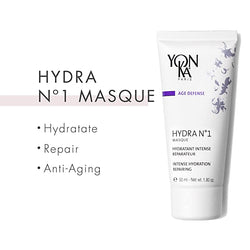
Under-eye lines often look more prominent in the morning due to overnight dehydration or fluid retention (puffiness). As you sleep, your body can lose moisture; applying a nourishing treatment like Hydra N°1 Masque or a targeted eye cream before bed can help keep the area plumped and hydrated until morning.
Is it safe to use products with essential oils around my eyes?
Our products are formulated with pharmaceutical rigor to ensure they are both effective and safe for the delicate eye area. However, because everyone's skin is unique, we always recommend a patch test on the inner forearm before full application and avoiding direct contact with the eyes themselves.