Table of Contents
- Introduction
- Understanding the Delicate Nature of the Eye Contour
- Identifying the Different Types of Eye Wrinkles
- The Professional Yon-Ka Ritual for Eye Rejuvenation
- Key Ingredients to Look For
- The Role of Lifestyle in Preventing Eye Aging
- Professional Treatments: The Next Level of Care
- Myth vs. Fact: Eye Wrinkles
- Building a Consistent Eye Ritual
- Conclusion
- FAQ
Introduction
The skin around our eyes is often the first to tell the story of our lives—the laughter shared with friends, the squinting against a bright summer sun, and the quiet moments of late-night reflection. Because this area is exceptionally delicate, it requires a specialized approach that respects its fragility while delivering powerful, age-defying results. At Yon-Ka Paris, we believe that addressing eye wrinkles is not about erasing the evidence of a life well-lived, but about nourishing the skin so it remains as vibrant and resilient as the spirit behind it. In this guide, we will explore the biological reasons why the eye contour ages faster than the rest of the face and provide a professional, phyto-aromatic roadmap for smoothing, firming, and revitalizing this focal point of your beauty. By combining botanical science with consistent ritual care, you can maintain a youthful, rested appearance at any age.
Understanding the Delicate Nature of the Eye Contour
Before deciding what to do for wrinkles around the eyes, it is essential to understand why this specific area is so prone to fine lines. The skin surrounding the eyes is the thinnest on the entire body, measuring only about 0.5 millimeters in thickness—roughly three to five times thinner than the skin on the rest of the face.
This physiological thinness means the eye area has very few sebaceous glands, which produce the natural oils (sebum) necessary to keep skin moisturized and protected. Without a robust lipid barrier, moisture evaporates more quickly, leading to dehydration-induced fine lines. Furthermore, the eye area sits atop a complex network of 22 muscles that are constantly in motion. We blink upwards of 10,000 times a day, and every smile, frown, or squint puts mechanical stress on the collagen and elastin fibers that provide structural support.
Quick Answer: To address wrinkles around the eyes, focus on a multi-layered approach that includes deep hydration with hyaluronic acid, collagen support through peptides and vitamin C, and daily protection with broad-spectrum SPF. Consistent use of targeted eye contours like Phyto-Contour or Alpha-Contour can visibly smooth the skin’s appearance over time.
Identifying the Different Types of Eye Wrinkles
Not all wrinkles are created equal. Understanding which type of lines you are seeing will help you choose the most effective products and treatments.
Dynamic Wrinkles
These lines appear only when you are making facial expressions. When you laugh or squint, the muscles contract and the skin folds. In youthful skin, these lines disappear the moment the face relaxes. However, as we age and our "skin memory" diminishes, these temporary folds can begin to linger. The most common dynamic wrinkles are "crow’s feet" at the outer corners of the eyes.
Static Wrinkles
Static wrinkles are the lines that remain visible even when your face is completely at rest. These are caused by the gradual breakdown of collagen and elastin, often accelerated by environmental factors like UV exposure and pollution. Static wrinkles signify that the skin's internal support structure has weakened and requires more intensive revitalization.
Wrinkle Folds
As we mature, we experience a loss of underlying fat and bone density in the facial structure. This can cause the skin to sag, leading to deeper folds or "hollows" under the eyes. These folds are often more related to volume loss and gravity than simple surface texture issues, though they often coexist with fine lines.
The Professional Yon-Ka Ritual for Eye Rejuvenation
We believe that skincare is most effective when practiced as a consistent ritual rather than a series of disconnected steps. To address eye wrinkles effectively, the products you apply must be supported by a healthy skin foundation.
Step 1: Gentle, Barrier-Respecting Cleansing
The skin around the eyes should never be scrubbed or pulled. When removing makeup, use a soft, milky cleanser like Lait Nettoyant. This formula gently lifts impurities while respecting the lipid balance of the eye area. Always use your ring finger—your weakest finger—to apply products around the eyes to ensure the lightest touch possible.
Step 2: Prepare with a Phyto-Aromatic Mist
After cleansing, the skin needs to be prepared to absorb active ingredients. Our signature Lotion Yon-Ka PS provides a refreshing burst of our Quintessence—an exclusive complex of lavender, geranium, rosemary, cypress, and thyme. This mist hydrates and optimizes the skin's receptivity to the targeted treatments that follow.
Step 3: Target with Specialized Eye Contours
This is the most critical step for addressing wrinkles. Depending on your primary concern, you may choose from several professional-grade formulas:
- Alpha-Contour: For those seeing early fine lines and wanting to resurface the skin, this non-oily gel uses fruit acids (AHAs) to gently exfoliate and hydrate. It helps to smooth the appearance of the skin’s texture without irritation.
- Phyto-Contour: If your wrinkles are accompanied by puffiness or dark circles, this rosemary-infused cream is a staple in our professional treatments. It provides a "firming" sensation and helps the eye area look more awake and refreshed.
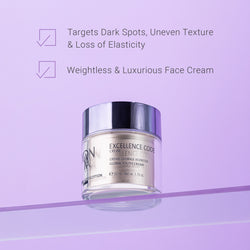
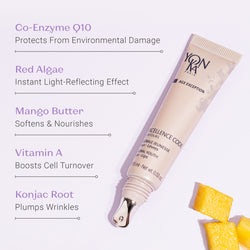
- Excellence Code Contours: For more mature skin experiencing deep wrinkles, sagging, or a loss of radiance, this premium "all-in-one" treatment targets the signs of aging with a patented applicator that provides a cooling, lifting effect.
Step 4: Protect and Moisturize
During the day, the eye area must be shielded from environmental aggressors. Following your eye treatment, apply a protective day cream like Vital Defense, which contains antioxidants to help neutralize the free radicals that lead to premature wrinkling.
Key Ingredients to Look For
When evaluating what to do for wrinkles around the eyes, certain botanical and scientific ingredients stand out for their ability to support the skin’s appearance.
Hyaluronic Acid
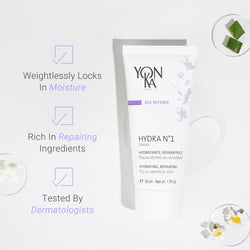
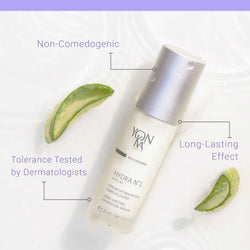
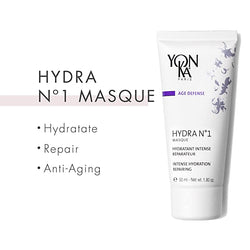
Hyaluronic acid is a humectant, meaning it can hold up to 1,000 times its weight in water. Because the eye area is so prone to dehydration, hyaluronic acid is essential for "plumping" the appearance of fine lines from the inside out. You can find this in Hydra N°1 Creme, which provides intense, multi-level hydration.
Peptides
Peptides are short chains of amino acids that act as messengers to the skin, encouraging the appearance of firmness and elasticity. They are particularly effective in "signal" eye creams that aim to reduce the look of deep-set wrinkles by supporting the skin's natural structural proteins.
Vitamin C
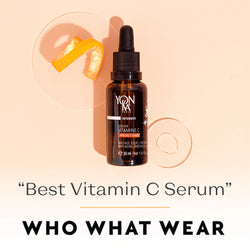
A powerful antioxidant, Vitamin C helps to brighten the appearance of the eye area and defend against oxidative stress. Using a high-potency serum like Serum C20 on the face can improve overall radiance, while specific eye formulas containing Vitamin C help address the dullness that often makes wrinkles look more pronounced.
Fruit Acids (AHAs)
Citric, lactic, and glycolic acids derived from fruits help to dissolve the bonds between dead skin cells. In an eye-specific concentration, like that found in Alpha-Contour, these acids provide a gentle "polishing" effect that makes fine lines less visible and helps subsequent products penetrate more effectively.
Key Takeaway: Effective eye rejuvenation requires a balance of hydration to plump the surface and active ingredients like peptides or AHAs to address deeper structural concerns and texture.
The Role of Lifestyle in Preventing Eye Aging
While topical skincare is vital, your daily habits significantly influence how quickly wrinkles form and deepen around the eyes.
Sun Protection and Sunglasses
UV radiation is responsible for up to 80% of visible skin aging. Because the skin around the eyes is so thin, it is particularly susceptible to "photo-aging." In addition to applying an eye-safe SPF, wearing high-quality, UV-blocking sunglasses is one of the best ways to prevent wrinkles. Sunglasses provide a physical barrier and, importantly, prevent you from squinting—the repetitive motion that creates dynamic crow’s feet. Sun Care collection
Sleep Hygiene and Position
The term "beauty sleep" is rooted in biological fact; the skin undergoes its primary repair processes while we rest. To prevent "sleep wrinkles," try to sleep on your back. Sleeping on your side or stomach can press the delicate eye tissue into the pillow, creating creases that may become permanent over time. Switching to a silk or satin pillowcase can also reduce friction on the skin.
Dietary Hydration and Nutrition
Skin health begins internally. A diet rich in Omega fatty acids (found in walnuts, flaxseeds, and salmon) helps maintain the skin’s lipid barrier. Furthermore, staying hydrated by drinking plenty of water ensures that the cells in the eye area remain plump and functional.
Professional Treatments: The Next Level of Care
Sometimes, home care is most effective when supplemented by professional expertise. Our heritage is rooted in the professional spa environment, with over 7,000 skincare professionals worldwide trusting our protocols.
If you are looking for more dramatic results for eye wrinkles, a professional Yon-Ka treatment can provide intensive exfoliation and specialized massage techniques that are difficult to replicate at home. Treatments like our "Eclat Contour" focus specifically on the eye area, using professional-only concentrations of active ingredients to smooth and decongest the tissue. You can find a nearby professional by using our Spa Locator to experience these results firsthand.
Myth vs. Fact: Eye Wrinkles
Understanding the truth about eye care can save you time and frustration in your skincare journey.
Myth: You can use your regular face moisturizer as an eye cream. Fact: While some moisturizers are safe, many contain heavy oils or active ingredients (like high-strength perfumes or certain acids) that can migrate into the eye and cause irritation or "milia"—tiny white bumps caused by trapped keratin. Eye-specific formulas are ophthalmologically tested and designed with the correct molecular weight for thin skin.
Myth: Anti-aging eye products are only for people over 40. Fact: Prevention is far more effective than correction. Starting a preventative eye routine in your 20s or 30s—focusing on hydration and sun protection—can significantly delay the appearance of static wrinkles.
Myth: Expensive eye creams work instantly. Fact: Skincare is a marathon, not a sprint. While some ingredients (like hyaluronic acid) provide an immediate temporary plumping effect, ingredients that support collagen and elastin typically require 4 to 8 weeks of consistent use to show visible changes in wrinkle depth.
Building a Consistent Eye Ritual
To see real change in the appearance of wrinkles, consistency is non-negotiable. Here is a simple way to integrate eye care into your morning and evening programs:
Morning Ritual:
- Cleanse: Use Lait Nettoyant to refresh the skin.
- Mist: Spray Lotion Yon-Ka PS and gently pat.
- Treat: Apply a cooling gel like Alpha-Contour to hydrate and smooth for the day ahead.
- Protect: Apply your face moisturizer and a dedicated SPF.
Evening Ritual:
- Double Cleanse: Ensure all makeup and environmental pollutants are removed.
- Mist: Re-hydrate with Lotion Yon-Ka PS.
- Intensive Treat: Apply a richer formula like Phyto-Contour or Excellence Code Contours. This is when your skin is in "repair mode" and can best utilize these nourishing ingredients.
- Seal: If your skin is exceptionally dry, follow with a thin layer of Serum Omega to lock in moisture overnight.
Note: When introducing a new eye product, we recommend a patch test on the inner forearm for 24 hours. Introduce one product at a time to monitor how your skin responds. A slight, temporary tingling can be normal with active botanical ingredients, but persistent redness or irritation means you should reduce the frequency of use or consult your aesthetician. If you want help pairing products, see our pairing guide.
Conclusion
Determining what to do for wrinkles around the eyes involves a thoughtful combination of specialized botanical formulas, protective lifestyle habits, and a commitment to a daily ritual. By treating the eye contour with the gentleness it requires and the high-potency ingredients it needs, you can support a smoother, firmer, and more radiant appearance. At Yon-Ka Paris, our 70-year legacy in phyto-aromatic chemistry and Quintessence ensures that every product we create is rooted in the belief that skincare should be a holistic, sensorial experience that delivers visible, professional-level results.
- Prioritize hydration with hyaluronic acid and botanicals to plump fine lines.
- Protect the delicate area with SPF and sunglasses to prevent new wrinkles.
- Choose targeted eye contours like Alpha-Contour or Phyto-Contour based on your specific concerns.
- Practice consistency in your ritual to see long-term improvements in skin texture and firmness.
"Skincare is an act of self-care that begins with the eyes—the window to our most cherished expressions. By honoring this delicate area with the power of nature and science, we preserve the vitality of our gaze for years to come."
To find the perfect products for your unique eye concerns, we invite you to take our Skin Diagnosis quiz or use the Product Matcher on our website. You can also explore our full range of eye and lip contours to build your custom ritual.
FAQ
When should I start using an eye cream for wrinkles?
It is generally recommended to start using a preventative eye cream in your mid-20s. During this time, your skin's natural production of collagen begins to slow down, and early hydration can prevent the formation of dehydration lines that eventually turn into deeper wrinkles.
Can eye creams completely remove existing wrinkles?
While no cosmetic product can permanently "erase" deep wrinkles like a surgical procedure might, high-quality eye creams can significantly reduce their appearance. By hydrating the skin and supporting the appearance of firmness, topicals make wrinkles look shallower, smoother, and less noticeable.
Why do my eyes look more wrinkled when I am tired?
Lack of sleep causes the skin to become dehydrated and can impair local circulation, leading to puffiness and dark circles. This lack of "plumpness" makes existing fine lines and wrinkles appear more prominent and "etched" into the skin.
Is it safe to use products with essential oils around the eyes?
Yes, provided they are professionally formulated for the eye area. Yon-Ka products utilize precisely measured concentrations of essential oils and botanicals that are tested for safety and efficacy, ensuring you receive the aromatic and therapeutic benefits without irritating the delicate ocular tissue.