Table of Contents
- Introduction
- The Science of Occlusion and Your Skin
- Does Petroleum Jelly Actually Treat Wrinkles?
- Limitations of Mineral-Based Skincare
- The Phyto-Aromatic Alternative
- Building a Ritual for Smooth, Radiant Skin
- When to Use Occlusives Safely
- Moving Beyond the "Slugging" Trend
- Lifestyle Factors in Wrinkle Prevention
- Conclusion
- FAQ
Introduction
The quest for a smooth, resilient complexion often leads us back to the simplest of remedies. You may have seen the "slugging" trend on social media or remember your grandmother’s glowing skin attributed to a simple jar of ointment. While there is a unique, tactile satisfaction in finding a solution that shields the skin from the elements, it is essential to distinguish between a temporary protective barrier and active age management. At Yon-Ka Paris, we believe that true skin health is a balance of pharmaceutical rigor and botanical soul. This article explores whether petroleum jelly is truly effective for addressing fine lines or if it simply offers a fleeting illusion of youth. We will delve into the science of occlusion, the needs of maturing skin, and how a professional-led ritual can provide the long-term results that simple mineral oils cannot.
Quick Answer: Petroleum jelly does not "remove" wrinkles because it contains no active ingredients to stimulate collagen or repair the skin's structure. However, it can temporarily make fine lines appear less prominent by sealing in moisture and plumping the top layer of the skin through intense hydration.
The Science of Occlusion and Your Skin
To understand if petroleum jelly is good for wrinkles, we must first look at how it interacts with the skin’s surface. Petroleum jelly is a mixture of mineral oils and waxes. It is a byproduct of the refining process, and the high-grade version used in skincare is purified to be safe and non-irritating. Its primary role in skincare is that of an occlusive.
An occlusive is a substance that creates a physical seal on the surface of the skin. This barrier is remarkably effective at preventing Transepidermal Water Loss (TEWL)—the process by which moisture evaporates from your skin into the surrounding air. By preventing this evaporation, petroleum jelly forces moisture to remain within the skin.
This "sealing" effect provides immediate relief for a compromised skin barrier or extremely dry patches. However, because it is biologically inert, it does not absorb into the deeper layers of the dermis. It sits as a protective shield, guarding the surface while the biological processes of aging continue beneath it.
Does Petroleum Jelly Actually Treat Wrinkles?
The short answer is no; petroleum jelly cannot biologically reverse or "cure" wrinkles. To understand why, we have to look at the anatomy of an aging skin cell. True wrinkles—the deep-set lines and folds that appear over time—are caused by a breakdown of collagen and elastin in the dermis.
Collagen provides the skin with its structural framework, while elastin allows it to "snap back" after movement. As we age, our natural production of these proteins slows, and environmental stressors like UV exposure accelerate their degradation. Petroleum jelly lacks the peptides, antioxidants, or vitamins required to signal cells to produce more of these vital proteins.
The Illusion of Smoothness
Why, then, do so many people swear it works? The answer lies in the difference between dehydration lines and structural wrinkles.
- Dehydration lines are fine, surface-level crinkles that appear when the top layer of the skin (the stratum corneum) is parched.
- By trapping moisture, petroleum jelly causes these surface cells to swell slightly, which "fills in" the gaps and makes the skin look temporarily smoother and more radiant.
- Once the product is removed and the moisture levels normalize, the underlying structural wrinkles remain unchanged.
Key Takeaway: Petroleum jelly functions as a "sealant" rather than a "treatment." It masks the appearance of fine lines by hydrating the surface but does not address the underlying biological causes of skin aging.
Limitations of Mineral-Based Skincare
While the barrier-forming properties of petroleum jelly are impressive, there are several reasons why it may not be the ideal choice for a sophisticated daily anti-aging routine.
Lack of Nutritional Value
Unlike botanical oils, petroleum jelly is biologically "quiet." It provides no vitamins, no minerals, and no essential fatty acids. While it prevents moisture from leaving, it does not "feed" the skin the nutrients it needs to repair itself or defend against environmental pollutants.
Potential for Congestion
Because it is such an effective seal, it can also trap sweat, sebum (natural oils), and bacteria against the skin. For those with oily or blemish-prone skin, this can lead to clogged pores and breakouts. Even for those with dry skin, the heavy, greasy feeling can sometimes lead to milia—small, hard white bumps—especially around the delicate eye area where the skin is thinnest.
Missing the "Active" Element
True age-defying skincare relies on "actives"—ingredients that communicate with the skin to encourage renewal. Ingredients like Vitamin C, Alpha Hydroxy Acids (AHAs), and targeted plant extracts are necessary to refine texture and improve the appearance of firmness. Petroleum jelly offers none of these corrective benefits.
The Phyto-Aromatic Alternative
At the heart of our philosophy is the belief that the skin deserves more than just a physical shield. We prefer a phyto-aromatic approach, utilizing plant-based lipids and essential oils that offer both occlusion and nutrition.
Plants produce oils that are often much more compatible with our own skin's natural sebum. For example, oils rich in Omega 3, 6, and 9 fatty acids do not just sit on the surface; they integrate into the skin's lipid barrier, helping to repair it from within. This is why our signature Quintessence—a blend of lavender, geranium, rosemary, cypress, and thyme—is the foundation of our formulas. These oils provide a sensorial experience that supports overall well-being (aromachology) while delivering active benefits to the skin.
Rather than relying on a heavy, inert mineral oil, we recommend products that use high-performance botanical ingredients to achieve the "plumping" effect of petroleum jelly while actually improving the skin's appearance over time.
Building a Ritual for Smooth, Radiant Skin
If your goal is to reduce the look of wrinkles and maintain a healthy glow, a layered approach is far more effective than a single-product "hack." A consistent ritual supports the skin’s natural functions rather than just masking them.
Respectful Cleansing
The first step to any anti-aging routine is a cleanser that does not strip the skin’s natural oils. If you use heavy occlusives like petroleum jelly, you often need harsh surfactants to remove them, which can damage the barrier you are trying to protect. A gentle milk like Lait Nettoyant cleanses while respecting the skin’s balance, leaving it soft and prepared.
The Power of the Mist
After cleansing, your skin needs to be prepped to absorb active ingredients. Lotion Yon-Ka PNG is an alcohol-free mist that hydrates and energizes. This "damp" environment is the perfect canvas for serums and creams to penetrate more deeply, ensuring you get the most out of every drop of your treatment.
Targeted Correction
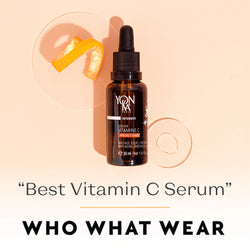
This is the stage where you address the biological signs of aging. For those concerned with dullness and fine lines, a potent dose of stable Vitamin C is essential. Serum Vitamine C 20% is designed to brighten the complexion and support the appearance of firmness.
If your skin feels particularly thin or "empty," adding a few drops of Booster Nutri + to your cream provides the antioxidant-rich nourishment that mineral oils simply cannot offer. This oil-based booster uses cereal germ oils and Vitamin E to reinforce the skin's resilience.
Deep Hydration and Sealing
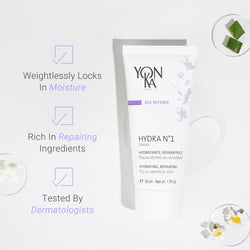
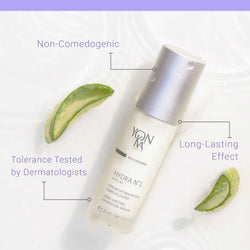
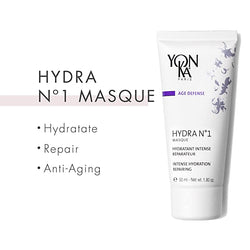
Instead of a mineral-oil-based jelly, choose a moisturizer formulated with high-performance ingredients. Hydra n°1 Crème uses hyaluronic acid—a molecule that can hold up to 1,000 times its weight in water—to provide intense, multi-level hydration. This gives the skin a visible "plumped" look while botanical lipids like shea butter create a breathable, nutrient-rich seal.
Overnight Resurfacing
The night is when the skin focuses on repair. While "slugging" with petroleum jelly can keep the skin moist, a product like Glyconight 10% Masque goes much further. It uses glycolic acid to dissolve the dead skin cells that make wrinkles look deeper. This overnight peel helps to smooth the skin's texture and reveal a more radiant tone, providing a level of renewal that occlusives alone cannot achieve.
When to Use Occlusives Safely
We are not suggesting that heavy occlusives have no place in a skincare arsenal. They can be incredibly helpful in specific, short-term circumstances:
- Extreme Weather: If you are skiing or walking in sub-zero temperatures, a thin layer of a barrier cream can prevent windburn and extreme dryness.
- Healing Compromised Areas: If you have a specific dry patch or an area of irritated skin, a pure occlusive can protect it while it heals.
- Post-Procedure: After certain professional Yon-Ka treatments, a simple barrier is often recommended to prevent irritation.
Note: When introducing any new product or concentrated active into your routine, we recommend a simple patch test on your inner forearm for 24 hours. Introduce one new product at a time to monitor your skin’s response. A slight, fleeting tingling sensation can be normal with essential oils, but persistent redness means you should reduce frequency or discontinue use.
Moving Beyond the "Slugging" Trend
The popular "slugging" technique—applying a thick layer of petroleum jelly as the final step of a nighttime routine—has gained fans for its ability to leave skin feeling soft by morning. However, for those concerned with long-term anti-aging, it is often better to "slug" with high-quality botanical oils.
A product like Serum Omega provides the same moisture-trapping benefits as petroleum jelly but with the added advantage of lipid-restoring plant oils. This allows you to protect the skin barrier while simultaneously delivering the building blocks your skin needs to maintain its elasticity.
Professional treatments also offer a "next-level" approach to wrinkle management. Many of our spa-exclusive protocols focus on deep hydration and lifting techniques that no at-home ointment can replicate. You can find a professional near you using our Spa Locator to experience a personalized treatment that addresses your specific skin concerns.
Lifestyle Factors in Wrinkle Prevention
While topicals are vital, the appearance of face wrinkles is also influenced by lifestyle choices. No amount of petroleum jelly or high-end serum can fully compensate for external damage.
- Sun Protection: Unprotected UV exposure is responsible for up to 80% of visible skin aging. Daily broad-spectrum protection from our sun care collection is the most effective way to prevent future wrinkles.
- Hydration from Within: While occlusives trap water on the surface, drinking enough water ensures that the deeper layers of the dermis are supported.
- Antioxidant-Rich Diet: Consuming foods high in vitamins and polyphenols helps your body defend against the free radicals that break down collagen.
Myth: "Anti-aging products are only for mature skin." Fact: Prevention is the most effective strategy. Supporting the skin's barrier and hydration levels in your 20s and 30s with products like Vital Defense cream can help delay the appearance of fine lines later in life.
Conclusion
Petroleum jelly is a reliable tool for protecting the skin from moisture loss, but it is not a targeted solution for face wrinkles. To truly address the signs of aging, the skin requires a symphony of active ingredients, botanical nutrients, and respectful rituals. By choosing plant-based lipids and high-performance actives, you give your skin the tools it needs to thrive rather than just a shield to hide behind.
At Yon-Ka Paris, our mission is to provide you with a ritual that is as effective as it is sensorial, rooted in our brand story since 1954. We believe that caring for your skin should be an act of wellness, not just a cosmetic necessity.
To find the perfect routine for your unique complexion:
- Explore our Age Correction collection for targeted wrinkle support.
- Take our Skin Quiz to receive a personalized product recommendation.
- Consult with a professional at a Yon-Ka partner spa through our Spa Treatments to experience the power of our specialized treatments.
"Skincare is not just about the surface; it is a ritual of restoration that honors the skin’s natural intelligence." — Yon-Ka Paris
FAQ
Does petroleum jelly stimulate collagen production?
No, petroleum jelly does not contain any active ingredients that can stimulate the production of collagen or elastin. It is an inert substance that sits on the surface of the skin to prevent moisture loss, rather than a treatment that communicates with skin cells to encourage repair.
Can petroleum jelly cause breakouts on the face?
Yes, because petroleum jelly is a powerful occlusive, it can trap sweat, sebum, and bacteria against the skin. For individuals with oily, combination, or acne-prone skin, this can lead to clogged pores and increased breakouts, so it should be used with caution on the face.
Is petroleum jelly safe for the delicate eye area?
While petroleum jelly is generally non-irritating, its heavy consistency can sometimes lead to milia—small, white keratin cysts—around the eyes. For the appearance of fine lines and puffiness in this area, a targeted treatment like Phyto-Contour eye cream is often a lighter and more effective choice.
What is the best alternative to petroleum jelly for anti-aging?
A high-quality botanical oil or a lipid-rich cream like Hydra n°1 Crème is an excellent alternative. These products provide the same moisture-locking benefits as petroleum jelly but also deliver essential fatty acids, vitamins, and active ingredients like hyaluronic acid to support the skin’s biological health.