Table of Contents
- Introduction
- The Anatomy of a Smile: Why Under-Eye Wrinkles Form
- The Phyto-Aromatic Approach to Eye Care
- Building a Ritual for a Smoother Smile
- Proper Application Technique
- Lifestyle Habits to Support Smooth Skin
- Professional Treatments for the Eye Area
- Understanding Ingredient Safety
- Common Myths About Under-Eye Wrinkles
- The Role of Facial Massage
- Choosing the Right Product for Your Age
- Conclusion
- FAQ
Introduction
A warm, genuine smile is arguably the most beautiful feature a person can possess, yet for many, that moment of joy is often followed by a concerned glance in the mirror. When we laugh or smile, the delicate skin around our eyes naturally bunches and folds, creating what we often call "character lines." While these expressions are a testament to a life well-lived, the desire to maintain a smooth, resilient under-eye area is a common skincare goal.
In this guide, we will explore why these specific lines form and how a dedicated, phyto-aromatic approach can help you maintain a youthful appearance. We believe that you should never feel the need to hold back a smile. For the delicate eye area, our eye & lip contour range is designed to support this zone. Through the lens of Yon-Ka Paris, we will discuss the botanical ingredients, specialized rituals, and lifestyle shifts that support skin elasticity and hydration. By understanding the unique needs of the eye contour, you can learn to smile without the worry of deepening wrinkles.
Quick Answer: To minimize under-eye wrinkles when smiling, focus on deep hydration with hyaluronic acid, support collagen with botanical peptides, and protect the delicate area with daily SPF and antioxidants. A consistent morning and evening ritual using targeted eye contours helps maintain skin elasticity, allowing the skin to "bounce back" after facial expressions.
The Anatomy of a Smile: Why Under-Eye Wrinkles Form
The skin surrounding our eyes is remarkably different from the skin on the rest of our face. It is approximately 40% thinner and contains significantly fewer sebaceous (oil) glands and sweat glands. This inherent fragility makes the eye area the first place to show signs of aging, dehydration, and environmental stress.
When you smile, a complex group of muscles called the orbicularis oculi contracts. This muscle encircles the eye, and its primary job is to close the eyelid and support expressions. As this muscle pulls the skin inward to create a smile, the overlying skin must fold to accommodate the movement.
In our youth, high levels of collagen (the protein responsible for structural support) and elastin (the protein that allows skin to stretch and snap back) ensure that these folds disappear the moment our face returns to a neutral position. However, as we age, the natural production of these proteins slows down. The "memory" of the smile begins to linger, leading to lines that transition from dynamic to static.
Dynamic vs. Static Lines
It is helpful to distinguish between the two types of lines that appear in the eye area. Dynamic lines are those that only appear when your muscles are in motion—such as when you are squinting at the sun or laughing at a joke. These are a natural part of human expression.
Static lines are those that remain visible even when your face is completely at rest. These occur when the skin’s internal structure has weakened to the point where it can no longer smooth itself out. Our goal in a botanical skincare ritual is to support the skin so that dynamic lines do not prematurely etch themselves into permanent static wrinkles.
The Phyto-Aromatic Approach to Eye Care
Our philosophy is rooted in the power of phyto-aromatics—the synergy of plant extracts and essential oils. When addressing the appearance of wrinkles under the eyes, we look to nature for ingredients that provide both immediate visible smoothing and long-term structural support.
The skin around the eyes requires "high-performance" ingredients that are delivered in a "low-irritation" format. Because the area is so thin, it is highly permeable, meaning it absorbs products easily but can also react more quickly to harsh synthetics. Botanical actives, when formulated with pharmaceutical rigor, offer a potent yet respectful solution.
Key Ingredients for Eye Resilience
- Hyaluronic Acid: A molecule that can hold many times its weight in water. It acts as a "moisture magnet," plumping the appearance of the skin from within to fill out fine lines.
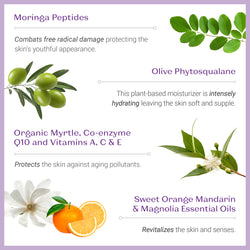
- Botanical Peptides: These are small chains of amino acids that serve as building blocks for proteins like collagen. Peptides derived from plants like lupine or soy can help the skin look firmer and more "lifted."
- Rosemary and Beech Bud: These botanical extracts are known for their revitalizing and smoothing properties. They support the skin's natural renewal process, which is essential for maintaining a refined texture.
- Antioxidants (Vitamin C and E): These protect the delicate eye area from free radical damage caused by pollution and UV rays, which are the primary culprits behind the breakdown of collagen.
Building a Ritual for a Smoother Smile
To effectively address under-eye wrinkles, we move away from the idea of "quick fixes" and toward a consistent, layered ritual. Each step in the process is designed to prepare, treat, and protect the skin, ensuring the eye area remains hydrated and elastic throughout the day.
Prepare with Phyto-Aromatic Hydration
The foundation of any effective eye treatment is proper preparation. After cleansing with a gentle milk like Lait Nettoyant, it is vital to rebalance the skin.
We recommend a generous misting of Lotion Yon-Ka. This alcohol-free toner, infused with our signature Quintessence (lavender, geranium, rosemary, cypress, and thyme), optimizes the skin's receptivity.
Applying eye cream to slightly damp, misted skin allows the active ingredients to penetrate more deeply. The hydration provided by the mist also ensures that the thin under-eye skin is not "tugging" during the application of subsequent products.
Targeted Treatment for the Eye Contour
The "Treat" step is where you address specific concerns. Depending on your skin's needs, you might choose a different texture or active profile:
- For Puffiness and Initial Lines: If you notice that your "smile lines" are accompanied by morning puffiness, Phyto-Contour is a classic choice. Formulated with a high concentration of rosemary, it provides an immediate cooling and invigorating sensation, helping to visibly firm the eye area.
- For Deep Hydration and Smoothing: If the lines under your eyes appear mostly when your skin feels tight or dry, Alpha-Contour uses non-stinging fruit acids and mimosa tenuiflora to gently resurface and hydrate.
- For Advanced Firming: As we mature, the skin needs more "architectural" support. Advanced Optimizer Gel Lift is designed to provide a visible lifting effect, utilizing hibiscus peptides to support the appearance of skin density.
Key Takeaway: Applying your eye product to skin that has been freshly misted with a phyto-aromatic toner increases absorption and prevents the mechanical stress of pulling on dry, delicate tissue.
Proper Application Technique
How you apply your eye care is just as important as the formula itself. Because the skin is so thin, aggressive rubbing can actually contribute to the formation of more wrinkles.
Step 1: The Ring Finger Rule
Always use your ring finger to apply eye products. It is the weakest finger on your hand, ensuring you apply the least amount of pressure to the delicate tissue.
Step 2: The Dotting Method
Place three small dots of cream or gel along the orbital bone (the hard bone just beneath your eye) and one or two dots just below the brow bone. Avoid applying product too close to the lash line, as the product will naturally travel toward the eye as it warms up on your skin.
Step 3: The Gentle Press
Instead of sliding your finger across the skin, use a light "tapping" or "pressing" motion. This encourages lymphatic drainage and helps the product absorb without stretching the skin.
Step 4: The "C" Shape
Follow the shape of a large "C" from the inner corner of the eye, under the eye, and out toward the temple where "crow’s feet" typically form. This ensures full coverage of the area most affected by smiling.
Lifestyle Habits to Support Smooth Skin
While topical products are essential, your internal habits and daily environment play a massive role in how your skin responds to facial expressions.
The Role of Hydration and Nutrition
Dehydrated skin is "crepey" skin. When the body is lacking water, it pulls moisture from the skin to support vital organs. This makes the fine lines under the eyes look much deeper than they actually are. Aim for consistent water intake throughout the day.
From a nutritional standpoint, focus on Vitamin C-rich foods (like bell peppers and citrus) and Healthy Fats (like avocados and walnuts). Vitamin C is a necessary co-factor for collagen synthesis, while healthy fats help maintain the lipid barrier that keeps moisture locked in the skin.
Sun Protection and "Squint Prevention"
UV exposure is responsible for up to 80% of visible skin aging. The sun's rays break down the elastin fibers that allow your skin to snap back after a smile.
- Daily SPF: Even on cloudy days, apply a facial sunscreen. If your eyes are sensitive, look for mineral-based formulas.
- Quality Sunglasses: Beyond protecting the eyes themselves, sunglasses prevent you from squinting. Squinting is a repetitive motion that deepens dynamic lines. Look for "wraparound" styles or large frames that cover the entire orbital area.
Sleep Position and Quality
Believe it or not, how you sleep can etch lines into your face. "Sleep wrinkles" occur when the face is pressed against a pillow for eight hours a night. If possible, try to sleep on your back. If you are a side sleeper, consider a silk or satin pillowcase, which creates less friction and "tugging" on the delicate eye area than traditional cotton.
Professional Treatments for the Eye Area
Sometimes, the skin requires a more intensive "reset" than home care can provide alone. Professional spa treatments can offer deep exfoliation and specialized massage techniques that are difficult to replicate at home.
In a professional setting, an aesthetician might use specialized tools or high-concentration botanical masques to intensely hydrate the eye area. For instance, treatments that incorporate the Excellence Code Contours focus on the global signs of aging, using professional-grade techniques to address the appearance of wrinkles, dark circles, and loss of firmness.
If you are looking to elevate your results, we recommend visiting a certified Yon-Ka spa through our Spa Locator.
Understanding Ingredient Safety
When using products near the eyes, safety is paramount. We maintain a strict formulation charter, excluding known irritants like parabens, phthalates, and SLS. To see how that philosophy translates into product development, explore our formulas. However, because our products contain potent essential oils and botanical actives, we recommend the following:
- Patch Test: When introducing a new eye treatment, apply a tiny amount to the inner forearm for 24 hours to ensure compatibility.
- One at a Time: Introduce only one new product into your ritual at a time so you can accurately monitor your skin’s response.
- Tingling vs. Irritation: A slight, brief tingling sensation can be normal with active botanicals (like the rosemary in Phyto-Contour). However, persistent redness, itching, or swelling is a sign to discontinue use and consult a professional.
Note: If you experience a severe reaction such as significant facial swelling or difficulty breathing, seek urgent medical attention immediately.
Common Myths About Under-Eye Wrinkles
There is a significant amount of misinformation regarding eye care. Let's clarify a few common misconceptions.
Myth: Using a heavy facial moisturizer under the eyes is just as good as a specialized eye cream.
Fact: Facial moisturizers are often too heavy and contain large molecules that cannot effectively penetrate the thin skin of the eye area. Furthermore, they may contain ingredients that are safe for the cheeks but irritating to the eyes.
Myth: You only need eye cream once you see wrinkles.
Fact: Prevention is far more effective than correction. Starting a gentle eye ritual in your 20s helps maintain the skin's structural integrity, delaying the appearance of static lines.
Myth: Expensive "miracle" ingredients are the only way to see results.
Fact: Consistency with proven botanical actives—like peptides, hyaluronic acid, and antioxidants—is more effective than a high-priced product used sporadically.
The Role of Facial Massage
Integrating a brief facial massage into your evening ritual can significantly improve the appearance of the eye area. Massage helps to relax the orbicularis oculi muscle, which may be holding tension from a day of smiling and squinting.
Using a small amount of an oil-in-serum like Serum Omega, you can perform very gentle outward strokes starting from the inner corner of the eye. This not only aids in the penetration of the nourishing lipids but also promotes the drainage of excess fluid that can make wrinkles look more pronounced.
Choosing the Right Product for Your Age
Skincare needs evolve as we move through different stages of life. While the goal of smiling without wrinkles remains the same, the support the skin requires changes. Our anti-aging collections are designed to match those shifting needs.
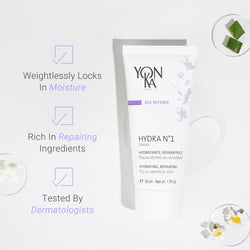
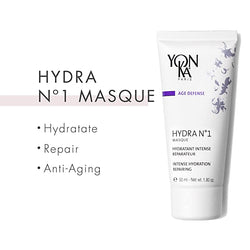
- In your 20s and 30s: Focus on Age Defense. The goal is hydration and antioxidant protection. Products like Hydra N°1 Creme or Alpha-Contour help keep the skin plump and resilient against early environmental damage.
- In your 40s and 50s: Focus on Age Correction. The skin begins to lose elasticity more rapidly. Ingredients like peptides and vitamin C become crucial. Advanced Optimizer Gel Lift helps support the appearance of firmness.
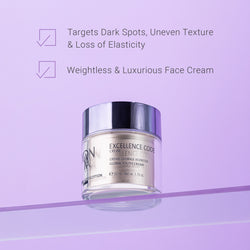
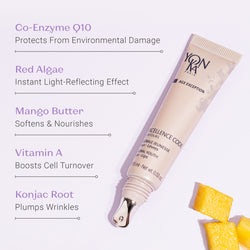
- In your 60s and beyond: Focus on Age Exception. The skin requires intensive nourishment and global anti-aging support. Excellence Code Contours is our premium solution for mature skin, designed to address the look of deep wrinkles and thinning skin.
Bottom line: Your choice of eye care should reflect your current skin concerns—whether that is simple dehydration in your youth or a need for structural lifting in later years—to ensure your smile remains your best feature.
Conclusion
Smiling is a vital expression of our humanity, and the lines that accompany it are a natural part of a vibrant life. However, by treating the delicate eye area with the respect and botanical potency it deserves, we can support the skin's ability to remain smooth and resilient. Through a consistent ritual of cleansing, misting, and targeted treatment, the appearance of under-eye wrinkles can be softened, allowing your natural radiance to shine through.
At Yon-Ka Paris, we believe that skincare is a ritual worth savoring. Learn more about our ingredients, and explore how Yon-Ka’s phyto-aromatic expertise supports every step of the routine. If you are unsure which eye contour is right for your specific needs, we invite you to use the Product Matcher on our website.
Embrace your expressions, nourish your skin with the power of plants, and continue to share your smile with the world.
FAQ
Can eye cream actually get rid of wrinkles that are already there?
While cosmetic eye creams cannot permanently "eliminate" deep static wrinkles in the same way a medical procedure might, they can significantly improve their appearance. By deeply hydrating the skin with hyaluronic acid and supporting the look of firmness with peptides, eye creams make lines appear shallower, smoother, and less noticeable.
At what age should I start using an eye cream?
We generally recommend starting a preventative eye care ritual in your early to mid-20s. This is the period when natural collagen production begins to subtly slow down. Focus on hydration and antioxidant protection early on to maintain the skin's resilience and delay the formation of visible lines. If you want a personalized starting point, try our Skin Diagnosis quiz.
Why do my under-eye wrinkles look worse in the morning?
Wrinkles often appear more prominent in the morning due to overnight dehydration and fluid retention (puffiness). When the skin is puffy, it stretches, and as that puffiness subsides, the skin can appear more "crinkled." Using a cooling, rosemary-infused product like Phyto-Contour can help alleviate morning puffiness and smooth the area.
Does smiling more cause permanent wrinkles?
Repeated facial expressions contribute to "dynamic" lines, which can eventually become "static" as collagen and elastin deplete. However, we do not recommend "holding back" your expressions. Instead, support your skin with high-quality botanical care and daily sun protection so your skin has the strength to recover from those movements.