Table of Contents
- Introduction
- Understanding the Unique Nature of Eye-Area Skin
- Primary Causes of Under-Eye Wrinkles
- Key Ingredients to Look For
- The Essential Eye Care Ritual
- Lifestyle Habits to Support Your Eyes
- When to Seek Professional Guidance
- Choosing the Right Product for Your Needs
- Conclusion
- FAQ
Introduction
The eyes are often referred to as the mirror of the soul, capturing every smile, squint, and expression of joy throughout our lives. However, because the skin surrounding the eyes is significantly thinner and more delicate than the rest of the face, it is frequently the first area to show the visible signs of time. If you have noticed fine lines or deeper creases appearing, you are likely wondering what’s good for under eye wrinkles and how to restore a smoother, more refreshed appearance. At Yon-Ka Paris, we believe that addressing these concerns requires a blend of high-performance botanical science and a dedicated daily ritual. For a deeper look at our heritage, you can explore our brand story. In this post, we will explore the underlying causes of eye-area aging, the most effective ingredients to look for, and the specific steps you can take to support your skin’s resilience. Understanding how to care for this sensitive zone is the first step toward a luminous, youthful gaze.
Quick Answer: Effective solutions for under-eye wrinkles include using targeted eye treatments with ingredients like hyaluronic acid, peptides, and vitamin A. Consistent hydration, daily sun protection, and a phyto-aromatic skincare ritual are essential for smoothing the appearance of fine lines and maintaining skin elasticity.
Understanding the Unique Nature of Eye-Area Skin
The skin around your eyes is structurally different from the skin on your cheeks or forehead. It is roughly ten times thinner than the skin on the rest of the face, making it incredibly fragile and prone to damage. This area also lacks the abundance of sebaceous glands found elsewhere, meaning it produces very little natural oil to keep itself lubricated and protected.
Because the eye area is so thin, the underlying blood vessels and muscle movements are more visible. Every time you blink, smile, or squint, the skin undergoes mechanical stress. Considering we blink upwards of 10,000 times a day, it is no surprise that "dynamic wrinkles"—those caused by movement—eventually settle into "static wrinkles" that remain visible even when the face is at rest.
Furthermore, the lack of fatty tissue beneath the eye means there is less structural support. As we age, the natural depletion of collagen (the protein responsible for skin strength) and elastin (the protein that allows skin to bounce back) becomes apparent here first. This combination of thinness, constant movement, and low oil production makes the eye contour a primary focus for preventative and corrective skincare.
Primary Causes of Under-Eye Wrinkles
While aging is a natural process, several external and internal factors can accelerate the appearance of lines around the eyes. Recognizing these triggers allows you to adapt your routine to better protect the skin.
- UV Exposure: Sun damage is the leading cause of premature aging. UV rays break down collagen and elastin fibers in the dermis, leading to a loss of firmness and the formation of "crepey" skin texture.
- Repetitive Expressions: Smiling and squinting are beautiful parts of life, but they do contribute to crow’s feet. Squinting due to sun glare or uncorrected vision can deepen these lines over time.
- Dehydration: When the skin lacks moisture, it loses its plumpness. This causes fine lines—often called dehydration lines—to become much more prominent.
- Environmental Stressors: Pollution, smoke, and blue light from digital screens can generate free radicals. These unstable molecules damage skin cells and accelerate the breakdown of the skin’s structural matrix.
- Lifestyle Choices: Lack of sleep, high salt intake, and smoking can all affect blood flow and fluid retention, leading to puffiness and a sallow appearance that emphasizes wrinkles.
Key Ingredients to Look For
When searching for what’s good for under eye wrinkles, the ingredient list is your most important tool. You want a combination of ingredients that hydrate, firm, and protect.
Hyaluronic Acid
Hyaluronic acid is a powerful humectant that can hold up to 1,000 times its weight in water. In eye treatments, it works to "plump" the skin from within, immediately reducing the look of fine lines caused by dryness. It acts like a moisture magnet, ensuring the delicate eye area remains supple throughout the day.
Peptides
Peptides are short chains of amino acids that serve as the building blocks of proteins like collagen and elastin. When applied topically, certain peptides can send signals to the skin to support its natural repair processes. This helps to improve the appearance of skin firmness and can reduce the depth of visible wrinkles over time.
Vitamin C
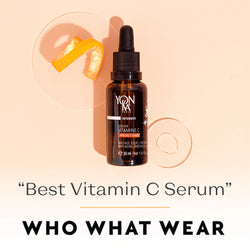
Vitamin C is a potent antioxidant that helps brighten the appearance of the skin and defend against environmental damage. By neutralizing free radicals, it helps preserve existing collagen. If you want a targeted brightening step beyond the eye area, Serum Vitamine C 20% is one of our most direct Vitamin C formulas.
Vitamin A (Retinol or Natural Alternatives)
Vitamin A derivatives are widely considered the gold standard for smoothing the appearance of skin texture. They support surface cell turnover, helping to reveal fresher, smoother skin. However, because the eye area is sensitive, we often recommend using gentle, stabilized forms of vitamin A or botanical alternatives that provide similar benefits without irritation.
Beech Bud Peptides
At Yon-Ka, we often utilize beech bud peptides, which are known for their ability to support skin oxygenation and smooth the look of the skin’s micro-relief. These plant-derived actives are particularly well-suited for the fragile eye contour.
The Essential Eye Care Ritual
A consistent, layered approach is far more effective than an occasional "miracle" treatment. To truly address under-eye wrinkles, you must integrate eye-specific care into your daily morning and evening rituals.
Cleanse and Prepare
The ritual begins with gentle cleansing. Rubbing or tugging at the eyes to remove mascara is one of the quickest ways to cause premature wrinkling. Use a gentle cleansing milk like Lait Nettoyant, applying it with your ring finger in soft, circular motions. This respects the skin barrier while effectively removing impurities.
After cleansing, mist your face with Lotion Yon-Ka PS. This phyto-aromatic mist, infused with our signature Quintessence—a blend of lavender, geranium, rosemary, cypress, and thyme essential oils—prepares the skin to better absorb the active ingredients in your eye cream.
Target and Treat
Once the skin is prepped, apply your targeted eye treatment. Always use your ring finger to apply eye products, as it provides the lightest touch. Pat the product along the orbital bone (the firm area around the eye socket), moving from the inner corner outward toward the temples.
- For Fine Lines and Resurfacing: Alpha-Contour is a non-greasy gel that uses fruit acids to gently exfoliate and hydrate. It is designed to smooth the appearance of the skin’s surface and is ideal for those noticing the first signs of fine lines.
- For Puffiness and Fatigue: Phyto-Contour is a beloved professional formula that utilizes rosemary to visibly depuff and firm the eye area. Its "cryo-effect" provides a cooling sensation that is incredibly refreshing in the morning.
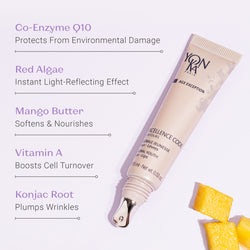
- For Advanced Aging: Excellence Code Contours is part of our premium Age Exception collection. It addresses multiple concerns—wrinkles, firmness, dark circles, and puffiness—using a patented applicator that provides a cooling massage to enhance the product's efficacy. Yon-Ka Paris formulated this specific cream to provide a comprehensive lifting effect for mature skin.
Moisturize and Protect
Follow your eye treatment with your face moisturizer, being careful not to overlap too much on the eye area if your face cream is very heavy. To see the broader options that can support this step, explore our Face Moisturizers collection. During the day, finishing with a broad-spectrum sunscreen is non-negotiable. Protecting the eyes from UV rays is the single most important step in preventing wrinkles from deepening.
Key Takeaway: The best results for under-eye wrinkles come from a dedicated ritual that combines gentle cleansing, aromatic hydration, and targeted botanical treatments applied with a delicate touch.
Lifestyle Habits to Support Your Eyes
Skincare is most effective when supported by healthy daily habits. What you do outside of your bathroom ritual impacts how your skin ages.
Prioritize Sleep and Position
The term "beauty sleep" is rooted in physiological fact. During deep sleep, your body enters a repair mode, producing growth hormones that help skin cells regenerate. To further protect the eye area, try to sleep on your back. Sleeping on your side or stomach can press the delicate eye skin against the pillow, creating "sleep lines" that can eventually become permanent. Using a silk or satin pillowcase can also reduce friction on the skin.
Hydrate from Within
While topical hyaluronic acid is vital, internal hydration is equally important. Drinking enough water throughout the day ensures that your skin cells remain turgid and healthy. If you are dehydrated, the skin under your eyes will appear sunken and sallow, making every fine line look deeper than it actually is.
Eye Protection Beyond Creams
Investing in a high-quality pair of sunglasses that offer 100% UV protection is a major favor to your skin. Sunglasses not only block damaging rays but also prevent the repetitive squinting that leads to crow's feet. Additionally, if you spend long hours in front of a computer, consider blue-light-blocking glasses to reduce eye strain and the associated muscle tension.
Myth: "Eye creams are just regular moisturizers in smaller bottles." Fact: Eye treatments are specifically formulated with smaller molecules to penetrate thinner skin and are ophthalmologically tested to ensure they do not irritate the sensitive ocular area. They also typically exclude heavy oils that can cause milia (small white bumps) or migrate into the eyes. To understand how Yon-Ka balances potency and tolerance, see our formulas.
When to Seek Professional Guidance
Sometimes, your home ritual can be enhanced by professional expertise. If you have persistent concerns or are looking for a more dramatic improvement in skin texture, a professional spa treatment can provide deeper results.
Treatments like the Eye and Lip Perfection Treatment can be added to any Yon-Ka facial to provide intense hydration and firming.
If you are dealing with sudden changes in your skin, such as extreme redness, persistent scaling, or severe swelling, it is important to consult a physician or a dermatologist. While skincare can improve the appearance of aging, medical conditions require professional diagnosis.
Choosing the Right Product for Your Needs
Because everyone's skin is unique, the "best" eye treatment depends on your specific concerns. If you are unsure where to start, our online Skin Diagnosis quiz can help you identify which botanical formulas are most appropriate for your skin type and age.
For those in their 20s or 30s, the focus is often on hydration and prevention with products like Alpha-Contour. As you move into your 40s and beyond, you may find that you need more intensive support for firmness and wrinkle depth, leading you toward the Age Exception collection.
Note: When introducing a new eye treatment, especially one containing active essential oils or fruit acids, perform a patch test on your inner forearm for 24 hours. Introduce one new product at a time to monitor how your skin responds. A slight, temporary tingling can be normal, but persistent irritation is a sign to reduce use or consult an expert.
Conclusion
Identifying what’s good for under eye wrinkles involves a holistic perspective that values both high-performance ingredients and the patience of a consistent ritual. By protecting this delicate area from environmental stress, providing it with deep botanical hydration, and supporting its natural structure with peptides and antioxidants, you can maintain a vibrant and smooth appearance. Yon-Ka Paris remains committed to the belief that skincare is a moment of self-care, where the power of nature and pharmaceutical rigor meet to provide lasting results. We invite you to explore our Eye and Lip Contour collection to find the perfect addition to your daily routine and experience the transformative power of phyto-aromatic care.
FAQ
How can I prevent under-eye wrinkles from getting worse?
The most effective way to prevent the progression of wrinkles is daily sun protection and consistent hydration. Wearing sunglasses to prevent squinting and applying an antioxidant-rich eye treatment every morning and night will help protect the skin's collagen and elastin fibers from further damage.
What ingredients should I look for in an eye cream?
Look for hyaluronic acid for plumping hydration, peptides for firming support, and antioxidants like vitamin C or E to defend against environmental stressors. If you are concerned with texture, gentle fruit acids or botanical vitamin A alternatives can help smooth the look of the skin's surface without causing irritation. For a deeper look at the ingredient philosophy behind these formulas, visit our ingredients.
Is it too late to start using an eye treatment if I already have wrinkles?
It is never too late to begin caring for your skin. While skincare products cannot permanently eliminate deep wrinkles, they can significantly improve the skin's appearance by deeply hydrating, smoothing the surface texture, and providing a firmer, more lifted look through consistent use.
Why is the skin under the eyes so prone to wrinkles?
The skin in the eye contour is the thinnest on the entire body and lacks the sebaceous glands that provide natural moisture. Because this area is subject to constant movement from blinking and expressions, and has very little underlying fat for support, it is the first area to show signs of collagen depletion and dehydration. For a broader view of the range behind these results, explore the Age Exception collection.