Table of Contents
- Introduction
- What Is Coconut Oil and How Does It Affect the Skin?
- Understanding the Delicate Anatomy of the Eye Area
- The Pros and Cons of Using Coconut Oil for Wrinkles
- Moving Beyond DIY: The Phyto-Aromatic Eye Ritual
- Key Botanical Ingredients for Eye Rejuvenation
- How to Incorporate Professional Eye Care Into Your Routine
- Common Mistakes to Avoid When Treating Eye Wrinkles
- Safety First: Essential Oils and Sensitive Skin
- Lifestyle Factors That Support Your Skincare Ritual
- The Yon-Ka Difference: From the Spa to Your Home
- Conclusion
- FAQ
Introduction
There is a distinct sense of ritual in the quiet moments before the day begins, often starting with a lingering look in the mirror. For many, that reflection eventually reveals the first delicate "laugh lines" or "crow’s feet" at the corners of the eyes. In the search for a natural solution, it is common to wonder if the same organic coconut oil found in the kitchen might be the answer to smoothing these signs of life. At Yon-Ka Paris, we believe that understanding the science of your skin is the first step toward a radiant, healthy appearance, and our Skin Diagnosis quiz can help you start there.
While coconut oil is a beloved natural emollient, its role in treating the eye area is often misunderstood. This article will explore whether coconut oil truly helps with eye wrinkles, the unique needs of the delicate skin surrounding your eyes, and how to build a high-trust phyto-aromatic ritual for visible results. While raw oils offer surface hydration, a professional approach combining botanical science and pharmaceutical rigor is essential for addressing the deeper structural changes associated with aging.
What Is Coconut Oil and How Does It Affect the Skin?
Coconut oil is a plant-derived oil extracted from the kernel or meat of mature coconuts. In the world of skincare, it is classified as an emollient and an occlusive. This means it works primarily by filling in the gaps between skin cells to create a smoother surface and forming a protective layer that traps moisture inside.
The oil is rich in medium-chain fatty acids, most notably lauric acid, which has well-documented antimicrobial and anti-inflammatory properties. It also contains Vitamin E, a potent antioxidant known for its ability to protect the skin from oxidative stress caused by environmental pollutants and UV exposure. When applied to the body, coconut oil can feel incredibly nourishing, particularly for very dry areas like elbows or heels.
However, the molecular structure of coconut oil is relatively large. This prevents it from penetrating deep into the dermis, where collagen and elastin—the proteins responsible for skin firmness—reside. While it can temporarily "plump" the look of fine lines by hydrating the outermost layer of the skin, it does not possess the specific corrective properties required to reverse deep-set wrinkles or address the underlying causes of skin sagging.
Understanding the Delicate Anatomy of the Eye Area
To understand why a targeted treatment is often more effective than a raw oil, we must look at how the skin around the eyes differs from the rest of the face. The skin in this region is the thinnest on the entire body, measuring only about 0.5mm in thickness. For comparison, the skin on your palms or the soles of your feet can be up to four times thicker.
Because this skin is so thin, it lacks the dense concentration of sebaceous glands (oil glands) found on the forehead or chin. This means the eye area is naturally prone to dryness and dehydration, which can make fine lines appear more pronounced than they actually are. Additionally, the muscles surrounding the eyes are incredibly active; we blink up to 20,000 times a day, and every squint, smile, or frown puts mechanical stress on the tissue.
Furthermore, the eye area has a more fragile lymphatic drainage system. This is why we often wake up with puffiness or dark circles after a long flight or a night of poor sleep. While a heavy oil might provide moisture, it does not support the microcirculation or drainage needed to revitalize a tired-looking gaze. If you want a more tailored option, explore our eye and lip contour products.
The Pros and Cons of Using Coconut Oil for Wrinkles
Quick Answer: Coconut oil can temporarily improve the appearance of fine lines by hydrating the skin's surface, but it is not a corrective treatment for deep wrinkles. It lacks the ability to stimulate collagen and may cause issues like clogged pores or milia in the delicate eye area.
Potential Benefits
- Intense Surface Hydration: Coconut oil is excellent at preventing transepidermal water loss (TEWL). By sealing moisture into the skin, it can make "dehydration lines" disappear almost instantly.
- Antioxidant Support: The Vitamin E content helps the skin defend itself against free radicals, which are unstable molecules that break down collagen over time.
- Gentle Barrier Support: For those with a compromised skin barrier, the fatty acids in coconut oil can offer a soothing, protective coat.
Significant Drawbacks
- Comedogenic Nature: Coconut oil is rated as highly comedogenic, meaning it has a high likelihood of clogging pores. In the eye area, this often leads to milia—tiny, hard white bumps that are difficult to remove without professional help.
- Molecular Size: Because the molecules are large, the oil mostly sits on top of the skin. It does not deliver the "bioavailable" nutrients needed for long-term age defense.
- Lack of Targeted Actives: Wrinkles are often caused by a loss of volume and elasticity. Coconut oil does not contain peptides, hyaluronic acid, or specific botanical extracts designed to firm or lift the skin.
- Potential Irritation: While rare, some individuals may experience a reaction to raw coconut oil, leading to redness or puffiness—the opposite of the desired effect. For a more comprehensive approach, explore the anti-aging collection.
Moving Beyond DIY: The Phyto-Aromatic Eye Ritual
At Yon-Ka, we believe that skincare should be a ritual worth savoring, rooted in professional expertise. For over 70 years, we have pioneered the fusion of aromatherapy and phytotherapy to create formulas that go far beyond what a single kitchen ingredient can achieve. To learn more about the botanical science behind that approach, visit our ingredients.
Our approach to eye care is centered on the Quintessence—our exclusive complex of five essential oils: lavender, geranium, rosemary, cypress, and thyme. This 100% natural and active core is combined with high-performance plant sciences to address the specific concerns of the eye contour.
Rather than just coating the skin in a heavy oil, our ritual-based method focuses on layering lightweight, highly absorbent formulas that work in harmony with the skin's natural rhythm.
Key Takeaway: Real results in the eye area come from consistent, layered routines that utilize diverse plant sciences—aromatherapy, phytotherapy, and marine biology—rather than relying on a single "hack" or ingredient.
Key Botanical Ingredients for Eye Rejuvenation
When choosing a professional product to replace or supplement your coconut oil, look for these evidence-based botanical ingredients that we prioritize in our formulations:
- Rosemary: A powerhouse for the eye area, rosemary supports microcirculation. This helps "drain" the eye contour, significantly reducing the appearance of morning puffiness and dark circles. You can find this in our Phyto-Contour cream.
- Beech Bud Peptides: Often called the "everlasting youth tree," beech bud extracts help to smooth the appearance of the skin’s micro-relief, addressing the look of fine lines and wrinkles.
- Hyaluronic Acid: Unlike coconut oil, which traps existing moisture, hyaluronic acid can hold up to 1,000 times its weight in water, pulling hydration deep into the skin to "plump" the appearance of wrinkles from within.
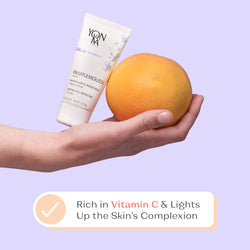
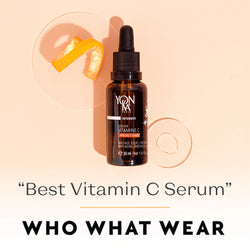
- Vitamin C: A gold standard for brightening. Serum C20 uses a stable form of Vitamin C to support the appearance of firmness and even out skin tone.
- Fruit Acids (AHAs): Derived from lemon, orange, and sugar cane, these help to gently exfoliate the delicate eye area, preventing the buildup of dead skin cells that can make wrinkles look deeper.
How to Incorporate Professional Eye Care Into Your Routine
Transitioning from a DIY remedy to a professional ritual does not have to be complicated. Our method is designed to be intuitive and sensorial.
Step 1: Gentle, Respectful Cleansing
Never pull or tug at the eye area. Use a milky cleanser like Lait Nettoyant, which dissolves makeup and pollution while respecting the skin’s delicate lipid barrier. This ensures the eye area is clean but not stripped of its natural protection.
Step 2: The Phyto-Aromatic Mist
Prepare the skin with Lotion Yon-Ka PNG. This alcohol-free mist is infused with the Quintessence. It hydrates, revitalizes, and acts as a "delivery vehicle," helping your subsequent eye cream absorb more effectively.
Step 3: Targeted Eye Treatment
This is the most critical step for addressing wrinkles.
- For puffiness and dark circles: Use Alpha-Contour in the morning. Its rosemary-rich formula provides a "cool-mint" sensation that awakens the eyes.
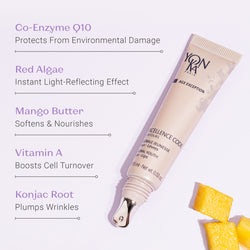
- For fine lines and hydration: Excellence Code Contours uses fruit acids and hyaluronic acid to gently resurface and plump the eye and lip contours.
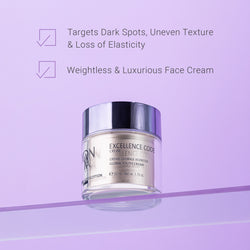
- For mature skin: Excellence Code Contours is our premium solution from the Age Exception collection, designed to target the appearance of deep wrinkles, sagging, and loss of radiance.
Step 4: Protect and Moisturize
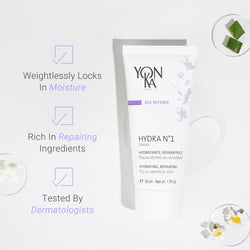
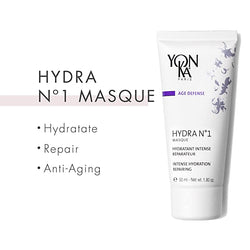
During the day, always finish with sun protection. UV damage is the primary cause of premature eye wrinkles. At night, a deeper moisturizer like Hydra N°1 Crème can be applied to the face, ensuring the entire complexion remains hydrated and resilient.
Common Mistakes to Avoid When Treating Eye Wrinkles
Applying product too close to the lash line. Skincare products naturally "migrate" as your skin warms them up. If you apply a heavy oil or cream too close to the lashes, it can get into your eyes, causing irritation or temporary blurred vision. Always apply your eye treatment along the orbital bone (the hard bone surrounding the eye).
Using too much pressure. The "ring finger" is your best tool for the eye area. It is naturally the weakest finger, ensuring you don't use enough force to stretch the skin, which can actually contribute to new wrinkles.
Relying on oils alone for hydration. Oil and water serve two different purposes. Your skin needs hydration (water) to remain plump and oils (lipids) to stay soft and sealed. A ritual that includes a mist and a cream provides both, whereas coconut oil only provides the latter.
Skipping the morning application. Many people only use eye cream at night. However, your eyes are most prone to puffiness and environmental damage during the day. A morning application of a stimulating product like Phyto-Contour can significantly improve your daily appearance.
Safety First: Essential Oils and Sensitive Skin
Because our products contain active botanical extracts and essential oils, we always advocate for a sensible approach to new skincare.
Recommend a patch test: When introducing a professional product or even a new natural oil like coconut oil, apply a small amount to your inner forearm. Wait 24 hours to ensure no redness or irritation occurs.
Introduce one at a time: To truly understand how your skin responds, introduce only one new product into your ritual every few days.
Listen to your skin: A slight, brief tingling sensation can be a normal sign of active essential oils at work. However, if you experience persistent redness, itching, or swelling, reduce the frequency of use or discontinue the product. If a severe reaction occurs, such as facial swelling or difficulty breathing, seek medical care immediately.
Note: If you have a known allergy to coconuts, avoid using coconut oil or products containing coconut-derived surfactants. Always consult with a dermatologist if you have persistent or painful skin conditions.
Lifestyle Factors That Support Your Skincare Ritual
No topical treatment, whether a kitchen oil or a professional serum, works in a vacuum. To maximize the appearance of youthful, bright eyes, consider these holistic lifestyle habits:
- Sleep Geometry: Sleeping on your back can prevent "sleep wrinkles" caused by the physical pressing of your face into a pillow.
- Hydration from Within: The eye area is the first to look "sunken" when you are dehydrated. Aim for consistent water intake throughout the day.
- Digital Eye Strain: We spend hours squinting at screens. Take frequent breaks and ensure your workspace is well-lit to reduce the mechanical strain on your eye muscles.
- Sunglasses: Quality UV-protection sunglasses are a non-negotiable "skincare" accessory. They prevent both UV damage and the repetitive squinting that deepens crow’s feet.
The Yon-Ka Difference: From the Spa to Your Home
Our heritage is rooted in the professional treatment room. Over 7,000 skincare professionals worldwide trust us because our formulas are born from the experience of treating real skin. When you use a product like Alpha-Contour or Phyto-Contour, you are using a formula that was refined through thousands of professional facials in Paris and beyond.
We prioritize certified organic active ingredients and vegan formulas, and we never test on animals. Our production facility near Paris meets strict ISO standards, ensuring that every bottle provides the pharmaceutical-grade safety your delicate eye area deserves. We exclude known disruptors like parabens, phthalates, and SLS from our formulation charter, focusing instead on the 130+ land and sea plants that power our results. For a closer look at that approach, read our formulas.
Bottom line: While coconut oil is a budget-friendly moisturizer for the body, the complex, thin skin of the eyes benefits most from a specialized, phyto-aromatic approach that addresses circulation, collagen support, and deep hydration.
Conclusion
The journey to vibrant, younger-looking eyes is not about finding a single "miracle" ingredient, but about embracing a consistent, high-quality ritual. While coconut oil can offer a temporary boost in surface moisture, it lacks the scientific sophistication needed to truly address eye wrinkles and the specific physiological needs of the ocular area.
By choosing products rooted in phyto-aromatic expertise, you are investing in the long-term health and resilience of your skin. Yon-Ka Paris remains dedicated to the belief that skincare is an act of self-care—a moment to pause, breathe in the restorative scents of the Quintessence, and provide your skin with the botanical nourishment it deserves.
To find the perfect ritual for your unique skin type and concerns, we invite you to use our online Skin Diagnosis quiz or visit our Spa Locator to find a professional Yon-Ka treatment near you.
"The skin is a living organ that reflects our internal wellbeing and external care; treat it with the respect of a professional ritual."
FAQ
Does coconut oil stimulate collagen production in the eye area?
There is no clinical evidence that topically applied coconut oil can stimulate collagen production in human skin. While it contains Vitamin E, which supports skin health, its molecular size is too large to reach the deeper layers of the dermis where collagen synthesis occurs. Professional treatments with peptides or Vitamin C are more effective for this goal.
Can coconut oil cause those small white bumps under my eyes?
Yes, coconut oil is highly comedogenic, meaning it can easily clog pores and trap keratin. This often leads to the formation of milia, which are small, hard, pearly white bumps that appear under the skin. If you are prone to milia, it is best to avoid heavy oils and use a lightweight, professional eye cream like Alpha-Contour instead.
Is it safe to use coconut oil as an eye makeup remover?
Coconut oil can effectively dissolve waterproof makeup, but it must be followed by a secondary cleanse. If any oil residue is left on the thin skin around the eyes, it can lead to puffiness or clogged pores. We recommend using a professional cleansing milk like Lait Nettoyant, which removes makeup while remaining completely water-soluble and safe for the eye contour.
How long does it take to see results with a professional eye cream compared to coconut oil?
While coconut oil may provide an instant "plumping" effect due to surface hydration, professional eye creams typically show structural improvements in 4 to 8 weeks. Consistent use of a product like Phyto-Contour allows botanical actives to support microcirculation and skin firmness, leading to more sustainable and visible results over time.