Table of Contents
- Introduction
- The Anatomy of a Sleep Wrinkle
- The Sleep Mask Debate: Friction vs. Protection
- Material Science and Your Skin
- The Importance of Fit and Pressure
- The Yon-Ka Nighttime Ritual for Eye Protection
- Common Mistakes to Avoid
- The Role of Melatonin in Skin Aging
- Elevating Results with Professional Care
- Choosing the Best Support for Your Eyes
- Conclusion
- FAQ
Introduction
The quiet transition from a busy day to a restful evening is a ritual worth savoring. Many of us reach for a sleep eye mask as the final step in our nighttime routine, seeking the total darkness required for deep, restorative sleep. However, a common question often surfaces during our professional consultations: do sleep eye masks cause wrinkles? It is a valid concern for anyone dedicated to the longevity and appearance of their skin. While the goal of a sleep mask is to facilitate "beauty sleep," we must ensure the accessory itself isn't contributing to the very fine lines we aim to prevent.
In this exploration, we will examine the science of the delicate eye area and how different sleep mask materials and fits affect the skin's appearance. We will also discuss how to integrate high-performance phyto-aromatic care from Yon-Ka Paris into your nightly ritual to ensure your skin remains smooth, firm, and revitalized. Our goal is to provide the knowledge you need to protect your skin while achieving the rest your body deserves.
Quick Answer: A high-quality sleep mask made from smooth, non-absorbent materials like silk does not cause wrinkles; in fact, it can help prevent "sleep creases" by reducing friction. However, poorly fitted masks or rough fabrics can tug at the skin or create pressure that may lead to the temporary appearance of lines.
The Anatomy of a Sleep Wrinkle
To understand if a sleep mask can cause wrinkles, we must first distinguish between the different types of lines that appear on the face. Most people are familiar with expression lines, which are the result of repetitive muscular movements like smiling or squinting. However, "sleep wrinkles" are mechanical in nature. They are caused by the physical compression of the face against a surface—typically a pillow or bedding—for several hours each night.
The skin surrounding our eyes is uniquely vulnerable to these mechanical forces. It is significantly thinner than the skin on the rest of the face and has fewer sebaceous glands, making it more prone to dehydration and a loss of elasticity. As we age, our natural production of collagen and elastin—the proteins responsible for skin firmness and "snap-back"—decreases. When the skin is folded or pressed repeatedly during sleep, and the elasticity is no longer there to pull it back into place, those temporary creases can eventually become permanent features.
The Sleep Mask Debate: Friction vs. Protection
The impact of a sleep mask on your skin largely depends on its quality and how it interacts with the eye contour. A mask that is too tight or made from abrasive materials can indeed cause issues. If a mask "tugs" on the skin as you move in your sleep, it creates friction. This friction can lead to skin irritation, redness, and the physical folding of the skin that contributes to the appearance of fine lines.
Conversely, a well-designed sleep mask acts as a protective shield. By creating a smooth barrier between your face and your pillowcase, a mask can actually prevent your skin from bunching up as you shift positions. This is especially beneficial for side and stomach sleepers, who typically experience the most facial compression. The key is to ensure the mask supports the skin's natural state rather than working against it.
Material Science and Your Skin
The fabric of your sleep mask is perhaps the most critical factor in determining whether it will help or hinder your anti-aging efforts. At Yon-Ka, we prioritize the integrity of the skin barrier, and the materials that touch your face for eight hours a night should be chosen with pharmaceutical-grade care.
The Problem with Cotton and Synthetics
While cotton is a common choice for bedding, it can be problematic as a sleep mask material. Cotton is highly absorbent and slightly abrasive at a microscopic level. It tends to "wick" moisture and expensive skincare products away from your skin and into the fabric. This leaves the delicate eye area dehydrated, which makes fine lines appear more pronounced. Furthermore, the "grip" of cotton can cause it to pull at the skin as you move.
The Benefits of Silk and Contoured Designs
Silk is widely considered the gold standard for skin-friendly sleep masks. Its long, smooth fibers allow the skin to glide effortlessly across the surface, virtually eliminating friction. Silk is also far less absorbent than cotton, meaning your eye creams and serums stay on your skin where they can do their work.
| Feature | Cotton/Synthetic Masks | Silk/Satin Masks |
|---|---|---|
| Friction Level | High (can tug skin) | Low (skin glides easily) |
| Moisture Retention | Low (absorbs products) | High (leaves products on skin) |
| Breathability | Moderate | High |
| Wrinkle Risk | Potential for sleep creases | Helps prevent sleep creases |
Key Takeaway: Always choose a silk or high-quality satin mask over cotton to minimize friction and ensure your nighttime skincare remains effective.
The Importance of Fit and Pressure
Beyond the fabric, the physical design and fit of the mask play a significant role in skin health. A mask that is overly tight can exert unnecessary pressure on the eye area and the surrounding bone structure. This pressure can impede lymphatic drainage, leading to the morning puffiness often referred to as "pillow face."
Ideally, a sleep mask should have an adjustable strap to allow for a customized fit. It should be snug enough to block out light—which triggers the production of melatonin, the body's primary repair hormone—but loose enough that you can still blink comfortably. Some modern "3D" or contoured designs feature recessed cups for the eyes, which eliminate all pressure on the eyelids and lashes while still providing total darkness.
The Yon-Ka Nighttime Ritual for Eye Protection
A sleep mask should never be the only defense against aging. To truly protect the eye area, the mask should be the final step of a comprehensive, layered ritual. We believe in consistency and the power of botanical actives in our formulas to support the skin's natural repair cycle.
Step 1: Gentle Cleansing
Begin by removing the day’s impurities and environmental pollutants. Use a gentle cleansing milk like Lait Nettoyant, which respects the skin's lipid barrier. This ensures your skin is pristine and ready to absorb the treatments that follow.
Step 2: Phyto-Aromatic Preparation
Mist the face and neck with Lotion Yon-Ka PS.
This signature mist, infused with our Quintessence (an exclusive complex of lavender, geranium, rosemary, cypress, and thyme), rebalances the skin and prepares it for deeper product absorption.
Step 3: Target the Eye Contour
Before putting on your mask, apply a targeted treatment. For those concerned with puffiness and dark circles that a mask might exacerbate, we recommend Phyto-Contour. This rosemary-infused cream helps to visibly firm and depuff the eye area.
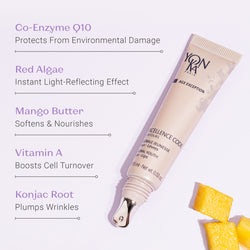
If your primary concern is fine lines and deep wrinkles, look to the Age Exception collection and use a product designed for mature skin to maintain elasticity.
Step 4: Intensive Hydration and Lipid Repair
Apply a nutrient-rich moisturizer or serum. Serum Omega is an excellent choice for nighttime, as it provides essential fatty acids that restore the skin's barrier.
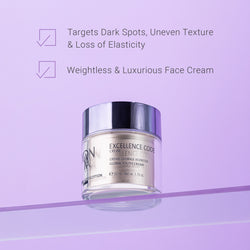
For global age correction, Excellence Code Crème addresses wrinkles, firmness, and radiance.
Step 5: The Mask Application
Wait a few minutes for your skincare to fully absorb before slipping on your silk mask. This prevents the fabric from shifting the product and ensures your skin receives the full benefit of the active ingredients.
Common Mistakes to Avoid
Even with a high-quality mask, certain habits can lead to skin irritation or the appearance of lines.
- Wearing a Dirty Mask: Sleep masks collect oils, dead skin cells, and leftover skincare products. If you do not wash your mask at least once a week, you risk "maskne" (breakouts caused by the mask) or bacterial irritation.
- Too Much Tension: Overtightening the strap can leave physical indentations in the skin that may take hours to disappear and can eventually contribute to permanent creasing.
- Ignoring the Skin's Signals: If you notice redness, itching, or persistent puffiness after using a mask, it may be time to reassess the material or the fit.
Note: When introducing new skincare products or materials to your routine, we recommend a simple patch test. Apply a small amount of product to your inner forearm for 24 hours to ensure compatibility. While a slight tingling can be normal with active essential oils, persistent redness means you should reduce frequency or discontinue use.
The Role of Melatonin in Skin Aging
While we discuss the mechanical risks of sleep masks, we must also acknowledge their greatest benefit: light blockage. Darkness is the primary trigger for the pineal gland to produce melatonin. Beyond its role in regulating sleep cycles, melatonin is a potent antioxidant that plays a crucial role in skin repair.
During deep sleep, the body increases its production of growth hormones, which stimulate collagen synthesis and cellular turnover. By ensuring you stay in a deep, dark sleep, a mask can actually support the biological processes that keep your skin looking youthful. The key is balancing this biological benefit with the physical requirements of a silk material and a gentle fit.
Elevating Results with Professional Care
For those who feel their sleep wrinkles are becoming more persistent, professional intervention can provide a deeper level of correction. Our heritage is rooted in the professional spa environment, and we recommend visiting a local spa for a specialized eye treatment. A professional aesthetician can use advanced techniques and high-concentration formulas to revitalize the eye area. You can use our Spa Locator to find a Yon-Ka professional near you who can analyze your skin and recommend a personalized program.
Choosing the Best Support for Your Eyes
If you are still unsure which products or accessories will best serve your specific skin type, we invite you to use our Product Matcher on our website. These tools are designed to help you build a ritual that addresses your unique concerns, whether you have oily, sensitive, or mature skin.
Myth: "Sleep masks are only for people who can't sleep in the light." Fact: Sleep masks are an anti-aging tool. By preventing the face from compressing against the pillow and keeping skincare products in place, they serve a dual purpose of skin protection and sleep enhancement.
Conclusion
So, do sleep eye masks cause wrinkles? The answer is a resounding "no"—provided you choose your accessories with the same care you choose your skincare. By selecting a silk mask with an adjustable fit and pairing it with a consistent, barrier-respecting ritual, you can enjoy the benefits of deep sleep without compromising your skin's smoothness.
At Yon-Ka Paris, we remain committed to the belief that skincare is a ritual worth savoring. Founded in 1954, our house has spent 70 years perfecting the fusion of aromatherapy and phytotherapy to support your skin’s health at every stage of life. True beauty sleep is about more than just closing your eyes; it is about creating an environment where your skin can thrive.
Bottom line: A silk sleep mask, paired with targeted treatments like Phyto-Contour, is a powerful ally in preventing sleep creases and supporting nocturnal repair.
FAQ
Can a sleep mask help with puffy eyes?
Yes, a properly fitted, lightweight mask can help reduce puffiness by preventing your face from pressing directly into your pillow, which can impede lymphatic drainage. For best results, apply a depuffing cream from our eye and lip contour range before putting on your mask to help visibly firm the eye area overnight.
How often should I wash my silk sleep mask?
To prevent skin irritation and breakouts, you should wash your sleep mask at least once a week. Since silk is a delicate natural fiber, use a pH-neutral liquid detergent and hand wash or use a gentle machine cycle in a mesh bag. Always air dry your mask to maintain its smoothness and shape.
Is silk or satin better for preventing wrinkles?
Pure mulberry silk is generally superior to synthetic satin because it is more breathable and contains natural proteins and amino acids that are beneficial for the skin. Silk is also naturally hypoallergenic and less likely to harbor bacteria or allergens compared to synthetic fibers.
Will a sleep mask make my eye cream less effective?
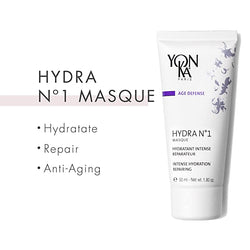
If you use a cotton mask, it may absorb your eye cream, making it less effective. However, a silk mask is non-absorbent and will help keep your treatments—such as our Hydra N°1 Masque or specialized eye contours—on your skin, potentially enhancing their performance by preventing evaporation.